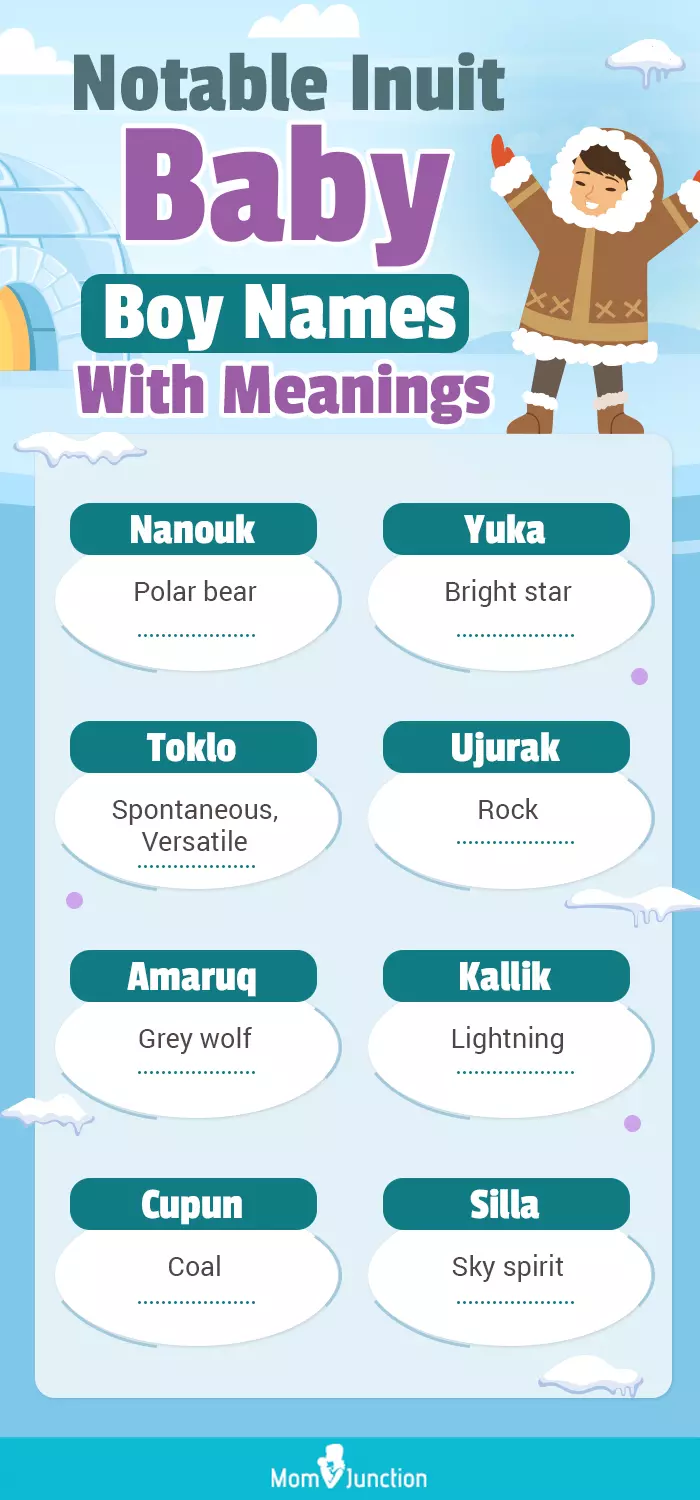
Inuit names are more than just labels; they are powerful reflections of Inuit culture, spirituality, and connection to the Arctic environment. Understanding the nuances of Inuit naming practices offers a fascinating glimpse into a world where names carry profound meaning and significance. This article delves into the captivating realm of Inuit names, exploring their origins, traditions, and the stories they tell.
Unlike many Western cultures where names are often chosen based on aesthetics or family tradition, Inuit names traditionally reflect a deep connection to the natural world, ancestral spirits, and the qualities parents hope their child will embody. The practice of bestowing names is deeply rooted in Inuit beliefs about reincarnation and the cyclical nature of life.
The Significance of Inuit Naming Practices
Inuit naming practices are steeped in tradition and spiritual beliefs. Names are not simply identifiers; they are believed to carry the essence and qualities of the person or entity they represent. This belief stems from the Inuit worldview that everything in the universe – people, animals, and even inanimate objects – possesses a spirit or soul (anirniq).
Traditionally, Inuit children were often named after deceased relatives, animals, or significant elements of the landscape. This practice served several important purposes: to honor the deceased, to ensure the continuity of their spirit, and to imbue the child with the qualities associated with the name.
The belief in reincarnation is central to Inuit naming practices. By naming a child after a deceased person, the Inuit believe that the spirit of the deceased is reborn in the child. This ensures the continuation of ancestral knowledge, skills, and wisdom within the community. The child is expected to embody the traits and characteristics of the person they are named after.
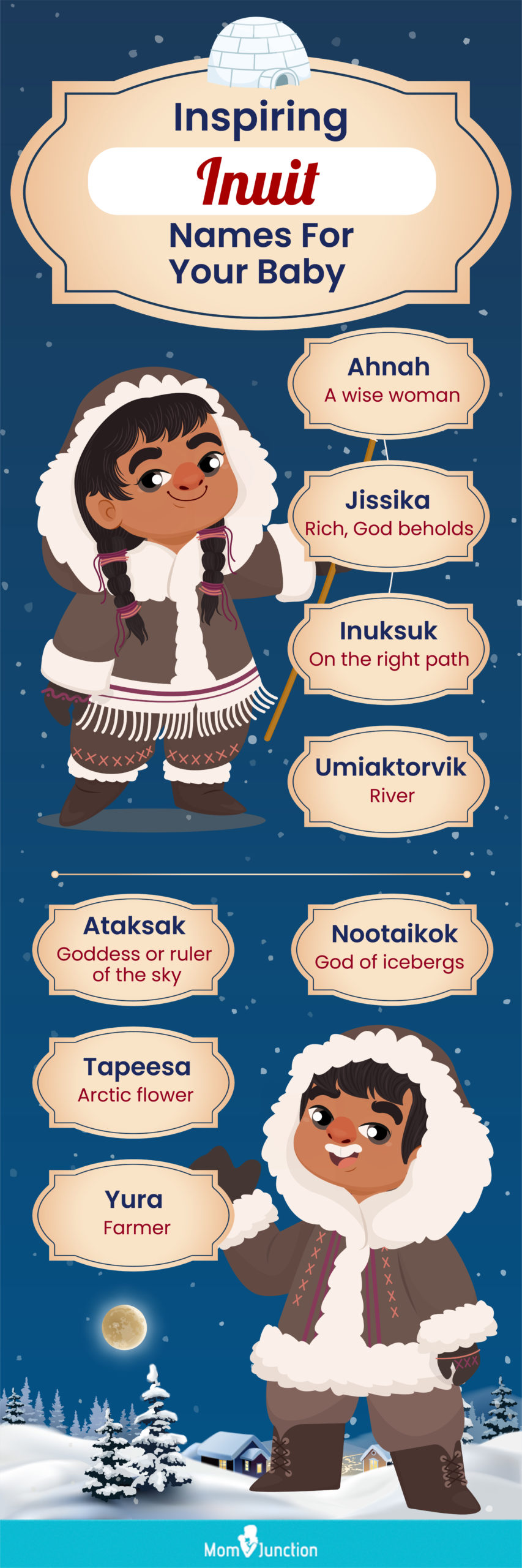
Connecting with Ancestral Spirits
Naming a child after a deceased relative is a powerful way to maintain a connection with ancestral spirits. The Inuit believe that these spirits continue to watch over and guide the living. By carrying the name of an ancestor, the child becomes a living link to the past, ensuring that the family’s history and traditions are preserved.
Reflecting the Natural World
Many Inuit names are derived from animals, plants, and geographical features of the Arctic landscape. These names reflect the Inuit’s intimate relationship with the environment and their deep understanding of the natural world. Naming a child after an animal, for example, can be a way to invoke the animal’s strength, skill, or resilience.
Common Inuit Names and Their Meanings
-
Aputi: Meaning "snow."
-
Amaruq: Meaning "wolf," symbolizing strength and hunting prowess.
-
Nanuq: Meaning "polar bear," representing courage and resilience.
-
Siku: Meaning "ice."
-
Arnaq: Meaning "woman."
-
Angut: Meaning "man."
-
Igalaaq: Meaning "window."
-
Qillaq: Meaning "sky."
-
Paarma: Meaning "tail."

These are just a few examples, and the meanings of Inuit names can vary depending on the region and dialect. The choice of name is often a deliberate one, reflecting the parents’ hopes and aspirations for their child.
Gender Neutrality in Inuit Names
Traditionally, many Inuit names were gender-neutral, meaning they could be given to both boys and girls. This reflects the Inuit emphasis on the qualities and characteristics associated with the name, rather than the gender of the individual. In modern times, while some names remain gender-neutral, there’s also been a trend towards adopting more gender-specific names, influenced by Western naming conventions.
How Inuit Names Are Chosen
-
The wishes of deceased relatives: Sometimes, the deceased may communicate their desire for a child to be named after them through dreams or other spiritual means.
-
The circumstances of the child’s birth: The time of year, the weather conditions, or other significant events surrounding the birth may influence the choice of name.
-
The qualities the parents hope to instill in the child: Parents may choose a name that reflects the qualities they admire or wish their child to possess, such as strength, wisdom, or kindness.
-
Guidance from an Angakkuq (Shaman): In some communities, the local shaman may be consulted to help determine the most appropriate name for the child.
The Role of Elders in Naming Ceremonies
Elders play a crucial role in Inuit naming ceremonies. They possess a deep understanding of Inuit traditions and spiritual beliefs, and their wisdom is highly valued in the naming process. Elders may offer guidance on the choice of name, perform blessings, and share stories about the person or entity after whom the child is named.
Changes in Inuit Naming Practices Over Time
-
Adoption of Western Names: Many Inuit people have adopted Western first names alongside or instead of their traditional Inuit names. This was often the result of pressure from missionaries and government officials who discouraged the use of traditional names.
-
Revitalization Efforts: In recent years, there has been a growing movement to revitalize Inuit language and culture, including traditional naming practices. This involves teaching younger generations about the meanings and significance of Inuit names and encouraging the use of traditional names.
The Impact of Colonization on Inuit Names
Colonization had a profound impact on Inuit naming practices. Missionaries often viewed traditional Inuit names as pagan or uncivilized and encouraged Inuit people to adopt Christian names. Government policies also contributed to the decline of traditional names, as Inuit children were often given Western names in residential schools.
The Importance of Cultural Revitalization
The revitalization of Inuit naming practices is an important aspect of cultural preservation. By reclaiming their traditional names, Inuit people are reaffirming their cultural identity and strengthening their connection to their ancestors and the land. This helps to ensure that Inuit culture continues to thrive for generations to come.
Modern Inuit Naming Conventions
While traditional Inuit naming practices remain important, modern Inuit naming conventions often blend traditional and Western elements. Many Inuit people now have both an Inuit name and a Western name. The Inuit name is often used within the community and to maintain cultural identity, while the Western name is used for official purposes and in interactions with the outside world.
Bilingual Naming Practices
Bilingual naming practices are common in many Inuit communities. This involves giving a child both an Inuit name and an English or French name. This allows the child to navigate both Inuit and Western societies while maintaining a strong connection to their cultural heritage.
Resources for Learning More About Inuit Names
-
Books and articles on Inuit culture and language
-
Websites and online databases of Inuit names
-
Cultural centers and museums dedicated to Inuit history and culture
-
Elders and knowledge keepers within Inuit communities
By exploring these resources, you can gain a deeper appreciation for the rich cultural heritage embedded in Inuit names.
Conclusion: The Enduring Power of Inuit Names
Inuit names are more than just labels; they are powerful symbols of Inuit culture, spirituality, and connection to the Arctic environment. They reflect a deep understanding of the natural world, a reverence for ancestral spirits, and a commitment to preserving cultural traditions. As Inuit communities continue to revitalize their language and culture, the importance of traditional naming practices will only continue to grow. By understanding the meanings and significance of Inuit names, we can gain a deeper appreciation for the rich cultural heritage of the Inuit people.
In conclusion, Inuit names encapsulate the essence of their culture, history, and spiritual beliefs. They serve as a constant reminder of the Inuit’s profound connection to the land, their ancestors, and the enduring power of their traditions. Embracing and preserving these names is vital for ensuring the continuity of Inuit culture for generations to come.
-
Inuit names are deeply connected to spirituality and the natural world.
-
They often reflect ancestral spirits and desired qualities.
-
Naming practices are evolving, blending tradition with modern influences.
-
Revitalization efforts are crucial for preserving Inuit cultural identity.
-
Understanding Inuit names provides insights into their unique worldview.


