
Inuit music and dance are integral parts of Inuit culture, reflecting their deep connection to the land, sea, and spiritual beliefs. These art forms serve not only as entertainment but also as vital means of storytelling, preserving history, and maintaining social cohesion. From the rhythmic drumming to the captivating throat singing and expressive dances, Inuit music and dance offer a window into the soul of the Arctic people.
Inuit, meaning ‘the people,’ inhabit the Arctic regions of Greenland, Canada, Alaska (United States), and Russia (Siberia). Their music and dance traditions vary across these regions, yet share common threads rooted in their environment and ancestral beliefs. This article explores the diverse and fascinating world of Inuit music and dance, examining its key elements, cultural significance, and evolution.
What are the main characteristics of Inuit music? Inuit music is characterized by its vocal-centric nature, often featuring throat singing (katajjaq), drumming, and storytelling through song. The melodies are often pentatonic, reflecting the natural soundscapes of the Arctic. Rhythm plays a crucial role, often mirroring the movements of animals or the sounds of nature.
What is Inuit throat singing? Katajjaq, or Inuit throat singing, is a unique vocal tradition performed by two women who face each other and create complex, rhythmic sounds by manipulating their throats, mouths, and diaphragms. The sounds often mimic natural sounds like animal calls or the wind. It’s a playful, competitive art form that requires incredible breath control and coordination.
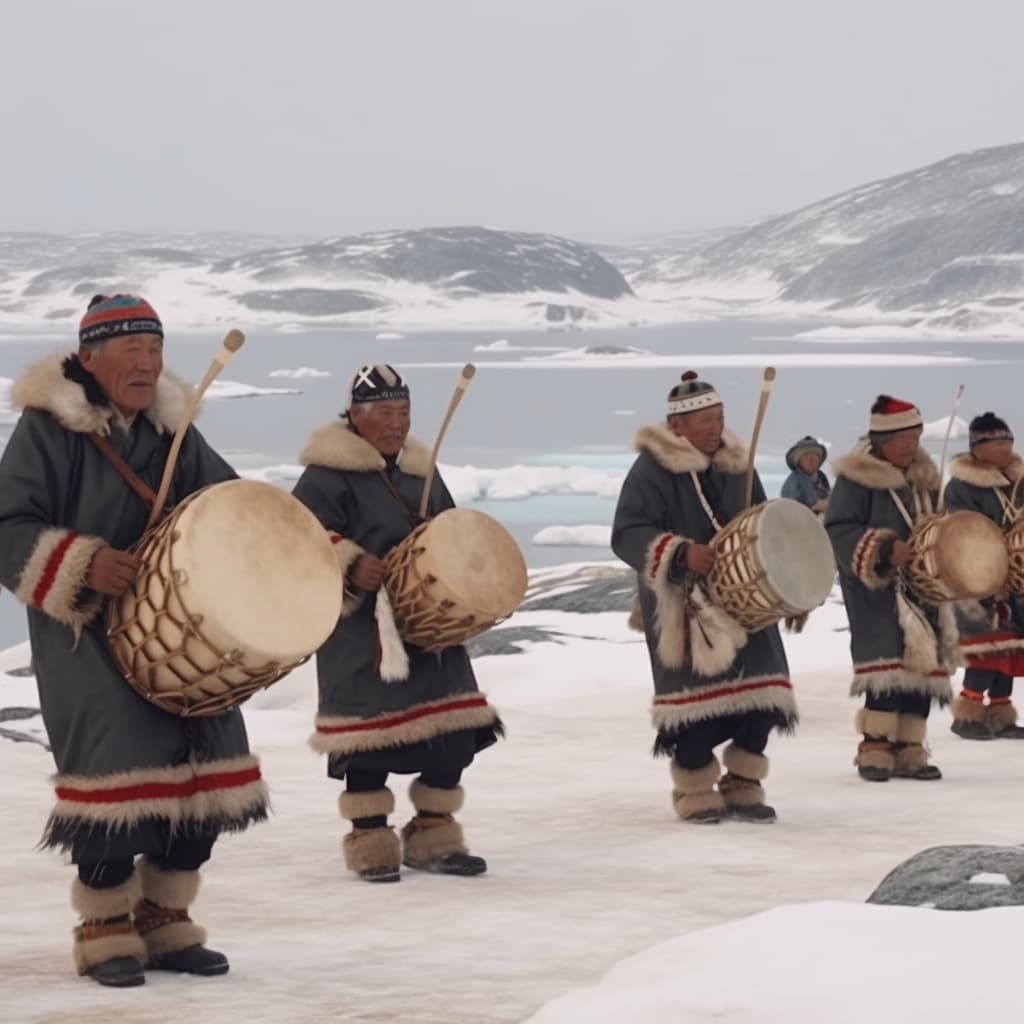
The drum is a central instrument in Inuit music, traditionally crafted from animal hide stretched over a wooden frame. The drum is not struck on the surface but rather on the rim, producing a deep, resonant sound. Drumming accompanies dances and ceremonies, providing a powerful rhythmic foundation.
Inuit songs, known as pisiq, are often narrative, recounting stories of hunting, fishing, and daily life. They can also be used to express personal emotions, commemorate events, or invoke spirits. Songs are passed down through generations, preserving oral traditions and cultural knowledge.
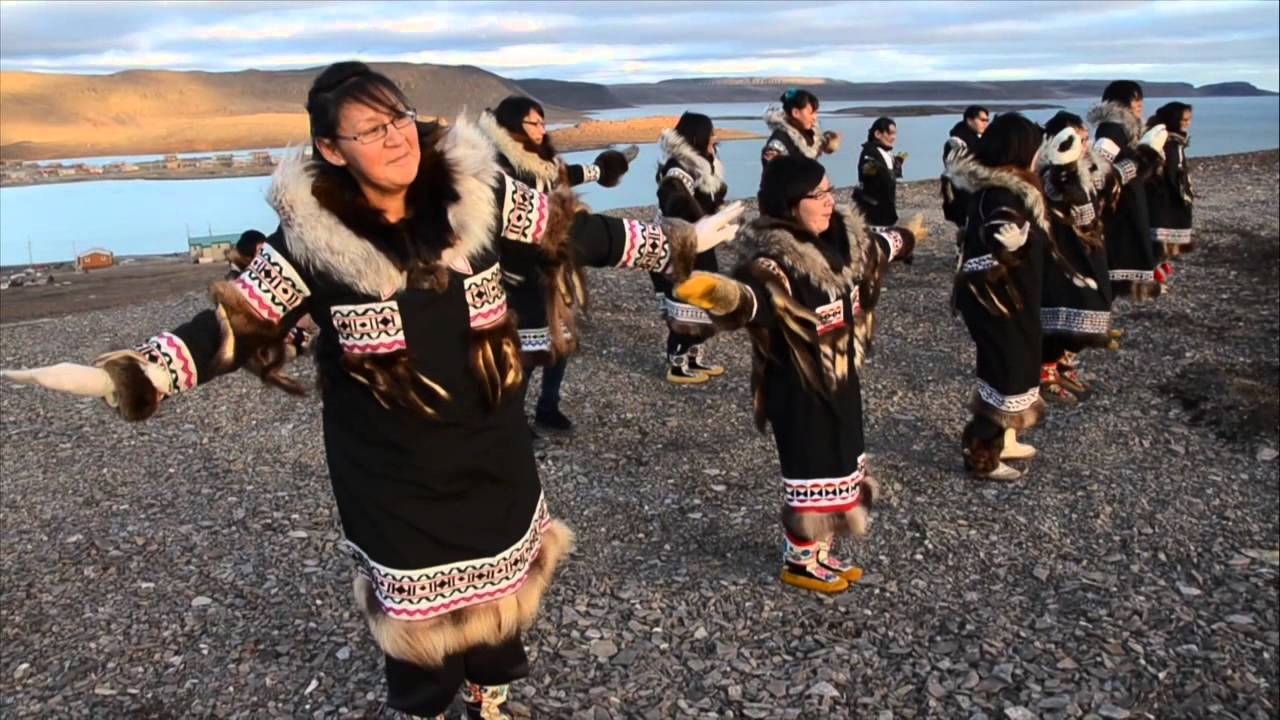
Inuit dance is inextricably linked to music, with movements often mirroring the rhythms and stories conveyed in the songs. Dances can be performed individually or in groups, and they often depict animals, hunting scenes, or spiritual journeys. Masks and costumes are sometimes used to enhance the visual impact of the performances.
What are some common Inuit dances? Common Inuit dances include the drum dance, which is often performed during celebrations and ceremonies; animal dances, which mimic the movements of animals like seals, caribou, and polar bears; and storytelling dances, which recount historical events or legends.
Masks play a significant role in some Inuit dance traditions, particularly in Alaska and parts of Canada. Masks are often carved from wood and decorated with feathers, fur, and other natural materials. They represent spirits, animals, or mythical beings, and they are used to connect with the spiritual world during ceremonies.
Costumes worn during Inuit dances vary depending on the region and the specific dance being performed. They often incorporate elements of traditional Inuit clothing, such as fur parkas, boots, and mittens. Some costumes also include decorative elements like beads, shells, and animal parts.
Inuit music and dance are deeply intertwined with their spiritual beliefs, particularly their animistic worldview. Animism is the belief that all things – animals, plants, rocks, and natural phenomena – possess a spirit. Music and dance are used to communicate with these spirits, seek their guidance, and maintain balance in the world.
Shamans, or spiritual leaders, play a crucial role in Inuit spiritual practices. They use music and dance to enter altered states of consciousness, communicate with spirits, and heal the sick. Shamanic performances often involve drumming, chanting, and elaborate costumes.
The Inuit believe that music and dance can influence the weather, ensure successful hunts, and promote healing. Certain songs and dances are performed to appease spirits, bring good fortune, or ward off evil. These practices reflect the Inuit’s deep respect for the power of the natural world.
Inuit music and dance have evolved over time, influenced by contact with other cultures and changing social conditions. While traditional forms remain important, contemporary Inuit artists are also experimenting with new sounds and styles, blending traditional elements with modern influences.
The introduction of Western instruments, such as the guitar and accordion, has influenced some Inuit music. Contemporary Inuit musicians often incorporate these instruments into their performances, creating a unique fusion of traditional and modern sounds. Some artists also use electronic instruments and digital technology to create innovative soundscapes.

Language is essential to many Inuit songs, and the decline of Inuit languages poses a threat to these traditions. Efforts are being made to teach Inuit languages to young people and to create new songs in these languages. Language revitalization programs are crucial for preserving Inuit cultural heritage.
Cultural centers and museums play a vital role in preserving and promoting Inuit music and dance. These institutions often host performances, workshops, and exhibitions that showcase Inuit art and culture. They also provide educational resources and support for Inuit artists.
Contemporary Inuit artists are finding new ways to express their cultural identity through music and dance. They are creating innovative works that address contemporary issues, celebrate Inuit culture, and connect with audiences around the world. These artists are helping to ensure that Inuit music and dance remain relevant and vibrant.
What are some examples of contemporary Inuit music? Tanya Tagaq is a renowned Inuit throat singer who has gained international recognition for her innovative and experimental performances. Other notable Inuit musicians include Susan Aglukark, a singer-songwriter who blends Inuit and Western musical styles, and The Jerry Cans, a band that performs in Inuktitut and English.
Inuit music and dance are more than just entertainment; they are vital expressions of cultural identity, spiritual beliefs, and connection to the land. By preserving and promoting these art forms, we can help to ensure that Inuit culture continues to thrive for generations to come.
In conclusion, Inuit music and dance are rich and diverse traditions that reflect the unique cultural heritage of the Arctic people. From the mesmerizing sounds of throat singing to the powerful rhythms of the drum dance, these art forms offer a window into the soul of the Inuit and their deep connection to the natural world. By supporting Inuit artists, preserving traditional languages, and promoting cultural awareness, we can help to ensure that these traditions continue to thrive for generations to come.
Key takeaways include the importance of throat singing (katajjaq) as a unique vocal art, the central role of the drum in ceremonies and celebrations, the storytelling function of Inuit songs (pisiq), the spiritual significance of music and dance in connecting with the animistic world, and the ongoing efforts to revitalize and preserve these traditions in the face of cultural change. Understanding and appreciating Inuit music and dance allows for a deeper connection to the Inuit people and their rich cultural heritage.
Further research can explore regional variations in Inuit music and dance across Greenland, Canada, Alaska, and Siberia. Investigating the impact of climate change on traditional Inuit lifestyles and its subsequent effect on their artistic expressions can also provide valuable insights. Additionally, studying the works of contemporary Inuit artists and their contributions to the evolution of these art forms offers a glimpse into the future of Inuit music and dance.


