The Arctic, a land of stark beauty and extreme conditions, has long been home to the Inuit, an Indigenous people renowned for their profound adaptability and deep connection to their environment. For millennia, their survival hinged on a diet expertly tailored to the harsh northern climate, a diet rich in protein and healthy fats derived almost entirely from the land and sea.
However, the past century has witnessed a dramatic transformation in the Inuit’s dietary practices. Globalization, colonization, and the increasing integration into a market economy have introduced foods and eating habits vastly different from their traditional ways. This shift, often referred to as a nutritional transition, carries significant implications for Inuit health, culture, and food security.
This comprehensive article delves into the complexities of these modern dietary changes, examining the traditional foundation, the factors driving the transformation, and the multifaceted impacts on Inuit communities. We will explore the challenges faced and the resilient efforts being made to navigate this evolving landscape.
The Foundation: Understanding the Traditional Inuit Diet (Country Food)
At the heart of Inuit culture and survival lay the traditional diet, intimately known as country food. This encompassed a diverse array of wild animals harvested from the land and ocean, including seals, whales, caribou, muskoxen, various fish species like Arctic char, and migratory birds. Berries, roots, and other plant life were also consumed seasonally, though in smaller quantities.
Nutritionally, this diet was remarkably robust. It was exceptionally high in protein and healthy fats, particularly omega-3 fatty acids, which are crucial for cardiovascular and cognitive health. Organ meats were highly prized for their concentrated vitamins and minerals, providing essential nutrients like Vitamin C (often thought to be absent in meat-only diets), Vitamin D, and iron.
Beyond its nutritional value, country food was the bedrock of Inuit society. Hunting and sharing practices fostered strong community bonds, transferred invaluable traditional knowledge from elders to youth, and reinforced a profound respect for the natural world. It was, and remains, a powerful symbol of cultural identity and continuity.
A Paradigm Shift: The Arrival of Market Foods
The introduction of market foods began subtly with early European contact, initially through whaling stations and trading posts. Goods like flour, sugar, tea, and tobacco slowly made their way into Inuit communities. However, the pace accelerated dramatically in the mid-20th century with increased governmental presence, permanent settlements, and the establishment of retail stores.
These imported foods, often highly processed and calorie-dense but nutrient-poor, offered convenience and novelty. They gradually supplemented, and in many cases, began to replace, traditional country food. Items such as white bread, sugary drinks, potato chips, canned goods, and processed meats became increasingly common staples in Inuit households.
The accessibility of these foods was, and remains, a significant factor. While traditional hunting requires time, skill, equipment, and often expensive fuel, market foods are readily available in community stores, though often at exorbitant prices due to high transportation costs to remote Arctic regions.
Nutritional Transition: From Hunter-Gatherer to Globalized Palates
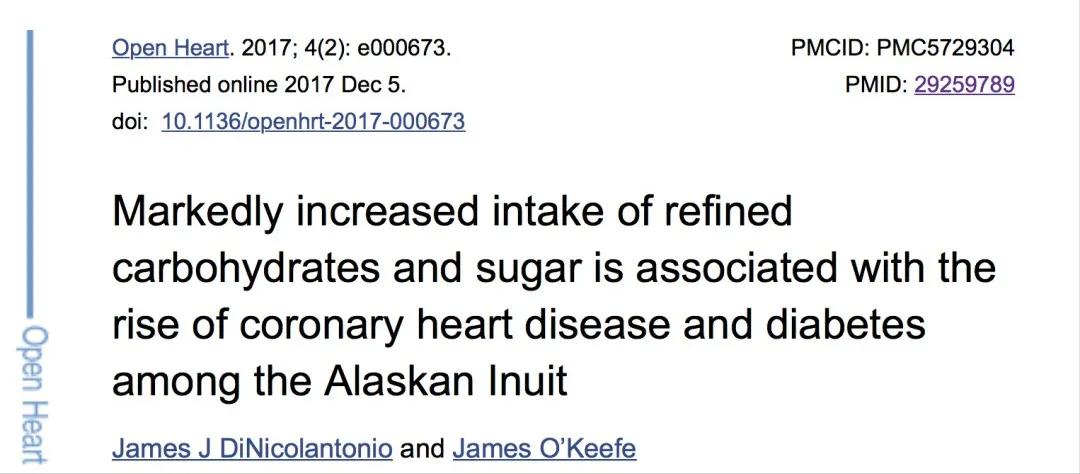
The shift from country food to a diet dominated by market goods represents a profound nutritional transition. The once high-protein, high-fat, low-carbohydrate intake has been supplanted by a diet often characterized by high levels of refined carbohydrates, sugars, and unhealthy saturated and trans fats.
This dietary imbalance leads to several nutritional deficiencies, despite an increase in overall caloric intake. While traditional foods provided a rich array of micronutrients, many processed foods offer ’empty calories’ lacking essential vitamins, minerals, and fiber. The reliance on store-bought foods also often means a reduced intake of fresh fruits and vegetables.
The implications for public health are stark. Research indicates a clear link between these modern dietary patterns and a rise in chronic diseases that were once rare or non-existent in Inuit populations.

Health Implications: A Growing Crisis in Northern Communities
The most devastating consequence of these dietary changes is the dramatic increase in diet-related chronic diseases. Rates of Type 2 diabetes, cardiovascular disease, obesity, and hypertension have surged in Inuit communities, reaching levels significantly higher than the national average in Canada and Greenland.
Dental health has also suffered immensely. The introduction of sugary foods and drinks has led to widespread dental caries (cavities), particularly among children, necessitating extensive dental care and often leading to painful extractions.
Beyond physical ailments, food insecurity, which is exacerbated by the high cost of market foods and challenges in accessing country food, contributes to significant mental health challenges. Stress, anxiety, and depression are often linked to the inability to provide nutritious food for one’s family, impacting overall well-being and community resilience.
Socio-Economic Dimensions of Food Insecurity
Access to affordable, nutritious food is a critical issue across the Arctic. The cost of living in northern communities is exceptionally high, with basic groceries often two to three times more expensive than in southern urban centers. This places immense financial strain on Inuit families, many of whom face unemployment or underemployment.
While traditional hunting offers a more affordable alternative in terms of direct food cost, the expenses associated with modern hunting – fuel for snowmobiles or boats, equipment maintenance, ammunition – can be prohibitive. Climate change further complicates hunting by making ice conditions unpredictable and animal migration patterns shift, increasing risks and costs.
The result is widespread food insecurity, meaning a lack of consistent access to enough affordable, nutritious food. This forces difficult choices for many families, often prioritizing cheaper, less healthy processed foods over more expensive fresh produce or country food.
Cultural Erosion and Resilience: More Than Just Food
The shift away from country food is not merely a nutritional issue; it represents a profound cultural challenge. The process of hunting, preparing, and sharing traditional foods is deeply interwoven with Inuit identity, language, and intergenerational knowledge transfer.
When access to country food diminishes, so too does the opportunity for elders to teach younger generations essential hunting skills, environmental knowledge, and traditional food preparation techniques. This can lead to a sense of cultural loss and disconnection among youth.
Despite these challenges, there are powerful movements towards cultural resilience. Many Inuit communities are actively working to revitalize traditional food systems, recognizing that country food is not just sustenance, but a vital link to their heritage and a cornerstone of their cultural sovereignty.
Addressing the Challenge: Initiatives and Pathways to Food Sovereignty
In response to these complex issues, various initiatives are emerging to strengthen food security and promote healthier dietary patterns in the Arctic. These efforts often focus on a multi-pronged approach that includes supporting access to country food, enhancing local food production, and providing nutritional education.
Community-led hunting programs, often subsidized, help reduce the financial burden of traditional harvesting and ensure country food is shared widely. Initiatives to establish greenhouses and community gardens are gaining traction, aiming to increase access to fresh produce in a sustainable manner.
Nutritional education programs are crucial for empowering individuals and families to make informed dietary choices, blending traditional knowledge with contemporary nutritional science. These programs often highlight the benefits of country food and healthier market alternatives.
The concept of food sovereignty is central to these efforts, asserting the right of Inuit communities to define their own food systems, control their food production, and ensure culturally appropriate, healthy, and sustainable food for their people. This involves advocating for policy changes that support traditional harvesting and address the high cost of food in the North.
The Role of Climate Change: An Unforeseen Threat
Adding another layer of complexity, climate change poses an increasingly significant threat to traditional Inuit diets. Warming temperatures impact ice conditions, making travel for hunting more dangerous and unpredictable. Changes in animal migration patterns and population dynamics also affect the availability of key country food species.
Melting permafrost can damage infrastructure, further disrupting supply chains for market foods and increasing costs. These environmental shifts underscore the urgent need for adaptive strategies that support both traditional harvesting practices and the development of resilient local food systems.
Conclusion: Balancing Tradition and Modernity for a Healthier Future
The modern dietary changes experienced by the Inuit represent a profound societal transformation, with far-reaching consequences for health, culture, and economic well-being. The shift from a highly adapted traditional diet to one increasingly reliant on imported, processed foods has introduced a host of challenges, particularly the rise of chronic diseases and pervasive food insecurity.
However, the story of Inuit dietary change is also one of immense resilience and determination. Through community-led initiatives, cultural revitalization efforts, and a strong push for food sovereignty, Inuit communities are actively working to reclaim control over their food systems. The goal is to forge a future where the nutritional wisdom of country food is cherished and integrated with healthy aspects of modern diets, ensuring health and cultural strength for generations to come.
Ultimately, addressing these dietary challenges requires a holistic approach that respects traditional knowledge, supports sustainable harvesting, tackles socio-economic disparities, and adapts to the realities of a changing climate. It is a journey towards balancing the best of tradition with the necessities of modernity, ensuring a vibrant and healthy future for the Inuit people.


