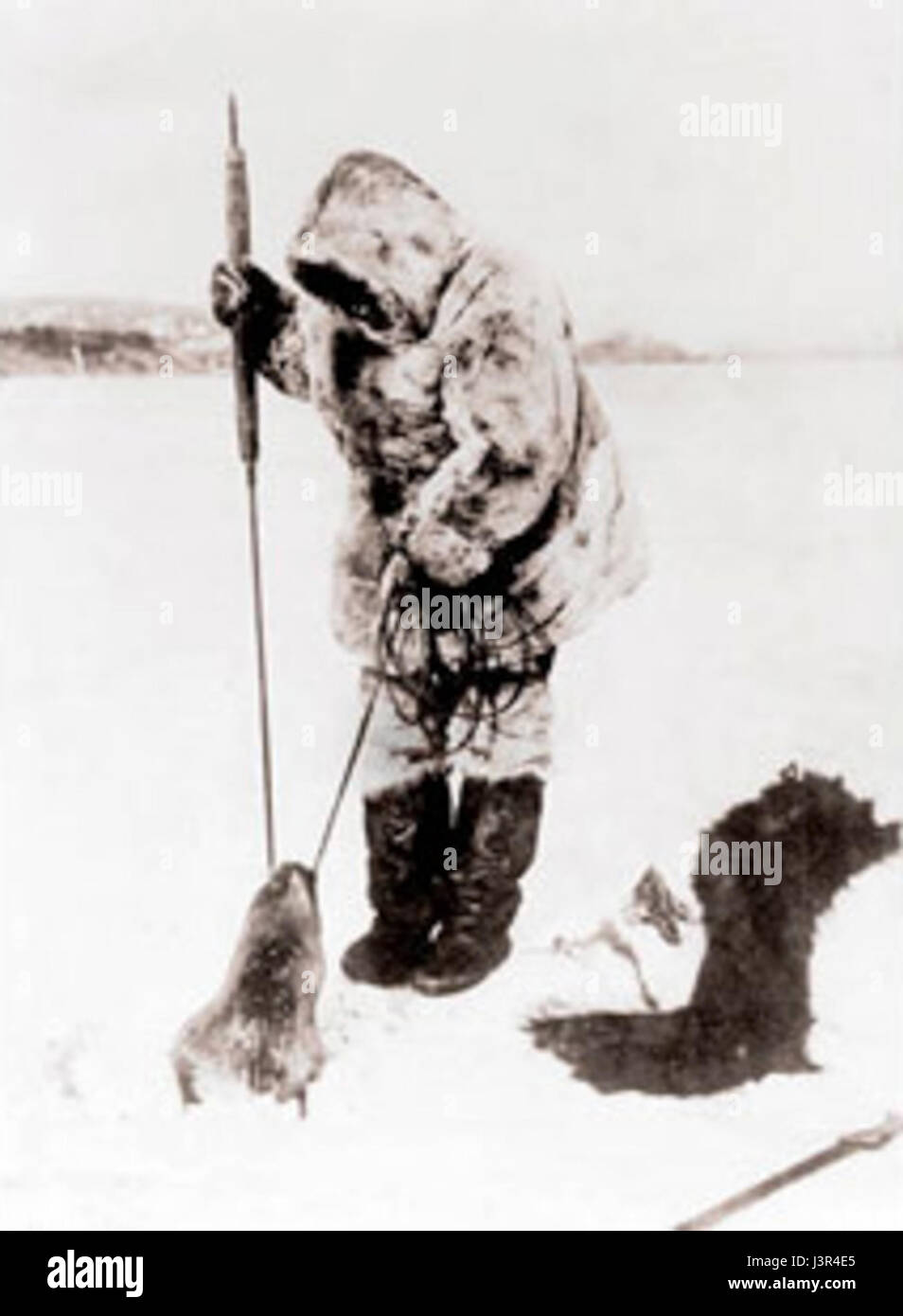

For millennia, the Inuit people have thrived in the challenging environment of the Arctic, a testament to their profound connection with the land and sea. Central to their survival and cultural identity is the practice of marine mammal hunting. Far from a mere subsistence activity, it is a complex, deeply spiritual, and essential component of Inuit life, shaping their history, traditions, and future.
This article aims to provide a comprehensive and informative overview of Inuit marine mammal hunting, addressing its historical roots, cultural significance, modern practices, and the ongoing dialogue surrounding sustainability and conservation. We will explore the nuances often misunderstood by those outside the Arctic, highlighting the intricate balance between tradition and contemporary challenges.
The Historical Tapestry: Survival in the Arctic
The Arctic’s harsh climate means that agriculture is impossible, making marine resources indispensable for survival. For thousands of years, Inuit ancestors developed sophisticated hunting techniques and tools to harvest seals, whales, and walruses, providing food, clothing, shelter, and fuel. This deep historical reliance forged an unbreakable bond between the Inuit and the marine ecosystem.
Early Inuit communities perfected the use of kayaks (qajaq), umiaks, and sophisticated harpoons, allowing them to navigate icy waters and successfully hunt large marine mammals. These innovations were not just technological feats; they represented a profound understanding of animal behavior, ice conditions, and ocean currents.
Cultural Significance: More Than Just Food


Marine mammal hunting is inextricably linked to Inuit culture and identity. It is a cornerstone of their oral traditions, art, language, and social structures. The sharing of ‘country food’ (Nunaqpaq) from a successful hunt reinforces community bonds and ensures food security for everyone, especially elders and those who cannot hunt.
The act of hunting itself is a powerful cultural practice, transmitting traditional ecological knowledge (TEK) from one generation to the next. Young hunters learn respect for the animals, the environment, and the intricate skills required for safe and successful harvesting. This intergenerational learning is vital for cultural continuity.
Beyond sustenance, the parts of marine mammals have historically provided materials for tools, clothing, shelter, and art. Seal skins offer warmth and durability, whalebone is used for carvings, and blubber provides essential fats and fuel. Every part of the animal is utilized, demonstrating a deep respect and a commitment to minimizing waste.
Key Marine Mammals Hunted by Inuit
The primary marine mammals hunted by Inuit include various species of seals, whales, and walruses, each playing a unique role in their diet and culture.
- Seals: Ringed seals, bearded seals, and harp seals are among the most commonly hunted. They are a crucial source of protein, fat, and vitamins, especially Vitamin C, which is scarce in other Arctic foods. Seal meat, blubber, and organs are highly prized.
- Whales: Narwhals, beluga whales, and bowhead whales are also significant. Narwhal tusks are highly valued, and the ‘muktuk’ (skin and blubber) of beluga and bowhead whales is a nutritional powerhouse, rich in Omega-3 fatty acids.
- Walruses: Walruses provide a substantial amount of meat and blubber, and their ivory tusks are used for carving and tools.
Traditional Hunting Methods and Modern Adaptations
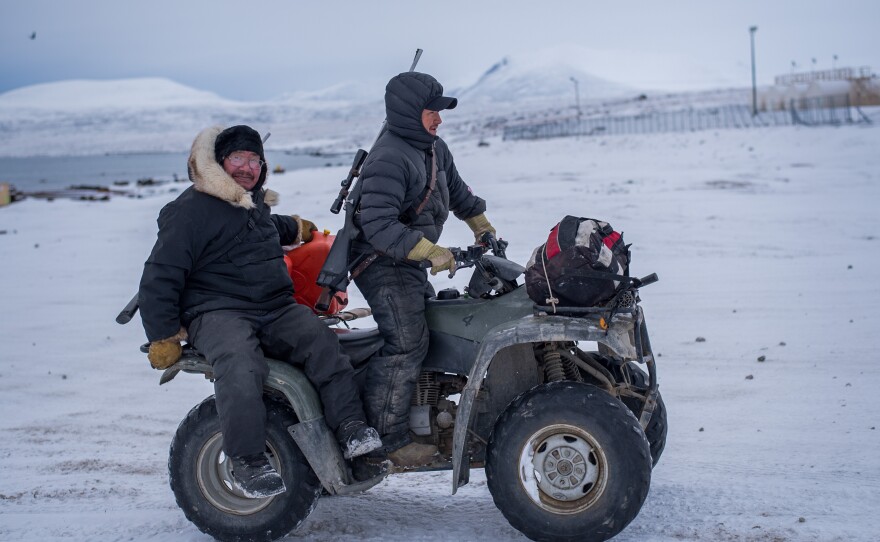
While traditional methods like harpoons, dog sleds, and kayaks are still revered, modern Inuit hunters often integrate contemporary tools to ensure safety, efficiency, and humane harvesting. Snowmobiles, motorboats, high-powered rifles, and GPS devices are now common, allowing hunters to cover vast distances and respond quickly to changing conditions.
Despite these adaptations, the core principles of Inuit hunting remain unchanged: respect for the animal, careful stewardship of resources, and the prioritization of community well-being. The skill and knowledge required to navigate the Arctic environment and successfully hunt marine mammals remain paramount.

Sustainability and Traditional Ecological Knowledge (TEK)
Inuit hunting practices are inherently sustainable, guided by generations of observation and a deep understanding of marine ecosystems. Traditional ecological knowledge (TEK) emphasizes harvesting only what is needed, respecting animal populations, and observing cycles and patterns in the environment.
Modern wildlife management in the Arctic often incorporates TEK alongside scientific research. Co-management boards, involving Inuit and government representatives, play a crucial role in setting quotas and ensuring the long-term health of marine mammal populations. This collaborative approach recognizes Inuit as stewards of their lands and waters.
It is important to distinguish Inuit subsistence hunting from large-scale commercial hunting. Inuit hunting is primarily for food and cultural purposes within their communities, with strict regulations and quotas, contrasting sharply with historical commercial exploitation that led to population declines.
Economic and Nutritional Importance: Food Security in the North
In a region where imported food is exorbitantly expensive and often lacks nutritional quality, country food from marine mammals provides essential food security. It is a vital source of protein, healthy fats, and micronutrients that are difficult to obtain otherwise.
The nutritional benefits of traditional Inuit diet, rich in marine mammal products, are well-documented. It provides essential omega-3 fatty acids, vitamins (like D and A), and minerals crucial for health in the Arctic climate. This diet has been linked to lower rates of certain chronic diseases among Inuit.
While primarily for subsistence, some harvested materials, like seal pelts or carved ivory, may be used for income generation, supporting local economies and providing opportunities for artisans. This small-scale trade is carefully regulated and contributes to the economic well-being of families.
Addressing Misconceptions: Is Inuit Hunting Cruel?
One of the most persistent misconceptions surrounding Inuit marine mammal hunting is that it is cruel or inhumane. Inuit hunters strive for quick and efficient kills, recognizing that a humane harvest is a sign of respect for the animal. Modern tools like high-powered rifles are employed precisely to ensure rapid and clean kills, minimizing suffering.
Furthermore, the ethical framework of Inuit hunting is rooted in a spiritual connection to the animals, viewing them as gifts that sustain life. This perspective is often overlooked by external critiques that apply Western animal welfare standards without understanding the cultural context.
Challenges Facing Inuit Marine Mammal Hunting Today
Despite its resilience, Inuit marine mammal hunting faces significant challenges in the 21st century. Climate change is perhaps the most pressing, impacting ice stability, migration patterns of marine mammals, and making hunting more unpredictable and dangerous.
Anti-hunting activism, often fueled by misinformation, continues to threaten markets for seal products and creates undue pressure on Inuit communities, impacting their cultural practices and economic opportunities. Educating the public about the realities of subsistence hunting is crucial.
Modernization and social changes also present challenges, as younger generations balance traditional practices with opportunities in a globalized world. Ensuring the continuity of traditional knowledge and skills remains a priority for Inuit leaders.
Legal Frameworks and Indigenous Rights
Inuit marine mammal hunting is protected under various legal frameworks, including Indigenous and treaty rights in Canada, Greenland, and the United States (Alaska). These rights affirm the ability of Inuit to harvest marine mammals for subsistence, cultural, and economic purposes.
International agreements, such as the Convention on International Trade in Endangered Species of Wild Fauna and Flora (CITES), often include exemptions for Indigenous subsistence hunting, recognizing its critical role in the lives of Arctic peoples and its inherent sustainability.
Conclusion: A Vital Practice for the Future of the Arctic
Inuit marine mammal hunting is far more than a simple act of acquiring food; it is a profound expression of culture, identity, and survival in the Arctic. Rooted in millennia of traditional ecological knowledge and sustainable practices, it continues to provide essential sustenance, economic support, and cultural continuity for Inuit communities.
While facing modern challenges like climate change and external misunderstandings, Inuit hunters remain dedicated stewards of their environment, adapting to new realities while preserving the core values of respect and reciprocity. Understanding and supporting Inuit marine mammal hunting is crucial for appreciating the resilience and richness of Arctic cultures and for promoting genuine sustainability in the region.
The future of the Arctic and its Indigenous peoples is intrinsically linked to the health of its marine ecosystems and the continued ability of Inuit to practice their traditional ways of life. Recognizing the value and legitimacy of Inuit marine mammal hunting is a step towards true reconciliation and environmental stewardship.


