

In the vast, unforgiving expanse of the Arctic, where temperatures plummet and survival hinges on ingenuity, the Inuit people have developed an extraordinary array of tools and technologies. Among their most iconic and essential innovations is the kamik, a traditional boot that is far more than just footwear; it is a testament to cultural resilience, masterful craftsmanship, and an intimate understanding of the environment.
Kamiks, pronounced ‘kah-miks,’ are the indigenous boots of the Inuit and other Arctic peoples. Designed to provide unparalleled warmth, waterproof protection, and durability, these boots have been crucial for generations, enabling hunting, travel, and daily life in some of the harshest conditions on Earth.
The story of kamiks is deeply intertwined with the history of the Inuit. For thousands of years, these boots have evolved, adapting to changing environments and available resources. Their design reflects a profound connection to the land and its creatures, utilizing natural materials in the most effective ways possible.
What makes kamiks truly remarkable is their construction. Unlike modern insulated boots, traditional kamiks rely on a combination of natural materials and expert stitching techniques to achieve their superior performance. They are a prime example of sustainable living, using every part of harvested animals.
The primary materials used in kamiks are animal skins, predominantly from seals and caribou. Seal skin is highly prized for its natural waterproof qualities, making it ideal for the outer layer of the boot, especially the soles and lower sections that come into contact with snow and ice.
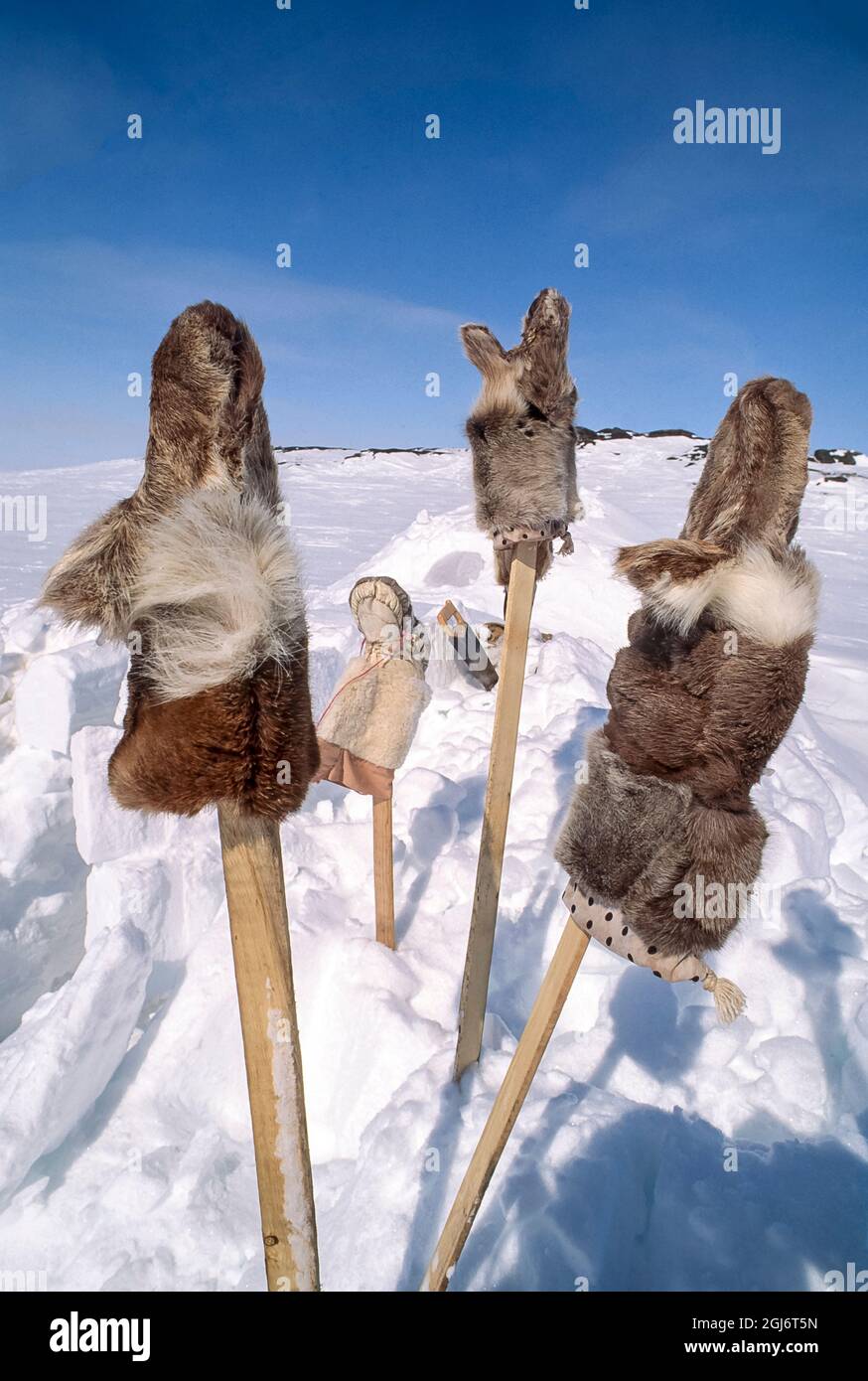
Caribou skin, on the other hand, is excellent for insulation. Its hollow hairs trap air, providing exceptional warmth without excessive weight. It is often used for the upper parts of the boot or as liners.
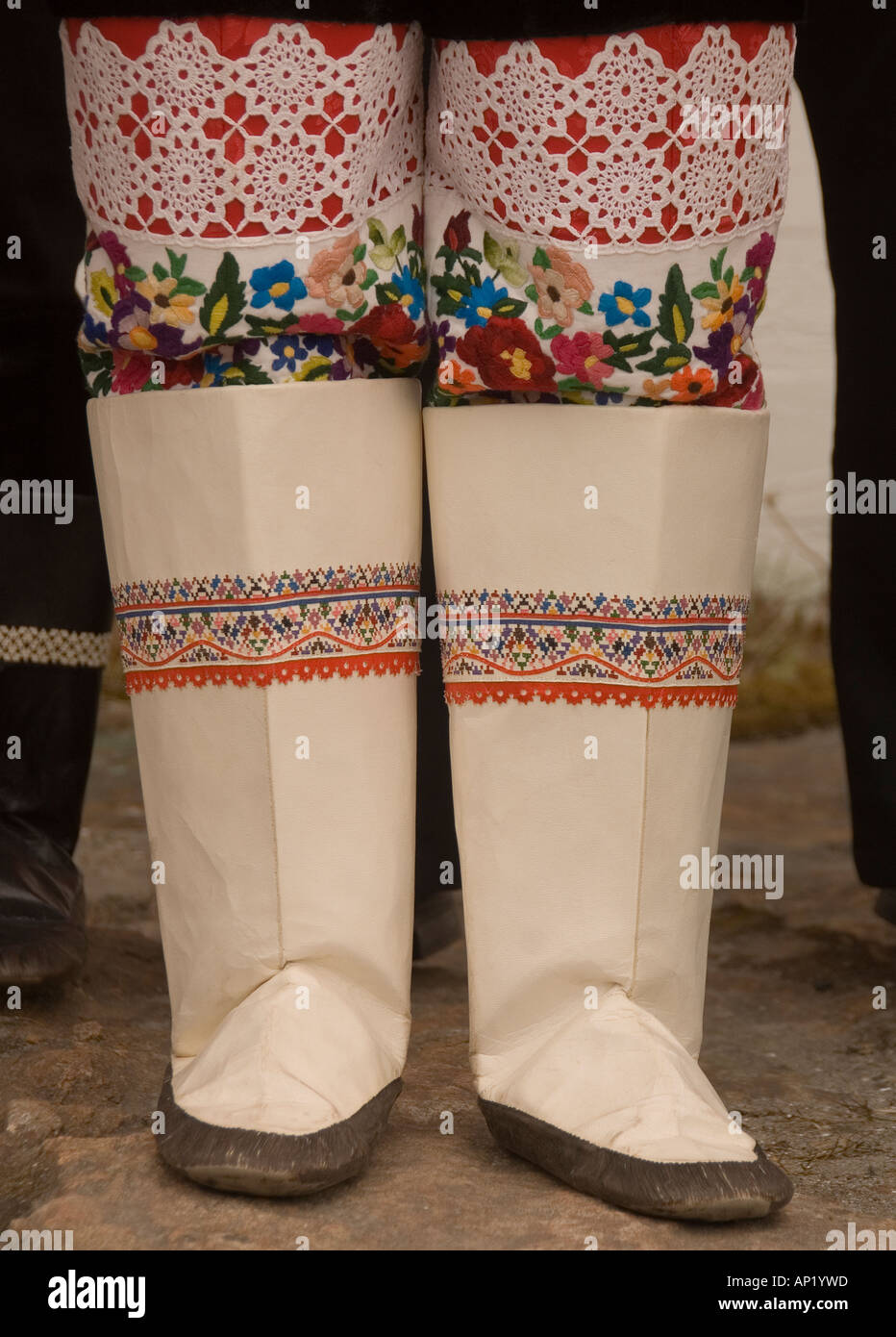

Other materials might include polar bear fur for extreme warmth, dog skin, or even bird skins for specialized purposes. The choice of material often depends on the specific region, the season, and the intended use of the kamiks.
Beyond the skins themselves, other natural elements play critical roles. Sinew, tough fibrous tissue from animals, is traditionally used as thread. When wet, sinew swells, effectively sealing needle holes and contributing to the boots’ waterproof integrity. This natural sealant is a hallmark of authentic kamik construction.
The craftsmanship involved in making kamiks is an art form passed down through generations, typically from mother to daughter. Each pair is meticulously handcrafted, reflecting immense skill and patience. The process begins with careful preparation of the skins.
Skins must be cleaned, stretched, and often chewed or worked by hand to soften them. This process, known as ‘tanning’ in a traditional sense, ensures the leather is pliable and durable enough for stitching. The traditional method does not involve chemical tanning, relying instead on natural fats and manual manipulation.
Patterns are then cut from the prepared skins, often without formal templates but guided by years of experience and an innate understanding of how the material will behave. The pieces are then carefully stitched together.
The stitching technique is paramount for waterproofing. Inuit seamstresses use a ‘running stitch’ or ‘double stitch’ that goes only halfway through the skin, preventing water from penetrating to the inside. When the sinew swells, it creates a virtually impenetrable barrier.
Kamiks come in various styles, each adapted for specific conditions or purposes. Some are tall, reaching above the knee, providing maximum protection against deep snow and cold. Others are shorter, designed for easier movement or warmer conditions.
For winter, kamiks are often lined with thick layers of caribou fur or grass, providing additional insulation. Summer kamiks might be lighter, focusing more on waterproof protection against wet tundra.
The soles of kamiks are particularly interesting. They are often made from multiple layers of softened seal skin, providing cushioning, insulation, and excellent grip on ice and snow. The layered design also contributes to their longevity.

The cultural significance of kamiks extends far beyond their practical utility. They are a symbol of Inuit identity, heritage, and connection to the land. Owning a well-made pair of kamiks signifies a strong link to traditional ways of life.
Kamiks are also considered a form of wearable art. Many pairs feature intricate decorative elements, such as colorful embroidery, contrasting fur trims, or unique patterns sewn into the skin. These embellishments often carry symbolic meanings or signify family lineage.
In modern times, kamiks continue to be worn, particularly by hunters, elders, and those participating in cultural events. While some contemporary materials might be incorporated, the core principles of design and craftsmanship remain true to tradition.
The question often arises: Are kamiks waterproof? Yes, traditional kamiks are remarkably waterproof, especially those made with seal skin and stitched with sinew. The natural oils in the seal skin and the swelling action of the sinew create an effective barrier against moisture, making them ideal for slushy conditions and wet snow.
Another common query is, how are kamiks different from mukluks? While both are traditional Arctic footwear, kamiks are generally designed for outdoor, wet, and extreme cold conditions, often prioritizing waterproofing and durability. Mukluks, while also warm, are typically softer, more flexible, and often made with fur on the outside, making them more suited for dry cold or indoor use. Think of kamiks as robust outdoor boots and mukluks as incredibly warm, comfortable slippers or indoor/dry-weather boots.
Who wears kamiks? Primarily, the Inuit people and other indigenous groups of the Arctic wear kamiks. They are essential for anyone spending extended periods outdoors in the Arctic environment, including hunters, trappers, and those involved in traditional activities. They are also worn during cultural celebrations and ceremonies.
Can you buy authentic kamiks? Yes, it is possible to purchase authentic, handcrafted kamiks directly from Inuit artisans or through cultural organizations. Buying directly supports the continuation of this vital cultural practice and provides economic opportunities for Northern communities. Be mindful of ethical sourcing and authenticity when purchasing.
Caring for kamiks requires specific attention to maintain their integrity. They should be allowed to dry thoroughly between uses, ideally stuffed with newspaper or grass to absorb moisture. Regular application of natural seal fat or other traditional waterproofing agents can help maintain their flexibility and water resistance.
Avoid direct heat for drying, as this can stiffen or crack the skins. Proper care ensures kamiks can last for many years, a testament to their durable construction.
The ingenuity behind kamiks is a powerful lesson in sustainable design and living in harmony with nature. Every aspect of their creation, from material selection to stitching, is optimized for survival and comfort in the Arctic.
In an era dominated by mass-produced footwear, the kamik stands out as a symbol of bespoke craftsmanship and cultural heritage. Each pair tells a story of the land, the animals, and the hands that brought them to life.
The continued practice of kamik making is vital for cultural preservation. It ensures that traditional knowledge, skills, and stories are passed down, connecting younger generations to their ancestors and their unique heritage.
Furthermore, the principles of kamik design offer valuable insights for modern outdoor gear manufacturers, particularly in the realm of natural insulation and waterproof breathable materials. The Arctic has always been a laboratory for survival technology.
The comfort provided by kamiks is legendary. Their ability to keep feet warm and dry, even in conditions that would overwhelm most modern boots, is a key reason for their enduring popularity among those who live and work in the North.
The materials used are not just functional; they are imbued with respect for the animals from which they came. The Inuit worldview emphasizes a reciprocal relationship with nature, where resources are utilized responsibly and respectfully.
From the intricate patterns on the soles that provide traction on ice, to the carefully chosen layers of fur for optimal insulation, every detail of a kamik is thoughtfully designed for peak performance.
Whether traversing icy plains or navigating slushy coastlines, kamiks offer unparalleled protection. Their adaptability to various conditions, depending on the specific materials and design, highlights the depth of Inuit ecological knowledge.
The simple yet sophisticated design of kamiks proves that sometimes the most effective solutions are those honed over millennia through observation, experimentation, and deep ancestral knowledge.
In conclusion, Inuit kamiks are more than just traditional footwear; they are a profound cultural artifact, a marvel of indigenous engineering, and a testament to human resilience. Their ability to provide warmth, waterproof protection, and comfort in the most extreme environments speaks volumes about the ingenuity of the Inuit people.
From their meticulously prepared animal skins and sinew stitching to their varied designs for different purposes, kamiks embody a deep understanding of the Arctic environment. They represent a living heritage, continuously crafted and worn, connecting past, present, and future generations.
As we appreciate the beauty and functionality of kamiks, we also acknowledge the rich cultural tapestry they represent. They are a powerful reminder of how traditional knowledge offers sustainable and effective solutions for navigating our world.


.jpeg?w=200&resize=200,135&ssl=1 "Jobs Available On Indian Reservations")

