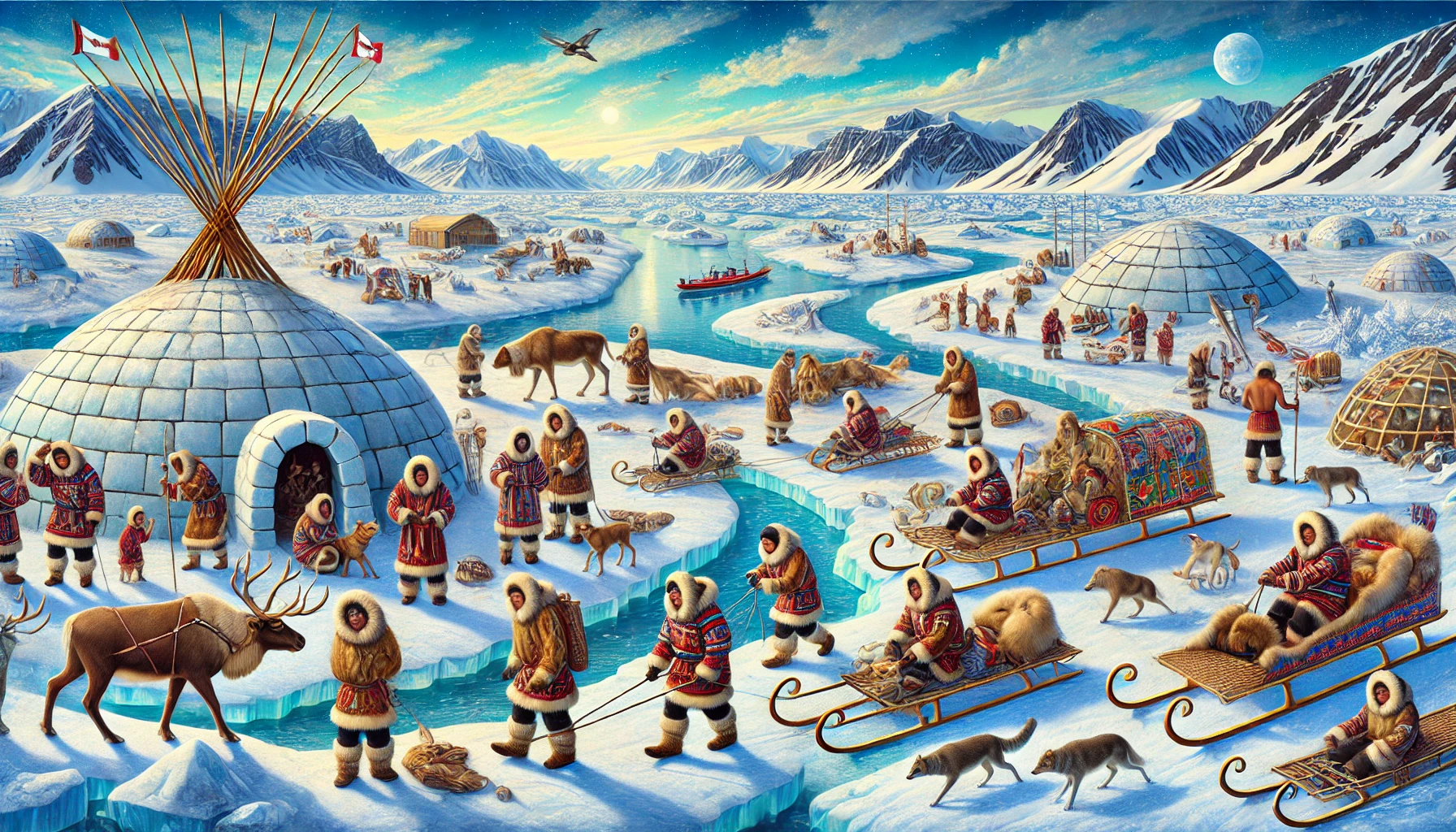
The Arctic, a landscape of breathtaking beauty and formidable challenges, has been home to the Inuit people for millennia. Their heritage is a testament to human ingenuity, resilience, and a profound connection to the natural world. Far more than just a survival story, the Inuit narrative is rich with cultural depth, intricate social structures, and an enduring spirit that continues to thrive against all odds.
This comprehensive article delves into the multifaceted world of Inuit indigenous heritage, exploring their ancient origins, traditional ways of life, vibrant cultural expressions, and the significant impact of both historical and contemporary forces. We aim to provide an informative and respectful overview, shedding light on the contributions and ongoing journey of the Inuit.
The Ancient Roots of the Inuit
The term ‘Inuit’ refers to a group of culturally similar indigenous peoples inhabiting the Arctic regions of Greenland, Canada, and the United States (Alaska), and to a lesser extent, Siberia. Their ancestors, the Thule people, migrated eastward across the Arctic from Alaska, reaching Greenland around 1000 CE. This migration marked the displacement of the earlier Dorset culture, demonstrating the Thule’s superior hunting technologies and adaptability.
For thousands of years, these Arctic indigenous people have navigated some of the planet’s harshest environments. Their history is one of continuous innovation, adapting tools, shelter, and social structures to not just survive, but flourish in a world of ice, snow, and extreme cold.
Traditional Ways of Life: Masters of the Arctic
Inuit traditional life was intricately tied to the rhythms of the land and sea. Their survival hinged on expert hunting and fishing skills, which provided sustenance, clothing, and materials for tools and shelter. Key to their diet were marine mammals such as seals, whales (especially bowhead and beluga), and walruses, alongside caribou and various fish species.
Hunting was not merely a means of survival; it was a highly skilled practice imbued with spiritual significance and respect for the hunted animals. Traditional hunting methods involved specialized harpoons, lances, and nets, often requiring immense patience and understanding of animal behavior.
Shelter varied with the seasons and activities. The iconic igloo (snow house) was a temporary winter dwelling, remarkably effective at insulating against the bitter cold. Permanent settlements often featured semi-subterranean sod and stone houses, designed to withstand harsh Arctic winds and provide warmth.
Clothing was meticulously crafted from animal skins, primarily caribou and seal, providing unparalleled insulation. The renowned parka, often layered and featuring a fur-lined hood, is a testament to Inuit design ingenuity, keeping wearers warm even in sub-zero temperatures. The amauti, a special parka designed for mothers to carry infants, highlights their communal and familial values.
Transportation was equally sophisticated. The kayak (qajaq), a single-person hunting boat, and the umiak (umiaq), a larger open boat used for transportation and whaling, were essential for navigating coastal waters. On land, dog sleds (qamutiik) pulled by teams of highly trained dogs provided efficient travel across vast snowy expanses.
Culture and Spirituality: A Rich Tapestry
Inuit culture is rich with oral traditions, storytelling, and a deep spiritual connection to the environment. Myths and legends often feature animal spirits, powerful natural forces, and moral lessons passed down through generations. Storytelling remains a vital part of cultural transmission.
Traditional Inuit spiritual beliefs are often described as animistic, meaning they believe that spirits inhabit all living things and natural phenomena. Shamans (angakkuq) played a crucial role, acting as intermediaries between the human and spirit worlds, providing healing, guidance, and foresight.
Inuit art is globally recognized for its unique beauty and expressive power. Soapstone carvings, depicting animals, human figures, and mythological creatures, are among the most famous forms. Other art forms include bone and ivory carvings, prints (especially from Kinngait, formerly Cape Dorset), textiles, and intricate beadwork. These artistic expressions often convey stories, beliefs, and observations of daily life.
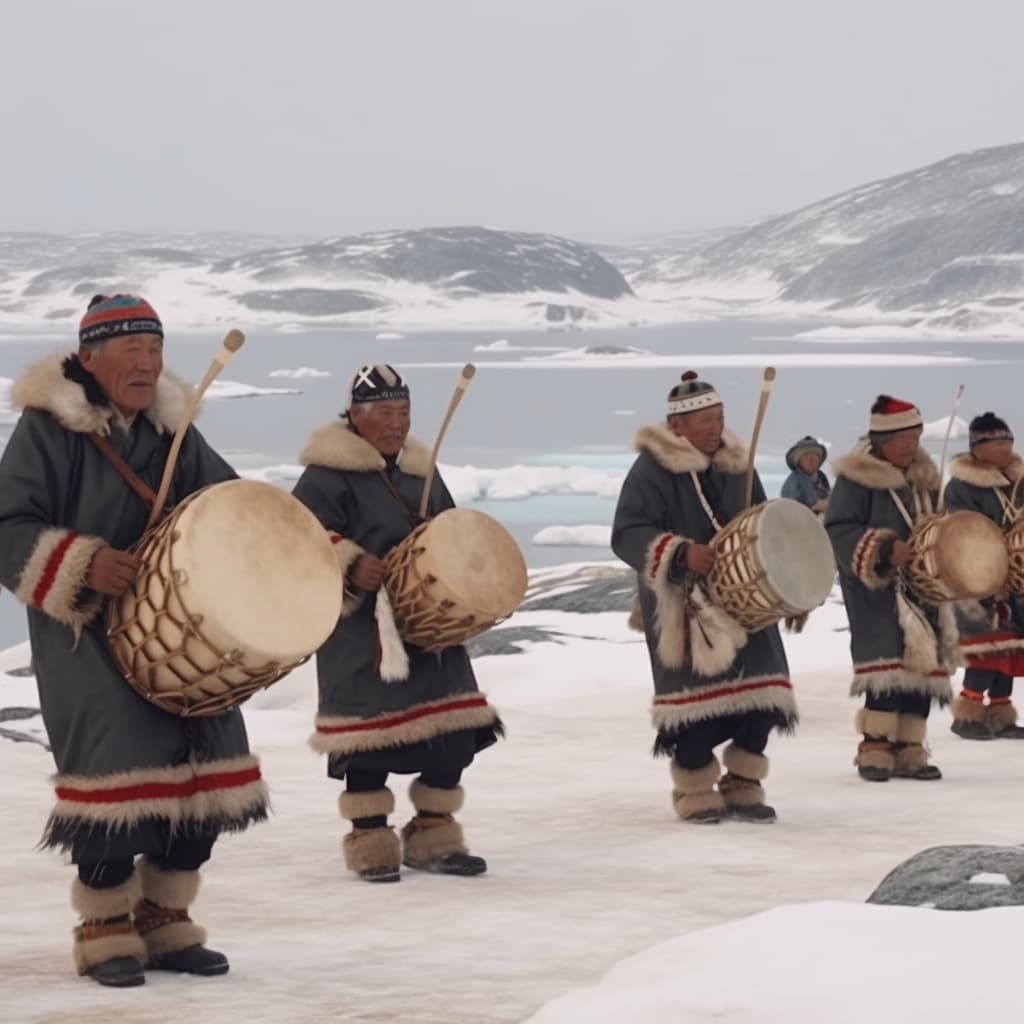
Music and dance are integral to Inuit cultural expression. Inuit throat singing (katajjaq) is a captivating traditional vocal art performed by two women, often mimicking natural sounds like wind, water, and animal calls. Drum dancing, often accompanied by large hand drums, is another significant form of cultural celebration and storytelling.
The Inuktitut Language: A Pillar of Identity
The Inuktitut language is a defining feature of Inuit identity. It is a polysynthetic language, meaning words are formed by adding multiple suffixes to a root word, creating highly complex and descriptive terms. There are various dialects across the Arctic, reflecting regional differences and adaptations.
Efforts to preserve and revitalize Inuktitut are ongoing and vital. It is an official language in Nunavut, Canada, where it is used in government, education, and media. The continued use and teaching of Inuktitut are crucial for maintaining cultural continuity and strengthening community bonds.
Social Structure and Community
Inuit society traditionally emphasized communal living, cooperation, and respect for elders. Family units were the cornerstone, extending to larger kinship networks. Decision-making often involved consensus, with elders providing wisdom and guidance. The sharing of resources, especially hunted food, was fundamental to survival and social cohesion.
Modern Challenges and Enduring Resilience
The Inuit people have faced significant challenges, particularly stemming from colonialism. Policies such as forced relocation, residential schools, and the imposition of foreign governance structures severely disrupted traditional ways of life, leading to intergenerational trauma and socio-economic disparities.
Today, climate change poses an existential threat to Inuit communities. The rapid warming of the Arctic directly impacts traditional hunting routes, ice conditions, and animal populations, jeopardizing food security and cultural practices that depend on a stable Arctic environment.
Despite these challenges, Inuit resilience is remarkable. The establishment of Nunavut in 1999, a self-governing territory in Canada where Inuit form the majority of the population, stands as a monumental achievement in self-determination and indigenous rights. It represents a significant step towards reclaiming cultural and political autonomy.
Cultural revitalization efforts are strong, with communities actively working to preserve language, traditional skills, and artistic practices. Youth engagement is key, ensuring that the wisdom of elders is passed on, and modern expressions of Inuit identity continue to evolve.
What is Inuit culture known for?
Inuit culture is renowned for its extraordinary adaptation to the Arctic environment, its unique art forms like soapstone carvings and prints, the distinctive vocal art of throat singing, and its profound spiritual connection to nature. Their resilience, strong community bonds, and rich oral traditions are also defining characteristics.
Are Inuit Native American?
While Inuit are indigenous peoples of North America, they are culturally and linguistically distinct from what are typically referred to as ‘Native American’ or ‘First Nations’ peoples in the more southern regions. They represent a unique and separate group within the broader spectrum of indigenous North American populations.
What do the Inuit believe in?
Where do the Inuit live?
The Inuit inhabit the Arctic regions of Greenland, Canada (primarily Nunavut, Nunavik in Quebec, Nunatsiavut in Labrador, and the Inuvialuit Settlement Region in the Northwest Territories), Alaska (where they are often called Alaska Natives or Eskimo), and parts of Siberia (Chukotka Peninsula).
Conclusion: A Living Heritage
The heritage of the Inuit people is a vibrant, living tapestry woven from millennia of adaptation, ingenuity, and a profound respect for their Arctic homeland. From their sophisticated traditional practices and unique artistic expressions to their enduring language and spiritual beliefs, Inuit culture offers invaluable lessons in resilience and interconnectedness.
As they navigate the complexities of the modern world, facing challenges like climate change and the lingering impacts of colonialism, the Inuit continue to assert their identity, strengthen their communities, and share their rich legacy with the world. Their story is not just one of the past, but a dynamic and evolving narrative of a people deeply rooted in their heritage, yet always looking towards a self-determined future.


