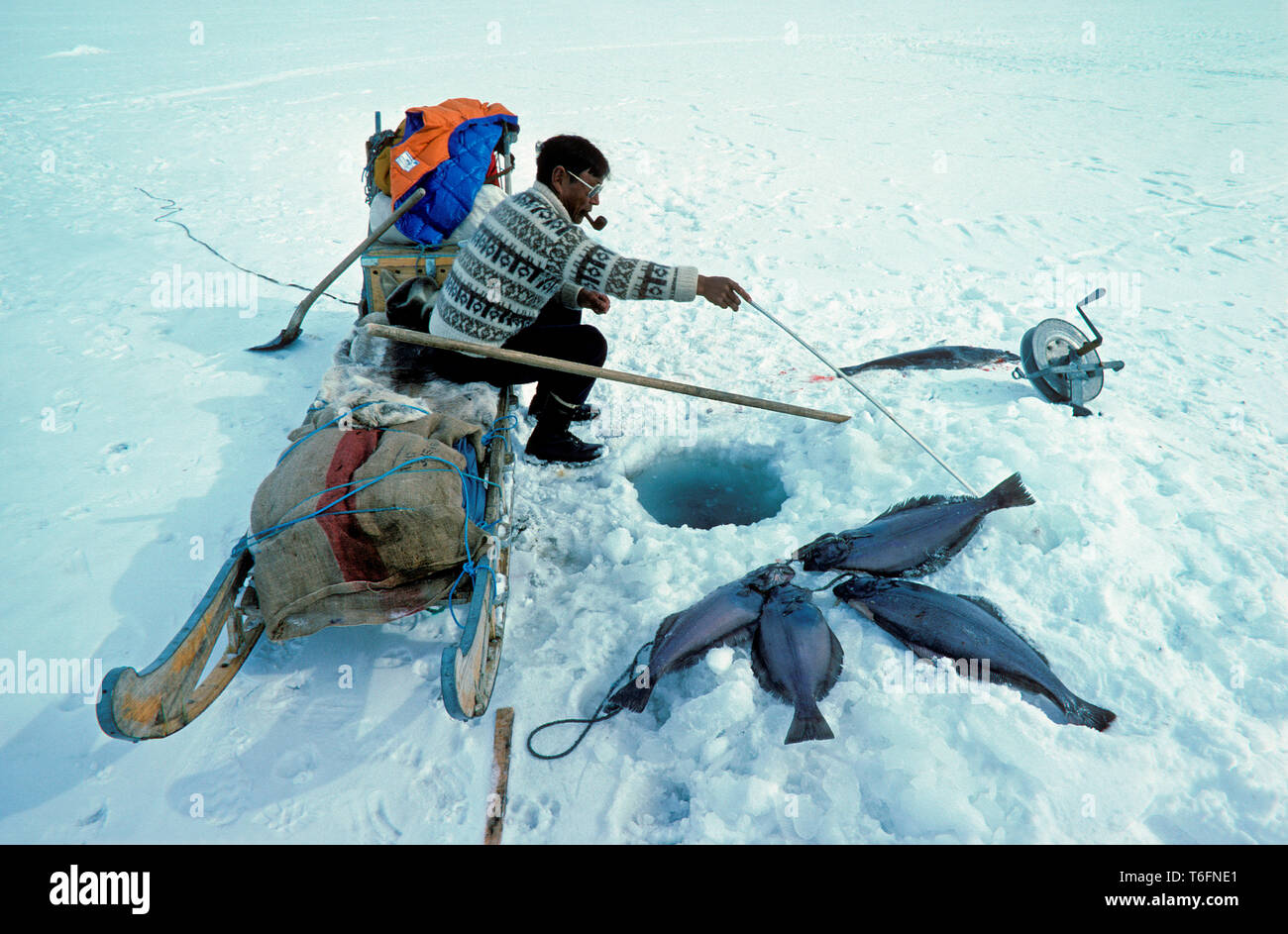
The vast, frozen expanse of the Arctic might seem an inhospitable wasteland to many, but for the Inuit, it is a homeland rich with resources, sustained by generations of profound ecological understanding. Among their most critical survival skills is ice fishing, a practice honed over millennia that showcases ingenuity, resilience, and an intimate connection with the environment.
Inuit ice fishing is more than just a method of catching fish; it is a cultural cornerstone, a means of sustenance, and a testament to the enduring human spirit in one of the world’s harshest climates. This article will explore the intricate world of Inuit ice fishing, from ancient traditions to its modern-day relevance, providing insights into the techniques, tools, and profound knowledge that make it possible.
The Harsh Arctic Environment: A Unique Challenge
The Arctic presents unparalleled challenges for survival. Temperatures plummet far below freezing, ice sheets can be many feet thick, and daylight hours vary dramatically. Yet, beneath this frozen surface lies a vibrant aquatic ecosystem, teeming with fish that are a crucial food source for Inuit communities. Accessing these fish requires specialized knowledge and techniques.
Understanding the dynamics of ice formation, snow cover, and sub-surface currents is paramount. Inuit elders possess an encyclopedic knowledge of their local environment, passed down through oral tradition, allowing them to identify safe ice and productive fishing grounds even in seemingly uniform landscapes.
Traditional Tools and Ingenuity
For centuries, Inuit ice fishing relied on tools crafted from natural materials readily available in their environment. These tools were not merely functional; they were often works of art, reflecting the deep respect the Inuit held for the land and its resources.
Tikutik: The Ice Chisel. One of the most iconic traditional tools is the tikutik, a heavy, chisel-like tool made from caribou antler or sometimes even whalebone, affixed to a sturdy wooden handle. This was used to chip away at the formidable ice, slowly creating a fishing hole. The effort required was immense, a true test of strength and perseverance.
Nets and Spears. Before the widespread use of hooks and lines, Inuit often employed spears (kakivak) or ingenious nets made from sinew or baleen to catch fish once a hole was made. The kakivak, with its central prong and two outer barbed prongs, was highly effective for spearing fish attracted to the light from the hole.
Lures and Baits. Traditional lures were often simple yet effective, carved from bone or ivory, designed to mimic small fish or crustaceans. These lures were often jigged manually, a technique that remains highly effective today. Natural baits, such as pieces of seal blubber or fish entrails, were also used to entice fish.
Modern Adaptations and Tools
While traditional methods are still revered and practiced, modern technology has introduced efficiencies. Steel chisels and gas-powered or electric augers have significantly reduced the labor involved in drilling holes. Synthetic lines and factory-made hooks are now common, alongside more advanced sonar devices to locate fish.
However, the fundamental principles of Inuit ice fishing – understanding fish behavior, ice conditions, and patience – remain unchanged, underscoring that technology merely enhances, rather than replaces, indigenous knowledge.
Locating the Perfect Fishing Spot: Beyond Just Ice
- Topographical Knowledge: They know the underwater terrain, identifying depressions, humps, and channels where fish are likely to congregate or travel.
- Currents and Water Flow: Understanding how water moves beneath the ice can indicate areas where food sources accumulate, attracting fish.
- Snow Cover: The distribution of snow can sometimes indicate ice thickness or underlying features. Less snow might mean thinner, newer ice, or areas swept by wind.
- Observation: Subtle clues, like bubbles in the ice or changes in snow texture, can offer hints about what lies beneath.

The Art of Drilling the Hole and Maintaining It
Once a spot is chosen, the process of creating the fishing hole begins. Traditional holes were often oblong or rectangular, allowing for easier spearing or netting. With chisels, this was a laborious task, sometimes taking hours for a single hole, especially in thick ice.
Modern augers make quick work of drilling circular holes. Regardless of the tool, the goal is to create a hole wide enough to pull fish through but not so wide as to compromise ice safety. Keeping the hole clear of slush and refreezing ice is an ongoing task, often done with a slotted ladle or skimmer.
Effective Fishing Techniques: Patience and Precision
Inuit ice fishing often involves a combination of active jigging and passive lines. Jigging involves rhythmically raising and lowering a lure or bait to attract fish. This motion mimics injured prey or creates vibrations that draw attention in the often murky underwater environment.
Passive lines, sometimes set with a simple indicator, allow fishers to tend multiple holes or focus on other tasks. The choice of technique often depends on the target species, time of day, and specific conditions. Many Inuit fishers prefer to fish directly, observing the hole for any signs of movement.
Target Species: Sustaining Life in the Cold
- Arctic Char (Salvelinus alpinus): A highly prized fish, similar to salmon and trout, known for its rich, flavorful meat. It’s a staple in the Inuit diet.
- Lake Trout (Salvelinus namaycush): Found in larger freshwater lakes, these powerful fish provide substantial sustenance.
- Cod (Gadus morhua): Various species of cod are also caught, especially in coastal areas, contributing significantly to food security.
- Burbot (Lota lota): Also known as ‘freshwater cod,’ this bottom-dwelling fish is often caught in lakes and rivers.
Safety First: Navigating the Frozen World
Ice fishing in the Arctic is inherently risky. Safety is paramount, and Inuit fishers adhere to strict protocols and possess an unparalleled understanding of ice conditions. They never venture onto ice without careful assessment and often travel in groups.
Key safety considerations include checking ice thickness, being aware of pressure ridges, currents, and sudden weather changes. Carrying survival gear, including ropes, picks, and emergency shelters, is standard practice.
The Cultural Significance Today
Despite the advent of modern conveniences, Inuit ice fishing remains a deeply significant cultural practice. It reinforces community bonds, provides opportunities for intergenerational knowledge transfer, and connects individuals to their ancestral heritage. Children learn from a young age, observing and participating in the process.
It’s a practice that emphasizes patience, respect for nature, and the importance of sharing resources within the community. The act of catching fish is not just about food; it’s about continuing a legacy.
People Also Ask: How Do Inuit Find Fish Under Ice?
This is a frequently asked question, and the answer lies in the culmination of all the points discussed: deep knowledge of the local topography, understanding of water currents, observing subtle environmental cues, and an intuitive sense developed over generations. They don’t just guess; they interpret a complex array of natural indicators.
People Also Ask: What Tools Do Inuit Use for Ice Fishing?
Historically, tools included the tikutik (ice chisel) made from antler or bone, kakivak (spear), and lures carved from natural materials. Today, many also incorporate modern tools like steel chisels, gas or electric augers, and synthetic fishing lines, blending tradition with efficiency.
Sustainable Practices and Environmental Stewardship
Inuit ice fishing techniques are inherently sustainable. The emphasis is on catching what is needed for sustenance, without overfishing. This approach reflects a profound respect for the delicate Arctic ecosystem and a long-term perspective on resource management, ensuring that future generations can also rely on these vital food sources.
The knowledge passed down includes not just how to catch fish, but also when and where to fish to minimize impact, ensuring populations remain healthy. This intrinsic environmental stewardship is a hallmark of indigenous practices.
Tips for Modern Ice Fishers Inspired by Inuit Techniques
- Observe Your Environment: Pay attention to subtle clues about ice conditions and fish behavior.
- Understand the Terrain: Learn about the underwater topography of your fishing spot.
- Embrace Patience: Ice fishing often requires sustained effort and quiet observation.
- Prioritize Safety: Never compromise on ice safety protocols.
- Respect the Resource: Practice ethical and sustainable fishing to preserve fish populations.
Conclusion: A Legacy of Resilience and Wisdom
Inuit ice fishing techniques represent far more than just a way to catch fish; they embody a profound connection to the land, an extraordinary level of ingenuity, and a testament to human resilience in the face of extreme challenges. From the meticulous crafting of traditional tools to the nuanced understanding of the Arctic ecosystem, every aspect of this practice is steeped in generations of accumulated wisdom.
As the world grapples with climate change and environmental shifts, the sustainable and deeply respectful approach of Inuit ice fishing offers invaluable lessons. It reminds us that true survival and prosperity come not from conquering nature, but from understanding it, respecting it, and living in harmony with its rhythms. The legacy of Inuit ice fishing continues to inspire, preserving a vital cultural heritage while providing sustenance and community in the heart of the frozen north.
The enduring spirit of the Inuit, reflected in their ice fishing traditions, stands as a powerful example of human adaptation and cultural richness. Their techniques, honed over millennia, continue to provide not just food, but a deep sense of identity and continuity for a people intrinsically linked to the Arctic landscape.


