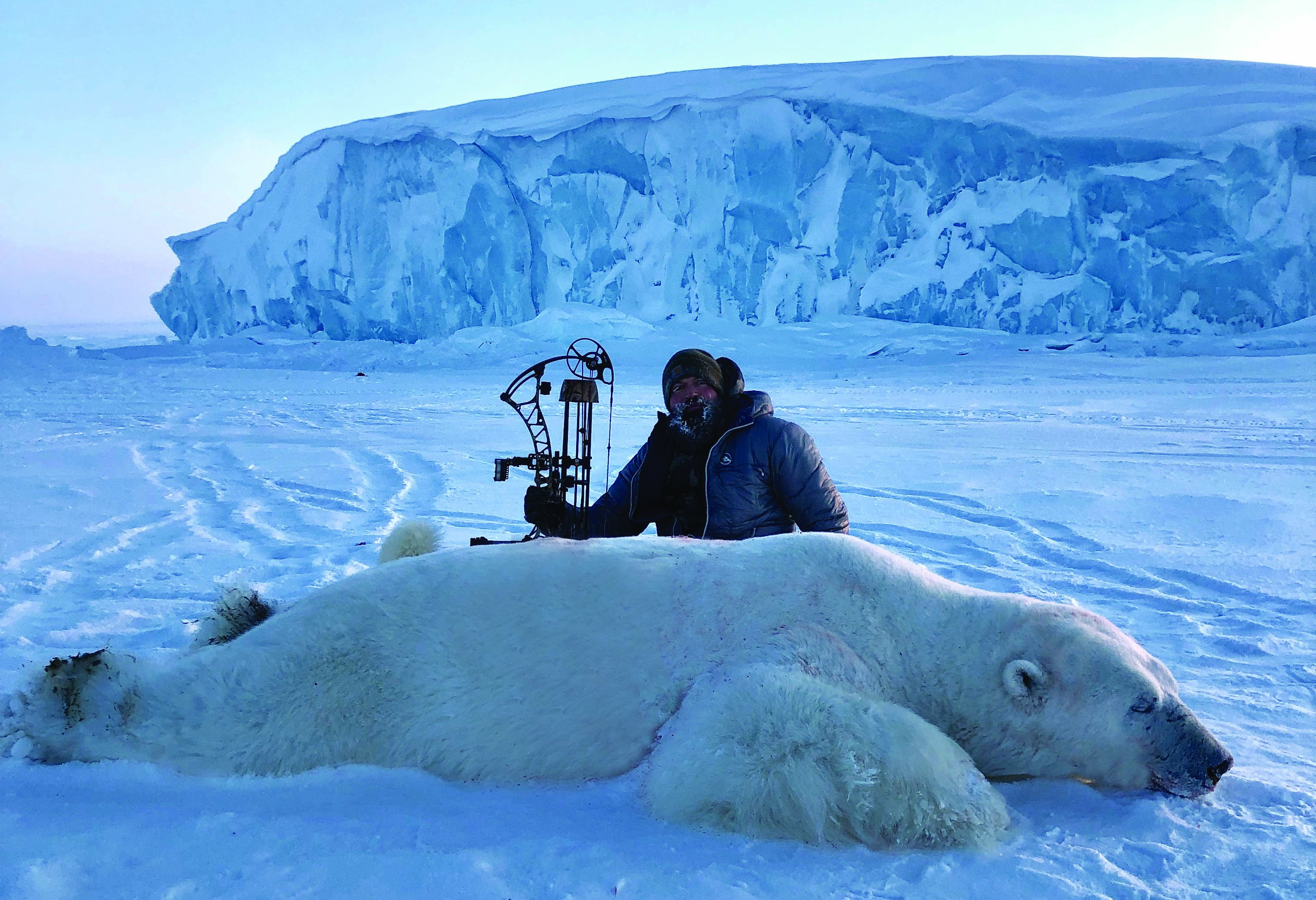

The image of a polar bear evokes a sense of the wild, untamed Arctic, a powerful symbol of nature’s resilience. For the Inuit, the indigenous people of the Arctic, the polar bear – or Nanuk – is far more than a symbol; it is an integral part of their history, culture, and survival. Inuit hunting for polar bears is a practice steeped in millennia of tradition, a delicate balance between sustenance, spiritual connection, and respect for the formidable predator.
This practice, often misunderstood by those outside the Arctic, is a complex tapestry woven with threads of survival, cultural identity, economic necessity, and stringent modern regulations. To truly comprehend Inuit polar bear hunting, one must move beyond simplistic narratives and delve into the nuanced realities of life in one of the world’ harshest environments.
A Heritage Forged in Ice: Historical Context
For thousands of years, the Inuit and their ancestors have lived in the circumpolar Arctic, developing an unparalleled understanding of its ecosystems. Hunting was, and largely remains, the cornerstone of their existence. Every part of an animal was utilized: meat for food, hides for clothing and shelter, bones and sinew for tools and implements. The polar bear, as a top predator, provided essential resources that were critical for survival in a land where conventional agriculture is impossible.
The skills required to hunt Nanuk were passed down through generations, embodying an intricate knowledge of ice conditions, animal behavior, weather patterns, and tracking. It was a testament to human ingenuity and resilience, a dangerous pursuit that demanded courage, patience, and profound respect for the animal.
Cultural Significance: More Than Just a Hunt
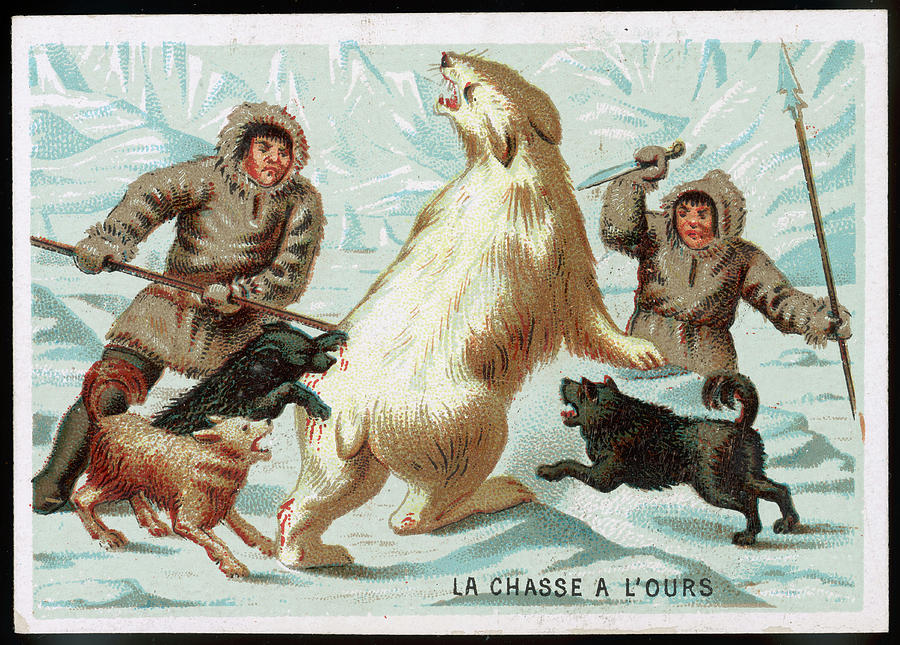

Beyond mere subsistence, polar bear hunting holds profound cultural and spiritual significance for the Inuit. The bear is often seen as a spirit animal, a powerful entity deserving immense respect. Successful hunters gain prestige, and the act of hunting itself reinforces community bonds and the transmission of vital traditional knowledge, known as Inuit Qaujimajatuqangit.
The stories, songs, and carvings related to the polar bear illustrate its central place in Inuit worldview. It represents strength, adaptability, and the enduring connection between the people and their environment. The sharing of the meat, hide, and other products within the community is a fundamental aspect of Inuit social structure, fostering interdependence and mutual support.
Traditional Methods and Modern Adaptations
Historically, Inuit hunters relied on sophisticated tracking skills, sled dogs, and hand-crafted tools such as harpoons and lances. The hunt was often an arduous, multi-day endeavor, requiring immense physical stamina and mental fortitude. Hunters would patiently stalk their prey, often waiting for the opportune moment when a bear was distracted or cornered.
Today, while the core skills of tracking and understanding the land remain paramount, hunting methods have evolved. Snowmobiles and rifles are now commonly used, making the process more efficient and safer. However, these modern tools do not diminish the need for traditional knowledge; understanding ice conditions, navigating treacherous terrain, and reading animal signs are still crucial for a successful and safe hunt.
Regulation and Sustainability: A Strict Framework
One of the most critical aspects of contemporary Inuit polar bear hunting is the robust regulatory framework that governs it. In Canada, where the majority of the world’s polar bears reside, hunting is strictly managed by both federal and territorial governments, in close collaboration with Inuit communities.
- Quota System: Each polar bear population is assessed, and a Total Allowable Harvest (TAH) is set. This TAH is then divided into quotas for specific communities, ensuring that hunting levels are sustainable and do not jeopardize the overall population.
- Licenses and Tags: Hunters must possess a valid license and a specific tag for each polar bear hunted. This ensures accountability and helps monitor the harvest.
- Community-Based Management: Inuit communities play a vital role in managing the hunt, often through local wildlife management boards. Their traditional knowledge is integrated with scientific data to inform management decisions.
- No Commercial Hunting: The vast majority of polar bear hunting by Inuit is for subsistence. While hides and some products can be sold, large-scale commercial hunting is not permitted.
- Guided Hunts: A limited number of non-Inuit hunters can participate in guided hunts, which are highly regulated and provide significant economic benefits to Inuit communities. These hunts operate under the community’s quota.
Conservation Efforts and Population Health


Despite international concerns, scientific evidence, largely supported by data from Canadian wildlife management, indicates that most polar bear populations are stable or increasing, particularly in areas where Inuit hunting occurs. The primary threat to polar bears globally is climate change, which impacts their sea ice habitat, not regulated hunting.
Inuit hunters are often the first to observe changes in polar bear health and behavior, making their traditional knowledge invaluable for conservation. They have a vested interest in healthy bear populations, as their culture and livelihoods are intrinsically linked to the Arctic ecosystem’s well-being.
Economic Impact and Food Security
In remote Arctic communities, economic opportunities are scarce. The sale of polar bear hides, either through traditional means or as part of guided hunts, provides significant income for Inuit families. This income can be crucial for purchasing essential goods, fuel, and equipment, contributing to the economic stability of the community.
Furthermore, polar bear meat is a vital source of protein and nutrients in a region where fresh produce is expensive and often unavailable. This contributes directly to food security, a critical concern in many northern communities.
Addressing Common Misconceptions
- Myth: Inuit hunting is driving polar bears to extinction. Reality: Regulated Inuit hunting is sustainable and accounts for a small percentage of overall polar bear mortality. Climate change is the primary long-term threat.
- Myth: Inuit hunt polar bears for sport. Reality: The vast majority of hunts are for subsistence and cultural purposes. Guided hunts for non-Inuit are highly regulated and contribute to local economies, operating within sustainable quotas.
- Myth: Inuit hunting is cruel and unregulated. Reality: While hunting is never without risk or difficulty, it is conducted with respect for the animal and under strict national and international regulations.
The Role of CITES
The Convention on International Trade in Endangered Species of Wild Fauna and Flora (CITES) plays a role in regulating the international trade of polar bear parts. Polar bears are listed on CITES Appendix II, meaning trade is permitted but controlled to prevent over-exploitation. Canada consistently argues that its polar bear management is robust and sustainable, resisting calls to move polar bears to Appendix I, which would ban all international trade.
This debate highlights the tension between international conservation perspectives and the rights and realities of Indigenous peoples who rely on these resources.
Challenges and the Future
The future of Inuit polar bear hunting faces several challenges. Climate change continues to alter the Arctic landscape, impacting polar bear habitat and hunting conditions. International pressure and misinformation campaigns can also threaten the legitimacy of sustainable Inuit practices.
However, Inuit communities remain resilient, adapting to changes while fiercely advocating for their rights and traditional way of life. They continue to emphasize the importance of their traditional knowledge in wildlife management and the need for a balanced understanding of their relationship with the polar bear.
Conclusion: A Legacy of Coexistence and Respect
Inuit hunting for polar bears is a practice deeply embedded in the cultural fabric and survival strategy of Arctic indigenous communities. Far from being a relic of the past, it is a living tradition that has adapted to modern realities, guided by principles of respect, sustainability, and community well-being.
Understanding this practice requires acknowledging its historical roots, appreciating its cultural significance, recognizing the stringent regulatory frameworks in place, and respecting the invaluable traditional knowledge that underpins it. The Inuit’s relationship with Nanuk is a powerful testament to human resilience and a sustainable coexistence with nature in one of the world’s most challenging environments.
As global discussions around conservation and Indigenous rights continue, the story of Inuit polar bear hunting serves as a crucial reminder of the importance of listening to and learning from those who have lived in harmony with the land for millennia.


