The Arctic, often perceived as a barren expanse, is in fact a vibrant ecosystem teeming with life, much of which has sustained the Inuit people for millennia. Beyond the well-known narratives of hunting marine mammals and caribou, lies a profound and equally vital tradition: the foraging for berries and plants. This practice is not merely about sustenance; it is deeply interwoven with Inuit culture, identity, and their intricate understanding of the land.
Foraging in the Arctic represents a cornerstone of traditional Inuit diet and lifestyle, offering crucial vitamins, minerals, and antioxidants that complement a protein-rich diet. This comprehensive guide will explore the fascinating world of Inuit plant foraging, highlighting key species, traditional practices, nutritional benefits, and the contemporary challenges facing this ancient tradition.
A Legacy of Adaptation: The Cultural Significance of Foraging The ability to thrive in the challenging Arctic environment is a testament to Inuit ingenuity and their profound connection to Nunavut – the land, water, and ice. Foraging for plants and berries is a practice passed down through generations, embodying traditional ecological knowledge (TEK) that has ensured survival and well-being.
This knowledge encompasses understanding seasonal cycles, identifying edible and medicinal plants, and practicing sustainable harvesting methods. The act of foraging itself is a communal activity, fostering intergenerational learning and strengthening social bonds within communities. It is a direct link to their ancestors and a living expression of their cultural heritage.
The Unique Arctic Flora: Adapting to Extremes The Arctic landscape, characterized by permafrost, short growing seasons, and harsh winds, might seem inhospitable to plant life. However, a diverse array of hardy plants has adapted to these conditions, often growing low to the ground to withstand the elements and maximize warmth absorption.
These plants are remarkable for their resilience and often possess concentrated nutritional values due to their slow growth and intense periods of sunlight during the Arctic summer. Understanding these adaptations is key to appreciating the bounty available to Inuit foragers.
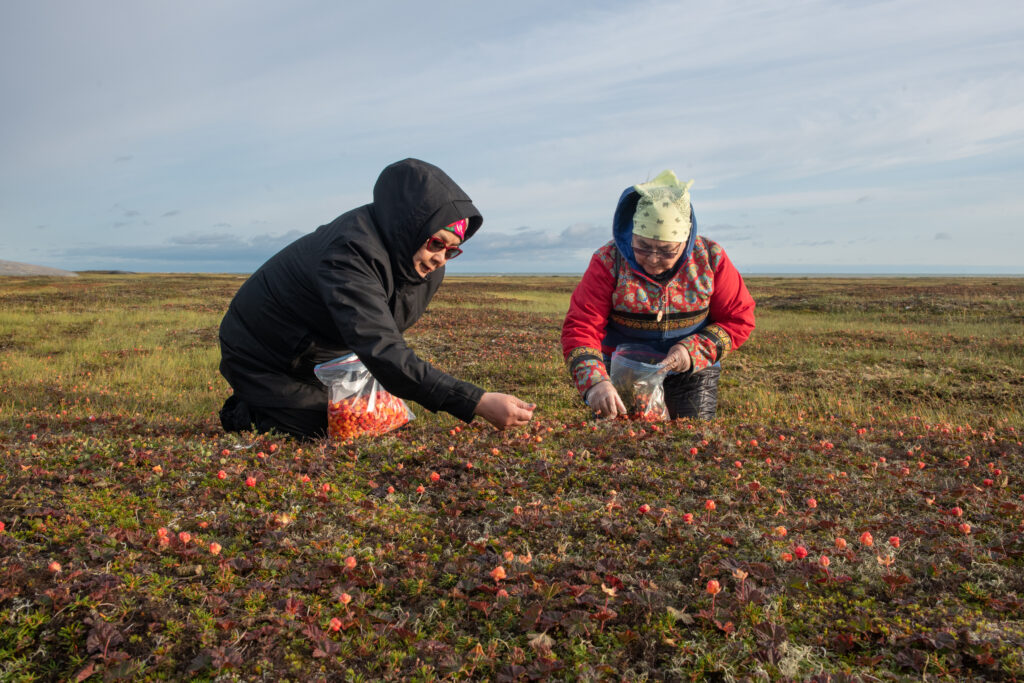
Arctic Berries: Nature’s Sweet Rewards Berries are perhaps the most celebrated and sought-after wild edibles in the Arctic. They are a vital source of vitamins, especially Vitamin C, and powerful antioxidants, crucial for health in a region where fresh produce was historically scarce.
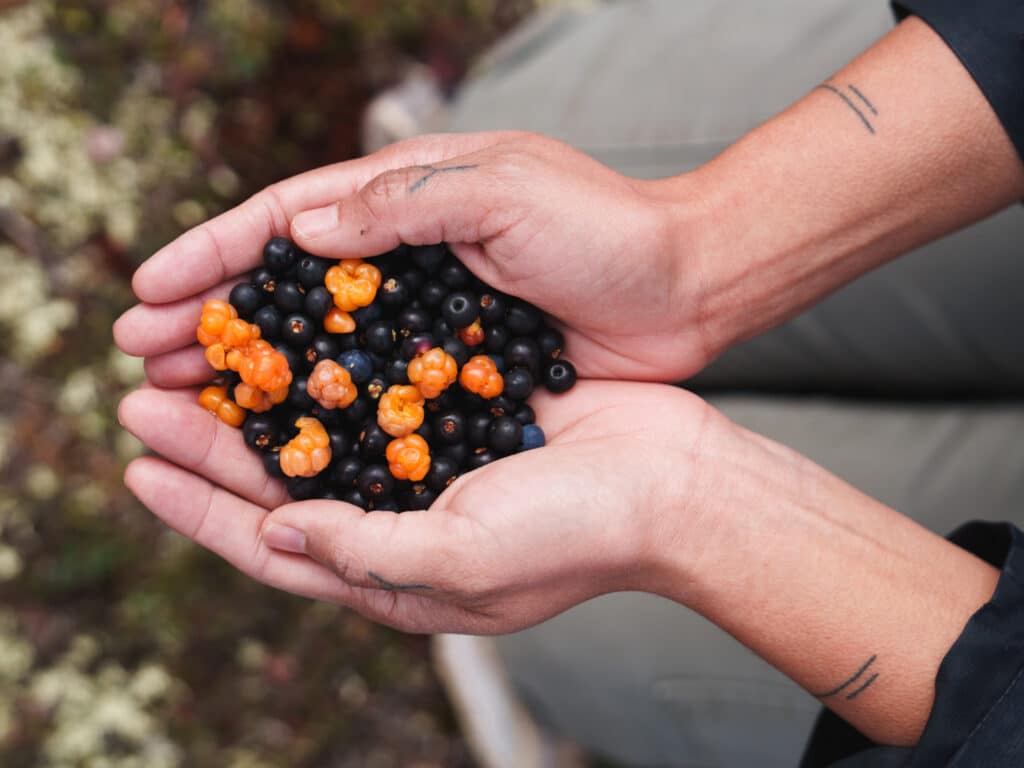
Cloudberries (Aqpiit): Often considered the "gold of the Arctic," cloudberries are highly prized for their unique tart-sweet flavor and exceptionally high vitamin C content. They grow individually on low-lying plants, ripening to an amber-orange color. Foraging for aqpiit is a significant summer activity, often yielding large harvests used fresh or preserved.
Cloudberries are not only delicious but also incredibly nutritious, packed with antioxidants and fiber. They are frequently made into jams, jellies, and desserts, or simply enjoyed fresh with cream or seal oil, a traditional pairing.
Blueberries (Kigutangirnait): Similar to their southern counterparts but often smaller and more intensely flavored, Arctic blueberries are abundant in many tundra regions. They provide a sweet treat and are rich in antioxidants, particularly anthocyanins.
These vibrant berries are a common sight during late summer and early autumn. Inuit communities gather them in large quantities, using them in various dishes, preserving them by freezing or drying, or incorporating them into traditional Bannock bread.
Crowberries (Paurngait): Also known as black crowberries, these small, shiny black berries are extremely common and durable. They have a slightly bitter taste but are incredibly refreshing and high in antioxidants. They often persist on the plant well into winter, providing a late-season food source.
Paurngait are a staple for many Arctic animals and humans alike. They are often eaten fresh, sometimes mixed with other berries, or processed into juice and jams. Their hardiness makes them a reliable food source even after the first frosts.
Lingonberries (Kamanaruit / Kimminait): These small, red, tart berries are related to cranberries and are found across the circumpolar north. They are known for their firm texture and long shelf life, even without refrigeration, due to their natural benzoic acid content.
Lingonberries are excellent for making preserves, sauces, and juices. They are a significant source of vitamins and antioxidants, and their tartness makes them a versatile ingredient in both sweet and savory dishes, often accompanying game meats.

Beyond Berries: Edible Plants of the Tundra While berries are prominent, a variety of other plants offer essential nutrients and flavors to the Inuit diet. These plants often provide crucial vitamins and minerals not readily available from animal sources.
Arctic Willow (Uqpiik): Young shoots and leaves of the Arctic willow are edible and a good source of Vitamin C. The inner bark can also be consumed. This versatile plant is often chewed raw, offering a slightly bitter but refreshing taste.
Sorrel (Quingaujaq): Various species of sorrel, particularly mountain sorrel, are found in the Arctic. Their tart, lemony leaves are rich in Vitamin C and can be eaten raw in salads or cooked. They add a refreshing zest to traditional meals.
Scurvy Grass (Kujjaaraq): As its name suggests, scurvy grass is historically renowned for its exceptionally high Vitamin C content, making it a crucial preventative against scurvy during long Arctic winters. Its peppery leaves are eaten raw.
Labrador Tea (Mamaittuqutik): While not typically eaten, the leaves of Labrador tea are used to brew a fragrant and medicinal tea. Traditionally, it was used for various ailments, and its pleasant aroma makes it a popular beverage.
Fireweed (Paunnat): The young shoots and leaves of fireweed are edible and can be cooked like asparagus or spinach. The flowers can also be used to make jelly. It’s a versatile plant that provides sustenance and can be found in disturbed areas.
Traditional Foraging Practices: A Harmony with Nature Inuit foraging is characterized by deep respect for the land and sustainable practices. Elders pass down intricate knowledge about plant identification, optimal harvesting times, and locations.
This intergenerational transfer of knowledge ensures that resources are not over-harvested, preserving the delicate balance of the Arctic ecosystem. It’s a holistic approach that recognizes the interconnectedness of all living things.
Foraging is often a family or community affair, particularly during the short but intense summer season. Specialized tools are rarely needed; often, hands and simple containers suffice, reflecting a minimalist approach to harvesting.
Nutritional Powerhouses: Health Benefits of Arctic Wild Edibles The plants and berries foraged by the Inuit are more than just food; they are nutritional powerhouses. They provide essential micronutrients that are often scarce in other parts of the traditional diet.
High levels of Vitamin C, antioxidants, fiber, and various minerals contribute to overall health, immune system strength, and protection against chronic diseases. These wild edibles played a critical role in maintaining the health of Inuit populations for centuries.
Preservation Methods: Extending the Bounty Given the short harvesting season, preservation is crucial. Traditional methods include freezing, drying, and making jams or jellies. Berries are often frozen whole, allowing them to be enjoyed throughout the long winter months.
Drying leaves and roots, though less common for berries, also extends their usability. These preservation techniques ensure that the nutritional benefits of the summer harvest are available year-round, contributing to food security.
Contemporary Challenges and the Future of Foraging Today, Inuit foraging traditions face new challenges. Climate change is altering Arctic ecosystems, affecting plant growth cycles, distribution, and berry yields. Warmer temperatures can introduce new species or impact existing ones.
Furthermore, changing lifestyles, increased reliance on store-bought foods, and the urbanization of some communities can lead to a decline in traditional knowledge transfer. Food security in the Arctic remains a significant concern, with store-bought food often being prohibitively expensive and less nutritious.
Efforts are underway to revitalize and preserve these invaluable traditions. Community initiatives, educational programs, and the work of Indigenous organizations are helping to ensure that the knowledge of Inuit foraging continues to thrive, adapting to modern contexts while honoring ancestral practices.
Safety and Ethical Considerations for Modern Foragers For those interested in Arctic foraging, it is paramount to approach the practice with respect and caution. Accurate identification of plants is critical, as some species can be poisonous.
More importantly, respecting Indigenous land rights and traditional knowledge is essential. If foraging in traditional territories, it is crucial to seek guidance from local Inuit communities and elders, and to understand and adhere to local protocols and conservation efforts.
Conclusion: A Living Tradition Inuit foraging for berries and plants is far more than a simple act of gathering food; it is a profound expression of cultural resilience, ecological wisdom, and a deep, abiding connection to the Arctic landscape.
From the vibrant cloudberries to the humble scurvy grass, these wild edibles have sustained generations, providing essential nourishment and reinforcing a rich cultural identity. As the Arctic faces unprecedented changes, the preservation and celebration of these traditions become even more vital.
By understanding and respecting the intricate world of Inuit foraging, we gain insight into sustainable living, the power of traditional knowledge, and the enduring strength of a people deeply intertwined with their environment. The tundra’s bounty continues to offer lessons for us all.


