For centuries, the Inuit people have thrived in the harsh Arctic environment, relying on their intimate knowledge of the land and sea to sustain themselves. Fishing, in particular, has been a cornerstone of their survival, demanding innovative techniques and specialized gear to overcome the challenges of icy waters and unpredictable conditions. This article delves into the fascinating world of Inuit fishing, exploring the traditional methods and ingenious tools that have allowed them to successfully harvest the resources of the Arctic seas and rivers.
The Importance of Fishing to Inuit Culture
Fishing is more than just a means of sustenance for the Inuit; it is deeply intertwined with their culture, traditions, and way of life. The skills and knowledge associated with fishing are passed down through generations, fostering a strong connection to the natural world. Fish provides a vital source of protein and essential nutrients, contributing to the health and well-being of Inuit communities. Furthermore, the act of fishing itself is often a communal activity, strengthening social bonds and reinforcing traditional values.
Traditional Inuit Fishing Methods
- Tuksiut (Ice Chisel): A long, heavy chisel used to break through the ice.
- Qilertak (Ice Scoop): A scoop used to remove ice fragments from the hole.
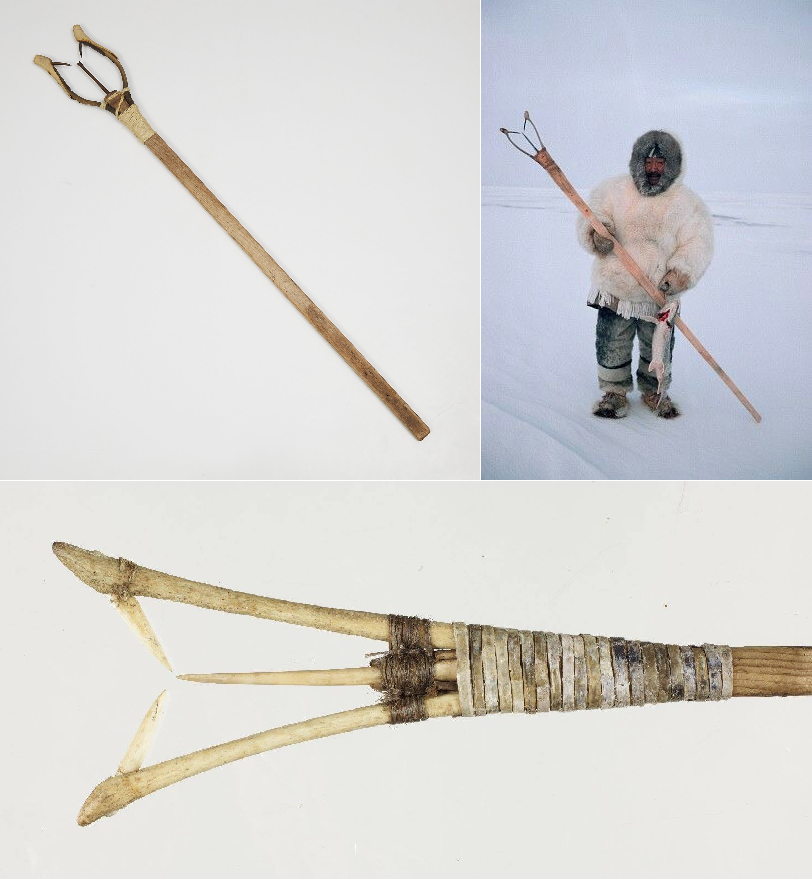
- Kakivak (Leister): A three-pronged spear used to impale fish.
The angler typically uses a small lure or bait to attract fish to the hole, then skillfully uses the kakivak to spear the fish when it comes within range. Patience and knowledge of fish migration patterns are essential for success.

- Spear Fishing: Using a long spear, skilled hunters target fish from shore or kayaks.
- Net Fishing: Nets made from natural fibers or, more recently, synthetic materials are strategically placed in rivers or along coastlines to catch migrating fish.
- Angling: Similar to ice fishing, but performed from boats or shorelines using hooks and lines.
Inuit Fishing Gear: A Testament to Ingenuity
The Inuit have crafted a remarkable array of fishing gear, utilizing locally available materials such as bone, antler, stone, and sealskin. These tools are not only functional but also reflect the resourcefulness and artistic skill of the Inuit people.
Kakivak (Leister): As mentioned earlier, the kakivak is a three-pronged spear specifically designed for ice fishing. The central prong is typically longer and sharper than the two outer prongs, ensuring a secure hold on the fish.
Igpik (Fish Spear): Used in open water, the igpik is a single-pronged spear with a detachable head. A line is attached to the spearhead, allowing the hunter to retrieve the fish even if the spear shaft comes loose.
Qajaq (Kayak): The qajaq is a traditional Inuit boat, perfectly adapted for navigating the Arctic waters. Its lightweight and maneuverable design allows hunters to silently approach their prey.
Anguvak (Fishing Hook): Traditional fishing hooks were crafted from bone, antler, or ivory, carefully shaped and sharpened to effectively catch fish.
Nets: Inuit nets were traditionally made from twisted sinew, plant fibers, or baleen. Today, synthetic materials are commonly used for their strength and durability. The mesh size and design of the net are carefully chosen to target specific species of fish.
Ulu (Woman’s Knife): While not exclusively for fishing, the ulu is an indispensable tool for Inuit women, used for processing fish, preparing meals, and performing various other tasks.

Sustainability and Traditional Knowledge
- Respect for the Resource: The Inuit believe in taking only what they need and avoiding waste.
- Seasonal Restrictions: Fishing is often restricted during spawning seasons to allow fish populations to replenish.
- Knowledge of Fish Behavior: The Inuit possess a wealth of knowledge about fish migration patterns, feeding habits, and habitat preferences, which informs their fishing strategies.
Adapting to Modern Challenges
While traditional fishing methods remain important, the Inuit are also adapting to modern challenges such as climate change, industrial development, and changing social norms. These challenges require innovative solutions that balance the need for economic development with the preservation of traditional culture and sustainable resource management.
Climate Change: Rising temperatures and changing ice conditions are impacting fish populations and traditional fishing patterns. The Inuit are working to adapt to these changes by monitoring fish stocks, adjusting fishing strategies, and advocating for policies that address climate change.
Industrial Development: Mining, oil and gas exploration, and other industrial activities can disrupt fish habitats and contaminate water sources. The Inuit are actively involved in environmental impact assessments and advocating for responsible development practices.
Cultural Preservation: Efforts are underway to preserve and promote traditional Inuit knowledge and skills, including fishing techniques, through education programs, cultural centers, and community-based initiatives.
The Future of Inuit Fishing
The future of Inuit fishing depends on the ability to adapt to changing environmental and social conditions while preserving traditional knowledge and sustainable practices. By working together, Inuit communities, governments, and other stakeholders can ensure that fishing continues to be a vital part of Inuit culture and a sustainable source of food and economic opportunity for generations to come.
Common Questions About Inuit Fishing (People Also Ask)
What types of fish do the Inuit typically catch?
The Inuit catch a variety of fish species, depending on the region and season. Common species include Arctic char, salmon, cod, Greenland halibut (turbot), and various types of freshwater fish.
How has climate change affected Inuit fishing practices?
Climate change is causing significant changes in ice conditions, water temperatures, and fish migration patterns, making it more difficult for the Inuit to predict where and when to fish. They are adapting by monitoring changes in the environment and adjusting their fishing strategies accordingly.
Are Inuit fishing practices sustainable?
Traditionally, Inuit fishing practices have been highly sustainable, based on a deep respect for the environment and a commitment to taking only what is needed. However, modern challenges such as climate change and industrial development are putting pressure on fish populations, requiring ongoing efforts to ensure sustainable management.
What role does fishing play in the Inuit economy?
Fishing is an important source of income for many Inuit communities, providing both food and employment opportunities. Commercial fishing, in particular, can generate significant revenue, supporting local economies and improving the quality of life for Inuit families.
Conclusion
Inuit fishing represents a remarkable adaptation to the challenging Arctic environment. Through centuries of innovation and a deep understanding of the natural world, the Inuit have developed ingenious fishing techniques and specialized gear that have allowed them to thrive in this remote and unforgiving region. By preserving traditional knowledge and embracing sustainable practices, the Inuit are working to ensure that fishing continues to be a vital part of their culture and a source of sustenance for generations to come. The resilience and resourcefulness of the Inuit people serve as an inspiration to us all, demonstrating the power of human ingenuity and the importance of living in harmony with nature. Their story underscores the critical need to protect the Arctic environment and support the cultural heritage of its indigenous peoples.
- Inuit fishing is deeply connected to their culture and survival.
- Traditional methods are adapted to the harsh Arctic environment.
- Specialized gear reflects Inuit ingenuity and resourcefulness.
- Sustainability and respect for nature are paramount.
- Modern challenges require adaptation and collaboration.


