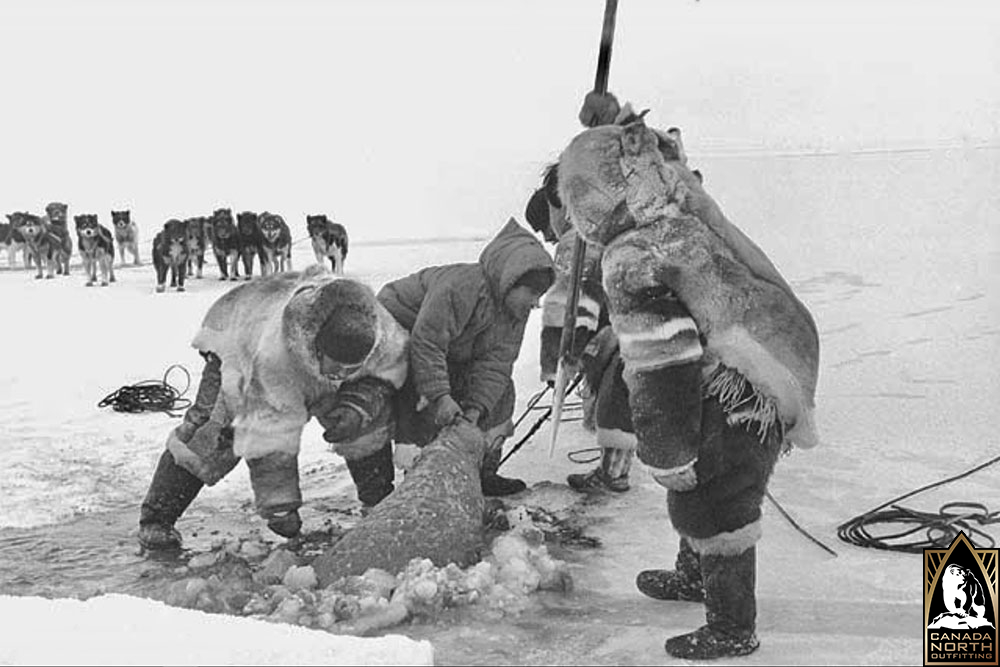

The Arctic, a region of breathtaking beauty and formidable challenges, is home to the Inuit, an Indigenous people whose culture is as enduring and intricate as the landscapes they inhabit. For millennia, Inuit traditions, languages, and ways of life have been meticulously passed down through generations, embodying a profound connection to the land, sea, and sky. However, like many Indigenous cultures worldwide, Inuit heritage has faced significant threats, necessitating dedicated and innovative preservation efforts.
This comprehensive article delves into the various initiatives and strategies employed by Inuit communities across Canada, Greenland, Alaska, and Chukotka (Russia) to safeguard their invaluable cultural legacy. We will explore how these efforts are not merely about looking to the past, but are vibrant, living processes essential for the future well-being and self-determination of the Inuit people.
Understanding the Richness of Inuit Culture
Inuit culture is a tapestry woven from deep reverence for nature, ingenious adaptation to extreme environments, and a robust social structure. It encompasses a unique worldview, sophisticated traditional knowledge systems, and distinctive artistic expressions. From intricate carvings to powerful throat singing, and from complex hunting techniques to rich oral traditions, every aspect reflects a profound understanding of their Arctic home.
At its heart, Inuit culture emphasizes interdependence, community, and respect for all living things. These core values have historically guided daily life, decision-making, and the transmission of knowledge from elders to youth. Preserving this culture means safeguarding these fundamental principles that define Inuit identity.
Historical Challenges and the Urgency of Preservation

The need for active cultural preservation stems from a history marked by external pressures and colonial policies. European contact brought significant disruption, leading to forced relocations, the imposition of foreign governance, and the devastating impact of residential schools in Canada, which actively sought to strip Indigenous children of their language and cultural identity.
These historical traumas have left deep scars, contributing to a decline in traditional language fluency and a disruption in intergenerational knowledge transfer. The urgency of current preservation efforts is therefore rooted in a commitment to heal, reclaim, and strengthen what was diminished.
Language Revitalization: The Heartbeat of a Culture
One of the most critical aspects of Inuit cultural preservation is the revitalization of their languages. Inuktitut, along with other dialects such as Inuinnaqtun, is not just a means of communication; it is a vessel for traditional knowledge, storytelling, humor, and a unique way of perceiving the world. Without language, much of the cultural nuance and ancestral wisdom can be lost.
Efforts include immersion programs for children and adults, the development of educational materials in Inuktitut, and the creation of digital resources like online dictionaries and language learning apps. Community-led initiatives often pair elders with youth, fostering natural language acquisition and cultural mentorship.
Public broadcasting, such as the Inuit Broadcasting Corporation (IBC) in Canada, plays a crucial role by producing television and radio programming entirely in Inuktitut, ensuring that the language remains vibrant and accessible in contemporary media.
Safeguarding Traditional Knowledge and Practices
Traditional knowledge, or Inuit Qaujimajatuqangit (IQ), is a holistic system of understanding passed down orally through generations. It encompasses ecological knowledge, hunting and survival skills, spiritual beliefs, and ethical frameworks. Preserving IQ is vital not only for Inuit communities but also offers invaluable insights for contemporary challenges like climate change.
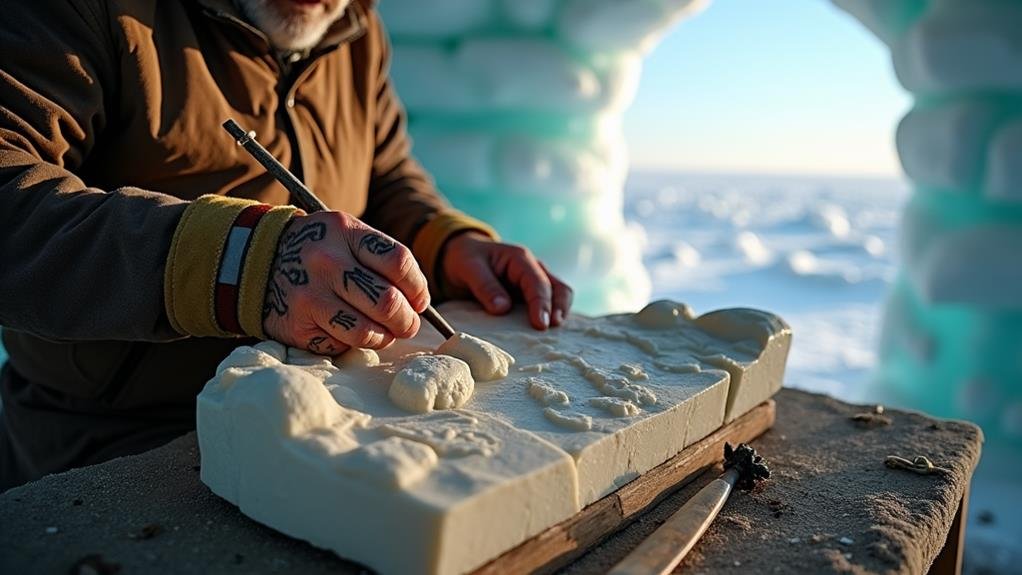
Initiatives focus on documenting and transmitting this knowledge through various means. This includes elder-youth mentorship programs, on-the-land camps where traditional hunting and survival skills are taught, and cultural workshops focusing on practices like igloo building, traditional sewing (amauti making), and tool crafting.
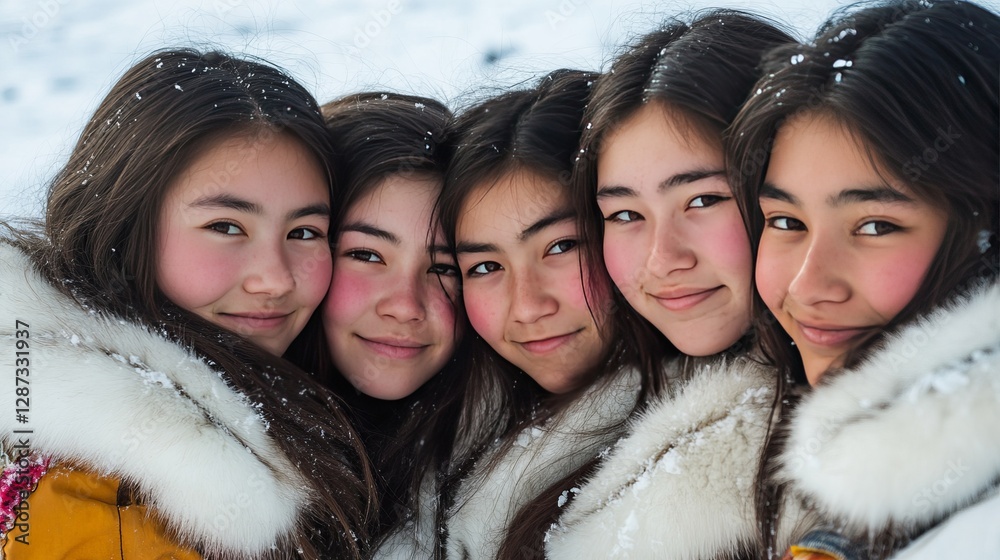

The practice of traditional storytelling, often accompanied by throat singing (katajjaq), is another powerful medium for cultural transmission. Festivals and community gatherings provide platforms for these performances, ensuring their continuity and introducing them to wider audiences.
The Role of Art and Artistic Expression
Inuit art is globally renowned for its beauty and profound storytelling. From soapstone carvings depicting Arctic wildlife and daily life to intricate prints and textile art, these creations are not merely decorative but serve as powerful cultural artifacts. They encapsulate history, spiritual beliefs, and the unique Inuit perspective.
Art co-operatives and galleries play a pivotal role in supporting Inuit artists, providing economic opportunities, and ensuring that traditional artistic forms continue to thrive and evolve. These institutions also educate the public about the cultural significance behind each piece, fostering a deeper appreciation.
Education and Youth Engagement: Building Future Guardians
Engaging youth is paramount for the long-term sustainability of Inuit culture. Educational programs in schools and community centers are increasingly incorporating culturally relevant curricula that teach Inuit history, language, traditional skills, and values. This helps young people develop a strong sense of identity and pride in their heritage.
Youth camps and leadership programs often combine traditional activities with modern skill development, empowering the next generation to become leaders in cultural preservation. These initiatives recognize that culture is not static but a living entity that adapts and evolves with each generation.
Digital Preservation and Technology
In the 21st century, technology offers new avenues for cultural preservation. Digital archives are being created to store oral histories, traditional stories, photographs, and historical documents. These resources ensure that invaluable information is accessible and protected for future generations.
The use of social media, podcasts, and online platforms by Inuit artists, storytellers, and educators helps to disseminate cultural content widely, reaching both community members and a global audience. This digital presence allows for dynamic engagement and contemporary expressions of Inuit identity.
Self-Governance and Land Claims: Foundations for Cultural Strength
The establishment of Nunavut in 1999, the largest and northernmost territory of Canada, stands as a monumental achievement in Inuit self-determination. This land claims agreement provided Inuit with significant control over their lands, resources, and governance, creating a crucial framework for cultural preservation and revitalization.
Nunavut’s government operates with a mandate to promote and protect Inuit culture and language, embedding these values into public policy, education, and social services. This self-governance model empowers Inuit communities to shape their own future according to their cultural priorities.
Similar efforts in other regions, such as the Inuvialuit Settlement Region and various tribal governments in Alaska, also demonstrate the critical link between self-determination and the ability to effectively implement cultural preservation initiatives.
Community-Led Initiatives: The Power of Local Action
Many of the most impactful preservation efforts originate directly from Inuit communities. These grassroots initiatives reflect local needs and priorities, often involving elders, hunters, artists, and educators working collaboratively. They embody the strength and resilience inherent in Inuit community structures.
Examples include local cultural centers, community feasts that celebrate traditional foods, and initiatives to revive traditional games and sports. These activities not only preserve practices but also strengthen social bonds and foster a sense of collective identity.
Addressing Modern Challenges and Adaptations
While focused on preservation, Inuit culture is also dynamic and adaptable. Modern challenges, such as climate change, economic shifts, and the influence of global media, require innovative responses. Cultural preservation efforts often integrate traditional ecological knowledge with scientific research to address environmental changes impacting traditional hunting grounds and practices.
The resilience of Inuit culture is evident in its ability to adapt while maintaining core values. This includes finding contemporary expressions for traditional art forms, integrating modern tools into traditional hunting, and using digital platforms to share ancestral stories.
Why is Inuit Culture Important to Preserve?
The preservation of Inuit culture is vital for several reasons. Firstly, it ensures the continuity of a rich heritage that has thrived for millennia in one of the planet’s harshest environments, offering unique perspectives on human resilience and adaptation. Secondly, it contributes to global cultural diversity, enriching humanity’s collective understanding of itself.
Thirdly, for the Inuit people themselves, cultural preservation is intrinsically linked to identity, mental health, and well-being. A strong cultural foundation provides a sense of belonging, purpose, and continuity, which are essential for navigating the complexities of the modern world. It is a fundamental human right to maintain one’s cultural identity.
Conclusion: A Living Legacy for Future Generations
Inuit cultural preservation efforts are a testament to the enduring strength, resilience, and ingenuity of the Inuit people. These initiatives are not about freezing culture in time, but about nurturing a living, evolving heritage that connects past, present, and future generations.
From language revitalization and the safeguarding of traditional knowledge to the vibrant expressions of art and the powerful strides in self-governance, these efforts collectively ensure that Inuit culture continues to thrive. They offer a powerful model for Indigenous communities worldwide and serve as a reminder of the profound value of cultural diversity.
As guardians of the Arctic, the Inuit people continue to inspire with their unwavering commitment to their heritage, ensuring that their unique voices, traditions, and wisdom remain a vital part of the global human story for centuries to come.


_0.jpg?w=200&resize=200,135&ssl=1 "Yupik Traditional Food Preparation")

