
The Arctic is one of the most unforgiving environments on Earth, a land defined by extreme cold, biting winds, and vast, icy landscapes. For millennia, the Inuit people have not merely survived but thrived in this challenging climate, a testament to their profound understanding of their surroundings and their remarkable ingenuity. Central to their survival has been their clothing – a sophisticated system designed for unparalleled insulation and protection.
Traditional Inuit clothing is far more than just garments; it is a meticulously engineered system, refined over thousands of years through trial and error. Every stitch, every material choice, and every design element serves a critical purpose: to maintain core body temperature in conditions that would be lethal to the unprepared.
At the heart of Inuit clothing’s effectiveness lies a deep understanding of thermal dynamics. The primary goal is to trap warm air close to the body and create a barrier against the external cold and wind. This is achieved through a combination of natural materials, multi-layered construction, and intelligent garment design.
The Science of Trapped Air: The Foundation of Arctic Warmth
The most effective insulators, whether natural or synthetic, work by trapping air. Air is a poor conductor of heat, meaning it doesn’t transfer heat easily. By immobilizing a layer of air, heat loss from the body to the colder external environment is significantly reduced. Inuit clothing excels at this, creating numerous tiny air pockets within its materials and between its layers.
Primary Materials: Nature’s Finest Insulators
The Inuit utilized the resources available in their environment with incredible efficiency. The choice of animal hides and furs was not arbitrary; each offered specific properties crucial for different parts of the clothing system.
Caribou Hide: The Arctic’s Premier Insulator
Caribou (reindeer) hide is arguably the most important material in traditional Inuit clothing. Its fur possesses extraordinary insulating properties due to its unique structure. Each hair is hollow, essentially a tiny air-filled tube, which makes caribou fur exceptionally lightweight and an outstanding insulator. A single layer of caribou fur can provide significant warmth, but the Inuit often used two layers.
The double-layered caribou system typically involved an inner layer with the fur facing inwards towards the body and an outer layer with the fur facing outwards. The air trapped within the hollow hairs of both layers, combined with the air pocket between the two layers, created an incredibly effective thermal barrier, often superior to modern synthetic materials in extreme cold.
Sealskin: Durability and Water Resistance
While caribou provided superior warmth, sealskin offered crucial advantages for outer layers and footwear. Sealskin is naturally water-resistant and incredibly durable, making it ideal for protecting against moisture from snow, ice, and slush, as well as providing excellent wind protection. It was often used for the outer layer of parkas, trousers, and especially for kamiks (boots).
Polar Bear Fur: Exceptional Warmth for Specific Uses
Polar bear fur, with its dense and exceptionally warm hollow hairs, was also utilized, though less commonly than caribou due to the difficulty and danger of hunting polar bears. It was often reserved for specialized garments or trim, adding extra warmth and protection in critical areas.
Bird Skins and Down: Lighter Insulation
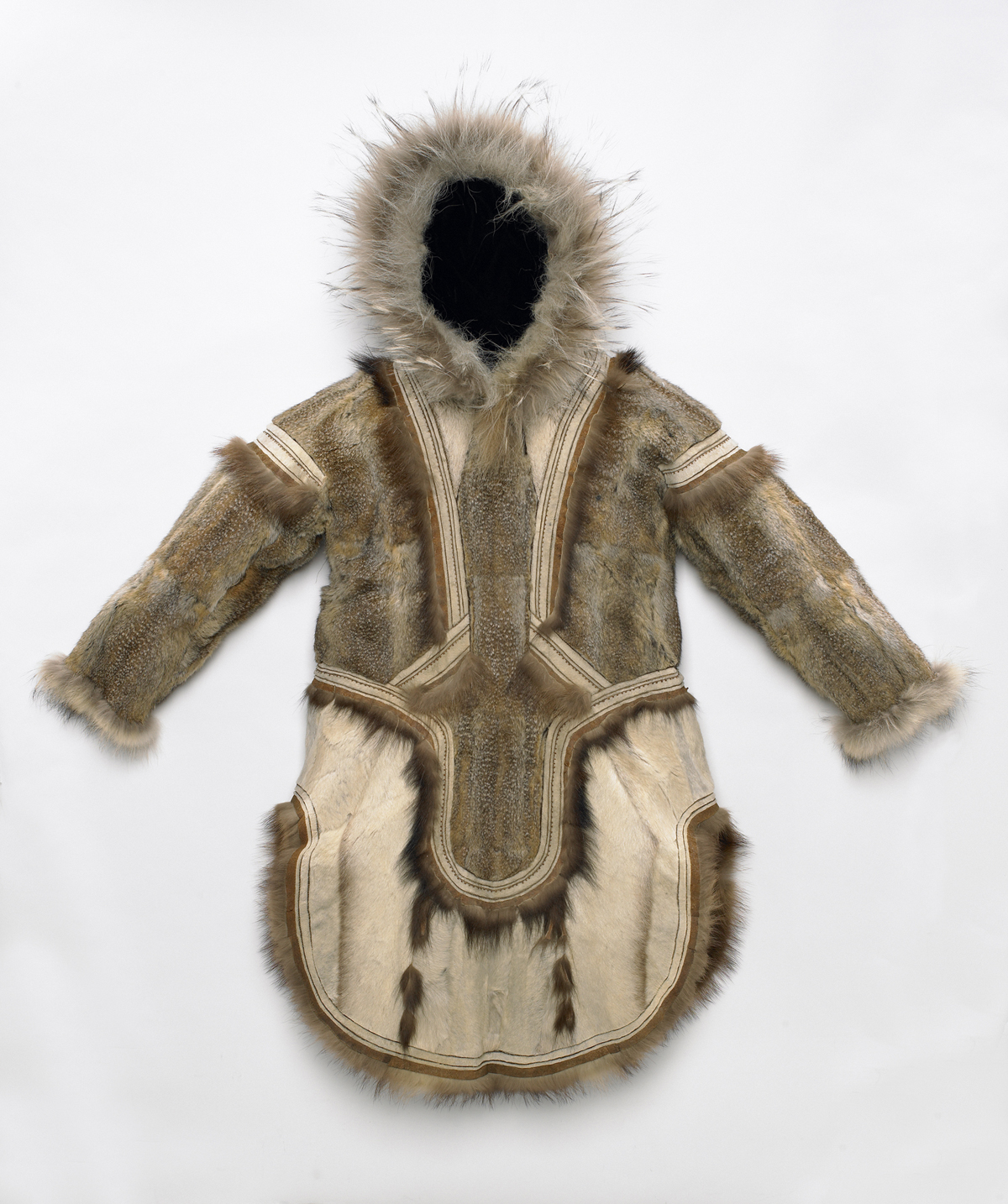
For lighter garments, especially worn during milder periods or for specific tasks, bird skins (like eider duck) with their down feathers provided excellent, lightweight insulation. The down, like caribou hair, traps a significant amount of air, offering warmth without excessive bulk.
The Ingenious Layering System: A Masterclass in Thermal Regulation
Beyond the materials themselves, the true genius of Inuit clothing lies in its multi-layered design. This system allows for precise thermal regulation, crucial for active individuals in a highly variable environment.
- Inner Layer: Often caribou fur with the fur facing inwards, directly against the skin or a thin undergarment. This layer traps body heat and wicks away moisture.
- Outer Layer: Another layer of caribou fur (fur facing outwards), or sealskin for water and wind resistance. This layer protects the inner layer and provides additional insulation and weatherproofing.
- Air Gap: A critical feature was the intentional air space between the inner and outer layers. This stagnant air pocket acted as an additional, highly effective insulating barrier, preventing heat transfer.
This layering also allowed for ventilation. By loosening or adjusting parts of the clothing, such as the hood or waist ties, warm, moist air could be expelled, preventing overheating and sweat accumulation, which is vital to avoid hypothermia in extreme cold.
Key Garments and Their Purposeful Design
Every component of traditional Inuit attire was meticulously designed for function, mobility, and warmth.
The Amauti (Parka): The Iconic Arctic Coat
The amauti is perhaps the most recognizable piece of Inuit clothing. These parkas were often designed with an oversized hood and a pouch on the back, allowing a mother to carry her infant snugly against her body, sharing warmth and providing protection from the elements. The long cut and careful tailoring minimized heat loss from the torso and legs.
Trousers and Leggings: Protecting the Extremities
Trousers, also made from caribou hide or sealskin, provided essential insulation for the legs. Often, separate leggings or inner trousers were worn to enhance the layering effect and allow for adjustment based on activity levels.
Kamiks (Boots): Dry Feet, Warm Feet
Kamiks are highly sophisticated boots, typically made from sealskin for the outer layer and caribou hide or other furs for the inner insulation. They were often constructed with multiple layers of materials, including grass or fur insoles, to keep feet dry and warm. The design prevented snow and moisture from entering while allowing breathability.
Mittens and Gloves: Hand Protection
Mittens, often made from caribou fur or sealskin, were essential for protecting hands. Their design, keeping fingers together, minimized surface area exposed to cold and maximized trapped air, making them warmer than gloves. Some mittens featured an outer shell and an inner removable liner.
Beyond Insulation: Other Critical Properties
- Wind Resistance: Dense furs and carefully stitched seams provided excellent protection against the relentless Arctic winds.
- Moisture Management: While external moisture was repelled by sealskin, the layering system and natural properties of fur helped to manage internal perspiration, allowing it to dissipate rather than build up and cause chilling.
- Durability and Repairability: Clothing was built to withstand harsh conditions and was designed to be easily repaired using local materials, ensuring longevity.
- Flexibility and Mobility: Despite their bulk, garments were tailored to allow for essential movement required for hunting, fishing, and daily activities.
Cultural Significance and Craftsmanship
The creation of Inuit clothing was not just a practical skill but a profound art form. The intricate sewing, precise tailoring, and decorative elements reflected deep cultural knowledge and respect for the animals that provided the materials. These garments were a link to ancestors and a symbol of resilience.
Modern Adaptations and Influence
The principles behind traditional Inuit clothing continue to influence modern cold-weather gear. Contemporary parkas, layering systems, and even footwear often draw inspiration from the timeless designs and material science perfected by the Inuit. The emphasis on trapped air, moisture management, and strategic layering remains fundamental.
Comparing Traditional vs. Modern Synthetics
While modern synthetic insulations like down alternatives and advanced waterproof-breathable fabrics offer excellent performance, traditional Inuit clothing, particularly caribou hide, still holds its own in extreme, dry cold. Synthetics can outperform in wet conditions, but the sheer thermal efficiency and breathability of well-made fur clothing in its intended environment are hard to beat.
The weight-to-warmth ratio of caribou fur is exceptional, and its ability to manage moisture through its natural fibers is a distinct advantage over some less breathable synthetics. However, the maintenance and drying of natural furs require specific knowledge and effort.
Conclusion: A Legacy of Ingenuity
The insulation properties of Inuit clothing represent a pinnacle of human adaptation and ingenuity. By intimately understanding their environment and the properties of natural materials, the Inuit developed a clothing system that is not only incredibly effective but also a testament to sustainable living and profound ecological knowledge. Their legacy continues to inform and inspire, reminding us of the enduring power of traditional wisdom in mastering the world’s most extreme conditions.


