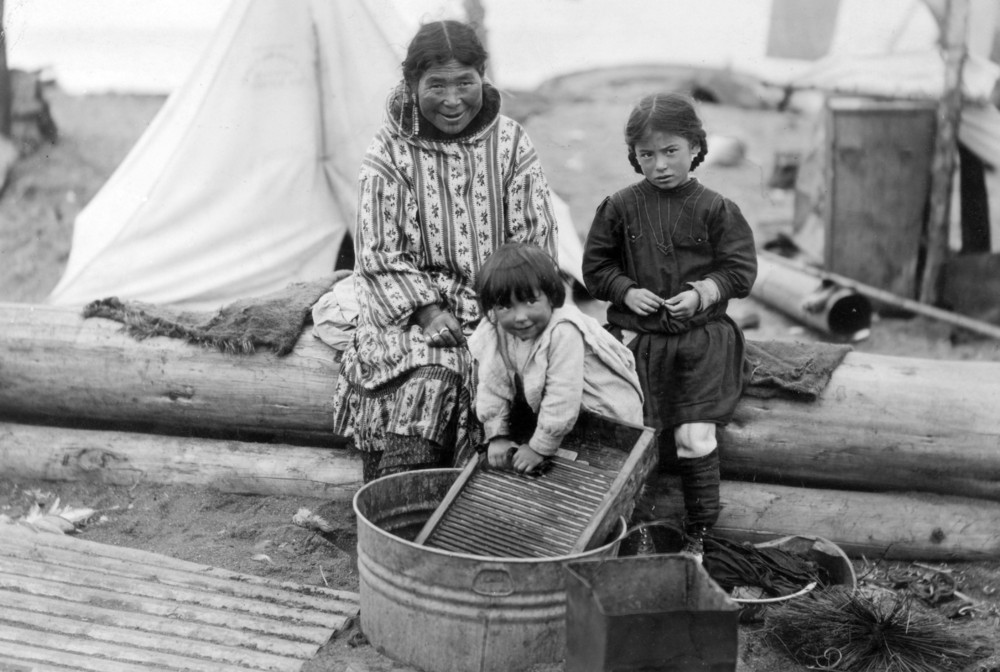
The Arctic, a land of ice and snow, is home to the Inuit, an indigenous people with a rich and resilient culture. For centuries, Inuit communities have thrived in this challenging environment, passing down traditions and knowledge from generation to generation. This article explores the daily lives of Inuit children, shedding light on their unique upbringing, cultural practices, and the challenges and opportunities they face in the modern world. We’ll delve into their family life, education, traditional skills, and the ways they balance their heritage with the influences of contemporary society. Understanding the daily world of Inuit children offers valuable insights into their culture and the importance of preserving their way of life.
Family and Community Life
Family plays a central role in the lives of Inuit children. Extended families often live together or in close proximity, providing a strong support network. Grandparents, aunts, uncles, and cousins all contribute to raising children, teaching them valuable skills and sharing stories of their ancestors. Inuit children learn from a young age the importance of respect for elders and cooperation within the community. This communal approach to child-rearing fosters a sense of belonging and responsibility.
Roles and Responsibilities
Even at a young age, Inuit children contribute to the family’s well-being. They may help with household chores, such as gathering firewood or fetching water. As they grow older, they learn more complex tasks, such as sewing, preparing food, and caring for younger siblings. These responsibilities instill a sense of purpose and teach them valuable life skills that are essential for survival in the Arctic environment. Learning traditional skills like hunting and fishing is also paramount to the child’s development.
Traditional Inuit Clothing
Inuit clothing is essential for survival in the Arctic climate. Traditional garments are made from animal skins, such as caribou, seal, and polar bear. Children learn from a young age how to make and maintain their clothing, ensuring they are warm and protected from the elements. These skills are passed down through generations, preserving a vital aspect of Inuit culture. Parkas, mukluks (boots), and mittens are essential items, often adorned with intricate designs reflecting family and community identity. The ability to create and repair clothing is a crucial skill for Inuit children.
Education in the Arctic
Education is a critical aspect of modern Inuit life. While traditional knowledge and skills remain essential, formal education provides children with the tools they need to navigate the complexities of the 21st century. Schools in Inuit communities often incorporate both Western curriculum and Inuit language and culture. This approach aims to preserve their heritage while preparing them for future opportunities. However, challenges remain, including limited resources, teacher shortages, and the need to bridge the gap between traditional ways of life and modern education.
Bilingual Education
Many Inuit schools offer bilingual programs, teaching children in both English or French and their native Inuktitut. This approach helps to preserve the Inuit language and culture, ensuring that children maintain a strong connection to their heritage. Bilingual education also promotes cognitive development and enhances their ability to learn new languages and concepts. The goal is to create a generation of Inuit children who are fluent in their native language and equipped with the skills to succeed in a globalized world.
Challenges in Education
Despite efforts to improve education in Inuit communities, challenges persist. Remote locations, limited funding, and a shortage of qualified teachers can hinder educational opportunities. Many students must leave their families and communities to attend high school or post-secondary institutions, which can be a difficult transition. Efforts are underway to address these challenges, including increasing funding for education, recruiting and training more teachers, and developing culturally relevant curriculum. These initiatives aim to provide Inuit children with the best possible education, empowering them to pursue their dreams and contribute to their communities.
Traditional Skills and Activities
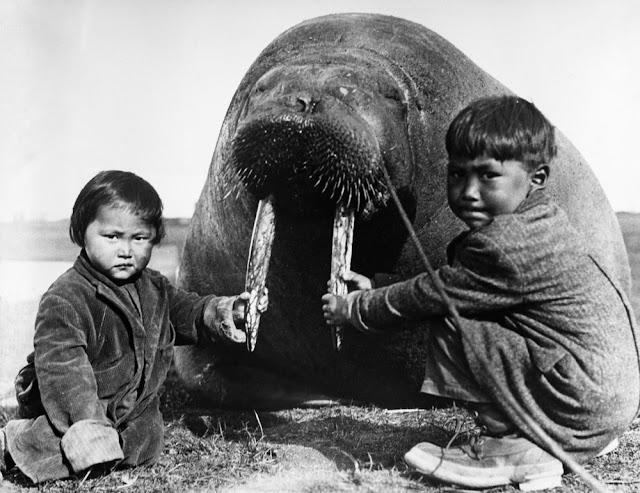
Inuit children learn a wide range of traditional skills from their elders. These skills are essential for survival in the Arctic and play a vital role in preserving Inuit culture. Hunting, fishing, sewing, and storytelling are just a few of the activities that are passed down through generations. These skills not only provide practical knowledge but also instill a deep respect for the land and its resources.
Hunting and Fishing
Hunting and fishing are integral parts of Inuit life. Children learn from a young age how to hunt seals, caribou, and other animals, as well as how to fish for salmon, arctic char, and other species. These skills are essential for providing food for their families and communities. Hunting and fishing are also important cultural activities, teaching children about the interconnectedness of all living things and the importance of respecting the environment.
Storytelling and Oral Tradition
Storytelling is a vital part of Inuit culture. Stories are used to teach children about their history, values, and beliefs. Elders share stories of their ancestors, recounting their adventures and lessons learned. These stories are often accompanied by songs and dances, creating a rich and immersive cultural experience. Storytelling helps to preserve Inuit culture and pass it down to future generations.
Play and Recreation
Despite the harsh environment, Inuit children find time for play and recreation. Traditional games and activities help them develop physical and social skills, while also fostering a sense of community. Many of these games are designed to mimic the skills needed for survival, such as hunting and fishing. Modern toys and games are also becoming increasingly popular, providing children with new ways to have fun and express their creativity.
Traditional Games
Traditional Inuit games often involve physical challenges, such as jumping, running, and wrestling. These games help children develop strength, agility, and coordination. They also teach them about teamwork and cooperation. Many of these games are played outdoors, taking advantage of the Arctic landscape.
Modern Toys and Activities
In addition to traditional games, Inuit children also enjoy modern toys and activities. Video games, sports, and music are becoming increasingly popular, providing children with new ways to have fun and connect with their peers. These activities help to bridge the gap between traditional Inuit culture and the modern world.
Health and Well-being
Maintaining health and well-being is essential for Inuit children. Access to healthcare can be limited in remote communities, making it important to promote healthy habits and prevent illness. Traditional Inuit diets, rich in protein and essential nutrients, play a vital role in supporting their health. However, changes in diet and lifestyle have led to new health challenges, such as obesity and diabetes. Efforts are underway to promote healthy eating habits and increase access to healthcare in Inuit communities.
Nutrition and Diet
Traditional Inuit diets are based on locally sourced foods, such as fish, seal, caribou, and berries. These foods are rich in protein, omega-3 fatty acids, and other essential nutrients. However, access to traditional foods can be limited, and many Inuit communities rely on processed foods, which can lead to health problems. Efforts are underway to promote healthy eating habits and increase access to traditional foods.
Access to Healthcare
Access to healthcare can be a challenge in remote Inuit communities. Many communities lack hospitals or clinics, and residents must travel long distances to receive medical care. This can be especially difficult for children, who are more vulnerable to illness and injury. Efforts are underway to improve access to healthcare in Inuit communities, including increasing funding for healthcare services and training more healthcare professionals.
Challenges and Opportunities
Inuit children face a unique set of challenges and opportunities in the modern world. Climate change, cultural preservation, and economic development are just a few of the issues that affect their lives. However, they also have the opportunity to shape their own futures and contribute to their communities. By preserving their culture, embracing education, and promoting sustainable development, Inuit children can create a brighter future for themselves and their people.
Climate Change
Climate change is having a significant impact on Inuit communities. Rising temperatures are causing sea ice to melt, which makes it more difficult to hunt and travel. Changes in weather patterns are also affecting traditional food sources. These changes are threatening the Inuit way of life and making it more difficult for children to learn traditional skills. Efforts are underway to mitigate the effects of climate change and help Inuit communities adapt to a changing environment.
Cultural Preservation
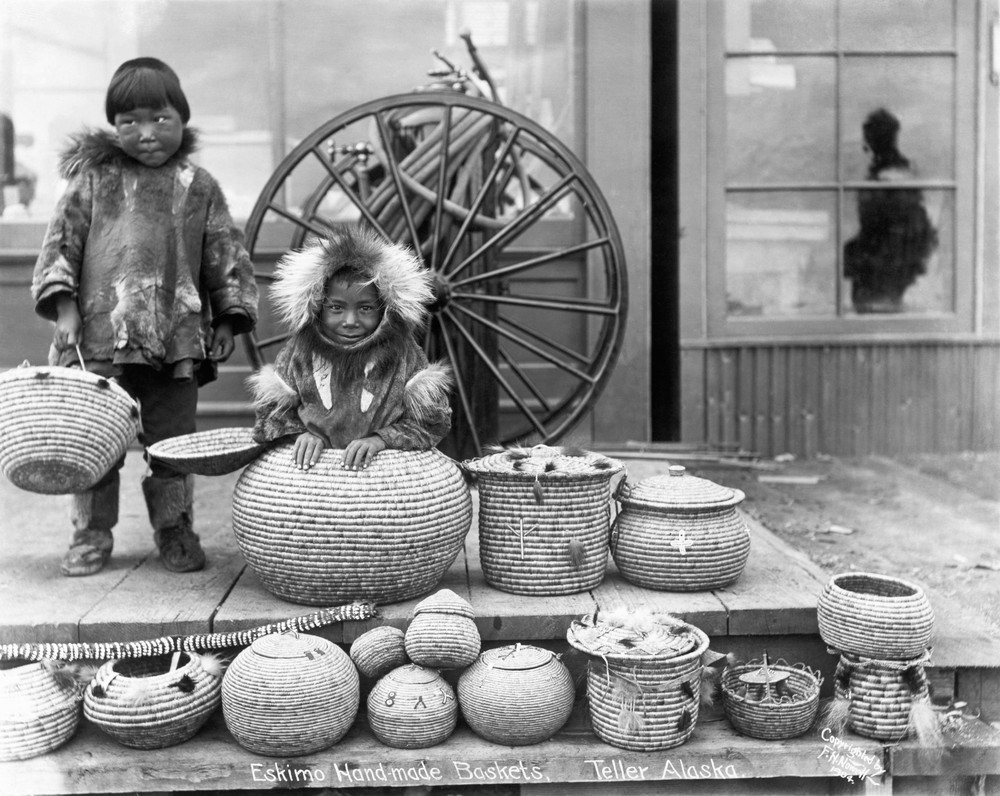
Preserving Inuit culture is essential for maintaining their identity and way of life. Language, traditions, and customs are all important aspects of their culture. Efforts are underway to preserve and promote Inuit culture, including supporting language programs, cultural centers, and traditional arts and crafts.
Economic Development
Economic development is essential for improving the quality of life in Inuit communities. Creating jobs and opportunities can help to reduce poverty and improve access to education and healthcare. Sustainable development practices are important for ensuring that economic development does not harm the environment or threaten traditional ways of life.
The Future of Inuit Children
The future of Inuit children depends on their ability to balance their traditional heritage with the demands of the modern world. By embracing education, preserving their culture, and promoting sustainable development, they can create a brighter future for themselves and their communities. It is important to support Inuit children and provide them with the resources they need to succeed. This includes investing in education, healthcare, and cultural preservation programs.
Empowering the Next Generation
Empowering Inuit children is essential for ensuring their future success. This includes providing them with access to education, healthcare, and cultural resources. It also means creating opportunities for them to participate in decision-making processes and have a voice in their communities. By empowering Inuit children, we can help them to become leaders and contribute to a brighter future for their people.
In conclusion, the daily lives of Inuit children are a fascinating blend of tradition and modernity. They grow up immersed in a rich culture, learning essential skills for survival in the Arctic environment. While facing unique challenges, they also have immense opportunities to shape their futures and contribute to their communities. By understanding and supporting Inuit children, we can help ensure the preservation of their culture and the well-being of future generations.


