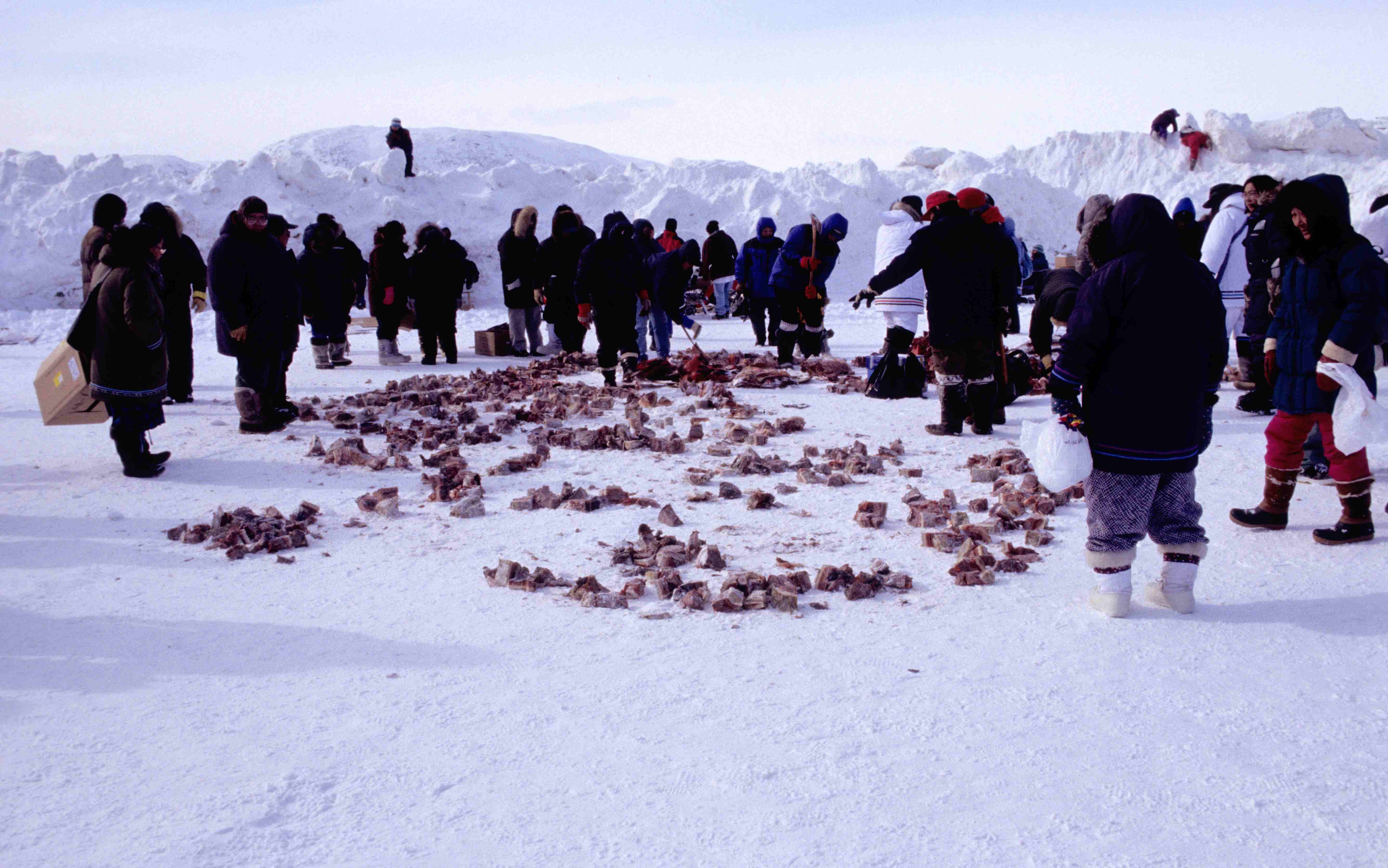
The Inuit, the Indigenous inhabitants of the Arctic regions of Canada, Greenland, and Alaska, possess a rich cultural heritage shaped by millennia of adapting to one of the planet’s harshest environments. Their traditional way of life, deeply intertwined with the land, sea, and ice, has fostered unique knowledge systems, social structures, and an enduring spirit.
However, the rapid pace of modernization, colonialism, and global changes has presented profound and multifaceted challenges to Inuit communities. This article delves into these critical issues, exploring the socio-economic, health, cultural, and environmental hurdles they navigate daily, while also highlighting their remarkable resilience and ongoing efforts towards self-determination and a thriving future.
Socio-economic Disparities: Bridging the Economic Divide
One of the most significant challenges facing Inuit in modern society is the pervasive socio-economic disparity. Remote Arctic communities often lack the economic infrastructure and diverse job markets found in southern regions, leading to high rates of unemployment and underemployment.
Limited Economic Opportunities: While resource extraction industries like mining and oil and gas offer some jobs, these are often cyclical, require specialized skills, and can have environmental impacts that conflict with traditional land use. Sustainable economic development that aligns with Inuit values and contributes to local economies remains a critical need.
High Cost of Living: The Arctic is notoriously expensive. Everything from groceries and fuel to building materials and consumer goods must be flown or shipped in, driving up prices dramatically. This exacerbates poverty and makes basic necessities unaffordable for many families, contributing to widespread food insecurity.
Housing Crisis: Many Inuit communities grapple with a severe housing shortage and substandard living conditions. Overcrowding is common, leading to increased health risks and social stressors. The harsh climate, high construction costs, and limited local infrastructure make building and maintaining adequate housing a continuous struggle.
Health and Well-being: Addressing the Legacy of Trauma
The health disparities experienced by Inuit are stark, often rooted in historical trauma, including the residential school system, forced relocations, and rapid cultural disruption. These factors have profound intergenerational impacts on mental and physical health.
Mental Health Crisis: Suicide rates among Inuit youth are tragically among the highest in the world, reflecting deep-seated issues of trauma, loss of identity, and systemic inequities. Access to culturally appropriate mental health services, often scarce in remote areas, is a critical need.
Physical Health Challenges: Inuit face higher rates of chronic diseases such as diabetes, cardiovascular disease, and respiratory illnesses. This is partly due to shifts in diet from traditional foods to processed, imported options, as well as environmental contaminants and limited access to primary healthcare facilities and specialists.
Substance Abuse: Alcohol and drug abuse are significant issues in some communities, often linked to the coping mechanisms for trauma, poverty, and lack of opportunities. Comprehensive harm reduction strategies and culturally sensitive treatment programs are vital.
Cultural Preservation and Language Revitalization
The erosion of traditional culture and language is a pressing concern. The Inuktitut language, a cornerstone of Inuit identity and knowledge transmission, is endangered in many regions, particularly among younger generations.
Threats to Inuktitut: Decades of assimilationist policies and the dominance of English and French in education and media have led to a decline in Inuktitut speakers. Efforts to revitalize the language through education, media, and community programs are underway but require sustained support.

Navigating Cultural Identity: Young Inuit often find themselves navigating between traditional values and modern global influences, sometimes leading to an identity crisis. Fostering a strong sense of cultural pride and belonging is essential for their well-being.
Environmental Impacts and Climate Change: A Disproportionate Burden
Inuit communities are on the front lines of climate change, experiencing its effects more rapidly and intensely than almost any other population on Earth. The Arctic is warming at several times the global average.
Impact on Traditional Livelihoods: Thinner ice, unpredictable weather patterns, and changes in animal migration routes make traditional hunting, fishing, and travel more dangerous and less reliable. This directly impacts food security and cultural practices.
Infrastructure Damage: Thawing permafrost threatens homes, roads, airports, and other critical infrastructure, leading to costly repairs and relocation challenges for communities built on frozen ground.
Food Security Implications: The increased difficulty in accessing traditional country foods, combined with the high cost of imported groceries, exacerbates food insecurity. Climate change directly undermines the ability of Inuit to feed themselves sustainably.
Justice System and Governance: Seeking Self-Determination
Overrepresentation in Justice System: Factors such as historical trauma, poverty, and lack of access to legal resources contribute to higher rates of incarceration. Restorative justice practices and community-led initiatives offer promising alternatives.
Self-Determination and Land Claims: Inuit have been at the forefront of asserting their rights to self-determination and land claims, leading to significant achievements like the creation of Nunavut. These agreements are crucial for regaining control over their lands, resources, and governance.
Navigating Modern Governance: Building robust, effective, and culturally appropriate governance structures that integrate traditional decision-making processes with modern administrative demands is an ongoing and complex task.
Inuit Resilience and Innovative Solutions
Despite these formidable challenges, Inuit communities demonstrate incredible resilience, innovation, and a strong commitment to their future. They are not merely passive recipients of change but active agents in shaping their destiny.
Inuit-Led Initiatives: Many solutions are emerging from within Inuit communities themselves. These include local food harvesting programs, mental wellness initiatives based on traditional healing, and community-led language revitalization projects.
Education and Skill Development: Efforts are focused on creating culturally relevant educational curricula, increasing access to post-secondary education, and developing skills training programs that meet the needs of modern Arctic economies.
Cultural Revitalization: Art, music, storytelling, and traditional crafts are experiencing a resurgence, reinforcing cultural identity and pride. Festivals and cultural gatherings play a vital role in intergenerational knowledge transfer.
Advocacy and Political Representation: Inuit organizations and leaders are powerful advocates for their rights, pushing for policy changes at regional, national, and international levels. Their voices are increasingly heard in discussions about Arctic policy, climate change, and Indigenous rights.
Technological Advancements: Embracing technology, from satellite internet to social media, allows Inuit communities to connect with each other, share information, promote their culture globally, and access remote learning and healthcare opportunities.
The Path Forward: Reconciliation and Collaboration
Addressing the challenges faced by Inuit requires sustained commitment from governments, non-Indigenous society, and international partners. It necessitates an approach grounded in reconciliation, respect, and genuine collaboration.
Investing in Northern infrastructure, supporting Inuit-led economic development, ensuring equitable access to healthcare and education, and upholding self-determination agreements are crucial steps. Recognizing and valuing Inuit traditional knowledge as a vital resource for global challenges, particularly climate change, is also paramount.
Ultimately, the future of Inuit communities lies in empowering their self-determination, fostering their cultural strength, and ensuring that their unique perspectives and needs are central to all decisions affecting their lives and lands. By understanding these challenges and celebrating their resilience, we can collectively work towards a more equitable and prosperous future for all.
The journey of Inuit in modern society is a testament to their adaptability and enduring spirit. While the challenges are immense, their unwavering commitment to cultural preservation, community well-being, and self-governance offers a powerful example of Indigenous resilience in the face of profound change.


