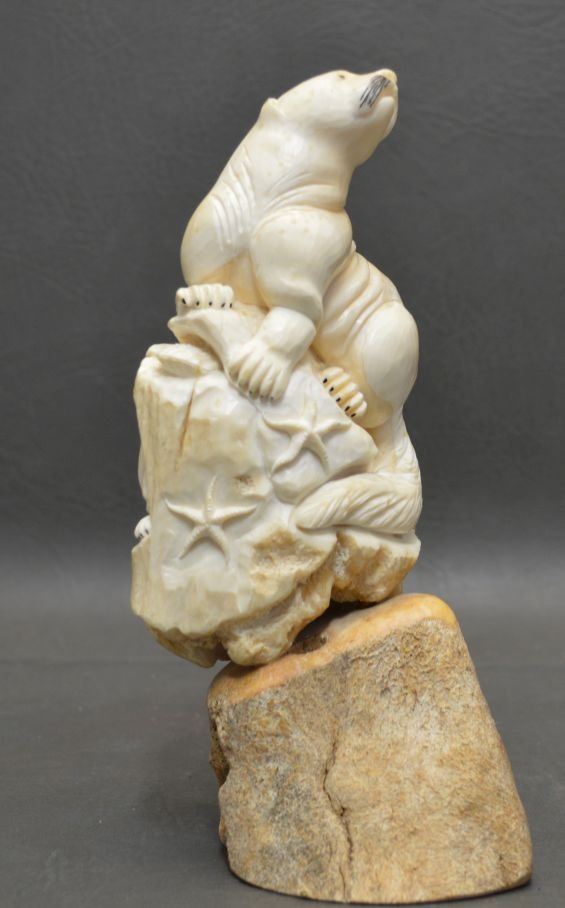

Inuit art, particularly ivory carvings, represents a profound connection to the Arctic environment and the traditions of its people. For centuries, the Inuit have skillfully transformed walrus ivory, whalebone, and other natural materials into objects of beauty and cultural significance. These carvings are not merely decorative; they are powerful storytellers, reflecting the Inuit way of life, their spiritual beliefs, and their deep understanding of the natural world.
This article delves into the fascinating world of Inuit ivory sculptures, exploring their history, techniques, cultural importance, and the challenges they face in the modern era. We will uncover the artistry, symbolism, and enduring legacy of these remarkable creations.
The Historical Significance of Inuit Ivory Carvings
Ivory carving has been an integral part of Inuit culture for thousands of years. Archaeological evidence suggests that the practice dates back to the Paleo-Eskimo cultures, who inhabited the Arctic regions long before the emergence of the modern Inuit. These early carvings served both practical and spiritual purposes.
Initially, ivory was primarily used to create tools and hunting implements. Harpoon heads, toggles, and other essential items were crafted from walrus tusks and whalebone, demonstrating the Inuit’s ingenuity and resourcefulness in a harsh environment. However, ivory was not just a practical material; it was also imbued with spiritual significance. Carvings of animals, such as seals, polar bears, and whales, were believed to possess protective powers and ensure successful hunts. These early forms of Inuit art provide invaluable insights into the lives and beliefs of the Arctic’s original inhabitants.
Over time, ivory carving evolved from a purely utilitarian craft into a more expressive art form. As trade with Europeans increased in the 18th and 19th centuries, the Inuit began to create carvings specifically for sale. These pieces often depicted scenes from daily life, such as hunting expeditions, fishing trips, and family activities. While these carvings were created for a commercial market, they still reflected the Inuit’s deep connection to their culture and environment. They served as a visual record of their way of life and a means of sharing their stories with the outside world.

The Role of Ivory Carvings in Inuit Culture
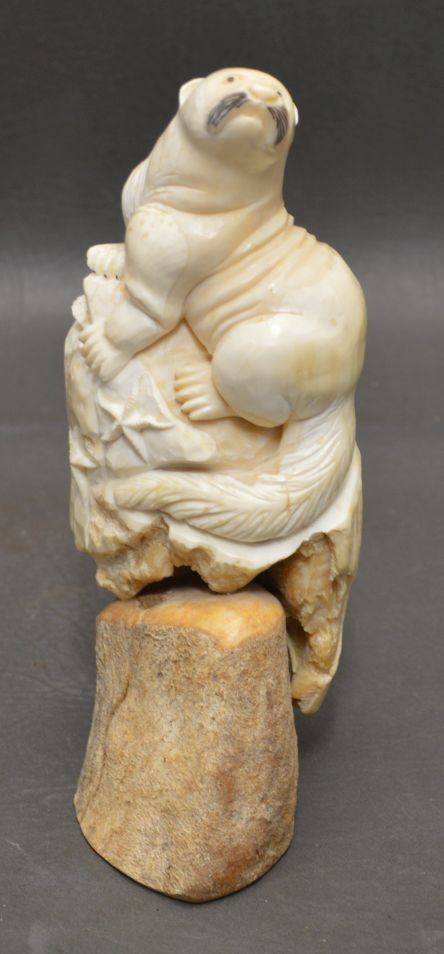
Inuit ivory carvings are more than just beautiful objects; they are powerful symbols of cultural identity and continuity. They serve as a tangible link to the past, connecting contemporary Inuit communities to their ancestors and their traditions. The creation and exchange of these carvings reinforce social bonds and transmit cultural knowledge from one generation to the next.
The stories depicted in ivory carvings often reflect core Inuit values, such as respect for nature, the importance of community, and the need for resilience in the face of adversity. These values are deeply embedded in the Inuit worldview and are essential for survival in the Arctic environment. By preserving and sharing these stories through art, the Inuit ensure that their cultural heritage remains vibrant and relevant.
Furthermore, ivory carvings play an important role in Inuit spiritual practices. Many carvings depict animals that are considered to be spiritual guides or protectors. These carvings are often used in ceremonies and rituals, serving as a conduit between the human and spirit worlds. The intricate details and careful craftsmanship of these carvings reflect the Inuit’s reverence for the natural world and their belief in the interconnectedness of all things.
The Art of Ivory Carving: Techniques and Materials
The creation of Inuit ivory carvings is a labor-intensive process that requires skill, patience, and a deep understanding of the material. Inuit artists typically use hand tools, such as saws, knives, and files, to shape and carve the ivory. The process begins with the selection of a suitable piece of ivory, which is carefully inspected for cracks and imperfections. The artist then sketches a design onto the ivory, using a pencil or other marking tool. The carving process itself involves gradually removing small pieces of ivory until the desired form is achieved.
Once the carving is complete, the artist will often polish the surface to bring out the natural luster of the ivory. This can be done using a variety of abrasive materials, such as sandpaper or pumice. Some artists also use dyes or stains to add color and detail to their carvings. The final step is often to apply a protective coating of wax or oil to preserve the ivory and enhance its beauty.
Walrus ivory is the most commonly used material for Inuit carvings. Walruses are abundant in the Arctic regions, and their tusks provide a readily available source of ivory. Whalebone, particularly from bowhead whales, is also used, especially for larger sculptures. Other materials, such as caribou antler and soapstone, are sometimes incorporated into Inuit art, but ivory remains the most highly prized material.
The Symbolism of Inuit Ivory Carvings
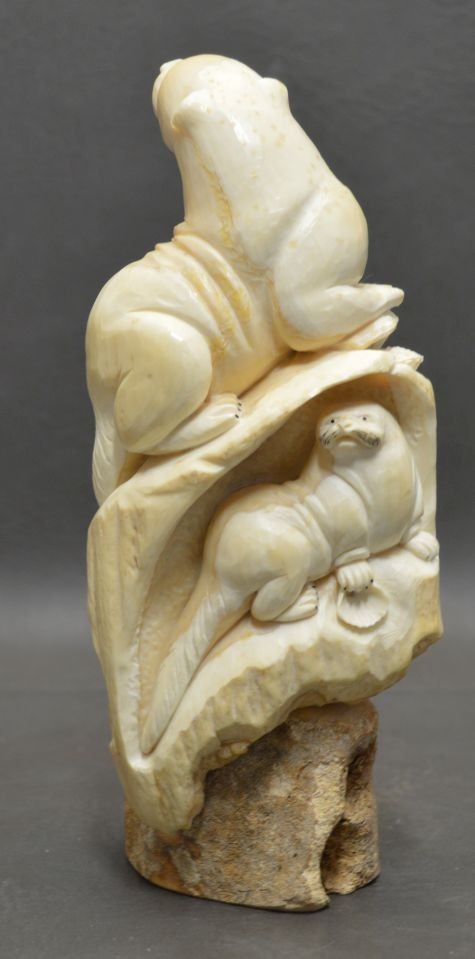

Inuit ivory carvings are rich in symbolism, reflecting the Inuit’s deep understanding of the natural world and their spiritual beliefs. Animals are a common subject in Inuit art, and each animal carries its own unique symbolism. For example, the polar bear represents strength, courage, and hunting prowess, while the seal symbolizes resourcefulness, adaptability, and the importance of the sea.
Human figures are also frequently depicted in Inuit carvings. These figures often represent ancestors, shamans, or other important members of the community. They may be shown engaged in daily activities, such as hunting, fishing, or dancing. These carvings serve as a reminder of the importance of community and the continuity of Inuit traditions.
In addition to animals and human figures, Inuit carvings often incorporate abstract designs and patterns. These designs may represent spiritual concepts, such as the interconnectedness of all things or the balance between the human and natural worlds. The interpretation of these designs can be complex and may vary depending on the artist and the cultural context.
Challenges and the Future of Inuit Ivory Carvings
Inuit ivory carvings face a number of challenges in the modern era. One of the most significant is the increasing regulation of the ivory trade. While these regulations are intended to protect endangered species, they can also have a negative impact on Inuit communities that rely on ivory carving as a source of income. The ban on elephant ivory, for example, has led to confusion and restrictions on the sale of walrus ivory, even though walruses are not an endangered species.
Another challenge is the increasing competition from mass-produced souvenirs and crafts. These items are often cheaper and more readily available than authentic Inuit carvings, making it difficult for Inuit artists to compete. It is important for consumers to be aware of the difference between authentic Inuit art and mass-produced imitations, and to support Inuit artists by purchasing their work directly or from reputable dealers.
Supporting Inuit Artists and Preserving Cultural Heritage
There are many ways to support Inuit artists and help preserve their cultural heritage. One of the most important is to purchase authentic Inuit art from reputable sources. Look for the Igloo Tag, a registered trademark that guarantees the authenticity of Inuit art. This tag ensures that the artwork was created by an Inuit artist and that it meets certain quality standards.
Another way to support Inuit artists is to visit Inuit communities and learn about their culture firsthand. Many Inuit communities offer cultural tourism programs that allow visitors to experience traditional Inuit life and learn about their art, music, and dance. By visiting these communities, you can contribute to their economic well-being and help preserve their cultural heritage.
Finally, you can support organizations that work to promote and preserve Inuit art and culture. These organizations often provide funding for Inuit artists, support cultural education programs, and advocate for policies that protect Inuit rights and interests. By supporting these organizations, you can help ensure that Inuit art and culture continue to thrive for generations to come.
Conclusion
Inuit ivory carvings are a testament to the ingenuity, resilience, and artistic talent of the Inuit people. These carvings are not just beautiful objects; they are powerful storytellers, reflecting the Inuit way of life, their spiritual beliefs, and their deep connection to the Arctic environment. By understanding and appreciating these carvings, we can gain a deeper understanding of Inuit culture and help preserve their rich heritage for future generations.
From their historical significance as tools and spiritual objects to their contemporary role as works of art, Inuit ivory carvings offer a unique window into the world of the Arctic. By supporting Inuit artists and promoting their work, we can help ensure that these remarkable creations continue to inspire and enrich our lives.


