
Inuit art, a vibrant expression of Arctic culture, has captivated art enthusiasts and collectors for decades. Beyond its aesthetic appeal, Inuit art represents a unique investment opportunity. This comprehensive guide delves into the investment value of Inuit art, exploring its history, key artists, valuation factors, and the current market landscape.
What is Inuit Art?
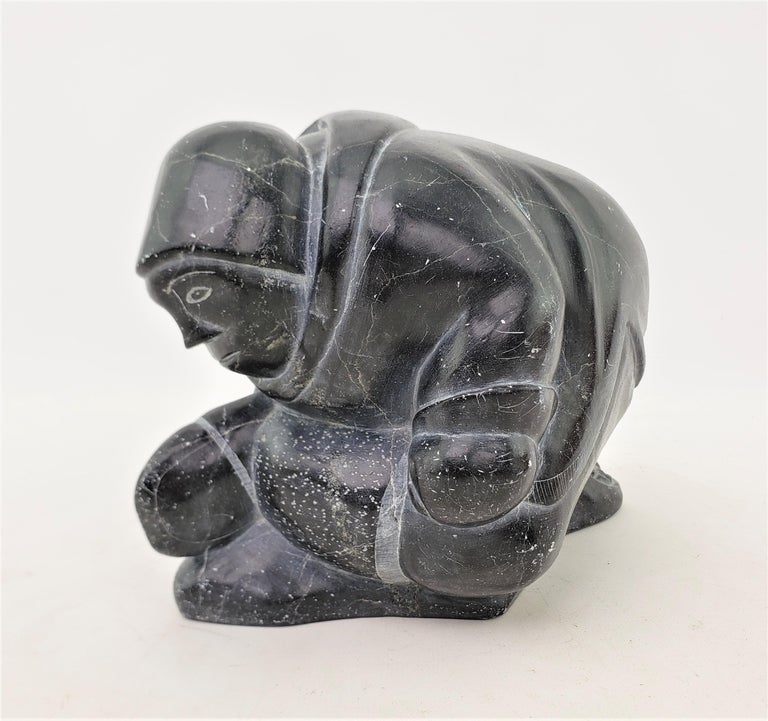
Inuit art encompasses a wide range of artistic creations by the Inuit people of the Arctic regions of Canada, Alaska, Greenland, and Russia. Primarily known for sculptures carved from stone, bone, and ivory, Inuit art also includes prints, drawings, and textile art. These pieces often depict scenes from daily life, mythology, and the natural world, offering a profound glimpse into Inuit culture and traditions.
A Brief History of Inuit Art
Inuit art has ancient roots, with archaeological evidence of carved objects dating back thousands of years. However, the commercial market for Inuit art began to develop in the mid-20th century, largely through the efforts of the Canadian government to provide economic opportunities for Inuit communities. The establishment of cooperatives and printmaking workshops in the 1950s and 60s played a crucial role in promoting and distributing Inuit art to a wider audience.
Why Invest in Inuit Art?

- Cultural Significance: Inuit art is a tangible representation of a rich and enduring culture. Owning a piece of Inuit art means owning a piece of history.
- Rarity and Uniqueness: Each piece of Inuit art is handcrafted, making it unique. The limited availability of certain materials, such as ancient ivory, further enhances the rarity of specific pieces.
- Appreciation Potential: The value of Inuit art has generally appreciated over time, driven by increasing demand and recognition of its cultural and artistic significance.
- Diversification: Inuit art can serve as a valuable addition to a diversified investment portfolio, offering an alternative asset class with the potential for long-term growth.
Key Artists and Their Influence
- Kenojuak Ashevak (1927-2013): A celebrated printmaker known for her vibrant and imaginative depictions of Arctic wildlife and Inuit legends. Her work, ‘The Enchanted Owl,’ is an iconic example of Inuit art.
- Pudlo Pudlat (1916-1992): A prolific artist whose drawings and prints often featured scenes of traditional Inuit life and encounters with the modern world.
- David Ruben Piqtoukun (1950-): A renowned sculptor known for his powerful and expressive stone carvings, often exploring themes of spirituality and transformation.
- Lucy Qinnuayuak (1915-1982): An artist celebrated for her whimsical and imaginative drawings and prints, often featuring birds, animals, and human figures.
Factors Influencing the Value of Inuit Art
- Artist: Works by established and recognized artists generally command higher prices. Researching the artist’s background, exhibition history, and critical acclaim is crucial.
- Material: The type of material used in the artwork can significantly impact its value. Carvings made from rare materials, such as ancient ivory or specific types of stone, are often more valuable.
- Subject Matter: Certain subjects, such as depictions of shamanic figures or traditional hunting scenes, may be more desirable to collectors.
- Size and Complexity: Larger and more intricate pieces generally require more time and skill to create, which can translate to a higher value.
- Condition: The condition of the artwork is paramount. Pieces in excellent condition, free from cracks, chips, or repairs, will be worth more.
- Provenance: A well-documented provenance, tracing the artwork’s ownership history, can significantly enhance its value and authenticity.
The Inuit Art Market: Trends and Analysis
The Inuit art market is dynamic and influenced by various factors, including economic conditions, collector preferences, and the availability of high-quality pieces. Auction houses, galleries, and online platforms are the primary venues for buying and selling Inuit art.
Current Market Trends
Navigating the Inuit Art Market
- Educate Yourself: Learn about Inuit art history, key artists, materials, and styles. Visit museums, galleries, and online resources to expand your knowledge.
- Establish a Budget: Determine how much you are willing to invest and stick to your budget.
- Buy from Reputable Sources: Purchase art from reputable galleries, auction houses, or dealers with a proven track record of authenticity and ethical practices.
- Inspect the Artwork Carefully: Examine the artwork for any signs of damage or repair. Ask for a condition report from a qualified conservator if necessary.
- Obtain Documentation: Request a certificate of authenticity and any available provenance information.
- Consider Insurance: Insure your Inuit art collection against damage, theft, or loss.
- Consult with Experts: Seek advice from art appraisers, consultants, or curators specializing in Inuit art.
Authentication and Provenance
- Original Purchase Receipts: Records of the initial sale of the artwork.
- Gallery Invoices: Documentation from reputable galleries.
- Exhibition Catalogues: References to the artwork in exhibition catalogues.
- Appraisals: Professional appraisals from qualified art appraisers.
- Family History: Information about the artwork’s history within an Inuit family or community.
The Role of Indigenous Art Centers
Indigenous art centers play a vital role in supporting Inuit artists and promoting their work. These centers often provide artists with studio space, materials, and marketing assistance. Purchasing art directly from these centers can be a rewarding way to support Inuit communities and ensure the authenticity of your investment.
Ethical Considerations
When investing in Inuit art, it’s essential to consider ethical implications. Ensure that the artwork was obtained legally and ethically, respecting the cultural heritage of the Inuit people. Avoid purchasing pieces made from endangered species or materials obtained through illegal means.
Preserving Your Inuit Art Collection
- Control Temperature and Humidity: Store artwork in a stable environment with consistent temperature and humidity levels.
- Protect from Light: Avoid exposing artwork to direct sunlight or UV light, which can cause fading and damage.
- Handle with Care: Handle artwork with clean hands and avoid touching the surface unnecessarily.
- Professional Cleaning: Consult with a professional conservator for cleaning and restoration services.
- Secure Storage: Store artwork in a secure location to prevent theft or damage.
The Future of Inuit Art Investment
The future of Inuit art investment looks promising. As global interest in Indigenous cultures continues to grow, the demand for Inuit art is likely to increase. Investing in Inuit art not only offers the potential for financial returns but also supports the preservation of a unique and valuable cultural heritage.
Conclusion: A Rewarding Investment
Investing in Inuit art is more than just a financial transaction; it’s an opportunity to connect with a rich cultural heritage and support the artistic traditions of the Inuit people. By understanding the history, key artists, valuation factors, and market trends, you can make informed investment decisions and build a valuable collection that will be cherished for generations to come. Remember to prioritize authenticity, ethical sourcing, and proper preservation to ensure the long-term value of your investment.
What is the most famous Inuit art? The most famous Inuit art is arguably Kenojuak Ashevak’s ‘The Enchanted Owl’, a vibrant and iconic print that has become a symbol of Inuit art. Other notable and famous works include sculptures by David Ruben Piqtoukun and prints by Pudlo Pudlat.
Is Inuit art a good investment? Yes, Inuit art can be a good investment. Its value has generally appreciated over time due to increasing demand and its cultural significance. However, like any investment, it requires careful research, due diligence, and buying from reputable sources.
How can you tell if Inuit art is real? To determine if Inuit art is real, look for signatures or artist marks, examine the materials used, research the artist’s style, and obtain a certificate of authenticity and provenance from a reputable gallery or dealer. Consulting with an Inuit art expert is also recommended.
What materials are used to make Inuit art? Common materials used in Inuit art include stone (such as soapstone, serpentine, and argillite), bone (including whalebone and caribou bone), ivory (from walrus tusks and ancient mammoth ivory), antler, wood, and various types of metal and textile for contemporary pieces.
Are there any restrictions on selling Inuit art? Yes, there are restrictions on selling certain types of Inuit art, particularly those made from endangered species or materials obtained illegally. International laws and regulations, such as CITES (Convention on International Trade in Endangered Species), govern the trade of ivory and other protected materials. Always ensure that the artwork was legally and ethically sourced.
What is the best way to care for Inuit art? The best way to care for Inuit art is to store it in a stable environment with consistent temperature and humidity, protect it from direct sunlight, handle it with clean hands, and consult with a professional conservator for cleaning and restoration. Avoid using harsh chemicals or abrasive cleaners.
Where can I buy authentic Inuit art? You can buy authentic Inuit art from reputable galleries specializing in Inuit art, auction houses, Indigenous art centers, and online platforms with a proven track record of authenticity. Research the seller’s reputation and ask for documentation of provenance before making a purchase.


