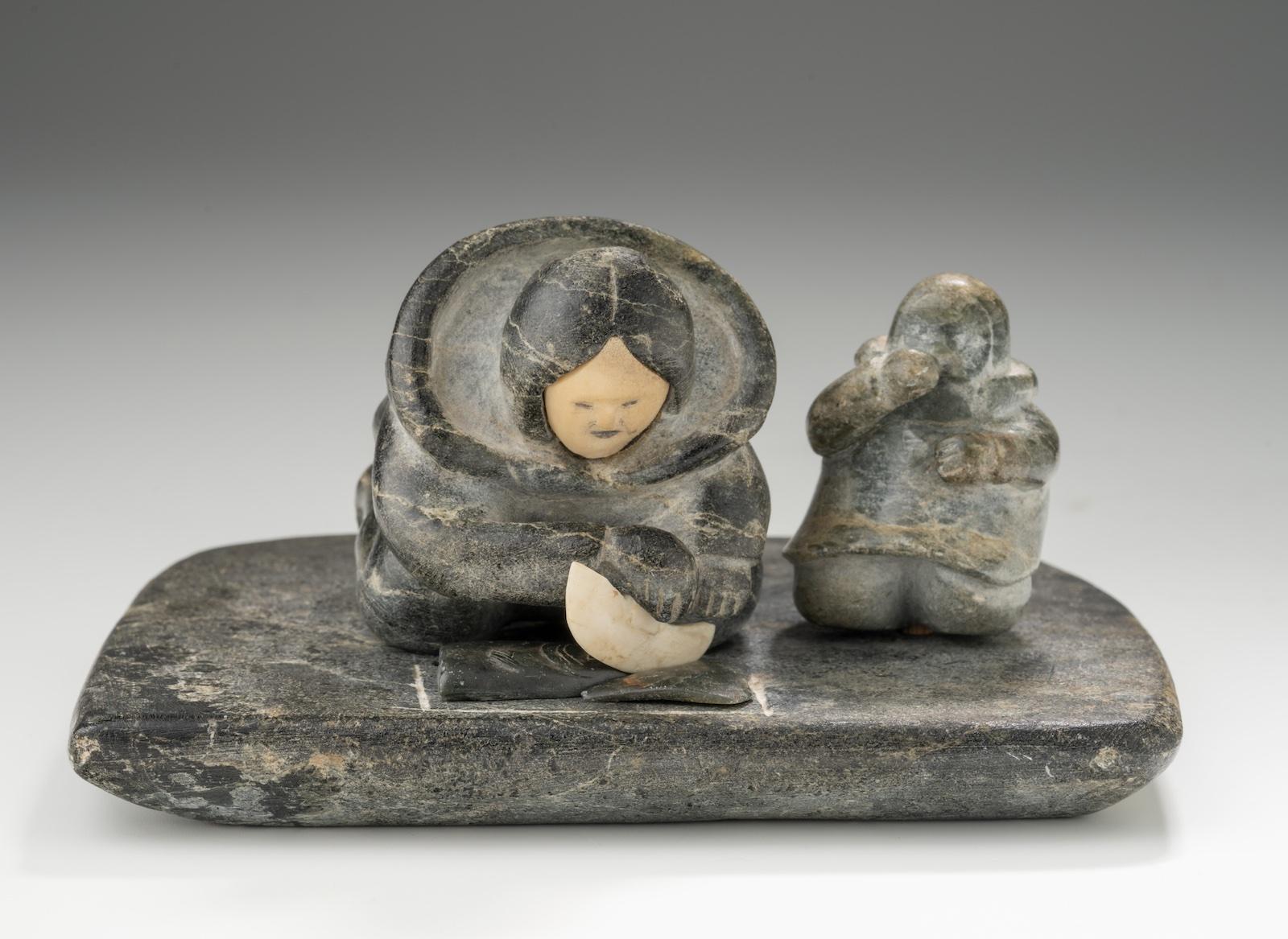
Inuit art is more than just aesthetically pleasing; it’s a profound expression of cultural identity, historical narrative, and spiritual connection to the Arctic landscape. For centuries, the Inuit people have used art to communicate their stories, beliefs, and experiences, creating a visual record of their unique way of life. This article delves into the depths of Inuit art, exploring its history, significance, and the ongoing efforts to preserve this invaluable cultural heritage.
What is Inuit Art? A Window into Arctic Culture
Inuit art encompasses a wide range of artistic expressions, including sculpture, carvings, prints, and textile art. These creations often depict scenes from daily life, hunting expeditions, animal representations, and spiritual figures. The materials used in Inuit art are typically sourced from the Arctic environment, such as stone, bone, ivory, antler, and sealskin. The resourcefulness of Inuit artists in utilizing these materials showcases their deep understanding of and connection to their surroundings.
Historical Context: The Evolution of Inuit Art
Historically, Inuit art served primarily functional and spiritual purposes. Carvings were often created as amulets for protection, tools for hunting, or representations of important figures in Inuit mythology. With the arrival of European traders and missionaries in the Arctic, Inuit art began to evolve. The introduction of new materials and techniques, coupled with the demand for Inuit art as a commodity, led to the development of a distinct art market. This transition presented both opportunities and challenges for Inuit artists, as they navigated the complexities of cultural preservation and economic survival.
The Cultural Significance of Inuit Art

Inuit art plays a vital role in preserving and transmitting Inuit culture across generations. Through their art, Inuit artists share their knowledge of traditional hunting practices, storytelling, and spiritual beliefs. These artistic expressions serve as a powerful reminder of the Inuit people’s resilience and adaptability in the face of adversity. The cultural significance of Inuit art extends beyond its aesthetic appeal, serving as a vital link to the past and a source of pride for Inuit communities.
Reflecting Inuit Life and Spirituality
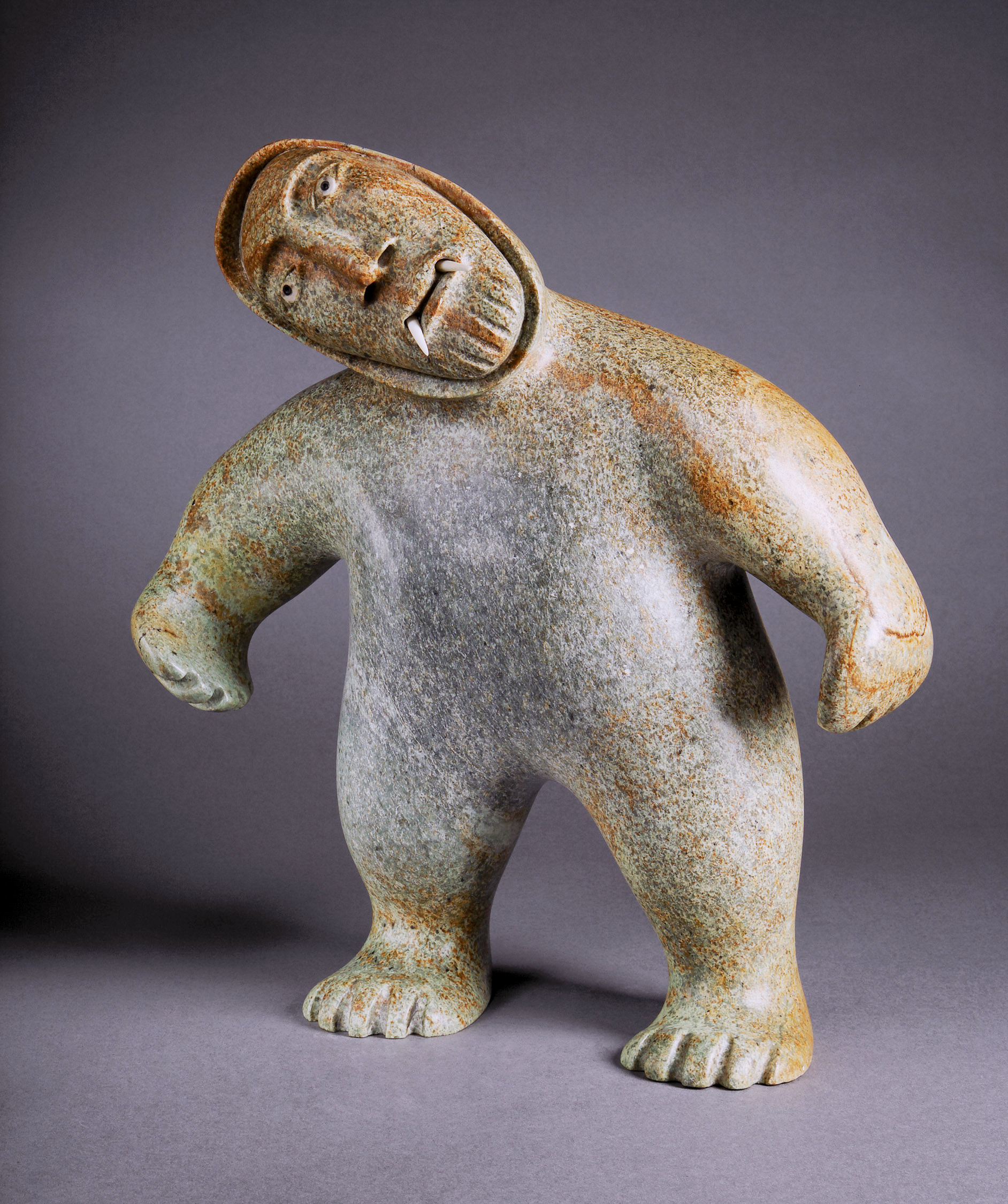
Many Inuit artworks depict scenes from daily life in the Arctic, such as hunting seals, fishing for salmon, or building igloos. These depictions provide valuable insights into the traditional skills and knowledge necessary for survival in the harsh Arctic environment. Inuit art also reflects the deep spiritual connection that Inuit people have with the land and its creatures. Animals are often portrayed with respect and reverence, recognizing their importance to the Inuit way of life. Shamanic figures and mythological beings are also common subjects in Inuit art, representing the spiritual beliefs and practices of Inuit communities.
Storytelling Through Art
Inuit art serves as a powerful medium for storytelling. Carvings and prints often depict legends, myths, and historical events, passing down important cultural knowledge from one generation to the next. These visual narratives help to preserve the oral traditions of the Inuit people, ensuring that their stories are not forgotten. The use of symbolism and imagery in Inuit art adds depth and complexity to these narratives, inviting viewers to engage with the stories on multiple levels.
Preserving Inuit Art: Challenges and Initiatives
Despite its cultural significance, Inuit art faces numerous challenges, including climate change, cultural appropriation, and economic pressures. Climate change is impacting the availability of traditional materials, such as ivory and stone, while cultural appropriation threatens to commodify and misrepresent Inuit art. Economic pressures, such as limited access to markets and resources, can also make it difficult for Inuit artists to sustain their practice. In response to these challenges, various initiatives have been launched to preserve and promote Inuit art.
Combating Climate Change Impacts
Climate change is rapidly transforming the Arctic landscape, impacting the availability of traditional materials used in Inuit art. Melting ice and thawing permafrost are making it more difficult to access hunting grounds and collect materials such as ivory and stone. To address these challenges, some Inuit communities are exploring alternative materials and sustainable harvesting practices. They are also working to raise awareness about the impact of climate change on Inuit culture and livelihoods.
Protecting Against Cultural Appropriation
Cultural appropriation is a serious concern for Inuit artists, as their work is often copied, misrepresented, or sold without proper attribution. To combat cultural appropriation, organizations such as the Inuit Art Foundation are working to educate the public about Inuit art and culture, and to advocate for stronger legal protections for Inuit artists. They are also supporting initiatives that empower Inuit artists to control the production and distribution of their work.
Supporting Inuit Artists Economically
Economic empowerment is essential for the survival of Inuit art. Many Inuit artists face barriers to accessing markets and resources, making it difficult for them to earn a living from their art. To address these challenges, various organizations are providing training, mentorship, and financial support to Inuit artists. They are also working to create new market opportunities for Inuit art, such as online platforms and art fairs.
The Role of the Inuit Art Foundation
The Inuit Art Foundation (IAF) is a leading organization dedicated to supporting and promoting Inuit art in Canada and beyond. The IAF provides funding, training, and advocacy for Inuit artists, and works to raise awareness about the cultural significance of Inuit art. Through its programs and initiatives, the IAF is helping to ensure that Inuit art continues to thrive for generations to come.
Promoting Inuit Art and Artists
The IAF actively promotes Inuit art and artists through exhibitions, publications, and online platforms. They showcase the work of both established and emerging Inuit artists, providing them with opportunities to reach new audiences and gain recognition for their talent. The IAF also works to educate the public about Inuit art and culture, fostering a deeper understanding and appreciation for this unique art form.
Supporting Artistic Development
The IAF provides a range of programs and services to support the artistic development of Inuit artists. These include mentorship programs, workshops, and artist residencies. These programs help Inuit artists to develop their skills, explore new techniques, and connect with other artists and cultural professionals.
Collecting Inuit Art: Ethical Considerations
Collecting Inuit art can be a rewarding experience, but it is important to do so ethically. Buyers should ensure that they are purchasing authentic Inuit art from reputable sources, and that the artists are being fairly compensated for their work. Supporting Inuit-owned businesses and organizations is a great way to ensure that your purchase is benefiting Inuit communities.
Authenticity and Provenance
When purchasing Inuit art, it is important to verify its authenticity and provenance. Look for pieces that are signed by the artist or that come with a certificate of authenticity. Research the seller to ensure that they are reputable and knowledgeable about Inuit art. Be wary of pieces that are priced too low, as they may be fake or stolen.
Supporting Inuit Artists Directly
One of the best ways to support Inuit art is to purchase directly from Inuit artists or Inuit-owned businesses. This ensures that the artists receive a fair price for their work and that the profits stay within Inuit communities. Look for opportunities to meet Inuit artists in person, such as at art fairs or exhibitions. By building relationships with Inuit artists, you can gain a deeper understanding and appreciation for their art and culture.
The Future of Inuit Art
The future of Inuit art is bright, thanks to the dedication of Inuit artists, cultural organizations, and supporters around the world. As Inuit art continues to evolve and adapt to new challenges and opportunities, it will remain a vital expression of Inuit culture and identity. By supporting Inuit art, we can help to ensure that this rich cultural heritage is preserved for generations to come.
Embracing New Technologies and Techniques
While traditional techniques remain important, Inuit artists are also embracing new technologies and techniques to create innovative and contemporary works of art. They are experimenting with digital art, mixed media, and other contemporary forms of expression, pushing the boundaries of Inuit art while staying true to its cultural roots. This willingness to embrace innovation is helping to ensure that Inuit art remains relevant and vibrant in the 21st century.
Educating Future Generations
Education is key to preserving Inuit art for future generations. By teaching young people about Inuit art and culture, we can inspire them to become the next generation of Inuit artists and cultural leaders. Schools and community organizations are playing an important role in providing Inuit youth with access to art education and cultural programs. These programs help to instill a sense of pride in their heritage and to empower them to express their creativity.
In conclusion, Inuit art is a powerful expression of cultural heritage that reflects the unique history, spirituality, and resilience of the Inuit people. By understanding its significance and supporting its preservation, we can help to ensure that this vital art form continues to thrive for generations to come. From carvings and prints to textile art, Inuit art offers a window into the Arctic world and a reminder of the importance of cultural diversity and preservation.
- Inuit art encompasses a wide range of artistic expressions, including sculpture, carvings, prints, and textile art.
- It serves as a powerful medium for storytelling, preserving oral traditions and historical events.
- Efforts to preserve Inuit art include combating climate change impacts, protecting against cultural appropriation, and supporting Inuit artists economically.
- The Inuit Art Foundation (IAF) plays a crucial role in promoting Inuit art, supporting artistic development, and advocating for Inuit artists.
- Collecting Inuit art ethically involves ensuring authenticity, supporting Inuit artists directly, and respecting cultural protocols.


