
Inuit art, a captivating expression of Arctic culture and heritage, has gained worldwide recognition for its unique beauty and profound storytelling. However, with increasing popularity comes the challenge of distinguishing authentic Inuit art from imitations. This comprehensive guide equips you with the knowledge and tools necessary to confidently assess the authenticity of Inuit sculptures, prints, and other art forms, ensuring you’re investing in genuine pieces that reflect the rich cultural heritage of the Inuit people.
Why Authenticity Matters
Cultural Preservation: Authentic Inuit art directly supports Inuit artists and communities, preserving their traditional knowledge and artistic practices.
Investment Value: Genuine Inuit art holds significant cultural and monetary value, appreciating over time as a tangible representation of Arctic history.
Ethical Considerations: Purchasing authentic art ensures that you are not contributing to the exploitation of Inuit culture or the production of inauthentic goods.
Appreciation and Understanding: By understanding the authenticity of a piece, you gain a deeper appreciation for the artist’s skill, the cultural context, and the stories embedded within the artwork.

Understanding Inuit Art: Key Characteristics
Before delving into authentication methods, it’s crucial to understand the defining characteristics of Inuit art. These elements provide valuable clues when assessing a piece’s origin and authenticity.
- Soapstone: A soft, easily carved stone prized for its smooth texture and varied colors.
- Bone and Antler: Materials derived from animals such as caribou, whale, and walrus, often used for smaller sculptures and intricate details.
- Ivory: Primarily walrus ivory, valued for its durability and fine grain, frequently used in carvings and jewelry.
- Stone: Various types of stone, including serpentine and argillite, contribute to the diversity of Inuit sculpture.
- Animals: Representations of Arctic wildlife, including polar bears, seals, caribou, and birds, often symbolizing strength, survival, and the interconnectedness of nature.
- Hunting and Fishing: Scenes of traditional hunting and fishing practices, reflecting the Inuit’s dependence on the land and their profound understanding of animal behavior.
- Spiritual Figures: Depictions of shamanic figures, spirits, and mythological beings, reflecting the Inuit’s rich spiritual beliefs and connection to the supernatural world.
- Daily Life: Representations of everyday activities, such as family life, games, and storytelling, providing insights into Inuit culture and social structures.
- Simplicity and Naturalism: A focus on capturing the essence of the subject matter with clean lines, smooth surfaces, and realistic proportions.
- Attention to Detail: Meticulous carving and intricate details that showcase the artist’s skill and deep understanding of the subject.
- Storytelling: The ability to convey narratives and cultural knowledge through visual representation, often reflecting the artist’s personal experiences and perspectives.
Authentication Methods: A Step-by-Step Guide
Step 1: Examine the Material
Carefully inspect the material used in the artwork. Is it consistent with traditional Inuit art materials such as soapstone, bone, antler, or ivory? Look for signs of artificial materials or techniques that deviate from traditional practices.
Step 2: Analyze the Subject Matter and Style
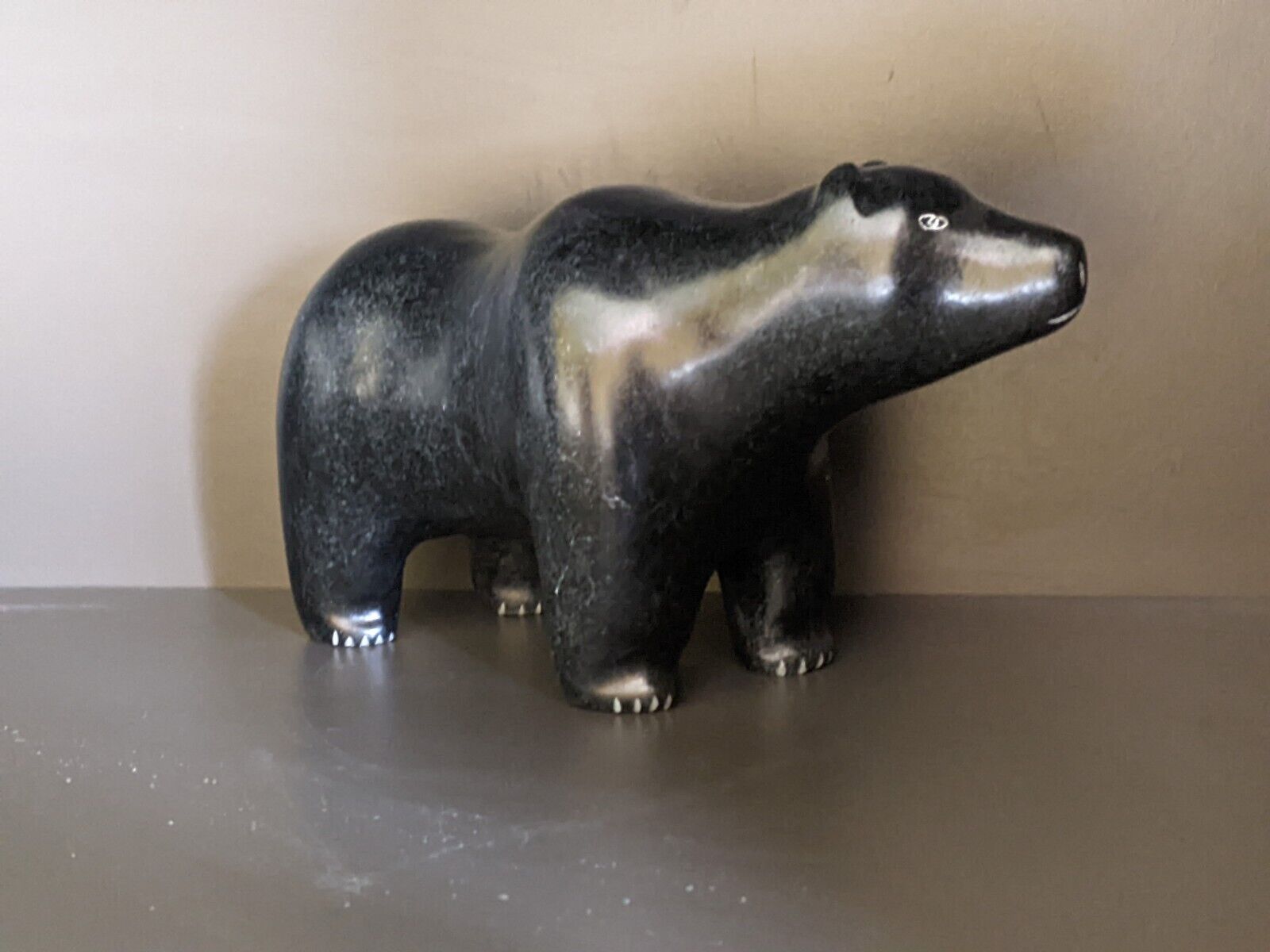
Does the subject matter align with common themes in Inuit art, such as animals, hunting scenes, or spiritual figures? Does the style reflect the simplicity, naturalism, and attention to detail characteristic of Inuit art? Be wary of pieces that depict unfamiliar subjects or exhibit stylistic inconsistencies.
Step 3: Look for the Igloo Tag or Certificate of Authenticity
The Canadian government introduced the Igloo Tag in 1958 as a mark of authenticity for Inuit art. While not all authentic pieces will have this tag (especially older works), its presence is a strong indicator of authenticity. Similarly, a certificate of authenticity from a reputable Inuit art gallery or organization can provide assurance of the artwork’s origin.
Step 4: Research the Artist (If Possible)
If the artist is known, research their background, artistic style, and affiliations. Consult Inuit art databases, gallery websites, and publications to verify their credentials and examine other examples of their work. Comparing the piece in question to known examples can help identify inconsistencies or red flags.
Step 5: Consult with Experts
When in doubt, seek the opinion of qualified Inuit art experts, appraisers, or curators. They possess the knowledge and experience necessary to assess the authenticity of a piece based on its materials, style, provenance, and other factors. Reputable galleries and museums often offer authentication services or can recommend qualified experts.
Red Flags: Signs of Inauthenticity
- Unusual Materials: The use of non-traditional materials such as plastic, resin, or painted wood.
- Mass-Produced Appearance: Lack of individual craftsmanship and signs of mass production.
- Inconsistent Style: Deviations from established Inuit art styles or the incorporation of foreign elements.
- Missing Documentation: Absence of an Igloo Tag, certificate of authenticity, or information about the artist.
- Unusually Low Price: Prices that are significantly lower than comparable authentic pieces.
The Role of the Igloo Tag
The Igloo Tag, introduced by the Canadian government, is a vital symbol of authenticity in Inuit art. It signifies that the artwork was created by an Inuit artist in Canada’s Arctic regions. However, it’s important to note that not all authentic Inuit art will bear this tag, especially pieces created before its introduction or those from regions outside of Canada. The absence of an Igloo Tag does not automatically mean the art is inauthentic, but its presence provides an added layer of assurance.
Certificates of Authenticity and Documentation
A certificate of authenticity from a reputable Inuit art gallery or organization can be a valuable indicator of authenticity. These certificates typically include information about the artist, the artwork’s title, materials, dimensions, and provenance. However, it’s essential to verify the credibility of the issuing gallery or organization to ensure the certificate is genuine.
The Importance of Provenance
Provenance refers to the history of ownership and origin of an artwork. Tracing the provenance of a piece can provide valuable insights into its authenticity and cultural significance. Look for documentation such as purchase receipts, gallery records, or historical accounts that support the artwork’s origin and ownership history. A well-documented provenance can significantly enhance the value and credibility of Inuit art.
Caring for Your Inuit Art
- Handle with Care: Always handle Inuit art with clean hands and avoid touching the surface unnecessarily.
- Avoid Direct Sunlight: Exposure to direct sunlight can cause fading and damage to the materials.
- Control Humidity: Maintain a stable humidity level to prevent cracking or warping.
- Dust Regularly: Gently dust the artwork with a soft brush or cloth to remove accumulated dust.
- Professional Cleaning: For more thorough cleaning, consult with a professional art conservator.
Where to Buy Authentic Inuit Art
- Inuit Art Galleries: Galleries specializing in Inuit art are knowledgeable about the artists and the cultural context of the artwork.
- Museum Shops: Museum shops often carry authentic Inuit art, ensuring the pieces are ethically sourced and of high quality.
- Inuit Art Cooperatives: Purchasing directly from Inuit art cooperatives supports the artists and communities directly.
Common Misconceptions About Inuit Art
Myth: All Inuit art is old.
Fact: Inuit art continues to be created by contemporary artists, reflecting evolving themes and styles.
Myth: All Inuit art is made of ivory.
Fact: While ivory is a traditional material, Inuit art also utilizes soapstone, bone, antler, and other materials.
Myth: Inuit art is only about animals.
Fact: While animals are a common subject, Inuit art also depicts scenes of daily life, spiritual figures, and historical events.
The Future of Inuit Art
Inuit art continues to evolve and adapt, reflecting the changing realities of Inuit life while preserving traditional knowledge and cultural values. Contemporary Inuit artists are exploring new materials, techniques, and themes, pushing the boundaries of artistic expression while maintaining a deep connection to their heritage. Supporting Inuit art ensures the continuation of this vital cultural tradition for generations to come.
Conclusion: Appreciating and Preserving Inuit Art
Authenticating Inuit art is essential for preserving cultural heritage, supporting Inuit artists, and ensuring the value of your investment. By understanding the key characteristics of Inuit art, following authentication methods, and seeking expert advice, you can confidently acquire genuine pieces that reflect the rich cultural traditions of the Inuit people. Remember that ethical sourcing and responsible collecting contribute to the sustainability of Inuit art and the well-being of Inuit communities. Enjoy the beauty and stories embedded within authentic Inuit art, and appreciate the profound connection it represents between the Arctic landscape, its people, and their enduring cultural legacy.
Frequently Asked Questions (FAQ)
Q: How can I tell if a piece of Inuit art is authentic?
A: Examine the material, subject matter, and style. Look for an Igloo Tag or certificate of authenticity. Research the artist and consult with experts.
Q: What is the Igloo Tag?
A: The Igloo Tag is a symbol of authenticity for Inuit art created in Canada’s Arctic regions.
A: Purchase from reputable Inuit art galleries, museum shops, or Inuit art cooperatives.
Q: What materials are commonly used in Inuit art?
A: Soapstone, bone, antler, and ivory are common materials.
Q: How should I care for my Inuit art?
A: Handle with care, avoid direct sunlight and extreme humidity, and dust regularly.
Q: Is all Inuit art old?
A: No, contemporary Inuit artists continue to create new works.
Q: What does the subject matter in Inuit art usually depict?
A: Animals, hunting scenes, spiritual figures, and daily life are common themes.


