
The Arctic, a vast and enigmatic landscape, holds stories of survival, resilience, and deep connection to the land and sea. Central to many of these narratives, particularly for the Indigenous Inuit people, is the Arctic Char. More than just a fish, the Arctic Char represents a cornerstone of diet, culture, and economic life across the circumpolar North.
This comprehensive article will immerse you in the world of Inuit Arctic Char fishing, exploring its historical roots, traditional techniques, modern adaptations, and the profound cultural significance it holds. We will uncover why this resilient fish is not only a vital food source but also a symbol of Inuit identity and stewardship of the Arctic environment.
The Arctic Char: A Northern Treasure
Arctic Char (Salvelinus alpinus) is a cold-water fish belonging to the salmon family, highly prized for its vibrant pink-to-red flesh and delicate flavour. It is an anadromous species, meaning it lives in both freshwater and saltwater, migrating between Arctic rivers, lakes, and coastal marine environments. Its unique life cycle and adaptability make it a quintessential Arctic species.
Known for its striking appearance, often exhibiting brilliant orange and red hues during spawning season, Arctic Char is a robust fish capable of thriving in the harsh conditions of the Arctic. It is a top predator in its freshwater habitats, feeding on smaller fish, insects, and crustaceans, and growing to impressive sizes in pristine northern waters.
A Timeless Connection: Inuit and Arctic Char
For millennia, the Inuit have lived in harmony with the Arctic environment, developing an intimate understanding of its rhythms and resources. Arctic Char has been, and continues to be, a critical component of the traditional Inuit diet, providing essential nutrients, particularly during the long, dark Arctic winters.
The reliance on Arctic Char extends beyond mere sustenance; it is interwoven with Inuit traditional knowledge, social structures, and spiritual beliefs. Fishing for Char is often a communal activity, fostering intergenerational learning and strengthening community bonds. Elders pass down knowledge of migration patterns, fishing spots, and sustainable harvesting techniques to younger generations.
Traditional Inuit Fishing Methods
Inuit ingenuity in adapting to the Arctic environment is perhaps best exemplified in their traditional fishing methods for Arctic Char. These techniques, refined over thousands of years, demonstrate a profound respect for the fish and its habitat.
One of the most iconic methods is ice fishing, particularly during the long winter months when lakes and rivers are covered in thick ice. Inuit would traditionally use an ulu or other sharp tools to cut holes in the ice, sometimes several feet thick. They would then employ hand-carved lures, often made from bone or antler, jigging them to attract Char.
Nets, crafted from sinew or other natural fibres, were also historically used. These nets would be set under the ice, often with intricate systems of poles and lines to guide them, or in open water during the brief summer season to capture migrating Char. The knowledge of where and when to set nets was crucial, relying on deep understanding of local hydrology and fish behaviour.
Weirs, stone structures built in rivers or shallow coastal areas, represent another ingenious traditional method. These would funnel migrating Char into a specific area, making them easier to catch with spears or nets. These methods were highly sustainable, designed to allow sufficient fish to pass through for reproduction, ensuring future harvests.
Modern Practices and Sustainable Harvesting
Today, Inuit Arctic Char fishing often blends traditional knowledge with modern technology. While many still value the traditional methods, tools like snowmobiles, ATVs, and GPS devices have made accessing remote fishing grounds more efficient. Steel hooks, monofilament lines, and factory-made lures have replaced some of the traditional gear, but the underlying principles of observation and understanding remain.
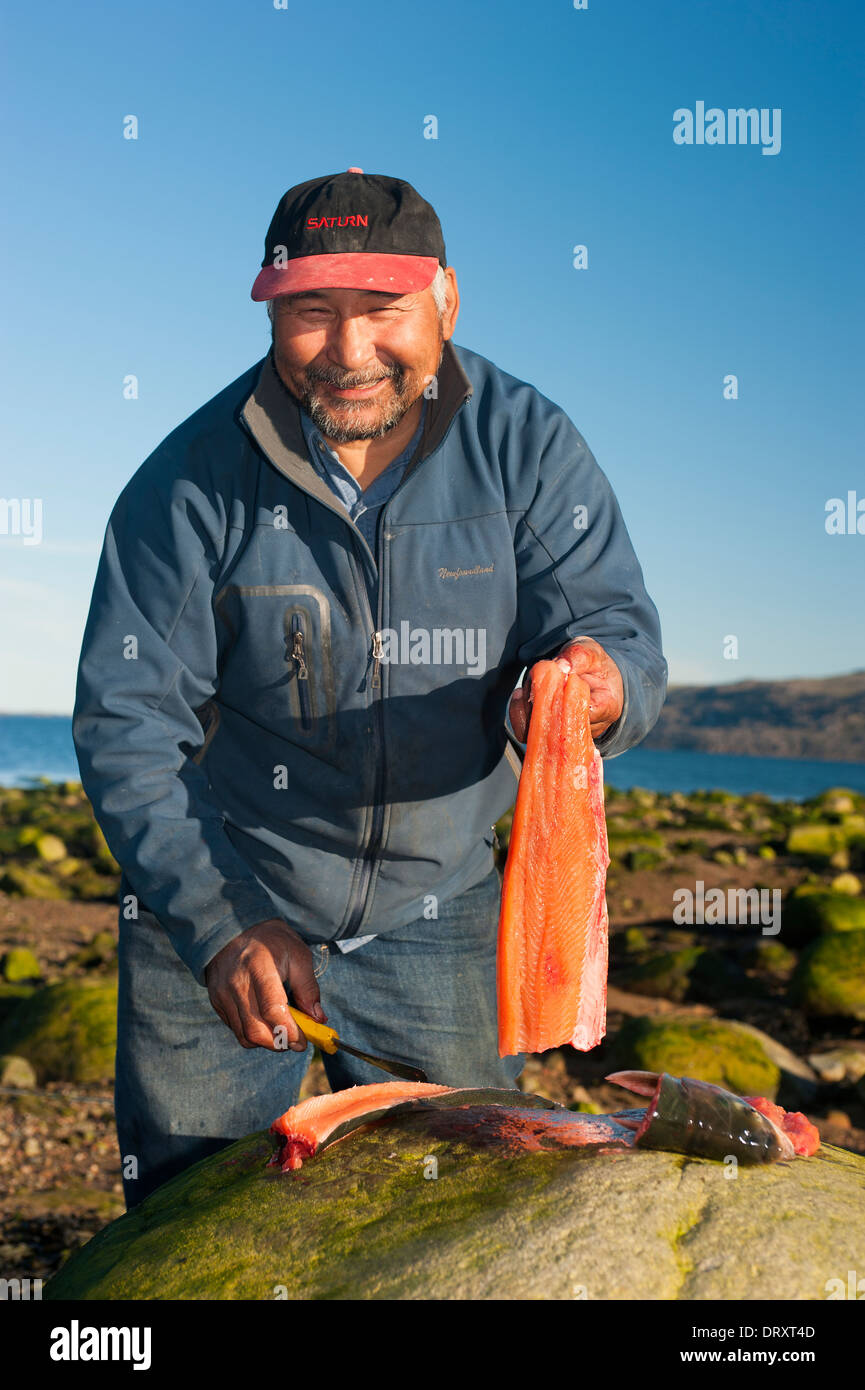
Sustainability is paramount in Inuit fishing practices. Communities often have self-imposed regulations and a deep-seated ethos of not taking more than is needed. This stewardship ensures the health of Arctic Char populations for future generations and maintains the delicate balance of the Arctic ecosystem. Commercial fisheries, where present, are typically small-scale and managed with a strong emphasis on sustainability.
Prime Fishing Locations and Seasons
Arctic Char can be found throughout the circumpolar Arctic, including Canada’s Nunavut and Nunavik regions, Greenland, Alaska, and parts of Russia and Scandinavia. For Inuit, specific rivers and lakes that have been ancestral fishing grounds for generations are highly valued.
The best time for Arctic Char fishing varies by region. In summer, Char are often found in coastal waters or river mouths as they prepare for their freshwater migration. Ice fishing is popular from late fall through spring. Spring offers excellent opportunities as Char become more active under the melting ice and near open leads.
Essential Gear for Arctic Char Anglers
For those looking to experience Arctic Char fishing, whether with Inuit guides or independently (where permitted), suitable gear is crucial. A medium-heavy spinning or baitcasting rod with a robust reel spooled with 10-20 lb test line is recommended. Lures such as spoons (e.g., Pixie, Len Thompson), jigs, and spinners are highly effective, often in bright colours like orange, red, or silver.
When ice fishing, a sturdy ice auger, a comfortable sled for gear, and appropriate cold-weather clothing are essential. Remember, the Arctic environment is unforgiving, and preparedness is key to a safe and successful trip.
The Culinary Delights of Arctic Char
Arctic Char is renowned for its rich flavour and firm, flaky texture. Often compared to salmon but with a milder, sweeter taste, it is a versatile fish that can be prepared in numerous ways. Traditionally, Inuit consume Char fresh, frozen, dried (pitsi), or fermented.
Modern preparations include grilling, baking, pan-searing, and smoking. Its high omega-3 fatty acid content makes it not only delicious but also incredibly healthy. Many restaurants specializing in northern cuisine feature Arctic Char as a signature dish, celebrating its unique taste and provenance.
Beyond the Catch: Cultural and Economic Impact
The cultural significance of Arctic Char extends to storytelling, art, and community events. It is a recurring motif in Inuit legends and artwork, symbolizing abundance and the spirit of the land. Fishing trips are often family affairs, teaching children not just how to fish, but also about the land, patience, and respect for nature.
Economically, Arctic Char supports small-scale commercial fisheries in some Inuit communities, providing income and employment. Furthermore, it is a draw for eco-tourism and sport fishing, offering visitors an authentic Arctic experience and contributing to local economies, always with an emphasis on respectful engagement and sustainable practices.
Challenges and the Future of Arctic Char
Despite its resilience, Arctic Char populations face challenges, primarily from climate change. Warming waters, changes in ice cover, and altered migration patterns can impact their habitats and life cycles. Pollution, though less prevalent in the remote Arctic, also poses a potential threat.
Inuit communities are at the forefront of monitoring these changes, using their traditional knowledge combined with scientific research to advocate for conservation and sustainable management. Their deep understanding of the ecosystem is vital for protecting Arctic Char for future generations.
Responsible Engagement for Visitors
For visitors interested in experiencing Arctic Char fishing, it is crucial to engage respectfully and responsibly. Always seek guidance from local Inuit communities or licensed outfitters. Adhere strictly to local regulations, practice catch-and-release where appropriate, and minimize your environmental footprint. Supporting local Inuit guides and businesses directly benefits the communities that have stewarded these resources for millennia.
Understanding the local customs and traditions is paramount. Asking for permission before fishing on traditional lands, respecting designated fishing areas, and being mindful of the cultural importance of the fish will enhance your experience and ensure a positive impact.
Conclusion: A Living Tradition
Inuit Arctic Char fishing is far more than a recreational activity; it is a living tradition, a testament to enduring cultural heritage, and a vital practice for food security and community well-being in the Arctic. From ancient ice-fishing techniques to modern sustainable harvests, the relationship between the Inuit and Arctic Char embodies a profound respect for nature and an unparalleled wisdom of the northern environment.
As the Arctic continues to evolve, the resilience of the Inuit and their stewardship of resources like the Arctic Char will remain critical. Their legacy offers invaluable lessons in sustainability, cultural preservation, and the deep, unbreakable bond between people and their land.


