Internships serve as critical bridges between academic learning and professional careers, offering invaluable hands-on experience, skill development, and networking opportunities. For Native American youth residing on reservations, these programs hold even greater significance, providing pathways to economic self-sufficiency, career exploration, and community empowerment while often reinforcing cultural identity and traditional knowledge.
The landscape of opportunities for indigenous youth on reservations can sometimes be challenging, marked by geographic isolation, limited infrastructure, and unique socio-economic factors. Therefore, targeted and culturally sensitive internship programs are not just beneficial; they are essential tools for fostering the next generation of leaders, innovators, and guardians of tribal sovereignty.
This comprehensive guide delves into the multifaceted world of internships available to Native American youth on reservations. We will explore the profound impact these experiences have, the specific types of programs available, how to navigate the application process, and the key components that make these initiatives truly successful and transformative.
The Critical Role of Internships for Native American Youth
- Skill Development: Internships provide practical skills directly applicable to various industries, from natural resource management to healthcare and technology.
- Career Exposure: Many youth on reservations may have limited exposure to diverse career fields. Internships open doors to new possibilities and help clarify career aspirations.
- Professional Network Building: Connecting with professionals in their chosen field offers invaluable mentorship, job references, and future career opportunities.
- Economic Empowerment: Gaining professional experience and skills directly contributes to increased employability and the potential for higher-paying jobs, fostering economic stability for individuals and their communities.
- Cultural Relevance: Many programs integrate cultural values, language, and traditional ecological knowledge, allowing youth to connect their professional growth with their heritage.
These programs are not merely about individual advancement; they are about strengthening tribal nations by developing a skilled, educated, and culturally grounded workforce capable of addressing community needs and driving self-determination.
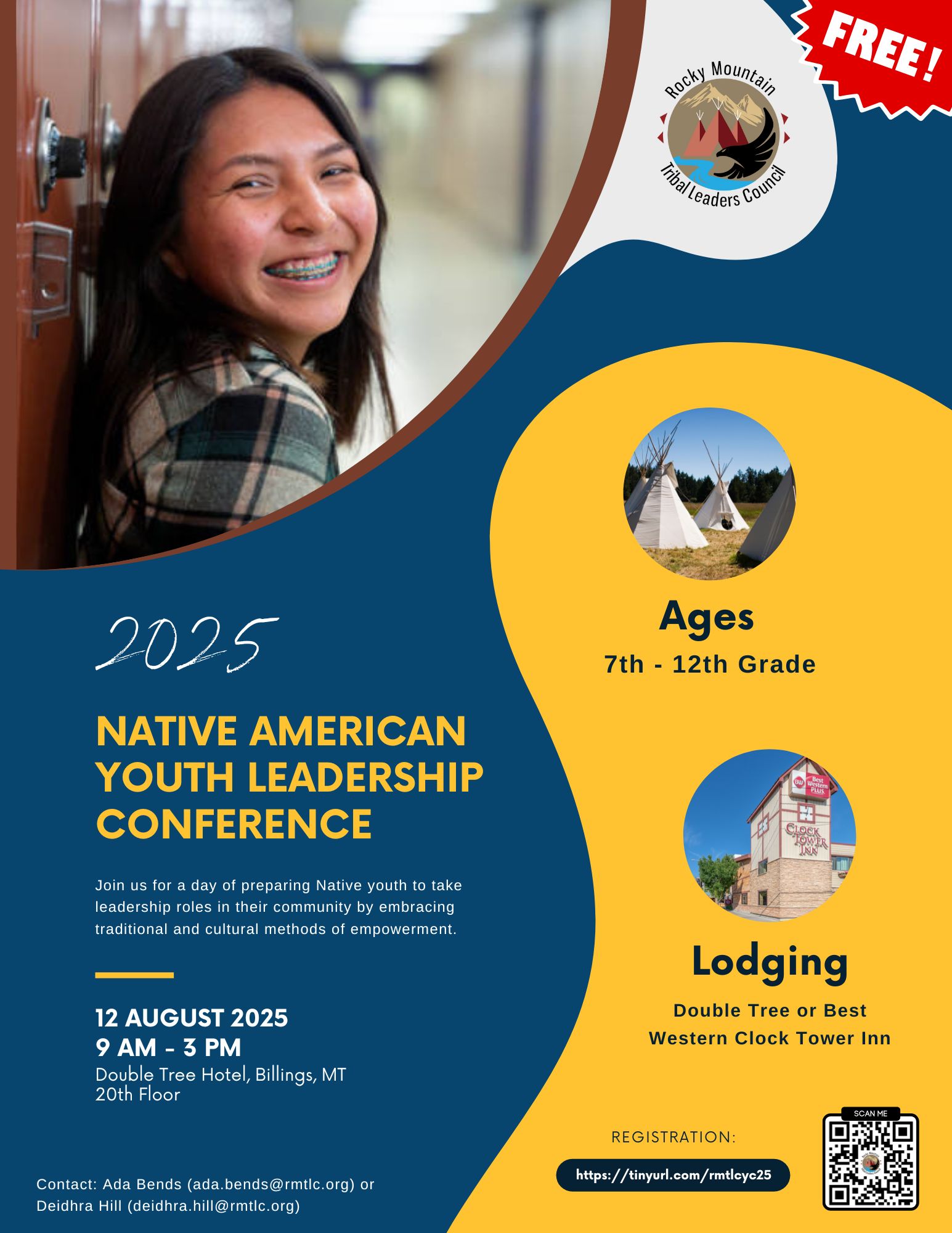
Unique Challenges and Considerations on Reservations
- Geographic Isolation: Many reservations are remote, limiting access to urban centers where many internship opportunities are concentrated.
- Limited Infrastructure: Challenges such as unreliable internet access, lack of public transportation, or adequate housing can hinder participation in programs.
- Financial Barriers: Travel costs, living expenses, and the need to support families can make unpaid or low-paying internships unfeasible for many students.
- Culturally Appropriate Programs: The need for programs that respect and incorporate tribal values, traditions, and governance structures is paramount.
- Awareness and Outreach: Ensuring youth are aware of available opportunities and how to apply requires effective communication channels within communities.
Addressing these challenges often requires collaborative efforts between tribal governments, federal agencies, non-profit organizations, and educational institutions to create accessible and relevant programs.
Diverse Types of Internships Available
- Government and Tribal Administration: Internships with tribal councils, BIA agencies, or other federal departments (e.g., Department of Interior, USDA) focus on policy, public administration, legal affairs, and community services.
- Environmental and Natural Resources: Programs centered on land management, conservation, climate change research, water quality, and sustainable development are crucial for tribes with significant land holdings.
- Healthcare: Opportunities within Indian Health Service (IHS) facilities, tribal clinics, or public health initiatives offer exposure to medicine, nursing, public health, and health administration.
- Education: Internships in tribal schools, community colleges, or university programs focus on curriculum development, teaching assistance, youth mentorship, and educational administration.
- STEM Fields: Science, Technology, Engineering, and Mathematics (STEM) internships are growing, providing experience in areas like software development, engineering, environmental science, and data analysis. Organizations like the American Indian Science and Engineering Society (AISES) are key facilitators here.
- Arts, Culture, and Heritage: Internships at tribal museums, cultural centers, or language revitalization programs help preserve and promote indigenous cultures and languages.
- Business and Entrepreneurship: Opportunities within tribal enterprises (casinos, resorts, energy companies) or with small businesses on reservations provide insights into management, marketing, finance, and entrepreneurship.
These diverse pathways allow youth to align their career interests with critical community needs, fostering a sense of purpose and contribution.
Finding and Accessing Internship Opportunities
- Tribal Education Departments: Your tribal government’s education department is often the first and best resource for local and regional opportunities, scholarships, and guidance.
- Native American Non-Profits: Organizations such as AISES, the National Congress of American Indians (NCAI), Native American Finance Officers Association (NAFOA), and the Native American Rights Fund (NARF) frequently offer internship programs or maintain extensive databases of opportunities.
- Federal Agencies: Many federal departments, including the Department of the Interior (DOI), USDA, EPA, and NSF, have specific programs targeting Native American students, often with a focus on natural resources, public service, or STEM.
- University Partnerships: Many universities partner with tribal nations to offer research experiences, summer programs, and academic internships. Check with institutions known for strong Native American studies programs or outreach.
- Online Platforms and Job Boards: Websites like USAJOBS.gov (for federal internships), Indigenous.Jobs, and Handshake (often linked through colleges) can be valuable resources.
- Community Outreach and Mentors: Networking within your community, speaking with elders, tribal leaders, and professionals, can uncover local opportunities or lead to referrals.
Proactive research and utilizing available support systems are crucial steps in securing a meaningful internship experience.
Key Components of Successful Internship Programs
- Strong Mentorship: Pairing interns with experienced professionals who understand and respect tribal cultures is vital for guidance, support, and professional development.
- Culturally Relevant Curriculum: Integrating tribal history, values, and governance into the internship experience makes it more meaningful and impactful.
- Fair Compensation: Providing stipends or wages ensures that financial barriers do not prevent deserving youth from participating.
- Professional Development Workshops: Offering training in resume writing, interview skills, public speaking, and financial literacy prepares interns for future career success.
- Networking Opportunities: Facilitating interactions with a broad range of professionals and peers can expand an intern’s horizons and build valuable connections.
- Post-Internship Support: Helping interns transition to further education, full-time employment, or continued community involvement ensures long-term impact.
These components collectively create an environment where indigenous students can thrive, learn, and contribute meaningfully.
Highlighting Impact and Success Stories
While specific individual stories are numerous, the collective impact of these internships is profound. For example, a young person interning with their tribal natural resources department might develop skills in GIS mapping, leading to a full-time position protecting ancestral lands. Another might intern at a tribal healthcare clinic, inspiring them to pursue a medical degree to serve their community as a physician.
These experiences often instill a deep sense of responsibility and commitment to their tribal nations. Interns return with new skills, fresh perspectives, and a strengthened desire to contribute to community development and self-determination, becoming agents of positive change.
Many go on to become tribal leaders, entrepreneurs, educators, and healthcare providers, directly addressing the needs and advancing the sovereignty of their communities. The ripple effect of these individual successes contributes significantly to the overall well-being and future prosperity of tribal nations.
The Future of Internships for Indigenous Youth
- Increased Funding and Partnerships: More federal, state, and private sector investment will be crucial to expand program reach and offerings.
- Leveraging Technology: Remote and hybrid internship opportunities can help overcome geographic barriers, making programs accessible to more youth.
- Diversification of Fields: As tribal economies evolve, internships in emerging fields like renewable energy, digital media, and advanced manufacturing will become more prevalent.
- Strengthening Cultural Integration: A continued emphasis on programs that deeply integrate cultural teachings and traditional knowledge will ensure that professional growth aligns with indigenous values.
- Early Exposure: Programs targeting middle and high school students will become more common, fostering interest in career pathways from a younger age.
These advancements will ensure that internships remain a powerful tool for empowering Native American youth and supporting the long-term vitality of tribal nations.
Conclusion
Internships for Native American youth on reservations are more than just temporary work experiences; they are transformative journeys that equip young individuals with essential skills, broaden their horizons, and connect them deeply to their cultural heritage and community responsibilities. By providing practical experience, professional mentorship, and culturally relevant learning, these programs lay a strong foundation for future career success and leadership within tribal nations.
Despite existing challenges, the concerted efforts of tribal governments, federal agencies, non-profits, and educational institutions are creating increasingly diverse and accessible opportunities. Investing in these internships is an investment in the future of indigenous communities, fostering a generation of capable, confident, and culturally grounded professionals dedicated to advancing tribal sovereignty and well-being. Empowering these youth through meaningful internship experiences is paramount to building resilient, prosperous, and self-determining tribal nations for generations to come.


.jpeg?w=200&resize=200,135&ssl=1 "Job Training Programs On Indian Reservations")
