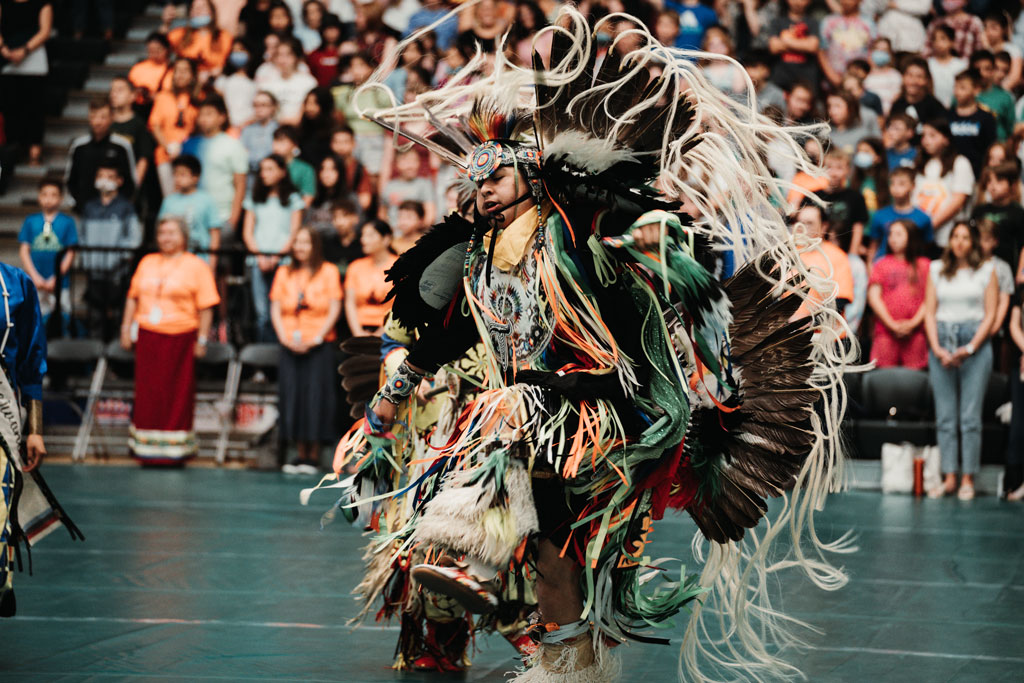
Speaking Across Divides: Intercultural Communication and the Future of Turtle Island
Turtle Island, the Indigenous name for what is largely known as North America, is a land rich in diverse cultures, histories, and worldviews. Yet, for centuries, the narrative has been dominated by misunderstanding, conflict, and the tragic failures of intercultural communication. The ongoing journey towards reconciliation, justice, and a shared future on this continent hinges fundamentally on our collective ability to bridge these communicative divides – not just through words, but through deep listening, empathy, and a profound respect for distinct epistemologies and ways of being.
The concept of Turtle Island itself is a powerful starting point. For many Indigenous nations, it is not merely a geographical designation but a living entity, a sacred homeland gifted through creation stories, often involving a turtle carrying the world on its back. This foundational understanding imbues the land with spiritual significance, responsibilities of stewardship, and a deeply relational worldview that stands in stark contrast to the European colonial concept of land as property to be owned, exploited, and controlled. This initial clash of worldviews – a communicative breakdown at the most fundamental level – set the stage for centuries of dispossession, violence, and systematic attempts to erase Indigenous cultures.
The Historical Erosion of Communication
The arrival of European settlers marked not just a physical encounter but a collision of epistemologies. Early interactions, particularly the negotiation of treaties, reveal the profound chasm in communication. European colonizers often viewed treaties as land surrenders, a legal transfer of title. For many Indigenous peoples, however, treaties represented agreements of shared stewardship, mutual respect, and co-existence, symbolized perhaps by the Haudenosaunee (Iroquois) Two-Row Wampum belt. This belt, dating back to 1613, depicts two parallel rows of purple beads on a white background, representing two distinct vessels – a European ship and an Indigenous canoe – traveling side-by-side down the river of life, each with its own laws, customs, and spiritual beliefs, never interfering with the other. The failure of colonial powers to uphold this spirit, instead imposing their own interpretations and systems, laid the groundwork for persistent mistrust and the breaking of promises.
This communicative violence escalated with policies like the residential school system in Canada and the boarding school system in the United States. These institutions were explicitly designed to "kill the Indian in the child," forcefully severing linguistic, cultural, and spiritual ties. Children were punished for speaking their Indigenous languages, thereby destroying the very vehicles through which their cultures, histories, and worldviews were transmitted. This deliberate act of cultural genocide, a direct attack on Indigenous communication systems, created generations of trauma, disrupted family structures, and left a lasting legacy of silence and fear that continues to impact intercultural dialogue today.
Dimensions of the Intercultural Communication Challenge
Understanding the complexities of intercultural communication on Turtle Island requires moving beyond simple language barriers to acknowledge deeper structural and cultural differences:
-
Worldviews and Epistemologies: Indigenous knowledge systems are often holistic, relational, and transmitted orally, emphasizing interconnectedness, cyclical time, and observation of the natural world. Western knowledge systems tend to be linear, analytical, and text-based, prioritizing individualism and control over nature. Communicating effectively requires recognizing the validity and value of these divergent ways of knowing. For instance, discussions around resource development often highlight this tension: where one perspective sees "natural resources" for extraction, another sees "relations" that sustain life and community.
-
Verbal and Non-Verbal Cues: Communication styles vary significantly. In many Indigenous cultures, silence can signify respect, careful consideration, or a moment for spiritual connection, while in Western contexts, silence is often interpreted as discomfort, disagreement, or a lack of understanding. Direct eye contact, seen as a sign of honesty and engagement in many Western cultures, can be perceived as aggressive or disrespectful in some Indigenous contexts. The use of metaphor, storytelling, and indirect communication is also prevalent in many Indigenous traditions, requiring listeners to engage more deeply and contextually than a purely literal interpretation would allow.
-
Power Dynamics: Communication is never neutral; it is always embedded in power structures. The history of colonialism means that intercultural communication on Turtle Island has historically occurred within a profoundly imbalanced power dynamic. Non-Indigenous institutions and individuals often hold positions of greater systemic power, and this imbalance can unconsciously (or consciously) shape how conversations unfold, whose voices are prioritized, and whose narratives are accepted as truth. Decolonizing communication means actively challenging these power imbalances and creating equitable spaces for dialogue.
-
Historical Trauma and Mistrust: The cumulative impact of historical injustices – land theft, broken treaties, residential schools, systemic racism – has generated deep-seated mistrust. Effective intercultural communication cannot ignore this historical context. It requires acknowledging past harms, understanding their ongoing effects, and recognizing that trust must be earned through consistent, respectful, and accountable action, not merely through words.
The Path Forward: Principles for Effective Communication
Navigating these complexities requires a commitment to specific principles and practices:
-
Cultural Humility: This goes beyond cultural competence. It’s a lifelong commitment to self-reflection and self-critique, acknowledging one’s own biases, and understanding that one can never be "competent" in another’s culture. Instead, it involves approaching interactions with an attitude of learning, respect, and a willingness to challenge one’s own assumptions. It means being open to feedback and recognizing that the individual from the other culture is the expert on their own experience.
-
Active and Deep Listening: This involves more than just hearing words. It means listening for underlying values, worldviews, emotions, and the historical context informing what is being said (or not said). It requires patience, presence, and a genuine desire to understand another’s perspective, even if it differs profoundly from one’s own. As many Indigenous elders teach, "Listen with your heart, not just your ears."
-
Building Relationships and Trust: Effective intercultural communication is not a transactional exchange; it is relational. It requires investing time in building genuine relationships, demonstrating consistency, reliability, and respect. Trust is the foundation upon which meaningful dialogue can occur, and it cannot be rushed. This often means prioritizing ceremony, shared meals, and informal interactions before engaging in formal discussions.
-
Decolonizing Communication Spaces: This involves actively creating environments where Indigenous voices are not just "included" but are central and genuinely heard. It means questioning dominant narratives, challenging Eurocentric assumptions about knowledge and decision-making, and making space for Indigenous protocols, languages, and ways of expressing themselves. This could involve using Indigenous languages in meetings, incorporating opening and closing prayers, or acknowledging the traditional territories on which discussions are taking place.
-
Understanding Treaty Relationships: For non-Indigenous peoples, particularly in Canada, understanding the spirit and intent of treaties is a critical component of intercultural communication. It involves moving beyond a colonial interpretation of treaties as historical documents of surrender and instead engaging with them as living agreements that define ongoing relationships and responsibilities. This framework encourages communication that seeks mutual benefit and respect for Indigenous sovereignty.
-
Supporting Language Revitalization: Indigenous languages are not just communication tools; they are repositories of culture, knowledge, and identity. Supporting their revitalization is a crucial act of decolonization and an investment in the future of distinct Indigenous worldviews. Learning basic greetings or phrases in local Indigenous languages can also be a powerful gesture of respect and a step towards deeper understanding.
A Shared Future on Turtle Island
The imperative of effective intercultural communication on Turtle Island extends far beyond correcting historical wrongs. It is about building a shared, equitable, and sustainable future. Addressing pressing challenges like climate change, resource management, social justice, and economic development requires the wisdom, perspectives, and active participation of all peoples on this land. Indigenous knowledge systems, rooted in millennia of observation and relational understanding with the environment, offer invaluable insights for planetary stewardship.
The United Nations Declaration on the Rights of Indigenous Peoples (UNDRIP), which Canada and the United States have endorsed, provides a framework for communication based on Free, Prior, and Informed Consent (FPIC) – a principle that necessitates genuine, transparent, and respectful dialogue with Indigenous peoples before any project affecting their lands or rights proceeds. This is a powerful mechanism for shifting away from paternalistic decision-making towards true partnership and shared governance.
Ultimately, the future of Turtle Island, and indeed the world, hinges on our collective ability to truly hear, understand, and respect one another. It requires moving beyond tokenistic gestures to cultivate a profound commitment to ongoing learning, empathy, and reconciliation. By embracing the principles of cultural humility, active listening, and decolonized communication, we can begin to heal the wounds of the past and build a future where the diverse voices of Turtle Island can speak, be heard, and thrive in harmony. This journey is not without its challenges, but the rewards – a more just, resilient, and interconnected society – are immeasurable.


