Indian Reservations, often overlooked in mainstream narratives, are vibrant hubs of innovation and self-determination. Far from static, these sovereign nations are actively engaging in groundbreaking projects that address unique challenges while fostering economic growth, environmental sustainability, and cultural resilience. This comprehensive article delves into the diverse array of innovative initiatives shaping the future of tribal communities across the United States.
The narrative surrounding Native American tribes is often rooted in historical challenges. However, a powerful and increasingly visible counter-narrative highlights their incredible capacity for innovation. Today, tribal nations are leveraging their sovereignty, cultural heritage, and deep connection to the land to implement forward-thinking solutions that benefit their people and often serve as models for the wider world.
Pioneering Renewable Energy Initiatives
One of the most significant areas of innovation on Indian Reservations is in renewable energy. With vast land resources and a strong commitment to environmental stewardship, many tribes are becoming leaders in solar, wind, and geothermal power generation. These projects not only provide sustainable energy but also create jobs and generate revenue for tribal governments.
Solar Power: A Bright Future. Numerous tribes are installing large-scale solar farms. The Moapa Band of Paiute Indians in Nevada, for instance, hosts one of the largest solar projects on tribal lands, powering thousands of homes. These initiatives reduce carbon footprints and offer energy independence, often in areas historically underserved by traditional utilities.
Harnessing the Wind. Wind energy projects are also gaining traction. The Rosebud Sioux Tribe in South Dakota developed the first entirely tribally owned and operated utility-scale wind farm, demonstrating a powerful model for energy sovereignty. These projects often involve complex financing and community engagement, showcasing tribal leadership and resilience.

Geothermal and Hydroelectric Ventures. Beyond solar and wind, some tribes are exploring geothermal energy, particularly in regions with suitable geological features. Additionally, smaller-scale hydroelectric projects are being utilized where natural water sources allow, providing clean, consistent power and further diversifying tribal energy portfolios.
Sustainable Agriculture and Food Sovereignty
Reclaiming traditional food systems and adopting modern sustainable agricultural practices are central to many innovative projects. Tribes are focused on food sovereignty – the right of peoples to healthy and culturally appropriate food produced through ecologically sound and sustainable methods, and their right to define their own food and agriculture systems.
Community Gardens and Traditional Foods. Many reservations are revitalizing traditional food cultivation methods, establishing community gardens, and growing culturally significant crops like corn, beans, and squash. These efforts not only provide nutritious food but also strengthen cultural identity and intergenerational knowledge transfer.
Modern Agricultural Techniques. Alongside traditional practices, tribes are integrating modern sustainable agriculture. This includes hydroponics, aquaponics, and precision farming techniques to maximize yields with minimal environmental impact, especially in areas with challenging climates or limited water resources. The Navajo Nation’s initiatives in controlled environment agriculture are notable examples.
Driving Economic Development and Entrepreneurship
Economic diversification is a key driver of innovation. Tribes are moving beyond traditional gaming enterprises to explore a wide range of industries, fostering entrepreneurship and creating diverse employment opportunities for their members.
Tech and Broadband Expansion. Recognizing the critical importance of connectivity, many tribes are investing heavily in broadband infrastructure. Projects like the Navajo Tribal Utility Authority’s extensive fiber optic network are bridging the digital divide, enabling remote work, e-learning, and access to telemedicine, thereby opening new economic avenues.
Tourism and Cultural Heritage. Leveraging their rich cultural heritage and pristine natural landscapes, tribes are developing sustainable tourism initiatives. These projects range from eco-tourism resorts and cultural centers to guided tours that educate visitors about Native American history and traditions, providing economic benefits while preserving cultural integrity.

Diversified Industries. From manufacturing and construction to healthcare services and even cannabis cultivation (where legal), tribal enterprises are diversifying their economic portfolios. The success of these ventures often hinges on strategic partnerships, robust business plans, and the unique advantages of tribal sovereignty.
Advancing Healthcare and Wellness Initiatives
Addressing health disparities and improving access to quality healthcare is a critical area of tribal innovation, often blending traditional healing practices with modern medical advancements.
Telemedicine and Remote Care. For many remote reservations, telemedicine has been a game-changer. Tribes are implementing advanced telehealth systems that allow members to consult with specialists, receive diagnoses, and manage chronic conditions without extensive travel, significantly improving health outcomes.
Community Health Programs. Beyond clinical care, tribes are developing holistic community health programs focusing on preventative care, mental health, and substance abuse treatment. These initiatives often incorporate culturally relevant approaches and traditional healing practices, fostering a more comprehensive view of wellness.
Education, Language, and Cultural Revitalization
Preserving and revitalizing Native languages and cultural practices is paramount. Innovative educational programs are central to these efforts, ensuring that future generations remain connected to their heritage.
Immersion Schools and Curricula. Tribal nations are establishing language immersion schools and developing culturally relevant curricula that teach tribal histories, traditions, and languages. These schools are vital in reversing decades of cultural suppression and fostering strong tribal identities.
Digital Cultural Archives. Leveraging technology, tribes are creating digital archives of oral histories, traditional songs, ceremonies, and historical documents. These invaluable resources ensure the preservation of cultural knowledge and make it accessible for educational purposes and future research.
Infrastructure Development and Modernization
Modernizing infrastructure is foundational to all other development. Tribes are undertaking ambitious projects to improve housing, water systems, roads, and waste management.
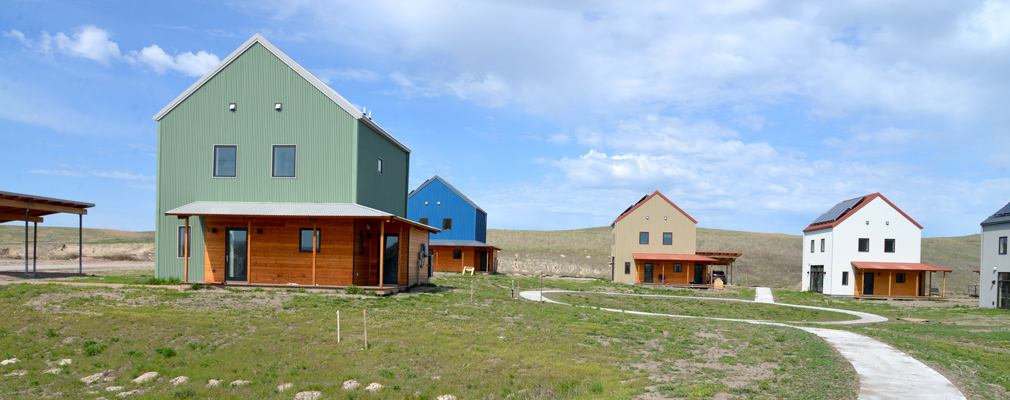
Sustainable Housing Solutions. Innovative housing projects on reservations often incorporate sustainable building materials, energy-efficient designs, and culturally appropriate architecture. Addressing housing shortages with modern, eco-friendly solutions is a priority for many communities.
Water Management and Conservation. Given the impact of climate change, tribes are leading in advanced water management techniques, including water harvesting, efficient irrigation systems, and protecting vital water sources, ensuring long-term sustainability for their communities.
Environmental Stewardship and Conservation
Native American tribes have long been stewards of the land, and this deep connection is reflected in innovative conservation efforts that protect biodiversity and manage natural resources sustainably.
Tribal Parks and Wildlife Management. Many tribes are establishing their own tribal parks and wildlife management areas, implementing traditional ecological knowledge alongside modern scientific approaches to manage forests, conserve endangered species, and protect sacred sites.
Climate Change Adaptation. Tribes are at the forefront of developing climate change adaptation strategies, from relocating communities threatened by rising sea levels to restoring ecosystems to enhance resilience against extreme weather events.
Challenges and the Path Forward
Despite these incredible innovations, tribal nations continue to face challenges, including limited access to capital, bureaucratic hurdles, and the ongoing impacts of historical injustices. However, the resilience and determination of tribal leaders and community members consistently overcome these obstacles.
The success of these projects often relies on strong partnerships with federal agencies, state governments, non-profits, and private sector companies. These collaborations are vital for securing funding, sharing expertise, and scaling successful initiatives.
The innovative projects on Indian Reservations are not merely about economic development; they are about self-determination, cultural revitalization, and building a sustainable future rooted in Indigenous values. They demonstrate a powerful vision for progress that respects tradition while embracing modern solutions.
In conclusion, the landscape of Indian Reservations is being dramatically reshaped by a wave of innovation. From pioneering renewable energy installations and revitalizing traditional food systems to expanding broadband access and preserving ancestral languages, tribal nations are demonstrating remarkable leadership. These projects are testaments to the enduring spirit, ingenuity, and self-governance of Native American communities, offering invaluable lessons for sustainable development and community empowerment worldwide.
The ongoing commitment to innovation ensures that Indian Reservations are not just places of historical significance, but dynamic centers of progress, resilience, and hope for generations to come.


