Reclaiming Prosperity: The Indigenous Economic Renaissance on Turtle Island
For centuries, the narrative surrounding Indigenous peoples on Turtle Island – a term encompassing North America, deeply rooted in many Indigenous creation stories – has often been one of marginalization, dispossession, and systemic barriers. Yet, beneath the surface of historical injustice, a powerful and transformative economic renaissance is underway. Indigenous communities, from remote First Nations in Canada to sovereign Tribal Nations across the United States, are not merely participating in the mainstream economy; they are actively shaping it, building sustainable futures rooted in self-determination, cultural values, and a profound connection to the land. This is not just about wealth generation; it is about the revitalization of languages, the restoration of traditional governance, and the reassertion of inherent sovereignty.
To truly grasp the significance of this movement, one must briefly acknowledge the historical context. Pre-contact Indigenous economies were sophisticated, diverse, and deeply intertwined with the environment, characterized by extensive trade networks, sustainable resource management, and communal well-being. Colonialism, however, systematically dismantled these systems, replacing them with policies designed to assimilate, dispossess, and exploit. Land theft, forced relocation, the residential school system, and the imposition of foreign governance structures stripped communities of their economic bases, leading to generations of poverty, dependency, and the erosion of cultural identity. The legacy of these policies continues to present significant challenges, from inadequate infrastructure and limited access to capital to persistent systemic discrimination.
However, the tide is turning. A paradigm shift, driven by Indigenous leadership and the assertion of inherent rights, has moved communities from a position of dependency to one of self-determination. Legal victories, modern treaties, land claims settlements, and the recognition of Aboriginal and Treaty rights in Canada, alongside the affirmation of Tribal sovereignty in the U.S., have provided crucial leverage. These legal frameworks are not merely symbolic; they are the bedrock upon which new economic realities are being built. They empower communities to negotiate resource-sharing agreements, establish their own businesses, and control their own destinies. As Chief Robert Louie, former Chief of the Westbank First Nation, once stated, "Economic reconciliation is about creating opportunities for Indigenous people to participate meaningfully in the economy, on their own terms, and for the benefit of their communities."
Today, Indigenous economic development spans an impressive array of sectors, demonstrating remarkable adaptability and innovation.
Resource Management & Energy: Moving beyond simple resource extraction, many Indigenous communities are becoming leaders in sustainable resource management and renewable energy. Rather than being passive recipients of royalties, they are securing equity stakes, forming joint ventures, and implementing co-management agreements in forestry, mining, and oil and gas. This ensures that environmental stewardship, often guided by traditional ecological knowledge, is prioritized alongside economic gain. For example, in Canada, the First Nations Major Projects Coalition represents over 130 First Nations working to secure ownership in major infrastructure and resource projects, collectively pursuing billions in economic value. In the U.S., the Navajo Nation, the largest tribal nation, has embraced solar energy, developing large-scale projects that generate power for both tribal and non-tribal communities, creating jobs and reducing reliance on fossil fuels.
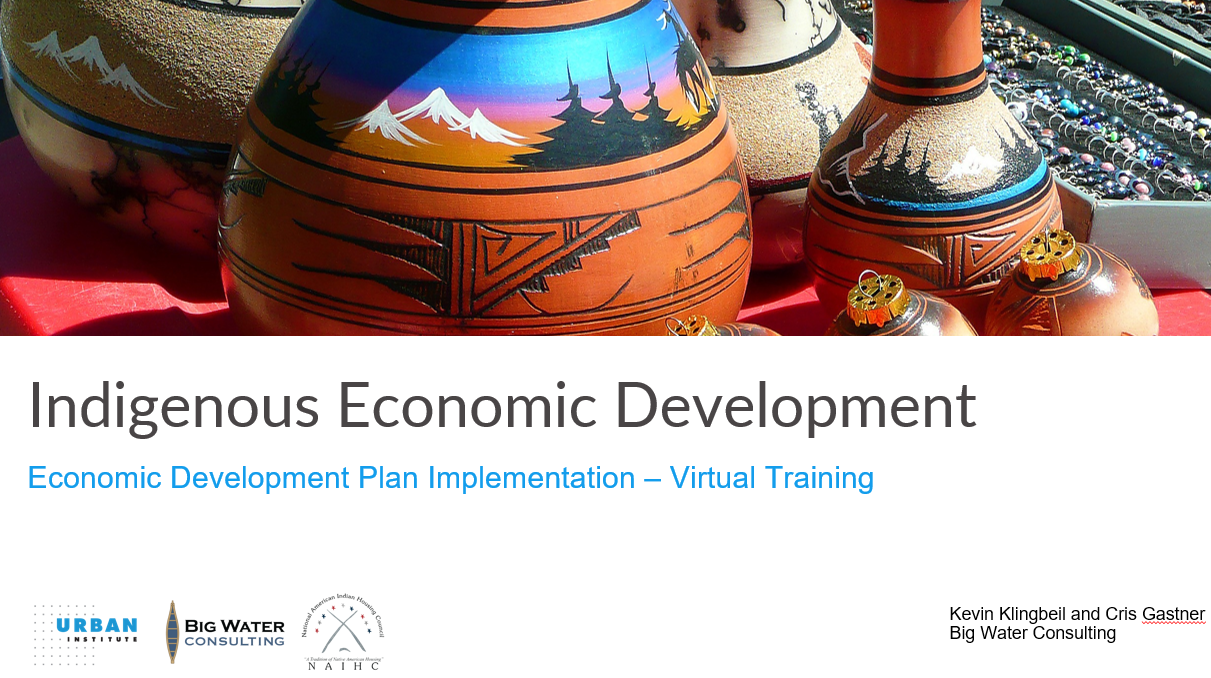
Tourism & Hospitality: Leveraging their rich cultural heritage and pristine natural landscapes, Indigenous communities are developing vibrant tourism sectors. From luxury resorts and cultural centers to eco-tourism ventures and adventure travel, these initiatives offer authentic experiences while simultaneously preserving and promoting Indigenous languages, traditions, and arts. The Wendake Nation in Quebec, for instance, operates a successful hotel and museum, Hotel-Musée Premières Nations, which draws visitors from around the world and serves as a vital economic engine for the community.
Technology & Innovation: Bridging the digital divide, Indigenous entrepreneurs are increasingly entering the tech sector. E-commerce platforms, software development companies, and remote IT services are creating new opportunities, particularly for youth. Initiatives like Indigenomics, a movement to grow the Indigenous economy to $100 billion in Canada, actively promote Indigenous participation in the digital economy, recognizing its potential for remote work and global reach. Tribal colleges and universities in the U.S. are also fostering tech education, equipping students with skills for a rapidly evolving digital landscape.
Agriculture & Food Sovereignty: There’s a powerful resurgence in traditional food systems and sustainable agriculture. Communities are revitalizing ancestral farming practices, establishing bison ranches, and developing value-added food products. This not only creates economic opportunities but also strengthens food security, promotes healthier lifestyles, and reclaims cultural practices associated with land stewardship. The Oneida Nation of Wisconsin, for example, has a diverse agricultural enterprise that includes bison, cannery operations, and organic farming, providing healthy food for its members and generating revenue.
Arts, Culture & Language: The vibrant artistic and cultural traditions of Indigenous peoples are significant economic drivers. Galleries, artisan cooperatives, performance groups, and language immersion programs generate revenue while fostering cultural pride and intergenerational knowledge transfer. The Haida Gwaii Museum in British Columbia, for example, is a testament to the economic and cultural power of preserving and sharing Indigenous heritage.
The impact of this economic development extends far beyond financial metrics. It is profoundly transformative at the community level. Revenues generated are being reinvested into essential services that were historically underfunded: education, healthcare, housing, and infrastructure. This internal reinvestment fosters a virtuous cycle, building capacity, improving quality of life, and creating pathways to further prosperity. For instance, many U.S. Tribal casinos, while sometimes controversial, have undeniably provided billions in revenue that fund schools, elder care, public safety, and infrastructure projects for their communities, fulfilling governmental responsibilities previously neglected by federal and state governments.
Moreover, Indigenous economic development is intrinsically linked to the concept of the "Seven Generations" – a guiding principle that emphasizes making decisions today with the well-being of future generations in mind. This long-term perspective naturally leads to sustainable practices, responsible resource management, and a focus on community wellness over short-term profits. It’s a model that offers valuable lessons for the broader global economy grappling with climate change and resource depletion.
Despite the undeniable progress, significant challenges remain. Access to capital is often limited, with Indigenous businesses facing higher barriers to financing. Infrastructure deficits, particularly in remote communities, hinder connectivity and market access. Jurisdictional complexities and a history of paternalistic government policies continue to create bureaucratic hurdles. Furthermore, persistent stereotypes and systemic racism can impact market access and partnership opportunities. Building robust governance structures and developing internal capacity remain ongoing priorities.
Yet, the momentum is undeniable. The Indigenous economic renaissance on Turtle Island is a testament to resilience, innovation, and unwavering determination. It is a powerful reassertion of sovereignty, a reclaiming of identity, and a profound demonstration of how cultural values can drive sustainable and inclusive prosperity. As Indigenous communities continue to build diverse, self-sufficient economies, they are not only improving the lives of their own people but also enriching the social, cultural, and economic fabric of Turtle Island as a whole. Their journey offers a compelling vision for a future where economic growth is harmonized with environmental stewardship, cultural preservation, and social justice, paving the way for a truly shared and prosperous tomorrow.


