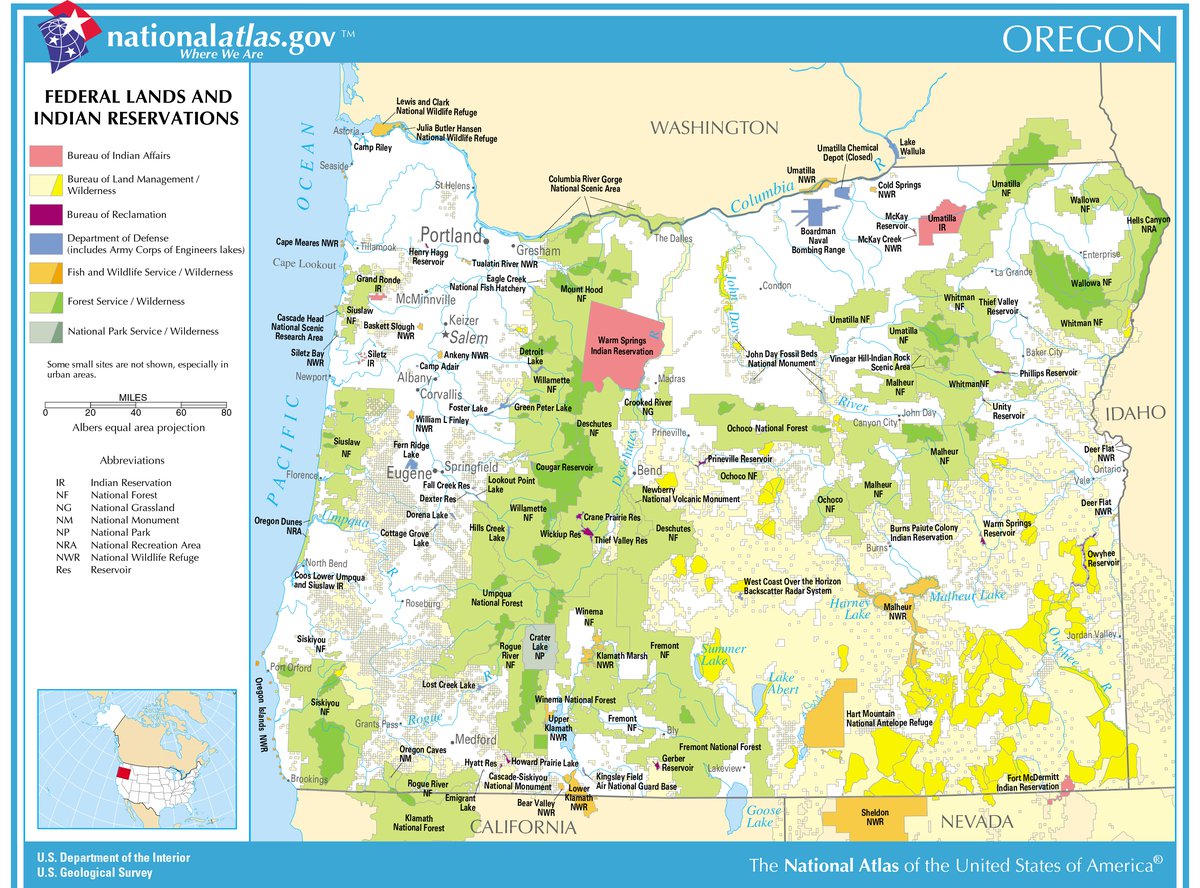
Oregon, a state renowned for its breathtaking landscapes and vibrant culture, is also home to several federally recognized Native American tribes. These tribes maintain a deep connection to the land and possess a rich history that predates European settlement. This article delves into the world of Indian Reservations in Oregon, exploring their history, culture, and contemporary significance.
Understanding Indian Reservations
Indian Reservations are designated areas of land reserved for Native American tribes by treaties or federal law. These reservations serve as the primary land base for tribal governments and communities, providing a space for cultural preservation, self-governance, and economic development. It’s crucial to approach this topic with respect and sensitivity, acknowledging the complex history and ongoing challenges faced by Native American tribes.
A Brief History of Native American Tribes in Oregon
Prior to European contact, Oregon was inhabited by a diverse array of Native American tribes, each with its own distinct language, customs, and territory. These tribes thrived for millennia, relying on the region’s abundant natural resources. The arrival of European settlers in the 19th century brought significant disruption, leading to displacement, conflict, and the establishment of reservations.
Treaties between the U.S. government and various tribes resulted in the cession of vast tracts of land in exchange for reserved territories. However, these treaties were often unfair and poorly enforced, leading to further hardship for Native American communities. Despite these challenges, Oregon’s tribes have persevered, working to preserve their cultural heritage and exercise their sovereign rights.
Federally Recognized Tribes in Oregon
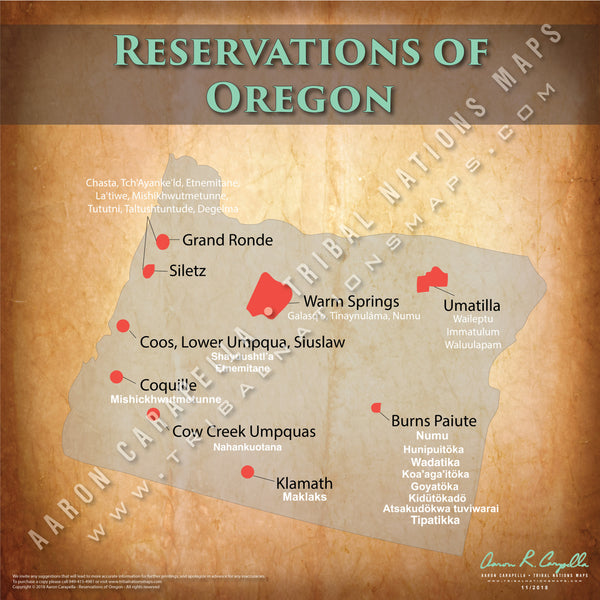
- Burns Paiute Tribe
- Confederated Tribes of the Coos, Lower Umpqua and Siuslaw Indians
- Confederated Tribes of the Grand Ronde Community of Oregon
- Confederated Tribes of Siletz Indians of Oregon
- Confederated Tribes of the Umatilla Indian Reservation
- Confederated Tribes of Warm Springs
- Coquille Indian Tribe
- Cow Creek Band of Umpqua Tribe of Indians
- Klamath Tribes
Indian Reservations in Oregon: A Closer Look
Each of the nine federally recognized tribes in Oregon has distinct reservation lands, or in some cases, tribal trust lands. These reservations serve as the heart of tribal communities and centers of cultural and economic activity.
Burns Paiute Tribe: Located in southeastern Oregon, the Burns Paiute Reservation is home to the Burns Paiute Tribe. The tribe’s cultural heritage is deeply rooted in the high desert environment, and they are actively involved in preserving their traditions and language.
Confederated Tribes of the Coos, Lower Umpqua and Siuslaw Indians: This confederation represents three distinct tribes with ancestral ties to the southern Oregon coast. Their tribal lands are located near Coos Bay, and they are known for their rich maritime culture and commitment to environmental stewardship.
Confederated Tribes of the Grand Ronde Community of Oregon: The Grand Ronde Reservation, located in the Willamette Valley, is home to a diverse group of tribes who were forcibly relocated to the area in the 19th century. Today, the Grand Ronde Community is a vibrant and progressive tribe, operating successful businesses and cultural programs.
Confederated Tribes of Siletz Indians of Oregon: The Siletz Reservation, located on the central Oregon coast, is home to the Confederated Tribes of Siletz Indians. The tribe’s history is marked by resilience and perseverance, and they are actively involved in restoring their cultural traditions and promoting economic development.
Confederated Tribes of the Umatilla Indian Reservation: Located in northeastern Oregon, the Umatilla Reservation is home to the Cayuse, Umatilla, and Walla Walla tribes. The tribes are known for their strong cultural identity and commitment to protecting their treaty rights and natural resources.
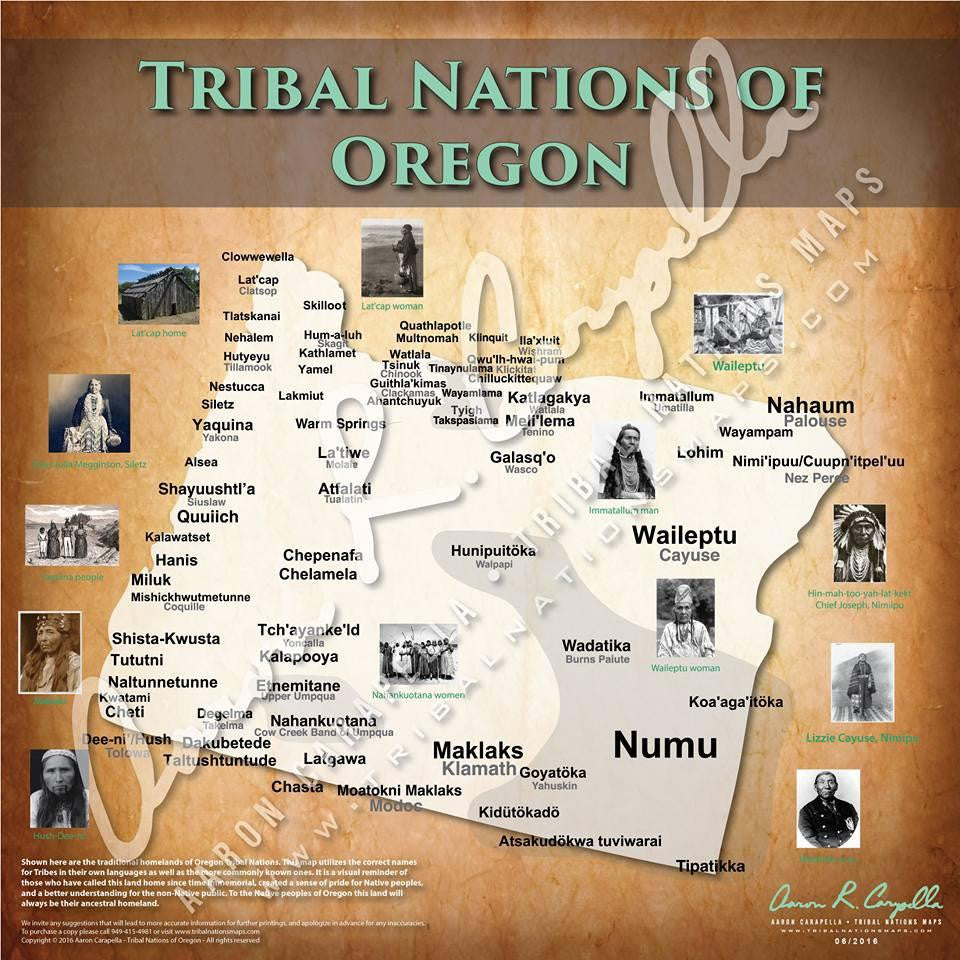
Confederated Tribes of Warm Springs: The Warm Springs Reservation, located in central Oregon, is home to the Warm Springs, Wasco, and Paiute tribes. The tribes are known for their rich cultural heritage and their commitment to self-governance and economic development.
Coquille Indian Tribe: The Coquille Indian Tribe’s ancestral territory is located on the southern Oregon coast. Their tribal lands are centered around Coquille, and they are known for their strong connection to the ocean and their commitment to cultural preservation.
Cow Creek Band of Umpqua Tribe of Indians: The Cow Creek Band of Umpqua Tribe of Indians’ ancestral territory is located in southwestern Oregon. While they do not have a traditional reservation, they have acquired trust lands and are actively involved in economic development and cultural preservation.
Klamath Tribes: The Klamath Tribes’ ancestral territory is located in south-central Oregon. After a period of termination, the tribes were restored to federal recognition in 1986. They are known for their strong cultural identity and their commitment to restoring their natural resources.
Visiting Indian Reservations in Oregon: What to Know
If you are interested in visiting Indian Reservations in Oregon, it is important to be respectful of tribal sovereignty and culture. Contact the specific tribe you plan to visit in advance to learn about their policies and guidelines for visitors. Some reservations may have specific areas that are open to the public, while others may require permission to enter.
- Contact the Tribal Government: Always reach out to the tribal government before visiting to inquire about visitor policies and any necessary permits.
- Respect Cultural Norms: Be mindful of cultural differences and avoid behavior that could be considered disrespectful.
- Support Tribal Businesses: Consider patronizing tribal-owned businesses, such as casinos, restaurants, and shops, to support the tribe’s economic development.
- Learn About the Tribe’s History: Take the time to learn about the tribe’s history and culture to gain a deeper understanding of their connection to the land.
Economic Development and Self-Governance
Indian Reservations in Oregon play a vital role in the economic development and self-governance of the tribes. Many tribes operate successful businesses, including casinos, resorts, and timber operations, which provide revenue for tribal programs and services. These businesses also create jobs for tribal members and contribute to the local economy.
Tribal governments have the authority to make laws and regulations that govern their reservations, including areas such as education, healthcare, and natural resource management. This self-governance allows tribes to address the specific needs of their communities and preserve their cultural heritage.
Challenges and Opportunities
Despite the progress made in recent years, Indian Reservations in Oregon continue to face significant challenges. These challenges include poverty, unemployment, inadequate housing, and limited access to healthcare. However, tribes are working to address these challenges through innovative programs and partnerships.
There are also significant opportunities for growth and development on Indian Reservations in Oregon. These opportunities include expanding economic development, strengthening cultural preservation efforts, and promoting educational attainment. By working together, tribes, government agencies, and community organizations can create a brighter future for Native American communities in Oregon.
Common Questions About Indian Reservations in Oregon
What is the largest Indian Reservation in Oregon? The Warm Springs Reservation, home to the Confederated Tribes of Warm Springs, is the largest in Oregon, encompassing over 640,000 acres.
Can anyone visit an Indian Reservation in Oregon? While some areas of reservations are open to the public, it’s always best to contact the tribal government beforehand to understand their specific policies and guidelines for visitors.
What are the main industries on Indian Reservations in Oregon? Key industries include gaming, timber, tourism, fishing, and agriculture. These industries contribute significantly to the economic well-being of tribal communities.
How do Indian Reservations contribute to Oregon’s economy? Through tribal-owned businesses, employment opportunities, and tourism, Indian Reservations are significant contributors to the state’s economy.
What efforts are being made to preserve Native American culture on reservations? Tribes actively engage in language revitalization programs, cultural events, traditional arts and crafts, and educational initiatives to preserve and promote their heritage.
Conclusion
Indian Reservations in Oregon are more than just geographical locations; they are vibrant centers of culture, history, and self-determination. By understanding the history, challenges, and opportunities facing these communities, we can work towards a more just and equitable future for all Oregonians. The nine federally recognized tribes of Oregon are integral to the state’s identity, and their contributions enrich the cultural tapestry of the region. From the high desert of Burns Paiute to the coastal lands of the Coquille, each tribe offers a unique perspective on the land and its people. As we explore and appreciate Oregon’s diverse landscape, let us also recognize and honor the enduring legacy of its Native American tribes.


