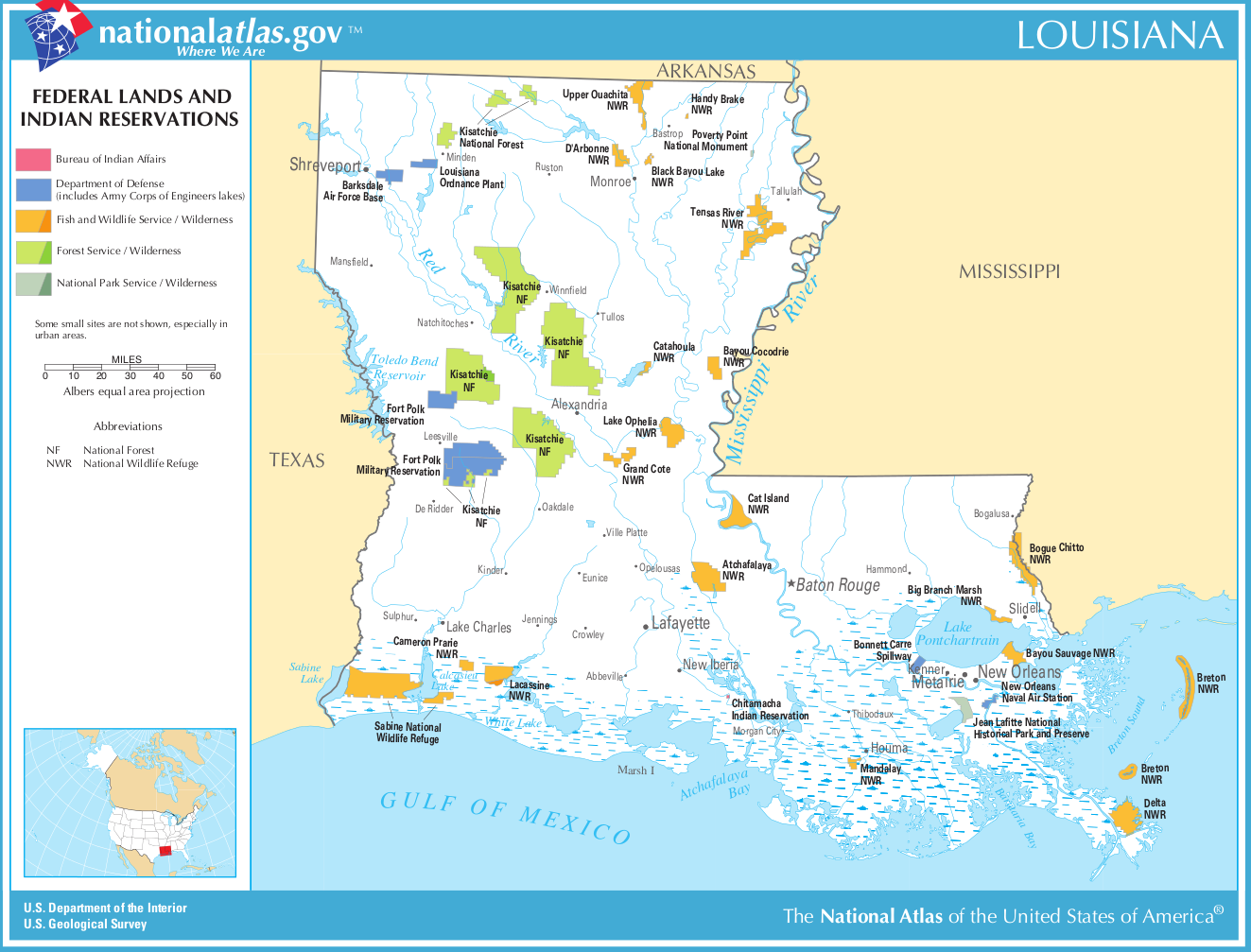
Louisiana, renowned for its vibrant culture, unique history, and diverse landscapes, is also home to a significant Native American population. While the term ‘Indian reservations’ might evoke images of expansive territories in the western United States, the reality in Louisiana is more nuanced. This article delves into the history, current status, and significance of Indian reservations and tribal lands within the state.
Louisiana’s Native American heritage is deeply interwoven with the state’s cultural fabric. Several tribes have called this land home for centuries, each with its unique traditions, languages, and societal structures. Understanding their history and present-day presence is crucial to appreciating the full tapestry of Louisiana.
What is a Federally Recognized Tribe?
Before discussing specific reservations, it’s essential to clarify the concept of federal recognition. Federal recognition is a formal acknowledgment by the United States government that a particular Native American group exists as a distinct political entity. This recognition carries with it certain rights and privileges, including the right to self-governance, eligibility for federal funding and services, and the right to establish a reservation or trust lands.
The Importance of Federal Recognition
Federal recognition is paramount for a tribe’s survival and prosperity. It provides a legal framework for the tribe to protect its cultural heritage, manage its resources, and advocate for its members’ well-being. Without federal recognition, tribes often face significant challenges in preserving their identity and securing their future.
Indian Reservations in Louisiana: A Closer Look
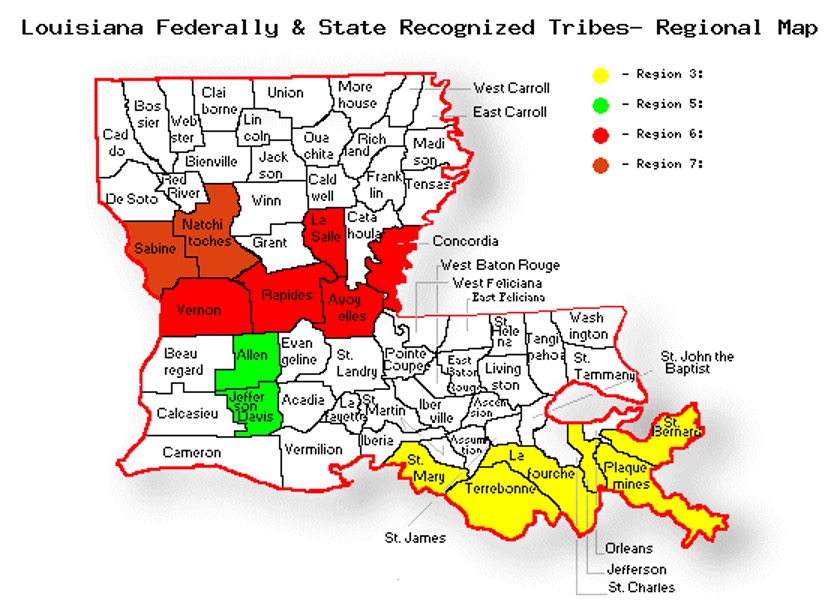
Unlike some states with large, contiguous reservations, Louisiana’s tribal lands are often smaller and more dispersed. This reflects the historical circumstances of Native American settlement in the region, as well as the impact of colonization and land loss. Despite these challenges, several tribes in Louisiana have successfully maintained a presence and are working to strengthen their communities.
The Jena Band of Choctaw Indians
The Jena Band of Choctaw Indians is one of the federally recognized tribes in Louisiana. Their reservation is located in LaSalle Parish. The Jena Choctaw work diligently to preserve their cultural heritage and promote economic development within their community.
History of the Jena Band
The Jena Band of Choctaw Indians’ history is rooted in the larger Choctaw Nation, which once occupied a vast territory spanning parts of Mississippi, Alabama, and Louisiana. Over time, various factors, including land cessions and government policies, led to the fragmentation of the Choctaw Nation. The Jena Band emerged as a distinct community, maintaining their cultural identity and seeking federal recognition.
The Coushatta Tribe of Louisiana
The Coushatta Tribe of Louisiana, also known as the Koasati, is another federally recognized tribe with a reservation in Allen Parish. They are known for their unique language, which is related to the Muskogean language family. The Coushatta Tribe has made significant strides in economic development, operating a successful casino resort that provides employment and revenue for the tribal community.
Cultural Preservation Efforts

The Coushatta Tribe places a high priority on preserving their language and cultural traditions. They offer language classes, cultural programs, and traditional ceremonies to ensure that future generations maintain a connection to their heritage. They also actively promote their culture through educational outreach and public events.
The Tunica-Biloxi Indian Tribe
The Tunica-Biloxi Indian Tribe of Louisiana is a federally recognized tribe located in Avoyelles Parish. Their history is a testament to resilience and adaptation, as they represent a fusion of different tribal groups, including the Tunica, Biloxi, Ofo, and Avoyel. The Tunica-Biloxi Tribe has also achieved economic success through their casino resort, which contributes significantly to the local economy.
A History of Merging Cultures
The Tunica-Biloxi Tribe’s history is marked by the blending of different cultures and traditions. This unique heritage is reflected in their art, music, and ceremonies. The tribe is committed to preserving their cultural identity and sharing it with others.
Other Native American Communities in Louisiana
In addition to the federally recognized tribes with reservations, Louisiana is home to several other Native American communities that are seeking federal recognition or are working to preserve their cultural heritage. These groups play an important role in the state’s cultural landscape.
The United Houma Nation
The United Houma Nation is one of the largest Native American tribes in Louisiana, but they are not currently federally recognized. They primarily reside in the southeastern coastal parishes of the state. The Houma people have a rich maritime culture and have traditionally relied on fishing, trapping, and farming for their livelihoods. They are actively pursuing federal recognition to gain access to resources and services that would benefit their community.
Challenges Faced by Louisiana Tribes
Louisiana tribes face a number of challenges, including land loss, environmental degradation, and limited access to resources. Coastal erosion is a particularly pressing issue for tribes in the southern part of the state, as rising sea levels and land subsidence threaten their communities and cultural sites.
Economic Development and Self-Sufficiency
Many Louisiana tribes are actively engaged in economic development initiatives to create jobs and improve the quality of life for their members. Casino gaming has been a significant source of revenue for some tribes, but others are exploring alternative economic opportunities, such as tourism, agriculture, and renewable energy.
Cultural Preservation and Education
Preserving cultural heritage is a top priority for Louisiana tribes. They are actively involved in language revitalization programs, cultural education initiatives, and the preservation of historical sites and artifacts. These efforts are essential for ensuring that future generations maintain a connection to their Native American identity.
The Role of the Federal Government
The federal government has a trust responsibility to protect the rights and resources of Native American tribes. This responsibility includes providing funding for essential services, such as healthcare, education, and housing. However, many tribes feel that the federal government has not adequately fulfilled its trust responsibility.
Environmental Concerns and Land Rights
Environmental issues, such as coastal erosion and pollution, pose a significant threat to Louisiana tribes. Many tribes are actively involved in efforts to protect their land and water resources and to advocate for policies that promote environmental sustainability. Land rights are also a critical issue, as many tribes are seeking to reclaim ancestral lands that were lost through historical injustices.
The Future of Indian Reservations in Louisiana
The future of Indian reservations in Louisiana depends on a number of factors, including the success of tribal economic development initiatives, the effectiveness of cultural preservation efforts, and the willingness of the federal government to fulfill its trust responsibility. By working together, tribes, government agencies, and community partners can create a brighter future for Native American communities in Louisiana.
What are the main challenges faced by Louisiana’s tribes today?
Louisiana’s tribes face a complex array of challenges, including coastal erosion, which disproportionately impacts southern tribes, leading to land loss and displacement. Economic disparities persist, with limited access to resources and opportunities in some communities. The ongoing struggle for federal recognition for some tribes hinders their access to essential services and protections. Preserving cultural heritage, language, and traditions in the face of assimilation pressures remains a constant endeavor.
How can I learn more about Louisiana’s Native American culture?
There are many avenues to explore Louisiana’s Native American culture. Visit tribal museums and cultural centers to learn about history, traditions, and art. Attend powwows and cultural events to experience traditional music, dance, and food. Support Native American artists and businesses. Read books and articles by Native American authors and scholars. Most importantly, engage in respectful dialogue with tribal members and communities.
Are there opportunities for non-Native Americans to support Louisiana’s tribes?
Yes, there are several ways to support Louisiana’s tribes. Advocate for policies that protect tribal rights and resources. Donate to tribal organizations and charities. Volunteer your time and skills to support community initiatives. Educate yourself and others about Native American history and culture. Be mindful of cultural sensitivity and respect tribal sovereignty. Support businesses and initiatives that promote economic development in tribal communities.
Conclusion: Honoring Louisiana’s Native American Legacy
The story of Indian reservations in Louisiana is a story of resilience, adaptation, and cultural survival. Despite facing numerous challenges, Louisiana’s tribes have persevered and continue to make significant contributions to the state’s cultural and economic landscape. By understanding their history, supporting their present-day efforts, and honoring their legacy, we can all play a role in creating a more just and equitable future for Native American communities in Louisiana.
Exploring Louisiana’s Native American heritage offers valuable insights into the state’s diverse cultural tapestry. By acknowledging their historical struggles and celebrating their enduring contributions, we foster a deeper appreciation for the rich heritage that shapes Louisiana’s identity.


