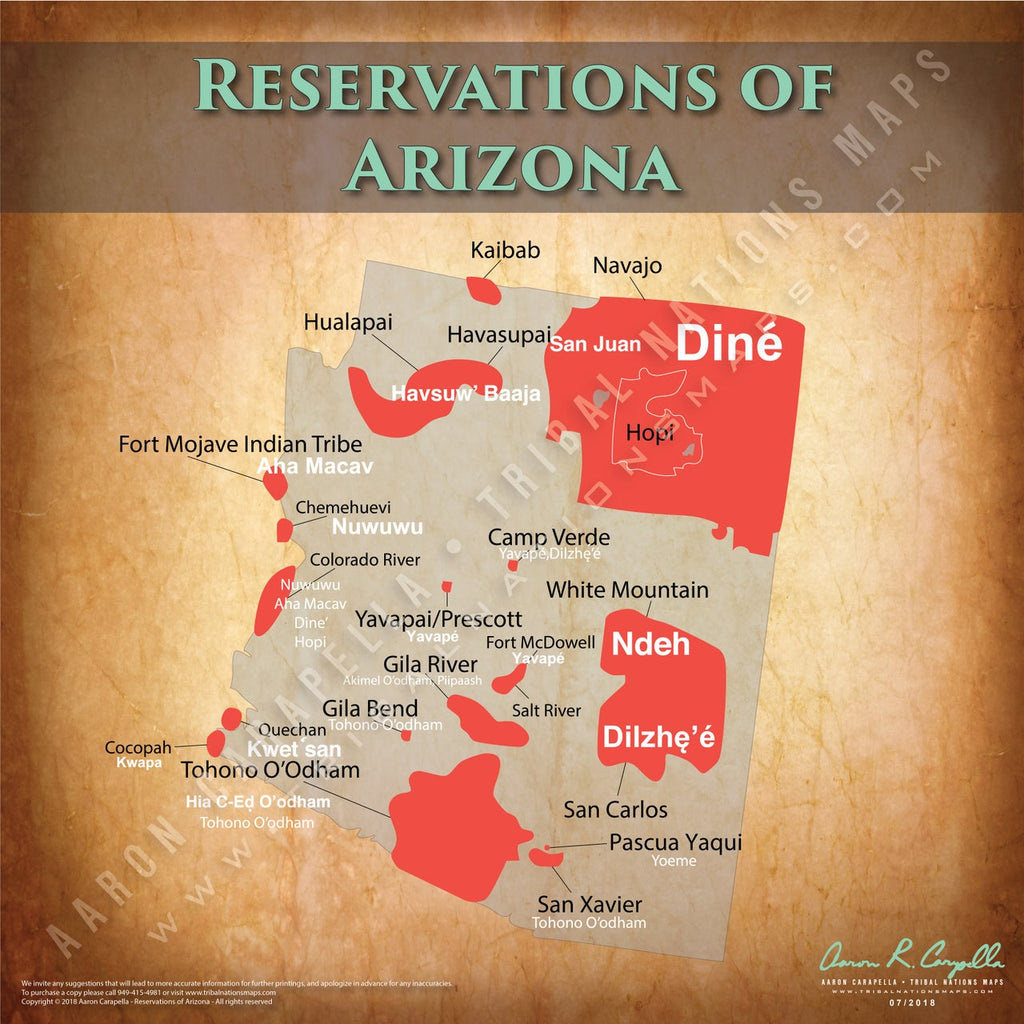
Arizona, a state renowned for its stunning desert landscapes and vibrant cultural tapestry, is also home to a significant number of federally recognized Native American tribes. These indigenous communities, often referred to as Indian Reservations or tribal lands, represent a rich heritage that predates the state itself, offering a profound glimpse into America’s foundational history and enduring traditions.
Understanding the Indian Reservations in Arizona is crucial for anyone seeking to fully appreciate the state’s diverse identity. These lands are not merely geographical areas; they are sovereign nations, each with its own distinct government, laws, cultural practices, and languages. This guide aims to provide a comprehensive overview, highlighting their significance, cultural richness, and the unique experiences they offer.
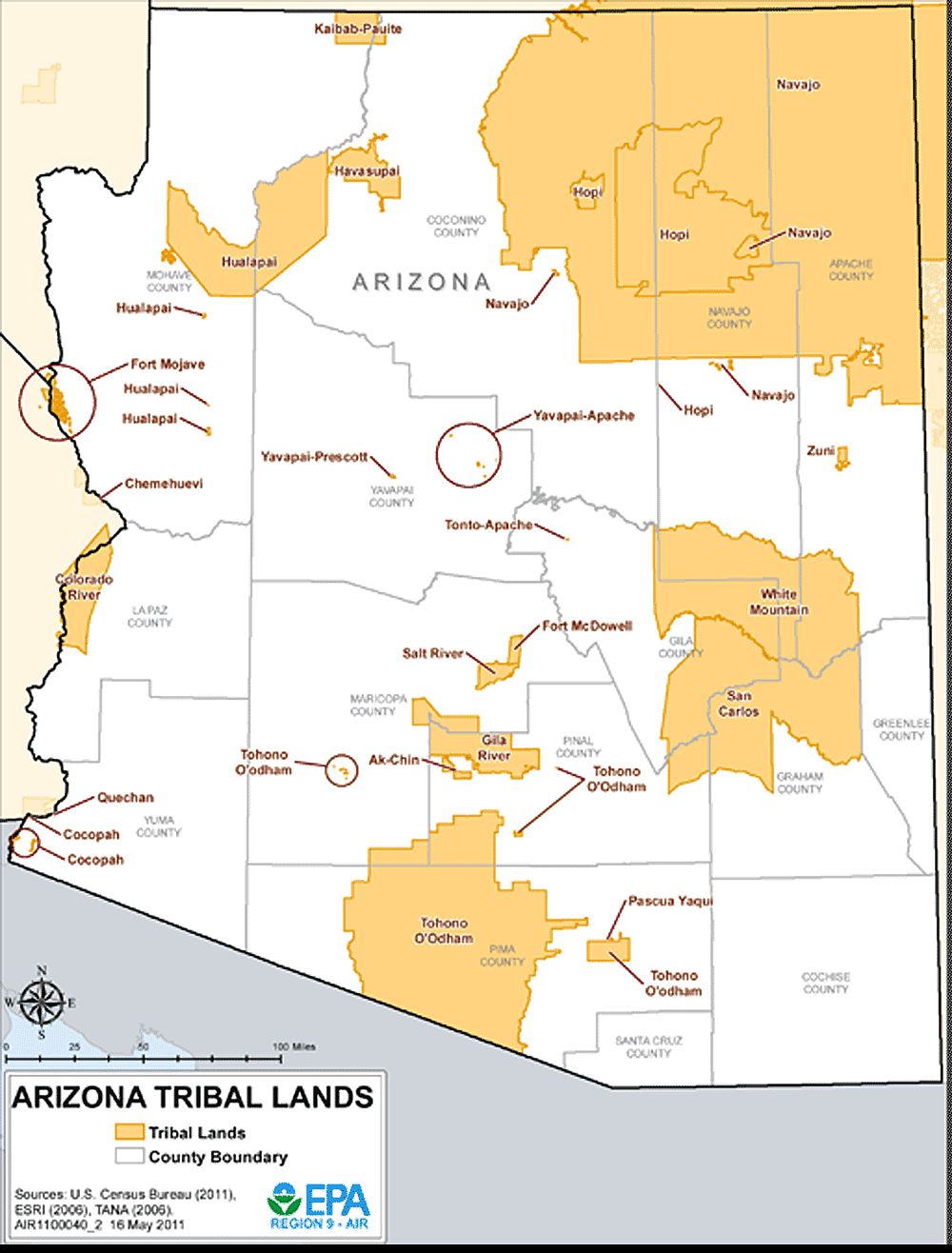
The landscape of Arizona is deeply intertwined with its Native American inhabitants. Currently, Arizona recognizes 22 federally recognized tribes, many of whom govern extensive reservation lands across the state. These tribal lands encompass vast and varied terrains, from the high desert plateaus of the Navajo Nation to the verdant canyons of the Havasupai.
A Glimpse into History and Sovereignty
The history of Native American tribes in Arizona is one of resilience, adaptation, and enduring cultural strength. For millennia, these indigenous peoples have stewarded the land, developing complex societies, unique agricultural practices, and profound spiritual connections to their ancestral territories. The establishment of reservations, often through treaties or executive orders, marked a complex period, but today, these lands stand as testaments to tribal sovereignty and self-determination.
Tribal sovereignty means that these nations have the inherent right to govern themselves. While they exist within the borders of the United States, they maintain a government-to-government relationship with the federal government, distinct from state jurisdiction. This autonomy allows tribes to enact their own laws, develop their economies, and preserve their cultural identity.

Major Indian Reservations and Their Unique Cultures
Among the most prominent is the Navajo Nation, which spans across Arizona, New Mexico, and Utah, making it the largest Indian reservation in the United States. The Arizona portion alone covers an immense area, offering iconic landscapes like Canyon de Chelly National Monument and Monument Valley. The Navajo people, or Diné, are known for their intricate weaving, silverwork, and a deep respect for their language and traditions.
Adjacent to the Navajo Nation lies the Hopi Reservation, an island of ancient culture. The Hopi are renowned for their traditional villages, some continuously inhabited for over a thousand years, such as Old Oraibi. Their deeply spiritual society is reflected in their kachina dolls, intricate ceremonies, and dry-farming techniques that have sustained them for centuries. Visiting Hopi lands requires particular respect for their private ceremonies and cultural practices.
Southern Arizona is home to the Tohono O’odham Nation, encompassing a vast desert expanse near the U.S.-Mexico border. Their lands include Kitt Peak National Observatory, and their culture is deeply connected to the saguaro cactus, a vital resource for food and ceremony. The Tohono O’odham are known for their intricate basket weaving and rich oral traditions.
The Fort Apache Indian Reservation and San Carlos Apache Indian Reservation are located in Arizona’s White Mountains and eastern central region, respectively. The Apache tribes are celebrated for their strong warrior traditions, elaborate coming-of-age ceremonies (Na’ii’ees), and their continued connection to hunting, fishing, and their mountain homelands. These areas offer stunning natural beauty and opportunities for outdoor recreation.
Near the Phoenix metropolitan area, the Gila River Indian Community and the Salt River Pima-Maricopa Indian Community represent the Akimel O’odham (Pima) and Maricopa peoples. These communities have a long history of agricultural innovation, particularly canal building, and today they are significant economic contributors to the region, operating casinos, resorts, and various enterprises.
Further west, the Hualapai Indian Reservation is famous for its ownership and operation of Grand Canyon West, home to the Grand Canyon Skywalk. The Hualapai people offer a unique perspective on the Grand Canyon, sharing their ancestral lands and traditions with visitors. Their lands also include a portion of the historic Route 66.
Nestled deep within a side canyon of the Grand Canyon, the Havasupai Indian Reservation is a remote and breathtaking destination. Known for its spectacular turquoise waterfalls and vibrant blue-green waters, Havasupai is a sacred place accessible primarily via a challenging hike, mule ride, or helicopter. Visits are highly restricted and require advance permits, reflecting their commitment to preserving their pristine environment and culture.
Cultural Immersion and Responsible Tourism
Many Indian Reservations welcome visitors, offering unique cultural experiences that cannot be found elsewhere. These experiences range from museums and cultural centers to traditional dances, art markets, and guided tours. Engaging with tribal communities provides an invaluable opportunity to learn directly from Native peoples about their history, art, and contemporary life.
- Permits: Many areas, especially for hiking, camping, or photography, require permits from the tribal government. Check in advance.
- Photography: Always ask for permission before taking photos of individuals, ceremonies, or sacred sites. Some areas may prohibit photography entirely.
- Privacy: Respect private property and homes. Do not trespass.
- Cultural Sensitivity: Dress modestly, speak respectfully, and be open to learning. Avoid making assumptions or generalizations.
- Support Local: Purchase authentic arts and crafts directly from tribal artisans and support tribal-owned businesses.
- Alcohol/Drugs: Laws regarding alcohol and drugs can differ on reservations; always adhere to tribal regulations.
Economic Impact and Modern Development
Indian Reservations in Arizona play a vital role in the state’s economy. Many tribes have successfully diversified their economies through various enterprises, including casinos, resorts, golf courses, manufacturing, and natural resource management. These ventures generate revenue that supports essential tribal services, such as education, healthcare, infrastructure, and elder care, fostering self-sufficiency and economic development for their communities.
The tribal gaming industry, in particular, has been a significant catalyst for economic growth, providing employment opportunities and funding for cultural preservation programs. Resorts like Talking Stick Resort (Salt River Pima-Maricopa) and Harrah’s Ak-Chin (Ak-Chin Indian Community) are major attractions, drawing visitors and contributing to the broader Arizona tourism sector.
Challenges and Resilience
Despite economic progress, many tribal communities continue to face significant challenges, including issues related to healthcare access, infrastructure development, educational disparities, and environmental concerns. However, through strong leadership, cultural resilience, and strategic partnerships, tribes are continually working to overcome these obstacles and build brighter futures for their people.
Advocacy for tribal rights, self-determination, and the protection of ancestral lands remains a core focus. Many tribes are actively engaged in renewable energy projects, water rights management, and educational initiatives to empower their youth and preserve their languages for future generations.
Planning Your Visit: What to Expect
For visitors, exploring Arizona’s Indian Reservations offers an unparalleled opportunity for cultural enrichment and adventure. You can expect to encounter stunning natural beauty, from red rock formations to pine forests, alongside vibrant cultural expressions. Many reservations host annual powwows, cultural festivals, and art shows that are open to the public, providing a festive atmosphere to experience traditional music, dance, and crafts.
Consider visiting tribal museums and cultural centers, such as the Heard Museum in Phoenix (which showcases Native American art and culture from across the Southwest) or specific tribal museums on the reservations themselves. These institutions offer invaluable historical context and contemporary perspectives.
Outdoor enthusiasts will find myriad activities, including hiking, fishing, camping, and river rafting, often requiring specific tribal permits. Always check with the respective tribal tourism office or website for up-to-date information on access, permits, and visitor guidelines.
Conclusion: A Tapestry of Culture and History
The Indian Reservations in Arizona are more than just geographical locations; they are living testaments to enduring cultures, rich histories, and the ongoing journey of self-determination for Native American peoples. From the vast expanse of the Navajo Nation to the sacred waterfalls of Havasupai, each reservation offers a unique window into a profound heritage.
By approaching these sovereign nations with respect, an open mind, and a willingness to learn, visitors can gain a deeper understanding of Arizona’s true essence. Supporting tribal economies and engaging thoughtfully with these communities ensures that their vibrant cultures continue to thrive for generations to come, enriching the cultural landscape of both Arizona and the entire United States.
Embark on your journey to explore Arizona’s Indian Reservations and discover the incredible diversity and resilience that defines these remarkable lands and their people.


