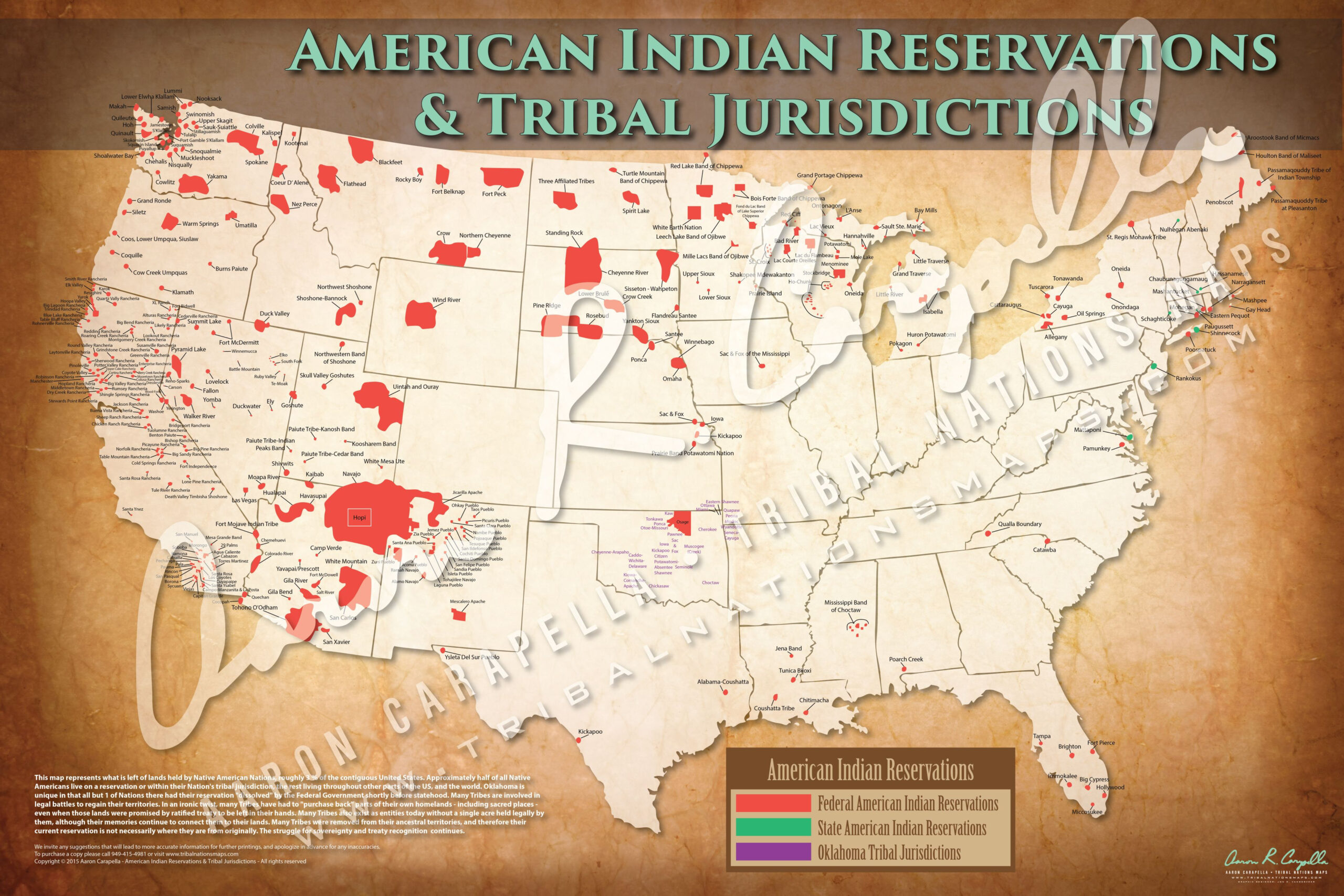
The landscape of law and governance within the United States is remarkably diverse, particularly when examining the unique status of Indian reservations. These sovereign territories, often misunderstood, operate under a complex web of laws, treaties, and judicial decisions that dictate their boundaries and the scope of their jurisdiction. Understanding these intricacies is crucial for anyone interacting with or interested in Native American communities.
This comprehensive guide aims to demystify the concepts surrounding Indian reservation boundaries and jurisdiction. We will explore the historical foundations, key legal frameworks, and the practical implications of the multi-layered authority that exists within Indian Country, providing clarity on who governs what, where, and when.
The Historical Roots of Reservation Boundaries
The establishment of Indian reservations began primarily in the 19th century, often as a result of treaties between sovereign Native American nations and the United States government. These treaties, frequently signed under duress, ceded vast ancestral lands in exchange for smaller, designated territories intended for the exclusive use and occupation of tribes.
Initially, these reservation boundaries were relatively clear, defined by natural features or surveyed lines. However, subsequent federal policies, most notably the General Allotment Act of 1887 (Dawes Act), dramatically altered this landscape, leading to the checkerboard land ownership patterns seen in many reservations today. This act sought to break up communal tribal lands into individual allotments, with ‘surplus’ land often sold to non-Natives.
Defining ‘Indian Country’ and its Significance

The term ‘Indian Country’ is not merely a colloquialism; it is a critical legal definition established by Congress in 18 U.S.C. § 1151. This statute broadly defines Indian Country to include:
- All land within the limits of any Indian reservation under the jurisdiction of the United States government, notwithstanding the issuance of any patent, and including rights-of-way running through the reservation.
- All dependent Indian communities within the borders of the United States whether within or without the limits of a state.
- All Indian allotments, the Indian titles to which have not been extinguished, including rights-of-way running through the same.
This definition is paramount because it dictates where federal and tribal laws generally apply, distinguishing these areas from state jurisdiction. The legal status of land within these boundaries significantly impacts who holds authority over criminal and civil matters.
The Tri-Partite System of Jurisdiction
Jurisdiction within Indian Country is typically shared among three governmental entities: tribal governments, the federal government, and, in limited circumstances, state governments. This creates a complex overlapping system that can be challenging to navigate.
Tribal Jurisdiction: As sovereign nations, federally recognized tribes possess inherent governmental powers, including the authority to establish their own laws, courts, and enforcement agencies. Tribal courts primarily exercise civil jurisdiction over both tribal members and non-members, particularly in matters arising on tribal lands. Their criminal jurisdiction, however, is generally limited to tribal members for offenses committed within Indian Country, with certain exceptions.
Federal Jurisdiction: The federal government plays a significant role in law enforcement and justice within Indian Country. Federal courts and agencies, such as the FBI, have jurisdiction over major crimes committed by or against Indians within reservations, as defined by the Major Crimes Act (18 U.S.C. § 1153). They also have jurisdiction over crimes committed by non-Indians against Indians, or by non-Indians against non-Indians in Indian Country in specific situations.
State Jurisdiction: State jurisdiction within Indian Country is generally very limited. States typically lack inherent authority over tribal members or activities on tribal lands unless Congress has explicitly granted it, as in the case of Public Law 280. In Public Law 280 states (e.g., California, Minnesota, Nebraska, Oregon, Wisconsin, Alaska), states assume broad criminal and some civil jurisdiction over Indian Country, though the specifics can vary.
Understanding Land Status: Fee Land vs. Trust Land
A critical aspect of understanding jurisdiction is the distinction between ‘trust land’ and ‘fee land’ within reservation boundaries. Trust land is held in trust by the federal government for the benefit of a tribe or individual Indian, and it is here that tribal and federal jurisdiction are strongest. Fee land, on the other hand, is privately owned land within a reservation, often by non-Natives, which can complicate jurisdictional lines.

The presence of fee land within reservation borders can lead to what is known as ‘checkerboard jurisdiction,’ where state, federal, and tribal authorities may apply differently from one parcel to the next. This creates significant challenges for law enforcement and resource management.
Key Supreme Court Rulings and Their Impact
Supreme Court decisions have profoundly shaped the understanding of Indian Country jurisdiction. Cases like Oliphant v. Suquamish Indian Tribe (1978) established that tribal courts do not have inherent criminal jurisdiction over non-Indians. Conversely, Montana v. United States (1981) generally limited tribal civil regulatory jurisdiction over non-members on non-Indian fee land within a reservation, though it recognized important exceptions.
More recently, the landmark decision in McGirt v. Oklahoma (2020) reaffirmed that a significant portion of eastern Oklahoma, including the Muscogee (Creek) Nation reservation, remains ‘Indian Country’ for purposes of the Major Crimes Act. This ruling has had profound implications, shifting jurisdiction for major crimes committed by tribal members in these areas from state to federal or tribal courts, and highlighting the enduring nature of treaty-defined reservation boundaries.
Civil Jurisdiction in Detail
Tribal courts often handle a wide array of civil matters, including:
- Contract disputes
- Family law (e.g., divorce, child custody, adoption, especially under the Indian Child Welfare Act – ICWA)
- Property disputes involving tribal members or tribal land
- Environmental regulations
- Business licensing and regulation on tribal lands
- Taxation of activities or property within their jurisdiction.
This civil authority underscores the inherent sovereignty of tribal nations to govern their internal affairs.
Criminal Jurisdiction: A Closer Look
The complexity of criminal jurisdiction is paramount. If a major crime (e.g., murder, rape, arson) is committed by an Indian in Indian Country, the federal government (via the Major Crimes Act) has jurisdiction. If the same crime is committed by a non-Indian against an Indian in Indian Country, federal jurisdiction also applies. If a crime is committed by a non-Indian against a non-Indian in Indian Country, state jurisdiction typically applies, unless specific federal law dictates otherwise.
The Violence Against Women Act (VAWA) reauthorization in 2013 and 2022 expanded tribal criminal jurisdiction to include non-Indian perpetrators of domestic violence, dating violence, sexual assault, and certain other crimes against tribal members on tribal lands. This represents a significant step towards restoring tribal authority to protect their communities.
Practical Implications for Living and Working in Indian Country
For individuals living on or near reservations, or businesses operating within Indian Country, understanding these jurisdictional lines is vital. It affects everything from property rights and taxation to law enforcement response and court systems. Engaging with tribal governments, understanding tribal laws, and respecting tribal sovereignty are essential.
Businesses considering operations on tribal lands must navigate tribal regulatory frameworks, which may include tribal taxation, licensing requirements, and unique labor laws. Consulting with legal experts specializing in federal Indian law and tribal law is highly recommended to ensure compliance and foster positive working relationships.
Are Reservations Sovereign Nations?
Yes, federally recognized Indian tribes are indeed considered sovereign nations. This means they have the inherent right to govern themselves, establish their own laws, and manage their own resources, subject to the plenary power of the United States Congress. This sovereignty predates the formation of the United States and has been affirmed by treaties and Supreme Court decisions, though it is not absolute and operates within the framework of federal law.
Do Reservation Boundaries Change?
While established reservation boundaries are generally stable, they can change through specific acts of Congress, land acquisitions placed into trust by the federal government for a tribe (which expands Indian Country), or, as seen in McGirt, through judicial reaffirmation of original treaty boundaries that had been previously diminished or misunderstood. These changes usually involve complex legal and political processes.
Conclusion: Navigating a Landscape of Shared Authority
The boundaries and jurisdiction of Indian reservations represent a unique and enduring aspect of American law and governance. Far from being simple lines on a map, they embody centuries of treaties, legislative actions, and judicial interpretations. The intricate interplay of tribal, federal, and state authority demands careful consideration and a commitment to understanding the distinct legal and cultural frameworks at play.
As we continue to evolve as a nation, recognizing and respecting the inherent sovereignty of Native American tribes and the complex jurisdictional landscape of Indian Country remains paramount. It is a testament to the resilience of tribal nations and a crucial element of justice and equity within the United States.
This comprehensive overview underscores that engaging with Indian Country requires diligence, cultural sensitivity, and an informed perspective on its distinctive legal realities. For both residents and visitors, appreciating this unique system is key to fostering respectful and lawful interactions.


