

For many Native American tribes in the United States, casinos have become a significant source of revenue and a pathway to economic self-sufficiency. However, the presence of casinos on Indian reservations is a complex issue with both positive and negative consequences. This article delves into the multifaceted impact of tribal casinos, exploring their economic benefits, social implications, and effects on tribal sovereignty.
The Rise of Tribal Casinos: A History
The history of casinos on Indian reservations is intertwined with the concept of tribal sovereignty and the desire for economic independence. For centuries, Native American tribes have struggled with poverty, unemployment, and limited access to resources. The emergence of tribal gaming offered a potential solution to these challenges.
The Indian Gaming Regulatory Act (IGRA)
The Indian Gaming Regulatory Act (IGRA) of 1988 plays a pivotal role. This federal law established the framework for regulating gaming activities on tribal lands. IGRA recognizes the right of tribes to conduct gaming operations, subject to certain restrictions and regulations. It mandates a compact between the tribe and the state, outlining the types of games allowed, revenue sharing agreements, and regulatory oversight.
-
Class I Gaming: Traditional forms of Indian gaming and social games for minimal prizes.
-
Class II Gaming: Bingo and related games.
-
Class III Gaming: All other forms of gaming, including casino games like slot machines and table games. These require a tribal-state compact.


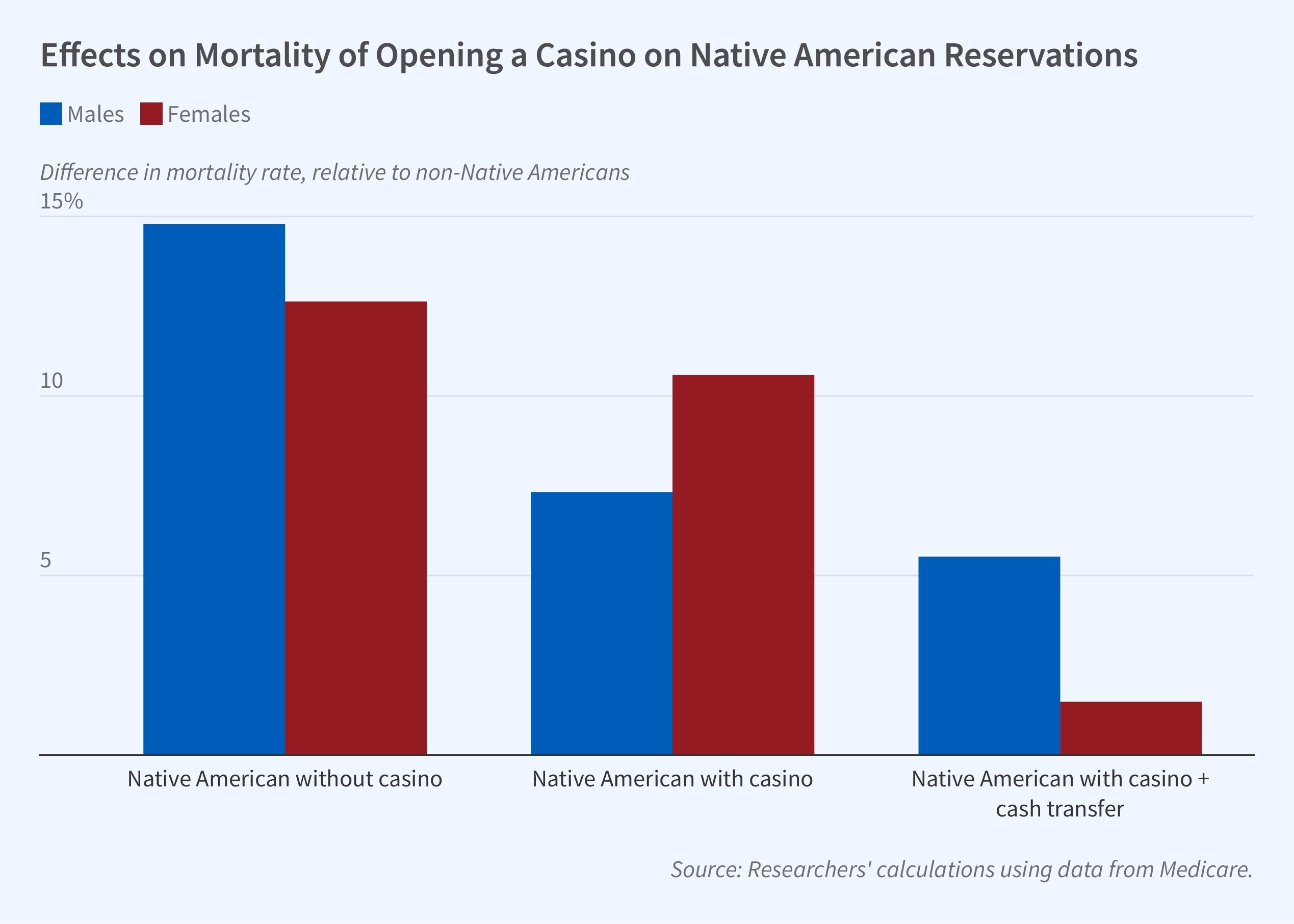

Economic Impact: A Boost or a Burden?
The economic impact of casinos on Indian reservations is perhaps the most widely discussed aspect. For many tribes, gaming revenue has provided a much-needed influx of capital, leading to significant improvements in living standards and infrastructure.
Job Creation and Employment
Tribal casinos have created thousands of jobs, both directly within the gaming facilities and indirectly in related industries such as hospitality, construction, and retail. These jobs often provide employment opportunities for tribal members and local residents, reducing unemployment rates and boosting the local economy.
Revenue Generation and Tribal Programs
-
Education: Funding schools, scholarships, and educational programs for tribal members.
-
Healthcare: Providing access to medical care, clinics, and health services.
-
Housing: Building new homes, improving existing housing, and providing housing assistance.
-
Infrastructure: Developing roads, utilities, and other essential infrastructure.
-
Cultural Preservation: Supporting cultural centers, language revitalization programs, and traditional arts.
Economic Diversification
In addition to funding essential services, some tribes have used gaming revenue to diversify their economies, investing in other businesses and industries. This diversification reduces their reliance on gaming revenue and creates a more sustainable economic base.
Impact on Local Economies
The economic benefits of tribal casinos often extend beyond the reservation boundaries, impacting surrounding communities. Casinos can attract tourists, generate tax revenue for local governments, and stimulate economic activity in the region.
Social Consequences: A Double-Edged Sword
While the economic benefits of tribal casinos are undeniable, the social consequences are more complex and often overlooked. The introduction of casinos can bring about both positive and negative social changes within tribal communities.
Problem Gambling and Addiction
One of the most significant concerns associated with casinos is the potential for problem gambling and addiction. The easy availability of gambling can lead to compulsive gambling behavior, resulting in financial hardship, relationship problems, and mental health issues. Tribes must invest in responsible gaming programs and provide resources for individuals struggling with gambling addiction.
Crime and Social Disruption
Some studies have suggested a correlation between the presence of casinos and an increase in crime rates, including property crime, theft, and violent crime. However, the extent of this correlation is debated, and other factors such as poverty, unemployment, and social inequality may also contribute to crime rates.
Cultural Preservation vs. Assimilation
The introduction of casinos can also raise concerns about cultural preservation. Some worry that the focus on economic development may come at the expense of traditional values, customs, and languages. Tribes must find a balance between economic progress and cultural preservation, ensuring that their cultural heritage is not lost in the pursuit of wealth.
Family and Community Dynamics
The influx of wealth from casinos can also alter family and community dynamics. While some families benefit from increased income and opportunities, others may experience conflict and division over the distribution of resources. It is essential for tribes to address these challenges and promote social cohesion.
Sovereignty and Self-Determination: Strengthening Tribal Governance
One of the most significant impacts of casinos on Indian reservations is the strengthening of tribal sovereignty and self-determination. Gaming revenue has enabled tribes to exercise greater control over their own affairs and to assert their rights as sovereign nations.
Increased Political Influence
With increased financial resources, tribes have been able to exert greater political influence at the local, state, and federal levels. They can lobby for legislation that benefits their communities, advocate for their rights, and participate more effectively in the political process.
Enhanced Tribal Governance
Gaming revenue has also allowed tribes to strengthen their tribal governments, improve their administrative capacity, and develop more effective policies and programs. This enhanced governance enables them to better serve the needs of their members and to manage their resources responsibly.
Protecting Treaty Rights
By asserting their sovereignty and exercising their rights to self-determination, tribes can better protect their treaty rights and land claims. Gaming revenue provides them with the resources to litigate legal disputes, negotiate agreements with the government, and defend their interests.
Challenges and Controversies: Navigating the Complexities
Despite the many benefits of tribal casinos, they also face numerous challenges and controversies. These include issues related to revenue sharing, regulatory oversight, and competition from commercial casinos.
Revenue Sharing Agreements
Many tribal-state compacts include revenue sharing agreements, requiring tribes to share a portion of their gaming revenue with the state. These agreements have been controversial, with some tribes arguing that they are unfair and violate tribal sovereignty. States, on the other hand, argue that revenue sharing is necessary to offset the costs of regulating gaming and providing services to tribal communities.
Regulatory Oversight
The regulation of tribal casinos is a complex issue, involving both federal and state agencies. Some argue that the current regulatory framework is inadequate and that more stringent oversight is needed to prevent corruption, money laundering, and other illegal activities. Others argue that excessive regulation infringes on tribal sovereignty.
Competition from Commercial Casinos
The growth of commercial casinos in recent years has increased competition for tribal casinos, potentially reducing their revenue and impacting their ability to fund tribal programs. Tribes must adapt to this changing landscape by improving their marketing strategies, enhancing their customer service, and offering unique gaming experiences.
The Future of Tribal Gaming: Adapting to Change
The future of tribal gaming is uncertain, but it is clear that tribes must continue to adapt to changing economic, social, and political conditions. This includes embracing new technologies, diversifying their economies, and strengthening their tribal governance.
Embracing New Technologies
Tribes can leverage new technologies to enhance the gaming experience, attract new customers, and improve their operational efficiency. This includes using mobile gaming platforms, implementing cashless payment systems, and utilizing data analytics to optimize their marketing strategies.
Diversifying Economies
To reduce their reliance on gaming revenue, tribes should continue to diversify their economies by investing in other businesses and industries. This includes developing tourism destinations, creating renewable energy projects, and supporting small businesses.
Strengthening Tribal Governance
Strong tribal governance is essential for ensuring the long-term success of tribal gaming. This includes developing transparent and accountable decision-making processes, investing in tribal leadership development, and engaging tribal members in the governance process.
Conclusion: A Path to Self-Sufficiency with Careful Consideration
In conclusion, the impact of casinos on Indian reservations is a complex and multifaceted issue. While tribal casinos have provided significant economic benefits, they have also raised social and cultural challenges. By carefully managing the risks and opportunities associated with gaming, tribes can use casinos as a tool for achieving economic self-sufficiency, strengthening their sovereignty, and preserving their cultural heritage. The key lies in responsible gaming practices, diversified economic development, and strong tribal governance, ensuring that the benefits of gaming outweigh the potential drawbacks.
Ultimately, the success of tribal gaming depends on the ability of tribes to balance economic progress with cultural preservation, social responsibility, and the exercise of their inherent sovereign rights. As the landscape of gaming continues to evolve, tribes must remain vigilant, adaptable, and committed to their long-term well-being.


