

The issue of hunting and fishing rights on Indian Reservations is a complex and often contentious one, rooted in treaties, federal law, and the inherent sovereignty of Native American tribes. Understanding these rights requires delving into historical agreements, legal precedents, and the unique relationship between tribes, the federal government, and state authorities. This comprehensive guide aims to provide clarity on this important topic, addressing key aspects and common questions.
Understanding Tribal Sovereignty
At the heart of the matter lies the concept of tribal sovereignty. Native American tribes possess inherent sovereign powers, predating the formation of the United States. This sovereignty grants them the right to govern themselves and their lands, including the management of natural resources. Treaties signed between the U.S. government and various tribes often explicitly reserved hunting and fishing rights for the tribes on their ceded lands.
These treaties are considered the supreme law of the land under the U.S. Constitution, meaning they hold significant legal weight. However, the interpretation and enforcement of these treaty rights have been subject to numerous legal challenges and varying interpretations over time. Often, these rights extend beyond the reservation boundaries to usual and accustomed hunting and fishing areas.
The Role of Federal Law and Regulations
While tribal sovereignty is paramount, federal law also plays a crucial role in regulating hunting and fishing on Indian Reservations. The federal government has a trust responsibility to protect tribal resources and ensure the well-being of Native American tribes. This responsibility is often manifested in laws and regulations that govern resource management and environmental protection.
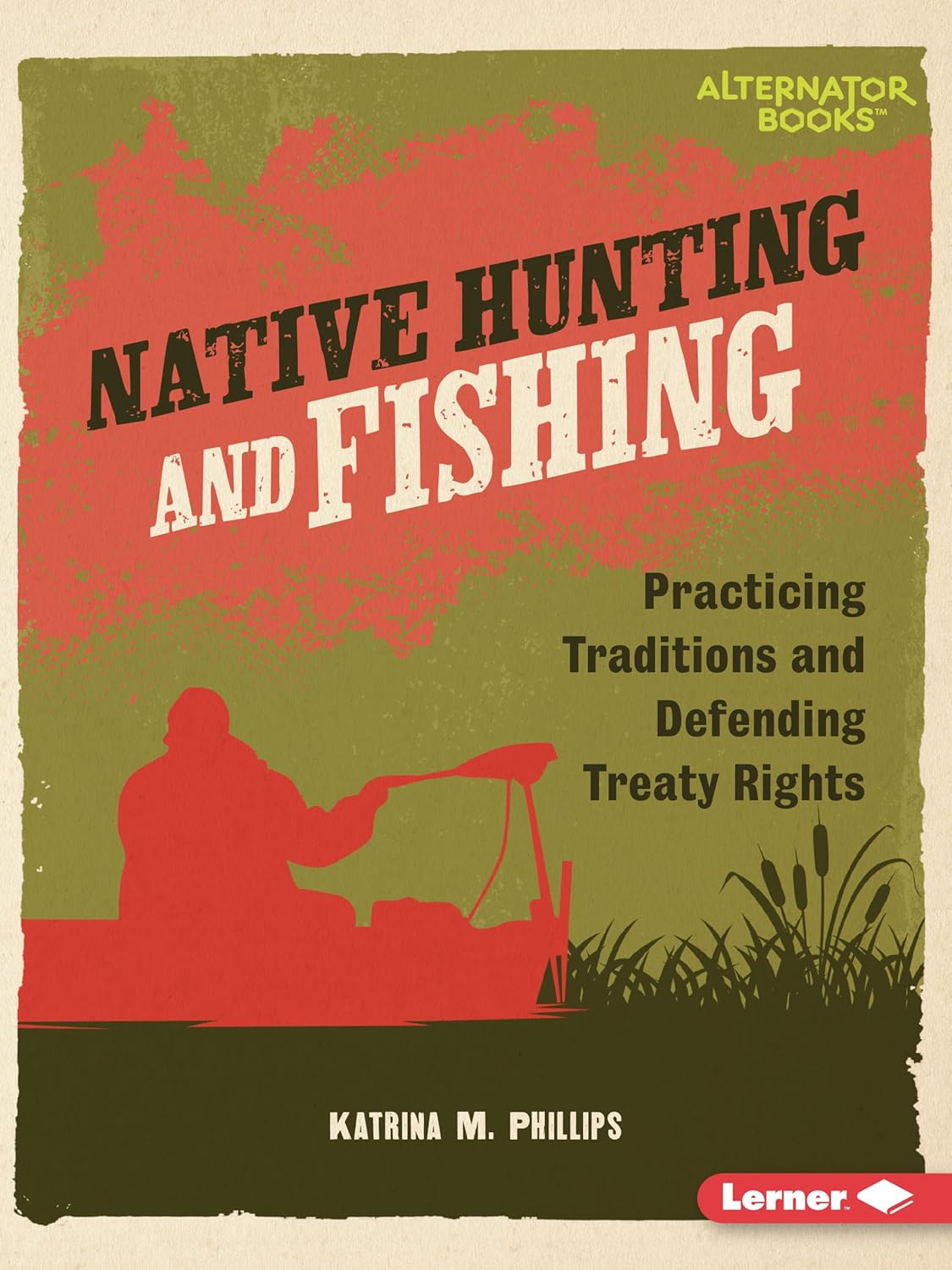

The Bureau of Indian Affairs (BIA) is the primary federal agency responsible for overseeing tribal affairs, including natural resource management. However, other agencies, such as the Environmental Protection Agency (EPA) and the U.S. Fish and Wildlife Service (USFWS), also have jurisdiction over certain aspects of hunting and fishing on reservations.
Hunting and Fishing Rights Within Reservation Boundaries
Within the boundaries of an Indian Reservation, tribal governments generally have the authority to regulate hunting and fishing by both tribal members and non-members. Tribal regulations often differ from state regulations, reflecting the unique cultural and ecological considerations of the tribe. These regulations can cover aspects such as licensing, bag limits, seasons, and permissible hunting and fishing methods.
Tribal members typically enjoy preferential hunting and fishing rights within their reservation, often without being subject to state licensing requirements. However, non-members who wish to hunt or fish on a reservation are generally required to obtain a tribal permit and comply with tribal regulations. Failure to do so can result in fines, confiscation of equipment, and even criminal charges.
Hunting and Fishing Rights Outside Reservation Boundaries (Ceded Lands)
A more complex issue arises when considering hunting and fishing rights on ceded lands – areas that tribes historically occupied but later relinquished to the U.S. government through treaties. Many treaties reserved the tribes’ right to hunt and fish on these ceded lands, often described as "usual and accustomed" areas.
The interpretation of these treaty rights has been the subject of extensive litigation. In many cases, courts have affirmed the tribes’ right to hunt and fish on ceded lands, but the scope and extent of these rights can vary depending on the specific treaty language and the historical context. State governments often attempt to regulate tribal hunting and fishing on ceded lands, leading to legal clashes over jurisdiction and resource management.
Key Legal Cases and Precedents
Several landmark legal cases have shaped the landscape of hunting and fishing rights on Indian Reservations. These cases have clarified the scope of tribal sovereignty, the interpretation of treaty rights, and the balance of power between tribal, federal, and state governments.


United States v. Winans (1905): This Supreme Court case established the principle that treaty rights are not grants of rights to the tribes, but rather reservations of rights that the tribes already possessed. The Court held that treaties should be interpreted in favor of the tribes, recognizing their inherent sovereignty.
Washington v. Washington State Commercial Passenger Fishing Vessel Assn. (1979): Also known as the Boldt Decision, this case affirmed the tribes’ right to a fair share of the salmon harvest in Washington State, based on treaty language guaranteeing them the right to fish at their "usual and accustomed" places. This case had a profound impact on fisheries management in the Pacific Northwest.
Minnesota v. Mille Lacs Band of Chippewa Indians (1999): The Supreme Court upheld the Mille Lacs Band’s treaty right to hunt, fish, and gather on ceded lands in Minnesota, rejecting the state’s argument that the treaty rights had been extinguished by subsequent events. This case reaffirmed the importance of honoring treaty obligations.
The Impact of State Regulations
State governments often attempt to regulate hunting and fishing by tribal members, particularly on ceded lands. These regulations can include licensing requirements, bag limits, seasonal closures, and restrictions on hunting and fishing methods. Tribes often argue that these state regulations infringe upon their treaty rights and undermine their ability to manage their own resources.
The legal battles between tribes and states over hunting and fishing rights can be complex and protracted, often involving extensive litigation and negotiation. In some cases, tribes and states have reached cooperative agreements that allow for joint management of natural resources. These agreements can provide a framework for resolving disputes and ensuring the sustainable management of fish and wildlife populations.
Environmental Considerations and Resource Management
Effective resource management is crucial for ensuring the long-term sustainability of hunting and fishing opportunities on Indian Reservations. Tribes have a vested interest in protecting the environment and managing natural resources in a responsible manner. Many tribes have developed sophisticated resource management programs that incorporate traditional ecological knowledge and scientific principles.
Environmental degradation, such as pollution, habitat loss, and climate change, can have a significant impact on fish and wildlife populations. Tribes are often at the forefront of efforts to address these environmental challenges and protect their natural resources. They may work with federal and state agencies, as well as non-governmental organizations, to implement conservation measures and restore degraded ecosystems.
Common Misconceptions About Hunting and Fishing Rights
Several misconceptions often cloud the understanding of hunting and fishing rights on Indian Reservations. It’s important to dispel these myths to promote a more accurate and informed perspective.
Misconception 1: Tribal members can hunt and fish anywhere they want, without any regulations. While tribal members often enjoy preferential rights within their reservation, they are still subject to tribal regulations and conservation measures. Outside the reservation, treaty rights are often subject to limitations and state regulations.
Misconception 2: Tribes are only interested in exploiting natural resources for economic gain. Many tribes prioritize the sustainable management of natural resources and view hunting and fishing as integral parts of their culture and traditions. They are often deeply committed to environmental stewardship.
Misconception 3: Granting hunting and fishing rights to tribes harms non-tribal hunters and anglers. In many cases, tribal and non-tribal hunters and anglers can coexist and share resources. Cooperative management agreements can help ensure that both groups have access to hunting and fishing opportunities.
People Also Ask (PAA) – Hunting and Fishing Rights on Indian Reservations
Q: What are treaty rights?
A: Treaty rights are rights that Native American tribes reserved for themselves in treaties signed with the U.S. government. These rights can include hunting, fishing, gathering, and other rights related to natural resources. Treaties are considered the supreme law of the land under the U.S. Constitution.
Q: Can non-Native Americans hunt and fish on Indian Reservations?
A: Generally, non-Native Americans can hunt and fish on Indian Reservations if they obtain a tribal permit and comply with tribal regulations. The specific requirements vary from tribe to tribe.
Q: What happens when tribal and state regulations conflict?
A: Conflicts between tribal and state regulations often lead to legal disputes. Courts typically consider the treaty rights of the tribe, the inherent sovereignty of the tribe, and the interests of the state in managing natural resources. Cooperative agreements between tribes and states can help resolve these conflicts.
Q: How do tribes manage their natural resources?
A: Tribes manage their natural resources through a variety of methods, including developing and enforcing tribal regulations, conducting scientific research, implementing conservation measures, and collaborating with other agencies and organizations.
Q: How can I learn more about hunting and fishing rights on a specific reservation?
A: Contact the tribal government of the reservation in question. They can provide information about their hunting and fishing regulations, permit requirements, and resource management programs.
The Future of Hunting and Fishing Rights
The future of hunting and fishing rights on Indian Reservations will likely involve continued legal challenges, negotiations, and cooperative agreements. As environmental pressures increase and natural resources become more scarce, the need for effective resource management and collaboration between tribes, federal agencies, and state governments will become even more critical.
Strengthening tribal sovereignty, honoring treaty obligations, and promoting sustainable resource management are essential for ensuring that Native American tribes can continue to exercise their hunting and fishing rights for generations to come. This requires ongoing dialogue, mutual respect, and a commitment to working together to protect our shared natural heritage.
Conclusion
Hunting and fishing rights on Indian Reservations are a complex tapestry woven from treaties, federal law, and tribal sovereignty. Understanding these rights requires acknowledging the historical context, legal precedents, and the unique relationship between tribes and the U.S. government. While challenges remain, honoring treaty obligations and fostering collaboration are crucial for ensuring the sustainable management of natural resources and the preservation of tribal cultures. Recognizing tribal sovereignty and promoting cooperative agreements are key to navigating the future of hunting and fishing rights, ensuring that these vital traditions continue for generations to come.
By understanding the nuances of tribal sovereignty, federal regulations, and the importance of respecting treaty rights, we can foster a more equitable and sustainable approach to natural resource management on Indian Reservations.


