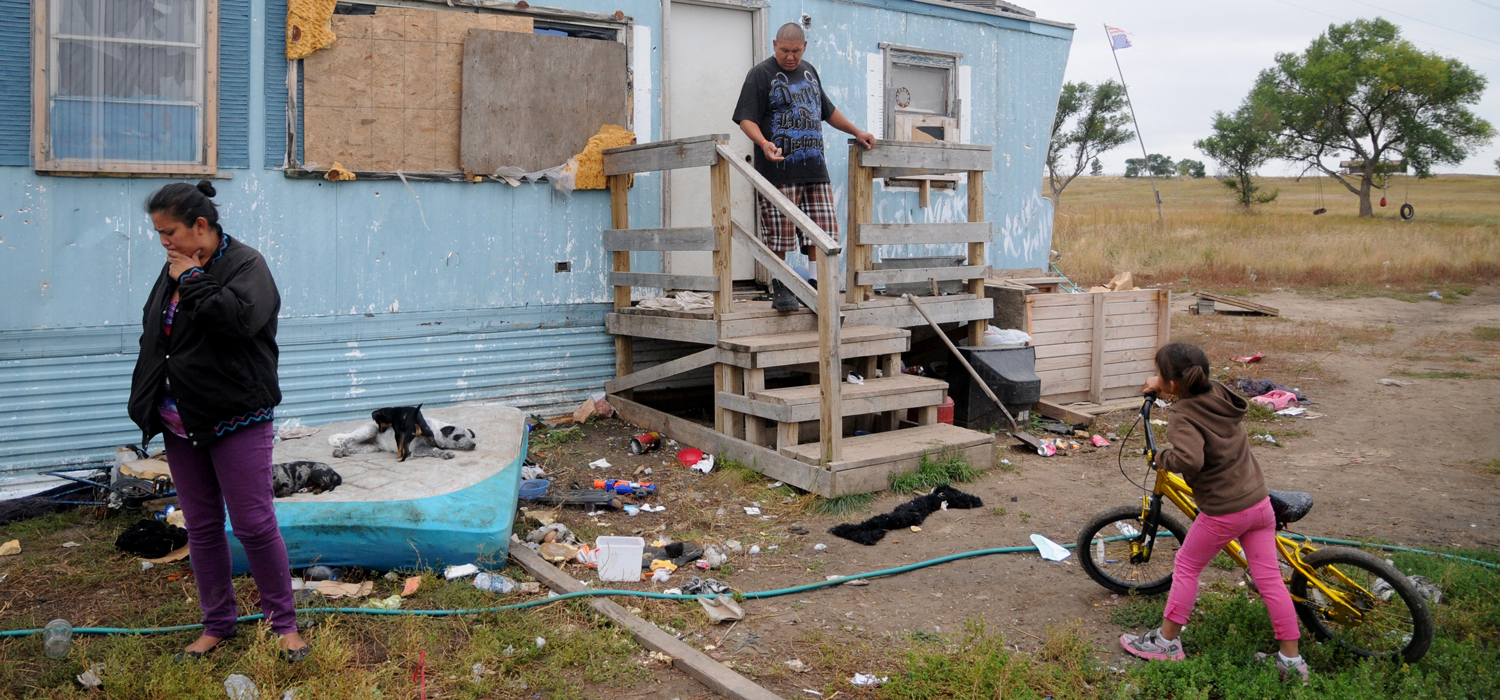
The United States is a nation of immense wealth and technological advancement, yet within its borders, a severe humanitarian crisis persists, largely out of the public eye. On Indian Reservations across the country, Native American communities face a devastating housing crisis characterized by extreme overcrowding, substandard living conditions, and a critical lack of adequate infrastructure. This crisis is not merely an inconvenience; it is a profound barrier to health, education, economic opportunity, and cultural preservation for millions of Indigenous people.
For generations, Native American families have endured living conditions that would be unacceptable in most other parts of the nation. Homes often lack basic amenities like running water, electricity, or proper sanitation. Many structures are dilapidated, unsafe, and pose significant health risks to their inhabitants. Understanding the depth and complexity of this issue requires a look beyond the surface, delving into its historical origins, systemic causes, and the resilient efforts of tribal nations to overcome these immense challenges.
The roots of the housing crisis are deeply embedded in the historical injustices and destructive federal policies imposed upon Native American tribes. From forced removals and the breaking of treaties to the Dawes Act of 1887, which fragmented communal lands, and the disastrous termination era, federal actions systematically stripped tribes of their land, resources, and self-governance. These policies deliberately disrupted traditional ways of life and created conditions of poverty and dependence, the reverberations of which are still felt today.
The establishment of reservations, often on marginal lands far from economic centers, further isolated communities and limited their ability to develop robust economies. This legacy of dispossession and economic underdevelopment forms the bedrock of many contemporary issues, including the chronic lack of quality housing and infrastructure.
Today, the housing situation on many reservations is dire. Overcrowding is rampant, with multiple generations often sharing small, dilapidated homes. It is not uncommon to find 10 or more people living in a two-bedroom house, leading to a host of social, health, and educational problems. This severe density exacerbates the spread of infectious diseases and creates an unstable environment, particularly for children.
Many homes lack indoor plumbing, forcing residents to haul water for basic needs or rely on unsanitary outdoor facilities. Heating systems are often inadequate or unsafe, leading to reliance on wood-burning stoves that contribute to poor indoor air quality. Structural issues like leaky roofs, crumbling foundations, and widespread mold are common, further compromising the health and safety of residents.

Beyond the physical structures, the fundamental infrastructure supporting these communities is critically underdeveloped. Access to clean, potable water is a luxury in some areas, while others contend with contaminated water sources. Reliable electricity can be scarce, and internet access, a necessity in the modern world, remains a distant dream for many remote tribal communities.
Roads leading to and within reservations are often unpaved and poorly maintained, making transportation difficult, especially during harsh weather. This lack of basic infrastructure compounds the housing problem, making it harder to build new homes, deliver materials, and attract essential services.
What are the primary reasons for such poor housing conditions? A confluence of factors contributes to the severity of the housing crisis on Indian Reservations. One of the most significant is chronic underfunding from the federal government.
For decades, federal appropriations for tribal housing programs have fallen far short of the actual need. The Native American Housing Assistance and Self-Determination Act (NAHASDA) of 1996, while a crucial piece of legislation designed to empower tribes, has seen its funding stagnate or decline in real terms, making it impossible to address the immense backlog of housing needs.
Another major hurdle is the unique legal status of trust land on reservations. Most land on reservations is held in trust by the U.S. government for the benefit of the tribes or individual Native Americans. While intended to protect tribal assets, this status complicates land transactions and makes it difficult for individuals to obtain conventional mortgages, as the land cannot be used as collateral in the same way as fee-simple land.
Economic disparities also play a critical role. High rates of unemployment and poverty on reservations mean that many tribal members simply cannot afford market-rate housing, even if it were available. The lack of robust economic development opportunities limits the tax base and resources available for tribal governments to invest in housing and infrastructure.
Bureaucratic complexities and stringent federal regulations can also slow down tribal housing projects. The process of securing funding, obtaining permits, and navigating environmental reviews can be lengthy and arduous, often delaying much-needed construction for years.
The impact of the housing crisis reverberates through every aspect of life on reservations. Health outcomes are significantly poorer, with higher rates of respiratory illnesses, infectious diseases, and chronic conditions linked to substandard living conditions. Mental health is also severely affected by the stress and instability of inadequate housing.
Educational attainment suffers when children lack a stable, healthy home environment. Overcrowding makes it difficult to study, and frequent moves or illness due to poor housing can lead to school absenteeism and lower academic performance. This perpetuates a cycle of poverty and limited opportunity.
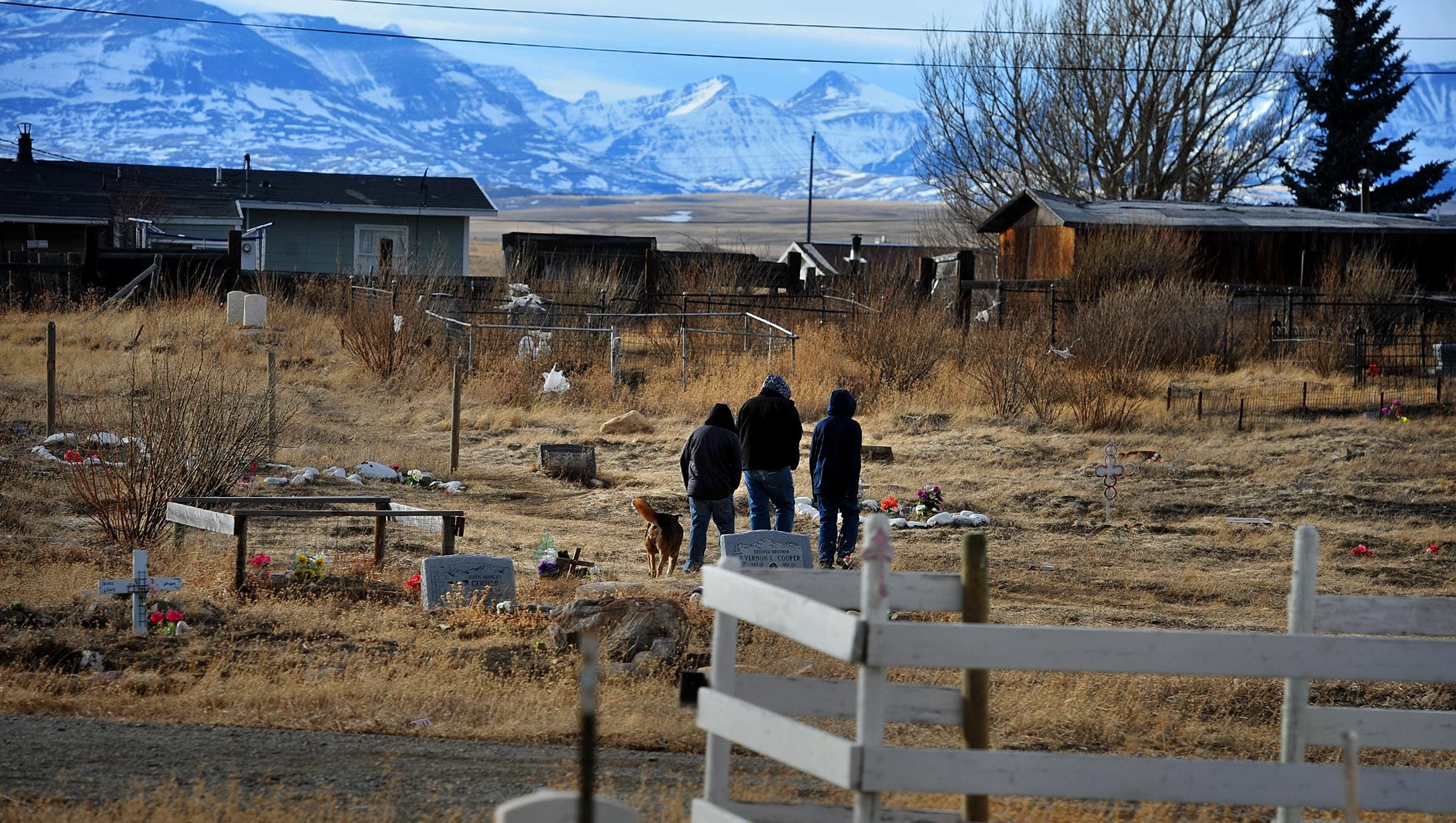
Culturally, the crisis can disrupt traditional family structures and practices. While multi-generational living is a cherished tradition, forced overcrowding due to lack of options places immense strain on families and can erode the quality of life and intergenerational knowledge transfer.
Addressing this multifaceted crisis requires a comprehensive and sustained approach, centered on tribal self-determination and adequate federal support. Empowering tribal nations to design and implement their own housing solutions, tailored to their unique cultural and environmental contexts, is paramount.
Increased and consistent federal funding for programs like NAHASDA is absolutely essential. This means not just maintaining current levels, but significantly increasing appropriations to address the historical underinvestment and current needs. Streamlining bureaucratic processes and providing technical assistance to tribal housing authorities can also accelerate project development.
Innovative housing solutions are being explored and implemented by tribes, including modular homes, tiny homes, and sustainable building practices that leverage local materials and expertise. These approaches can be more cost-effective and culturally appropriate than traditional construction models.
Investing in critical infrastructure—water systems, wastewater treatment, electricity grids, and broadband internet—is foundational. Without these basic services, new housing cannot thrive, and existing communities cannot prosper. Federal initiatives like the Bipartisan Infrastructure Law offer opportunities, but sustained focus is needed.
The Section 184 Indian Home Loan Guarantee Program, administered by HUD, has been a valuable tool in helping Native Americans secure homeownership. Expanding awareness and access to this program, along with exploring other financial mechanisms that work within the trust land framework, is crucial.
Public-private partnerships can also play a role, bringing in external resources, expertise, and capital to supplement federal funding. Engaging non-profit organizations and private sector developers who understand and respect tribal sovereignty can help scale solutions.
Finally, advocacy and public awareness are vital. The housing crisis on Indian Reservations often remains invisible to the wider public. By shedding light on these issues, we can build greater support for policy changes and increased investment. Supporting organizations dedicated to Native American housing and development is one way individuals can help.
The housing crisis on Indian Reservations is a profound and pressing issue, born from a history of systemic injustice and perpetuated by chronic underfunding and complex challenges. It is a crisis that impacts the health, education, economic stability, and cultural vitality of millions of Native Americans.
However, it is also a crisis that can be overcome through sustained commitment, innovative solutions, and, most importantly, a steadfast respect for tribal sovereignty and self-determination. By working collaboratively, we can ensure that every Native American family has access to safe, healthy, and culturally appropriate housing, fulfilling a fundamental human right and honoring treaty obligations.
The path forward demands not just resources, but a fundamental shift in perspective, recognizing the inherent rights and resilience of Indigenous peoples to build strong, thriving communities on their ancestral lands. The time for action is now.


