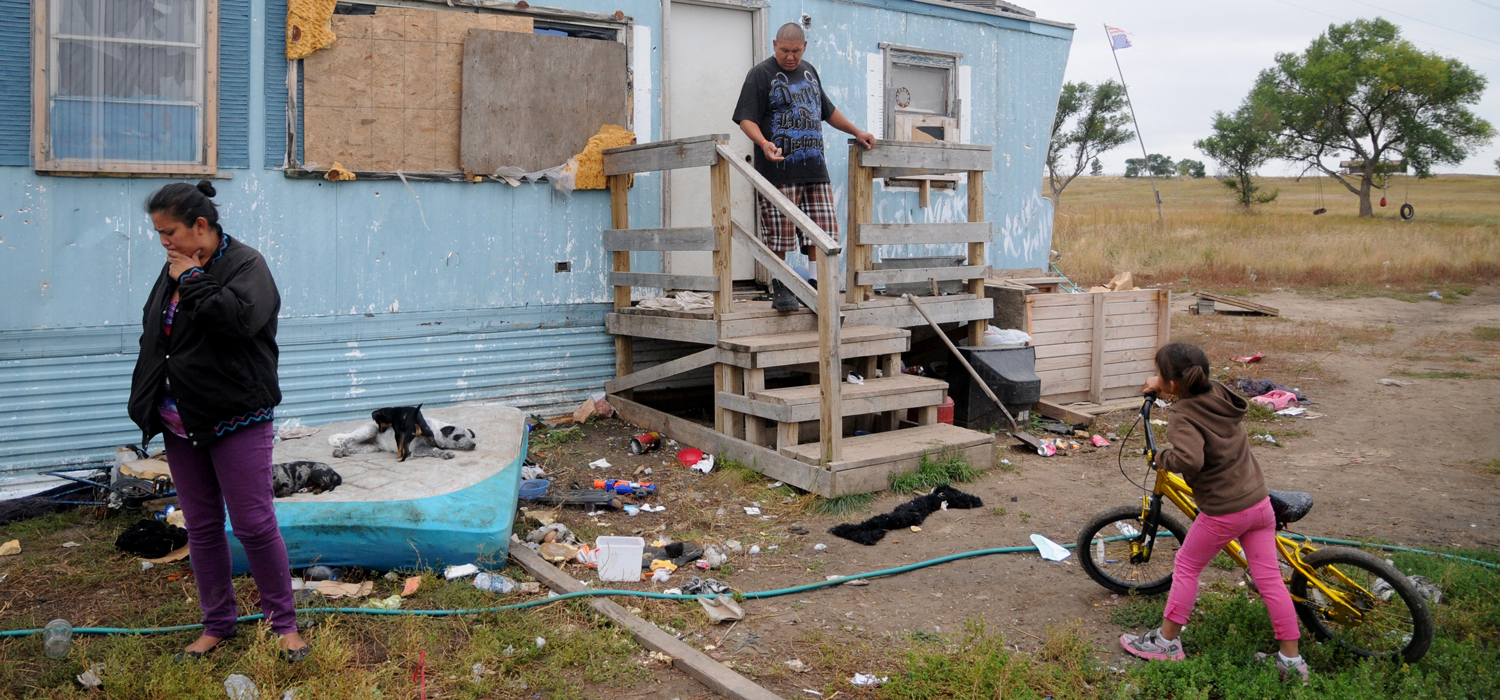
Housing conditions on Indian Reservations in the United States represent a critical and often overlooked aspect of the broader national housing crisis. For Indigenous communities, access to safe, adequate, and affordable housing is not merely an economic issue but a fundamental matter of health, sovereignty, and human dignity. This comprehensive article delves into the historical roots, current realities, and ongoing efforts to address the profound housing disparities faced by Native American populations across the country.
The challenges are multifaceted, encompassing everything from substandard structures and overcrowding to a severe lack of basic infrastructure. Understanding these complexities requires acknowledging the historical context and the unique jurisdictional landscape of Indian Country.
A Troubled Legacy: Historical Context of Native American Housing
The current state of housing on reservations is inextricably linked to centuries of federal policy, including forced relocation, land dispossession, and the systematic erosion of tribal self-governance. Treaties often promised resources that were rarely delivered, and subsequent policies like the Dawes Act fragmented tribal lands, making communal planning and development incredibly difficult.
The legacy of federal paternalism has created an environment where economic opportunities are scarce, infrastructure development is neglected, and access to capital for housing construction or renovation remains severely limited. This historical backdrop is crucial for comprehending the systemic nature of today’s housing crisis.
The Current Reality: Substandard Housing and Overcrowding

Reports from various governmental and non-governmental organizations consistently highlight alarming statistics regarding housing quality on reservations. Many homes lack basic amenities that are taken for granted in other parts of the U.S., such as reliable plumbing, electricity, or heating.
Substandard housing is a pervasive issue, with many structures being dilapidated, unsafe, and prone to environmental hazards like mold or inadequate insulation. These conditions contribute to significant health problems, including respiratory illnesses, asthma, and other chronic conditions, disproportionately affecting children and elders.
Overcrowding is another critical concern. Due to a severe shortage of available housing units and the extended family structures common in many Indigenous cultures, multiple generations often reside in homes designed for fewer occupants. This intensifies the strain on existing infrastructure and can lead to increased stress and reduced privacy for residents.
The lack of adequate housing stock means that many families are forced to live in conditions that would be deemed uninhabitable elsewhere, often in trailers or makeshift structures that offer little protection from the elements.
Infrastructure Deficits: A Foundation of Disparity
Beyond the homes themselves, the underlying infrastructure on many reservations is critically underdeveloped. This includes a lack of access to clean, potable water, inadequate wastewater treatment systems, and unreliable electricity or internet services.
- Water and Sanitation: Many communities still lack access to safe drinking water, relying on contaminated sources or expensive bottled water. Inadequate septic systems or the complete absence of sewage infrastructure poses serious public health risks.
- Roads and Utilities: Unpaved roads, often impassable during inclement weather, isolate communities and hinder economic development. Extending utility lines to remote areas is prohibitively expensive, leaving many homes without essential services.
- Broadband Access: The digital divide is particularly stark, with limited or no high-speed internet access in many tribal areas, impacting education, healthcare (telemedicine), and economic opportunities.
These infrastructure deficits are not just inconveniences; they are fundamental barriers to economic development, public health, and overall quality of life, exacerbating the housing crisis.
Root Causes: Why the Crisis Persists
/res-5808b9813df78cbc287e2ef8.jpg "Housing Conditions On Indian Reservations")
Economic Disadvantage: High unemployment rates and pervasive poverty on many reservations limit residents’ ability to afford housing or invest in home improvements. The lack of robust local economies restricts job creation and tax bases that could fund infrastructure.
Funding Limitations: While federal programs exist, funding levels have historically been insufficient to address the scale of the housing needs. The Native American Housing Assistance and Self-Determination Act (NAHASDA) provides block grants, but these funds are often stretched thin across vast and diverse tribal lands.
Land Status and Financing: The unique legal status of trust lands often complicates securing conventional mortgages or private financing for home construction or renovation. Banks are hesitant to lend on land they cannot easily foreclose upon, creating a significant barrier for individual homeownership and tribal development.
Geographic Isolation: Many reservations are located in remote, rural areas, making the delivery of building materials, skilled labor, and utility services costly and challenging. Harsh climates in some regions also necessitate more robust and expensive construction methods.
Jurisdictional Complexities: The interplay between tribal, state, and federal laws can create bureaucratic hurdles and delays in development projects, making it difficult to implement effective, long-term housing solutions.
Impacts on Health, Education, and Culture
The effects of substandard housing ripple through every aspect of life in Indigenous communities.
Health Disparities: Poor housing is a direct contributor to higher rates of chronic diseases, infectious diseases, and mental health challenges. Overcrowding facilitates the spread of illness, while mold and poor ventilation exacerbate respiratory issues. The stress of inadequate living conditions also takes a toll on mental well-being.
Educational Outcomes: Children living in overcrowded or unstable housing conditions often struggle with academic performance. Lack of quiet study spaces, reliable internet, and consistent access to basic utilities creates significant barriers to learning and educational attainment.
Cultural Preservation: The ability to live on ancestral lands and maintain cultural practices is intrinsically linked to stable housing. Displacement due to lack of housing options can disrupt community bonds and the transmission of traditional knowledge.
Addressing the Crisis: Initiatives and Solutions
Strengthening Tribal Housing Authorities: Tribal Housing Authorities (THAs) play a crucial role in administering federal funds (like NAHASDA grants), developing housing programs, and advocating for their communities’ needs. Empowering THAs with greater resources and autonomy is vital.
Federal Programs and Policy: Programs from the U.S. Department of Housing and Urban Development (HUD), the U.S. Department of Agriculture (USDA) Rural Development, and the Indian Health Service (IHS) provide essential funding and technical assistance. Continued advocacy for increased and consistent funding is critical.
Innovative Financing Models: Exploring alternative financing mechanisms that work within the trust land framework, such as tribal lending institutions, loan guarantees, and partnerships with community development financial institutions (CDFIs), can unlock much-needed capital.
Sustainable and Culturally Appropriate Design: Developing housing solutions that are not only energy-efficient and resilient but also reflect the cultural values and traditions of specific tribes is gaining traction. This includes using local materials, incorporating traditional designs, and ensuring community input.
Infrastructure Investment: Significant federal investment in basic infrastructure – water, sewer, broadband, and roads – is foundational to long-term housing stability and economic growth on reservations. Initiatives like the Bipartisan Infrastructure Law offer opportunities, but sustained commitment is needed.
Economic Development: Fostering tribal self-sufficiency through economic development initiatives creates jobs, generates tribal revenue, and empowers communities to address their own housing needs. This includes supporting tribal enterprises, small businesses, and vocational training programs.
Partnerships: Collaborations between tribal governments, federal agencies, state governments, non-profits, and private sector entities are essential to pool resources, share expertise, and implement comprehensive solutions.
The Path Forward: Hope and Resilience
The challenges facing housing on Indian Reservations are profound, rooted in a complex history and exacerbated by systemic inequities. However, the resilience, determination, and self-advocacy of Native American communities offer a powerful force for change.
By continuing to advocate for increased federal investment, innovative financing, and culturally resonant solutions, and by empowering tribal nations to lead their own development, significant strides can be made. Addressing the housing crisis is not just about building houses; it is about honoring treaty obligations, promoting self-determination, and ensuring equity and justice for all citizens.
The journey towards equitable housing conditions on Indian Reservations is ongoing, requiring sustained effort, understanding, and a commitment to rectifying historical injustices and supporting the inherent sovereignty of Indigenous peoples. The goal is not merely shelter, but homes that foster health, stability, and thriving communities.
Conclusion: A Call for Sustained Action
The housing conditions on Indian Reservations represent a multifaceted crisis demanding urgent and sustained attention. From historical policies that dispossessed Indigenous peoples of their lands and resources, to current systemic issues like insufficient funding, economic disparities, and complex land tenure, the challenges are deeply entrenched. The impacts on health, education, and cultural well-being are profound and far-reaching. While significant efforts are underway through tribal initiatives, federal programs like NAHASDA, and innovative partnerships, a comprehensive and equitable resolution requires increased investment, policy reforms, and a steadfast commitment to tribal self-determination. Ensuring safe, adequate, and culturally appropriate housing for Native American communities is a moral imperative and a crucial step towards true equity and justice in the United States.
Ultimately, improving housing conditions on reservations is a testament to respecting Indigenous sovereignty and fostering environments where Native American families and communities can thrive, preserving their heritage and building a stronger future.


