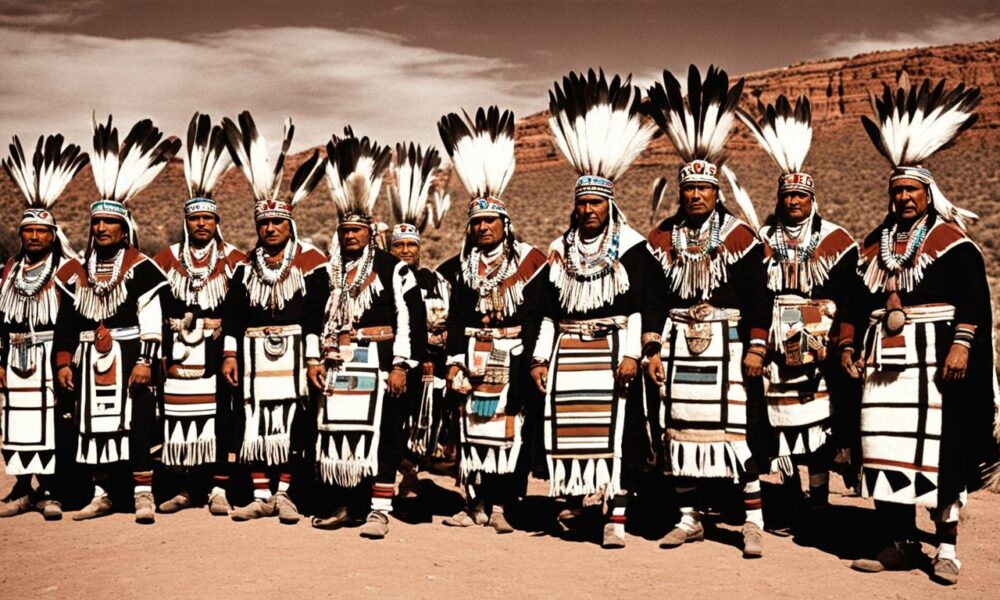
Nestled atop ancient mesas in northeastern Arizona, the Hopi Indian Reservation stands as a testament to an enduring culture, rich in history, spirituality, and a profound connection to the land. For centuries, the Hopi people, whose name translates to ‘Peaceful Ones,’ have maintained a way of life deeply rooted in tradition, offering a unique perspective on human existence and harmony with nature.
This comprehensive guide invites you on a journey to understand the intricate tapestry of Hopi culture. From their ancestral Puebloan origins to their vibrant contemporary practices, we will explore the core tenets that define this remarkable Native American tribe, addressing common questions and shedding light on their distinct contributions to humanity.
Ancient Roots and Enduring Legacy
The Hopi people are believed to be descendants of the ancestral Puebloans, often referred to as Anasazi, who inhabited the Four Corners region thousands of years ago. Their continuous occupation of the same land for over a millennium makes them one of the oldest living cultures in North America, a fact that deeply influences their identity and traditions.
Their history is etched into the very landscape of their reservation, which encompasses approximately 1.5 million acres and is entirely surrounded by the Navajo Nation. This geographical isolation has played a significant role in preserving their distinct cultural identity amidst centuries of external influence.
The Hopi Way of Life: Harmony and Responsibility
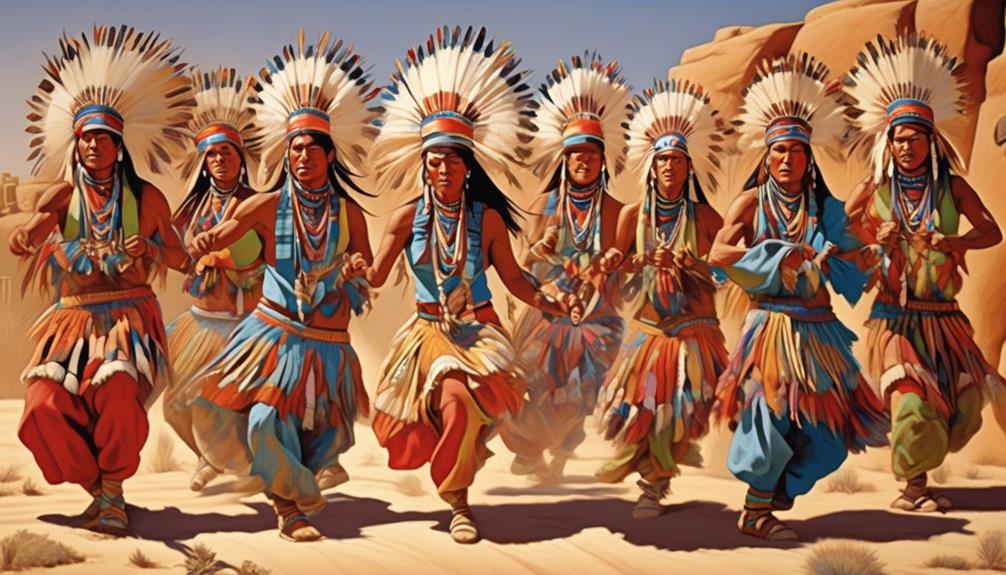
At the heart of Hopi philosophy is the concept of Hopi Kiva, a holistic understanding of life that emphasizes balance, respect, and a deep sense of responsibility to the earth and all living things. This worldview permeates every aspect of their society, from daily chores to elaborate ceremonial practices.
Life on the reservation is often characterized by a strong sense of community and interdependence. Traditional values such as humility, cooperation, and hard work are highly esteemed and passed down through generations, ensuring the continuity of their cultural heritage.
The Sacred Mesas: A Living Landscape
The Hopi Reservation is famously organized around three primary mesas: First Mesa, Second Mesa, and Third Mesa. Each mesa hosts several ancient villages, or pueblos, some of which have been continuously inhabited for over 900 years, making them among the oldest continuously inhabited settlements in North America.
- First Mesa: Home to villages like Walpi, Sichomovi, and Hano (or Tewa Village), known for pottery and Tewa language speakers. Walpi, dramatically perched on a narrow rock promontory, offers breathtaking views and a profound sense of history.
- Second Mesa: Features villages such as Shungopavi, Sipaulovi, and Mishongnovi, often associated with basket weaving and traditional ceremonies.
- Third Mesa: Includes Old Oraibi (one of the oldest continuously inhabited settlements in North America), Hotevilla, Bacavi, and Kykotsmovi (the tribal administrative center), known for Kachina carving and silverwork.
These mesas are not merely geographical features; they are integral to the Hopi spiritual landscape, believed to be sacred sites where their ancestors emerged and where many ceremonies are performed.
Spiritual Beliefs and Ceremonial Life: What Do the Hopi People Believe In?
The Hopi spiritual system is complex and deeply interwoven with the natural world, focusing on maintaining harmony and balance. Central to their beliefs is the concept of the Kachinas (or Katsinam), benevolent spirit beings who act as intermediaries between humans and the spiritual realm.
Kachinas are believed to visit the villages from the winter solstice to the summer solstice, bringing blessings, rain, and fertility. During this period, elaborate dances and ceremonies are performed in their honor, often held in subterranean ceremonial chambers called kivas.

The Kachina dances are not merely performances; they are sacred rituals through which the Hopi connect with the spiritual world and reinforce their communal bonds. Participants wear intricate masks and costumes, embodying the spirits themselves, and the ceremonies are rich with symbolism and ancient chants.
Corn, especially the colorful Hopi corn varieties, holds immense spiritual and practical significance. It is not just a food source but a sacred symbol of life, sustenance, and the cycle of creation. Many ceremonies revolve around the planting, growing, and harvesting of corn, reflecting their agricultural heritage.
Another significant aspect of Hopi spirituality is their rich body of Hopi prophecy, which speaks of world events, environmental changes, and the ultimate destiny of humanity. These prophecies are deeply respected and continue to guide the Hopi people’s understanding of their place in the universe.
Art and Craftsmanship: A Legacy of Beauty and Meaning
Hopi art is renowned worldwide for its beauty, intricacy, and deep cultural significance. Every piece, whether pottery, carving, or jewelry, tells a story and embodies generations of tradition and skill.
- Kachina Doll Carving: Perhaps the most famous Hopi art form, these intricately carved cottonwood root figures represent the various Kachina spirits. They are traditionally given to Hopi children, not as toys, but as educational tools to teach about the different Katsinam and their roles.
- Hopi Pottery: Characterized by distinctive black-on-yellow or black-on-red designs, often featuring geometric patterns, bird motifs, and clan symbols. Each piece is hand-coiled, polished, and fired using traditional methods, a testament to ancestral techniques.
- Basket Weaving: Unique to each mesa, Hopi baskets are celebrated for their vibrant colors and complex designs. Second Mesa is known for coiled baskets, while Third Mesa specializes in wicker baskets, each serving ceremonial and practical purposes.
- Silverwork and Jewelry: The Hopi are masters of overlay silverwork, a technique where two layers of silver are used, with the top layer cut out to reveal an oxidized, darkened bottom layer, creating striking contrast and intricate designs often inspired by natural elements and cultural symbols.
These art forms are not merely decorative; they are living expressions of Hopi spiritual beliefs, history, and connection to their environment.
The Hopi Language (Hopilàvayi): A Vital Link to Identity
The Hopi language, or Hopilàvayi, is a Uto-Aztecan language spoken by the Hopi people. It is a critical component of their cultural identity, embodying their unique worldview and traditional knowledge. Efforts to preserve and revitalize the language are ongoing, with immersion programs and educational initiatives playing a crucial role.
Speaking Hopi is not just about communication; it’s about connecting with ancestors, understanding ceremonies, and maintaining the fabric of their community. The nuances of the language often carry deep philosophical meanings that are difficult to translate directly into English.
Challenges and Cultural Preservation Efforts
Like many Indigenous communities, the Hopi face modern challenges, including economic development, infrastructure needs, and the impact of external cultures. However, the Hopi people are fiercely dedicated to cultural preservation and maintaining their unique identity.
Tribal initiatives focus on strengthening traditional governance, promoting sustainable practices, and educating younger generations about their heritage. These efforts ensure that the ancient wisdom and practices of the Hopi continue to thrive in the 21st century.
Visiting the Hopi Reservation: Respect and Understanding
Can you visit Hopi reservation? Yes, but with significant respect for their private lands and sacred traditions. The Hopi people welcome visitors who are genuinely interested in learning about their culture, but strict guidelines are in place to protect their privacy and sacred sites.
Visitors must always check with the Hopi Cultural Preservation Office or the individual villages for current visitation policies. Many villages, particularly Walpi, require guided tours, and photography is generally prohibited in villages and during ceremonies. It is essential to remember that you are a guest in a living, sacred community.
When visiting, be prepared for limited services and remember that interactions should always be respectful. Purchasing authentic Hopi arts and crafts directly from the artisans is a wonderful way to support the local economy and appreciate their talent.
The Enduring Message of the Peaceful Ones
The Hopi culture offers the world a powerful message of peace, resilience, and profound connection to the earth. Their commitment to maintaining harmony, their rich spiritual life, and their vibrant artistic traditions stand as a beacon of cultural continuity in a rapidly changing world.
Understanding the Hopi is to appreciate a way of life that prioritizes balance over consumption, community over individualism, and spiritual well-being over material gain. It is a lesson in enduring strength and the timeless value of tradition.
In conclusion, the Hopi Indian Reservation is more than just a geographical location; it is a vibrant, living cultural entity. Their history, spiritual practices, artistic expressions, and commitment to peace provide invaluable insights into the human spirit’s capacity for endurance and wisdom. By respecting and learning from the Hopi, we gain a deeper appreciation for the rich diversity of human experience and the importance of preserving cultural heritage.


