
From Ancient Wisdom to Modern Governance: The Enduring Tapestry of Native American Leadership
The narrative of Native American leadership is not a monolithic tale but a vibrant, complex tapestry woven from thousands of distinct threads, each representing a unique tribal nation with its own rich history, governance structures, and spiritual beliefs. Far from the simplistic stereotypes often perpetuated, the leadership roles among Indigenous peoples of North America have always been characterized by profound wisdom, adaptability, and a deep connection to community and land. From revered spiritual guides and strategic war chiefs to eloquent diplomats and resilient modern nation-builders, the history of Native American leadership is a testament to an enduring spirit of self-determination and cultural preservation in the face of immense challenges.
Pre-Colonial Foundations: A Spectrum of Governance
Before European contact, the continent was a mosaic of sophisticated societies, each with leadership roles tailored to its environment, social organization, and worldview. There was no single "Native American chief" but rather an astonishing diversity of governance models.
In the Northeast, the Haudenosaunee (Iroquois Confederacy), comprising the Mohawk, Oneida, Onondaga, Cayuga, Seneca, and later the Tuscarora nations, developed one of the most sophisticated democratic systems in the world. Guided by the Great Law of Peace (Kaianere’kó:wa), their leadership was distributed among Sachems (chiefs) chosen by Clan Mothers, who held significant political power, including the right to veto declarations of war and depose incompetent leaders. "The Great Law of Peace," notes historian Charles C. Mann in 1491: New Revelations of the Americas Before Columbus, "created a system of checks and balances that, many scholars argue, influenced the framers of the U.S. Constitution." This matriarchal influence highlights a stark contrast to the patriarchal systems prevalent in Europe at the time.
On the Great Plains, leadership was often bifurcated: peace chiefs, typically older, wise men responsible for civil matters, judicial decisions, and spiritual guidance, and war chiefs, younger, proven warriors chosen for their strategic prowess during military campaigns or hunts. Sitting Bull, the revered Lakota Hunkpapa leader, exemplified this dual role, renowned both for his spiritual insight and his military genius in resisting U.S. expansion. His famous quote, "Let us put our minds together and see what life we can make for our children," encapsulates the deep sense of responsibility and foresight inherent in his leadership.
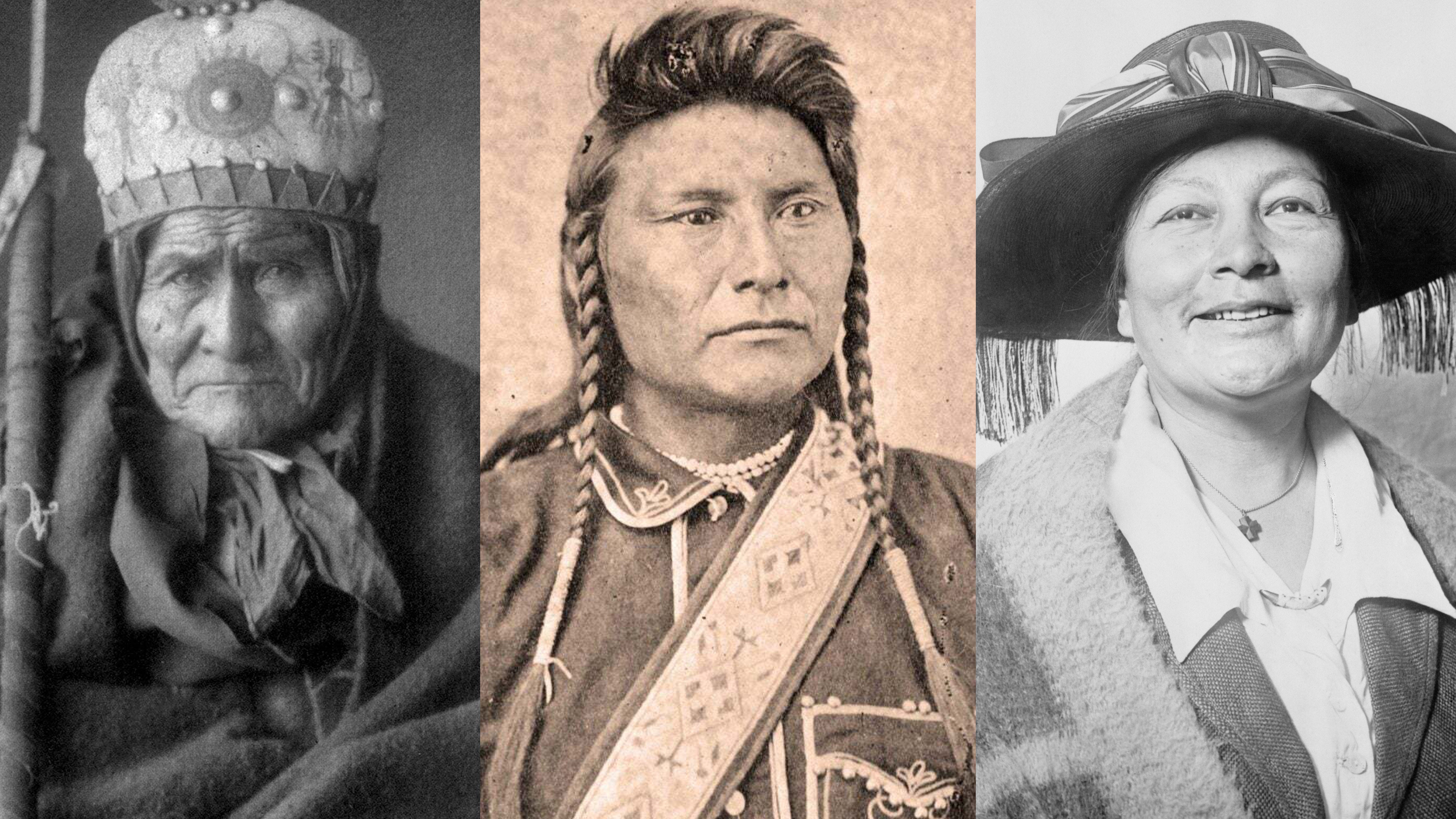
In the Southwest, the Pueblo peoples, with their deeply spiritual and agricultural societies, often had theocratic leadership structures, where religious leaders held significant political authority, guiding the community in harmony with cosmic cycles. Among the Cherokee, a highly organized nation, leadership evolved to include written laws and a bicameral legislature, demonstrating an early capacity for nation-building that would prove crucial in their later struggles.
These examples underscore a fundamental principle: Native American leaders were rarely absolute monarchs. Decisions were typically made through consensus, extensive discussion, and a deep respect for individual and communal well-being, prioritizing the long-term survival and prosperity of the people over individual power.
The Crucible of Contact: Adaptation and Resistance
The arrival of Europeans fundamentally altered the landscape of Indigenous leadership. Native leaders were thrust into new roles as diplomats, strategists, and defenders of their lands and cultures against overwhelming external forces. Figures like Pontiac, the Odawa war chief who led a pan-Indian resistance against British expansion in the 1760s, and Tecumseh, the Shawnee chief who forged a confederacy of tribes in the early 19th century to resist U.S. encroachment, became symbols of fierce determination and intertribal unity. Tecumseh’s vision, expressed in his plea for unity, "A single twig breaks, but a bundle of twigs is strong," highlighted the urgent need for collective action against a common threat.
The era of treaty-making saw Native leaders navigating complex legal and diplomatic landscapes, often against deceitful adversaries. These "Treaty Chiefs" attempted to secure their peoples’ future through negotiation, even as their lands were systematically diminished. Many were forced to make impossible choices, balancing the survival of their people with the preservation of their ancestral domains and traditional ways of life. Their leadership during this period was characterized by extraordinary resilience, strategic thinking, and a tragic understanding of the forces arrayed against them.
The Reservation Era and the Erosion of Traditional Power
The late 19th and early 20th centuries marked a devastating period for Native American leadership. The U.S. government’s policy of forced assimilation and the establishment of reservations systematically sought to dismantle traditional governance structures. Tribal lands were allotted to individuals under the Dawes Act (1887), aiming to break up communal ownership and encourage individual farming, a practice alien to many tribes. Traditional chiefs and spiritual leaders were often suppressed, their authority undermined by appointed "Indian Agents" and the establishment of tribal councils that were frequently mere puppets of federal policy.
Children were forcibly removed from their families and sent to boarding schools, where their languages, religions, and cultural identities were systematically eradicated. This era aimed to sever the intergenerational transmission of leadership knowledge and cultural values, creating a "lost generation" and profound trauma that continues to impact communities today. The goal was to "kill the Indian, save the man," a policy that actively sought to extinguish Indigenous identity and, by extension, Indigenous leadership.
The Dawn of Self-Determination: Reclaiming Sovereignty
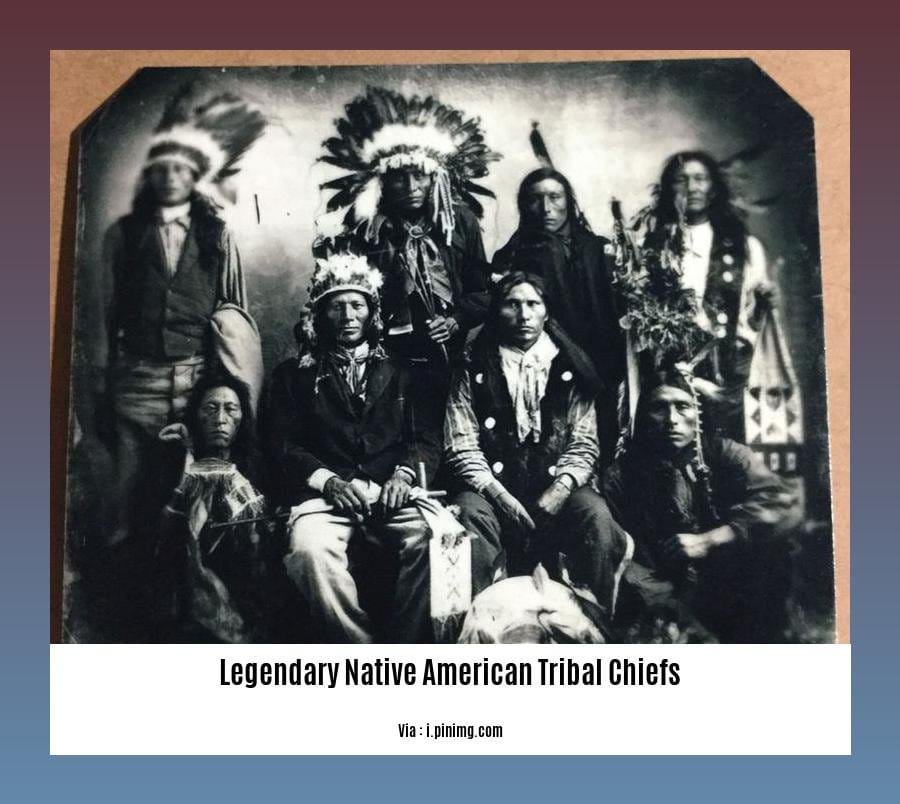
The mid-20th century witnessed a gradual but powerful resurgence of Native American leadership, driven by a renewed demand for self-determination and the protection of treaty rights. The Indian Reorganization Act (IRA) of 1934, while controversial and imperfect (as it often imposed Western-style constitutions on tribes), did offer a framework for tribes to establish elected governments and regain some measure of control over their affairs.
The Civil Rights movement of the 1960s and 70s significantly influenced Native American activism. The "Red Power" movement, exemplified by organizations like the American Indian Movement (AIM), brought national attention to historical injustices and ongoing struggles. Protests like the occupation of Alcatraz (1969-1971) and the Wounded Knee incident (1973) were led by a new generation of activists who drew inspiration from traditional teachings while employing modern protest tactics. These leaders demanded respect for treaty rights, an end to forced assimilation, and the right of tribes to govern themselves according to their own cultures and needs.
This period marked a critical shift from a focus on assimilation to a recognition of tribal sovereignty – the inherent right of tribes to govern themselves as distinct nations. Legal battles led by Native American lawyers and advocates resulted in landmark court decisions that affirmed tribal rights over land, resources, and jurisdiction, laying the groundwork for modern tribal governance.
Contemporary Leadership: Nation Building and Global Presence
Today, Native American leadership is dynamic and multifaceted, spanning tribal councils, national organizations, and increasingly, mainstream political arenas. Modern tribal leaders are engaged in nation-building, focusing on economic development, healthcare, education, infrastructure, and cultural revitalization within their sovereign territories. They negotiate with state and federal governments, manage complex enterprises, and advocate for their people on a global stage.
The election of Native Americans to federal office marks a significant milestone. In 2018, Deb Haaland (Laguna Pueblo) and Sharice Davids (Ho-Chunk) became the first two Native American women elected to the U.S. Congress. Haaland’s subsequent appointment as Secretary of the Interior in 2021 was historic, placing an Indigenous woman at the head of the very department that historically oversaw policies often detrimental to Native peoples. As Secretary Haaland stated upon her confirmation, "I’ll be fierce for all of us, our planet, and all of our children." This represents a powerful reclamation of authority and a profound shift in representation.
Beyond formal political roles, Native American leaders are at the forefront of environmental justice movements, exemplified by the Standing Rock Sioux Tribe’s leadership in protesting the Dakota Access Pipeline, drawing international attention to Indigenous land rights and environmental stewardship. They are also cultural preservationists, language teachers, artists, and community organizers who ensure that traditional knowledge and identity continue to thrive.
Conclusion: A Legacy Forged in Resilience
The history of Native American leadership is a testament to extraordinary resilience, adaptability, and an unwavering commitment to community. From the consensus-driven governance of ancient confederacies to the strategic diplomacy of the contact era, the fierce resistance against colonial expansion, and the modern nation-building efforts of sovereign tribes, Indigenous leaders have consistently demonstrated foresight, wisdom, and courage.
Their journey is a powerful reminder that leadership is not solely about power, but about responsibility – responsibility to the land, to future generations, and to the enduring spirit of a people. As Native American nations continue to assert their sovereignty, revitalize their cultures, and contribute to the broader society, their leaders stand as living embodiments of a legacy forged in deep history, refined through struggle, and vibrant with the promise of a self-determined future. The tapestry of Native American leadership continues to expand, rich with the threads of ancient wisdom and modern innovation, offering invaluable lessons on governance, sustainability, and human connection for the entire world.


