Echoes of the Earth: The Enduring Wisdom of Indigenous Agricultural Techniques
For millennia, long before the advent of industrial agriculture and its sweeping monocultures, humanity cultivated the earth with an intimate understanding of its rhythms and a profound respect for its bounty. Across continents and climates, indigenous communities developed sophisticated agricultural techniques that not only sustained their populations but also fostered biodiversity, built resilient ecosystems, and reflected a deep, reciprocal relationship with the land. These practices, often dismissed or marginalized by modern science, are now being re-evaluated as critical models for sustainable food production in an era of climate change, resource depletion, and ecological crisis.
The history of indigenous agriculture is not a singular narrative but a tapestry woven from diverse threads, each representing a unique adaptation to specific environments. Yet, common principles emerge: an emphasis on polyculture, water conservation, soil health, and a holistic approach that views the farm as an integrated ecosystem, not merely a site for extraction. These were not primitive methods, but rather highly evolved systems honed over countless generations through meticulous observation, experimentation, and intergenerational knowledge transfer.
The Americas: A Cradle of Innovation
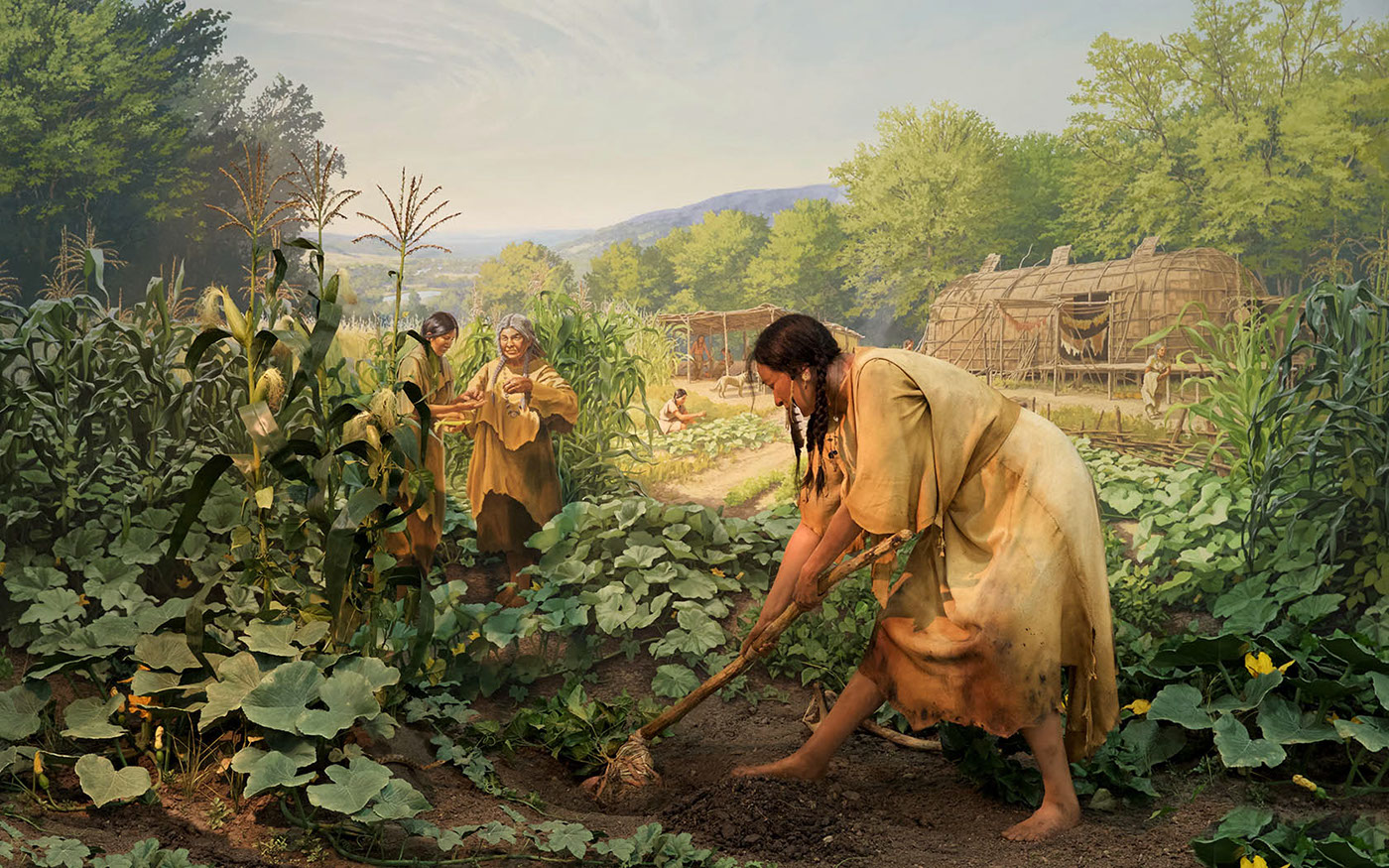
Perhaps nowhere is the ingenuity of indigenous agriculture more evident than in the Americas, the birthplace of staple crops like corn, potatoes, beans, squash, and tomatoes. In Mesoamerica, civilizations like the Maya, Aztec, and Zapotec developed practices that supported vast populations. The Milpa system is a prime example of polyculture, where corn, beans, and squash are grown together. Corn provides a stalk for the beans to climb, beans fix nitrogen in the soil, and squash leaves shade the ground, suppressing weeds and retaining moisture. This symbiotic relationship not only optimizes land use but also creates a diverse and resilient food source. As renowned ethnobotanist Gary Paul Nabhan notes, "The milpa is not just a field; it’s a living system, a dynamic interaction of plants, soil, and human knowledge."
Even more astonishing were the Chinampas, the "floating gardens" of the Aztec Empire in the Valley of Mexico. These artificial islands, constructed by dredging nutrient-rich mud from lake beds and anchoring it with willow trees, created incredibly fertile and productive plots. Chinampas were a marvel of hydraulic engineering, allowing for multiple harvests per year and providing a stable food supply for millions. Some chinampas are still in use today, a testament to their enduring efficiency and sustainability.
Further south, in the rugged Andean highlands, the Inca and their predecessors mastered terracing, carving intricate staircases into steep mountainsides. These terraces prevented erosion, conserved water, and created microclimates that allowed for the cultivation of diverse crops, including thousands of varieties of potatoes, quinoa, and maize, at different altitudes. Alongside terracing, the Waru Waru or raised-field systems in the Lake Titicaca basin were a stroke of genius. These elevated planting beds, surrounded by water-filled canals, absorbed solar radiation during the day and radiated heat at night, protecting crops from devastating frosts while also providing irrigation and aquaculture opportunities.
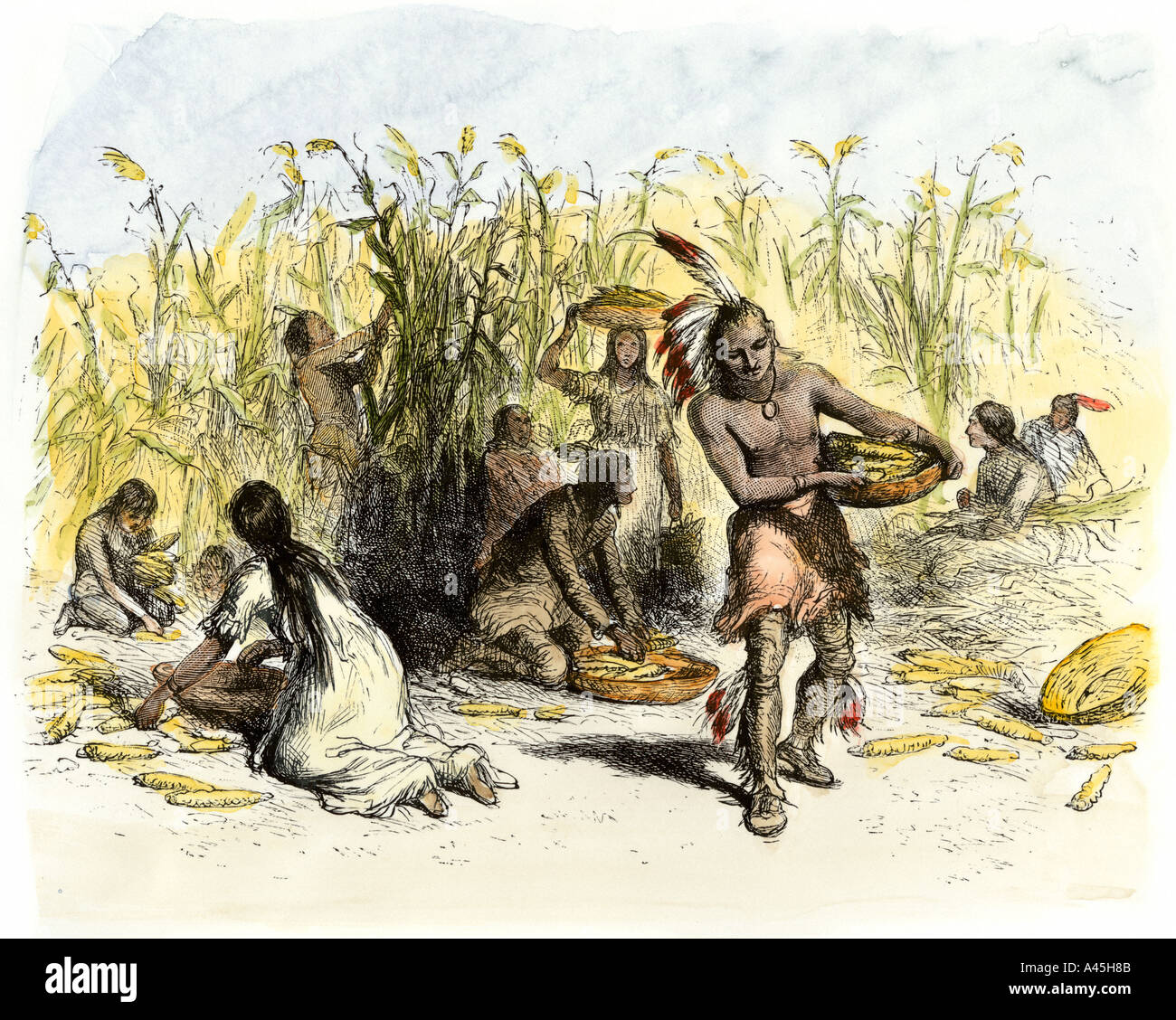
In North America, many indigenous groups practiced sophisticated forms of land management. The Three Sisters (corn, beans, squash) were also central to agriculture among the Haudenosaunee (Iroquois), Cherokee, and others. Beyond cultivation, practices like controlled burns, often called "fire stick farming" in other parts of the world, were used to manage forests, promote new growth, enhance hunting grounds, and clear land for planting, demonstrating a profound understanding of ecological succession and forest health.
Africa’s Resilient Systems
African indigenous agriculture is characterized by its remarkable adaptation to diverse and often challenging environments, from arid savannas to humid rainforests. Intercropping – growing two or more crops in proximity – is a widespread practice, enhancing soil fertility, deterring pests, and maximizing yields from limited land. Farmers often combine cereals like millet or sorghum with legumes such as cowpeas, mirroring the principles of the Milpa system.
Shifting cultivation (often mistakenly labeled "slash-and-burn" in a pejorative sense) was, in its traditional form, a sustainable practice. Small plots were cultivated for a few years, then left fallow for extended periods, allowing the forest or savanna to regenerate and the soil to regain its fertility naturally. This method, when practiced with sufficient land and low population density, maintained ecological balance and biodiversity.
In the Sahel region, facing extreme drought, innovative techniques like the Zai pits (or Tassa) have been rediscovered and revitalized. These small, hand-dug pits capture rainwater, concentrate organic matter, and provide a micro-environment for seedlings to thrive, transforming degraded land into productive fields. This ancient method, combined with stone lines and other water-harvesting techniques, showcases resilience in the face of climatic adversity.
Asia’s Ancient Agroforestry and Aquaculture
Asia, home to some of the world’s oldest continuous agricultural traditions, boasts systems of unparalleled complexity and beauty. The iconic rice paddies of Southeast Asia, particularly the Banaue Rice Terraces in the Philippines, are a testament to engineering and sustainable water management. These terraces, some over 2,000 years old, are fed by intricate irrigation systems that harness mountain springs and rivers, creating a productive and stable environment for rice cultivation while preventing erosion. The integration of fish farming within rice paddies, where fish fertilize the water and control pests, exemplifies a sophisticated form of aquaponics practiced for centuries.
Agroforestry, the intentional integration of trees and shrubs with crops and livestock, is another hallmark of Asian indigenous agriculture. Traditional home gardens in places like Kerala, India, are multi-layered systems resembling mini-forests, producing a wide variety of fruits, vegetables, spices, and medicinal plants year-round, while simultaneously conserving biodiversity, building soil, and regulating microclimates.
Oceania and Australia: Land, Water, and Fire
In Oceania, island nations developed sophisticated agroforestry systems adapted to limited land and often volatile climates. Taro, yams, and breadfruit were cultivated in complex arrangements that maximized yield and protected against erosion and strong winds. The "food forests" of the Pacific are living examples of permaculture principles, creating self-sustaining, biodiverse food systems.
Australia’s Aboriginal people practiced "fire stick farming" for tens of thousands of years. Far from indiscriminate burning, this was a highly controlled and strategic use of fire to manage landscapes. Regular, low-intensity burns created a mosaic of habitats, promoting new growth, facilitating hunting, reducing the risk of large bushfires, and maintaining the health of specific plant and animal species. This deep ecological knowledge, often misunderstood by European settlers, prevented catastrophic wildfires and sustained a rich biodiversity. Similarly, complex aquaculture systems, such as the Gunditjmara eel traps at Budj Bim, dating back over 6,600 years, demonstrate sophisticated engineering and resource management.
The Underlying Philosophy: Reciprocity and Stewardship
Beyond the specific techniques, the most profound aspect of indigenous agriculture is its underlying philosophy. It is rooted in a worldview that sees humans not as masters of nature, but as integral parts of an interconnected web of life. Land is not property to be exploited but a living entity to be respected and cared for. This ethos of reciprocity and stewardship contrasts sharply with the extractive paradigm of industrial agriculture.
"Our ancestors understood that the health of the soil is the health of the people," states Winona LaDuke, an Anishinaabemowin (Ojibwe) activist and advocate for indigenous food systems. "They didn’t just grow food; they grew relationships." This relationship extended to seed saving, a sacred practice that ensured the continuity of culturally significant and climate-adapted crop varieties, fostering genetic diversity essential for resilience.
Colonialism’s Impact and Modern Relevance
The arrival of European colonial powers often brought the violent disruption of these sophisticated systems. Indigenous lands were seized, traditional practices suppressed, and monoculture cash crops imposed. This led to a catastrophic loss of indigenous knowledge, biodiversity, and food sovereignty, contributing to widespread poverty and environmental degradation.
However, the wisdom of indigenous agriculture is far from lost. In the face of global challenges like climate change, biodiversity loss, and food insecurity, there is a growing recognition of its profound relevance. Agroecology, a scientific discipline and a movement, draws heavily on indigenous principles, advocating for farming systems that are ecologically sound, socially just, and economically viable.
From revitalizing ancient Andean raised beds to reintroducing traditional seed varieties and embracing polyculture, communities worldwide are rediscovering and adapting these time-tested methods. They offer solutions for drought resistance, carbon sequestration, soil regeneration, and enhanced nutritional diversity. The lessons embedded in these millennia-old techniques are not merely historical curiosities; they are blueprints for a more sustainable, equitable, and harmonious future – echoes of the earth whispering profound truths about how to truly nourish ourselves and our planet. The history of indigenous agriculture is not just about farming; it’s about a way of life, a deep wisdom that holds vital keys for our collective survival.


