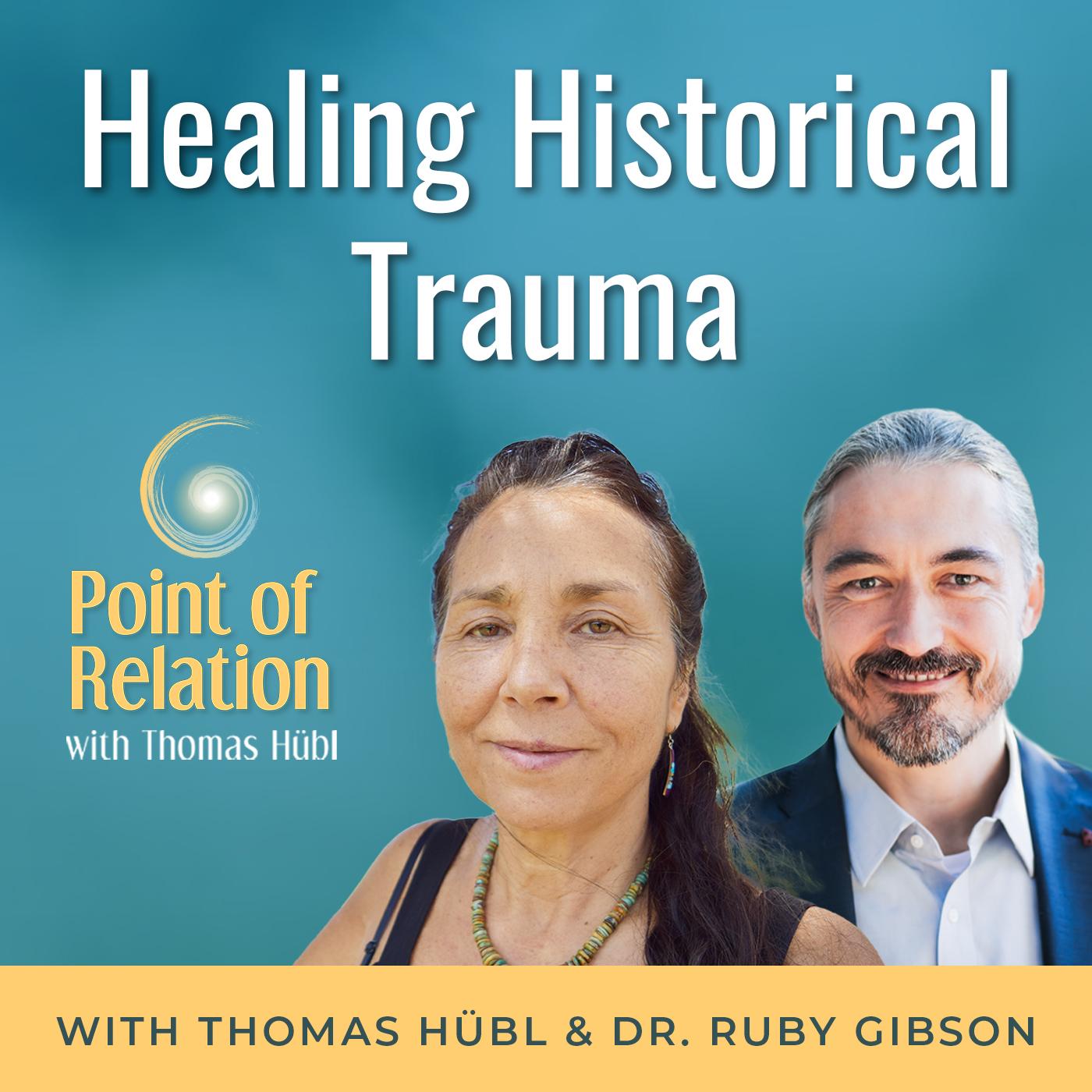
Historical trauma, also known as intergenerational trauma, refers to the cumulative emotional and psychological wounding across generations resulting from massive group trauma. For Native American communities residing on reservations, this trauma stems from centuries of colonization, forced removal, cultural suppression, and systemic oppression. Understanding the depth and breadth of this trauma is the first step toward healing.
The legacy of historical trauma manifests in various ways within reservation communities, impacting mental health, physical well-being, and social structures. Addressing this requires a multifaceted approach that acknowledges the past while empowering future generations.
Understanding Historical Trauma
Historical trauma is not merely a recounting of past events; it’s a lived reality that continues to shape the present. The policies of assimilation, including the forced removal of children to boarding schools, the prohibition of native languages and spiritual practices, and the seizure of ancestral lands, have created deep wounds that persist across generations.
These policies aimed to eradicate Native American cultures and identities, causing immense suffering and disrupting the social fabric of communities. The consequences are far-reaching, contributing to higher rates of poverty, substance abuse, mental health disorders, and suicide within reservation populations.
How Does Historical Trauma Manifest?

- Mental Health Issues: Increased rates of depression, anxiety, post-traumatic stress disorder (PTSD), and other mental health disorders.
- Substance Abuse: Higher rates of alcohol and drug addiction as coping mechanisms for dealing with unresolved trauma.
- Physical Health Problems: Elevated risk of chronic diseases such as diabetes, heart disease, and obesity, often linked to stress and unhealthy coping strategies.
- Social Problems: Higher rates of domestic violence, child abuse, crime, and incarceration.
- Loss of Cultural Identity: Erosion of traditional values, languages, and spiritual practices, leading to a sense of disconnection from one’s heritage.
- Intergenerational Transmission: Trauma-related behaviors and beliefs passed down from one generation to the next, perpetuating the cycle of suffering.
The Role of Intergenerational Trauma
Intergenerational trauma plays a significant role in the ongoing challenges faced by Native American communities. Children who grow up in households and communities affected by historical trauma are more likely to experience adverse childhood experiences (ACEs), such as abuse, neglect, and exposure to violence.
These ACEs can have long-lasting effects on their physical, emotional, and cognitive development, increasing their risk of developing mental health problems, substance abuse issues, and chronic diseases later in life. Breaking the cycle of intergenerational trauma requires addressing the root causes of these ACEs and providing support to families and communities.
Pathways to Healing: Culturally Relevant Approaches
Healing from historical trauma requires culturally sensitive and community-based approaches that acknowledge the unique experiences and perspectives of Native American communities. Traditional healing practices, cultural revitalization efforts, and trauma-informed care are essential components of this process.
Traditional Healing Practices
- Sweat Lodges: Ceremonial purification rituals that promote physical and spiritual cleansing.
- Talking Circles: Group discussions facilitated by elders or healers, providing a safe space for sharing experiences and offering support.
- Traditional Medicine: Herbal remedies and other natural treatments used to address physical and emotional ailments.
- Spiritual Ceremonies: Dances, songs, and other rituals that connect individuals to their ancestors and the spiritual world.
Cultural Revitalization Efforts

- Language Revitalization Programs: Teaching and promoting the use of native languages to preserve cultural identity and foster a sense of belonging.
- Cultural Arts and Crafts: Encouraging the creation and sharing of traditional art forms, such as weaving, pottery, and beadwork.
- Traditional Storytelling: Passing down stories and legends from one generation to the next, preserving cultural knowledge and values.
- Youth Programs: Providing opportunities for young people to connect with their culture and learn traditional skills.
Trauma-Informed Care
- Cultural Sensitivity: Understanding and respecting the cultural values, beliefs, and traditions of Native American communities.
- Safety and Trustworthiness: Creating a safe and non-judgmental environment where individuals feel comfortable sharing their experiences.
- Collaboration and Empowerment: Working in partnership with individuals and communities to develop solutions that are tailored to their specific needs.
- Addressing the Root Causes of Trauma: Focusing on the underlying issues that contribute to trauma, such as poverty, discrimination, and lack of access to resources.
Community-Based Solutions and Support Systems
- Community Centers: Providing safe spaces for people to gather, socialize, and access resources.
- Support Groups: Offering opportunities for individuals to connect with others who have similar experiences and share their feelings.
- Mentoring Programs: Pairing young people with positive role models who can provide guidance and support.
- Educational Programs: Raising awareness about historical trauma and its impact on communities.
- Economic Development Initiatives: Creating jobs and economic opportunities to improve the overall well-being of communities.
Addressing Substance Abuse and Mental Health
- Prevention Programs: Educating young people about the dangers of substance abuse and promoting healthy coping mechanisms.
- Treatment Services: Providing access to culturally sensitive substance abuse treatment and mental health services.
- Supportive Housing: Offering safe and stable housing for individuals recovering from addiction or mental illness.
- Job Training and Employment Assistance: Helping individuals find meaningful employment and achieve economic self-sufficiency.
The Importance of Education and Awareness
- Increase Understanding: Educate the public about the history of colonization and its impact on Native American communities.
- Reduce Stigma: Challenge negative stereotypes and misconceptions about Native Americans.
- Promote Empathy: Encourage people to understand and appreciate the experiences of Native Americans.
- Advocate for Change: Support policies and programs that address the root causes of historical trauma.
Frequently Asked Questions (FAQs)
What are some effective strategies for coping with historical trauma?
Effective coping strategies include seeking therapy from a culturally competent provider, participating in traditional healing practices, connecting with one’s culture and community, practicing self-care, and engaging in advocacy and activism.
How can I support a friend or family member who is struggling with historical trauma?
Offer a listening ear, validate their experiences, encourage them to seek professional help, and support their involvement in cultural activities and community events.
What resources are available for Native Americans seeking help with historical trauma?
Many organizations and programs offer support to Native Americans struggling with historical trauma, including tribal health centers, Indian Health Service (IHS) facilities, and national organizations such as the National Indian Council on Aging (NICOA) and the Substance Abuse and Mental Health Services Administration (SAMHSA).
How can non-Native people be allies in the healing process?
Non-Native people can be allies by educating themselves about the history of colonization and its impact on Native American communities, supporting Native-led initiatives, advocating for policies that promote justice and equality, and challenging racism and discrimination.
The Role of Policy and Advocacy
- Land Rights: Supporting the restoration of ancestral lands to Native American tribes.
- Self-Determination: Promoting tribal sovereignty and self-governance.
- Education Reform: Ensuring that Native American history and culture are accurately and comprehensively taught in schools.
- Healthcare Access: Improving access to quality healthcare services for Native American communities.
- Economic Justice: Creating economic opportunities and addressing poverty on reservations.
Conclusion: A Path Forward
Healing historical trauma on reservations is a long and complex process, but it is possible. By acknowledging the past, embracing cultural revitalization, and building strong community support systems, Native American communities can overcome the wounds of historical trauma and create a brighter future for generations to come. It requires commitment, collaboration, and a willingness to learn from the past while looking forward to a future of healing, resilience, and cultural pride. The journey towards healing is ongoing, but with sustained effort and support, Native American communities can thrive and reclaim their cultural heritage.
By working together, we can create a world where all people are treated with dignity and respect, and where the wounds of the past are healed through understanding, compassion, and justice.


