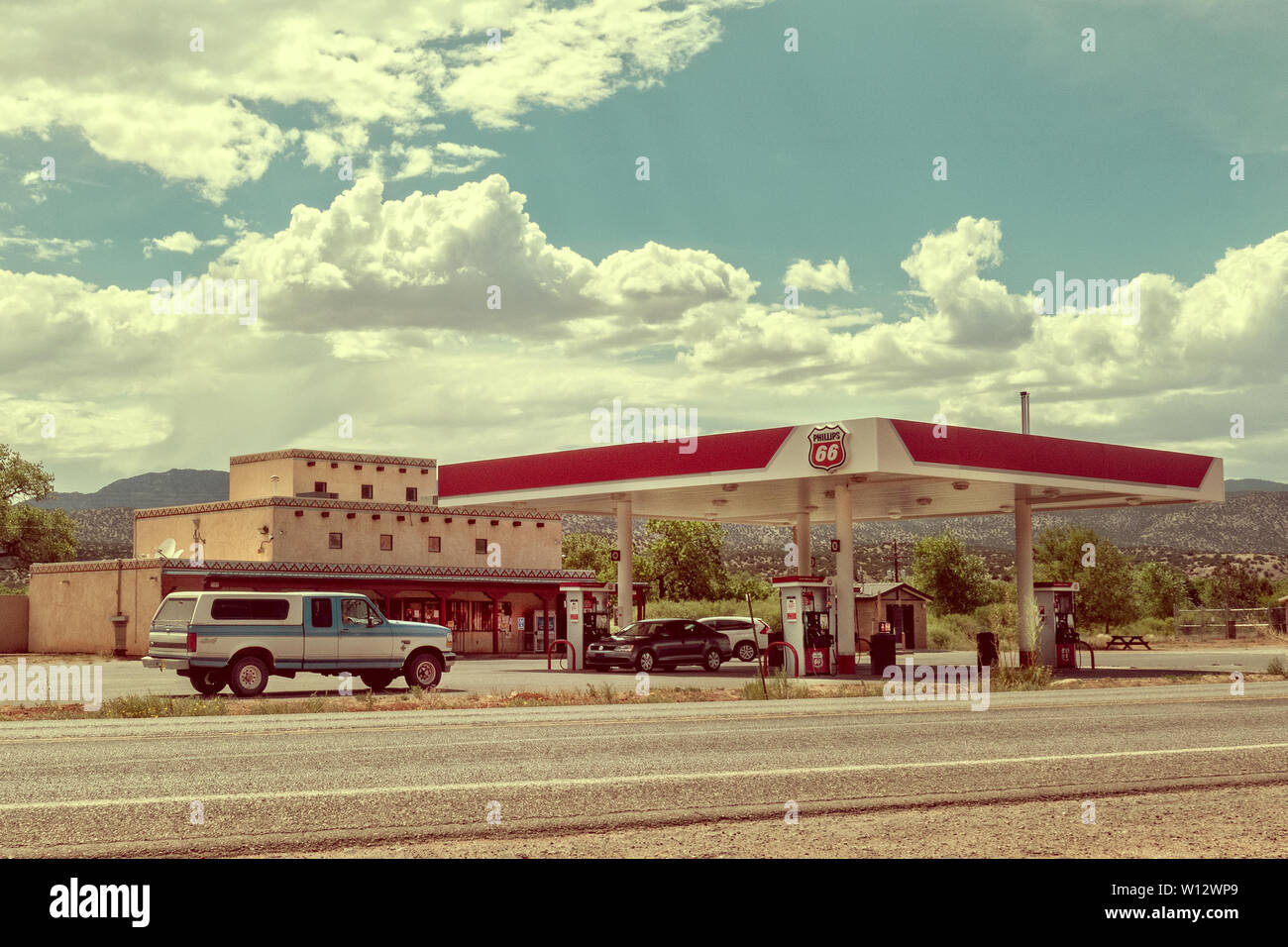
Gas stations on Indian reservations represent a unique intersection of tribal sovereignty, economic development, and federal regulations. These establishments often serve as vital economic engines for tribal communities, providing employment opportunities and generating revenue that supports essential services. However, they also operate within a complex legal framework, navigating issues such as taxation, environmental compliance, and fuel pricing.
Understanding the nuances of gas stations on Indian reservations requires exploring several key areas, including the historical context of tribal sovereignty, the economic impact of these businesses, the regulatory environment in which they operate, and the implications for both tribal members and the broader community. This guide aims to provide a comprehensive overview of these aspects, shedding light on the benefits and challenges associated with gas stations on tribal lands.
Historical Context: Tribal Sovereignty
The concept of tribal sovereignty is fundamental to understanding the operation of gas stations on Indian reservations. Tribal sovereignty refers to the inherent authority of Indian tribes to govern themselves and their lands. This authority is recognized by the U.S. Constitution, treaties, and federal statutes. However, the extent of tribal sovereignty has been subject to ongoing legal and political debate.
The relationship between tribes and the federal government is often described as a ‘trust relationship,’ in which the federal government has a responsibility to protect tribal interests. This trust responsibility has influenced the development of laws and regulations governing activities on tribal lands, including the operation of gas stations. However, tribes also possess the right to self-determination, allowing them to make decisions about their economic development and resource management.
Economic Impact of Gas Stations

Gas stations on Indian reservations can have a significant economic impact on tribal communities. They provide employment opportunities for tribal members, generate revenue for tribal governments, and contribute to the overall economic development of the reservation. The revenue generated from gas sales can be used to fund essential services such as education, healthcare, and infrastructure improvements.
In many cases, gas stations are among the most successful businesses on Indian reservations. They often attract customers from both tribal members and non-tribal residents living near the reservation. This can lead to increased economic activity and a higher standard of living for tribal communities. Furthermore, the presence of gas stations can stimulate other types of economic development, such as the establishment of convenience stores, restaurants, and other businesses.
Fuel Pricing and Competition
One of the key factors that can influence the economic success of gas stations on Indian reservations is fuel pricing. In some cases, gas stations on tribal lands may be able to offer lower prices than those off the reservation due to the lack of state and local taxes. This can attract a large number of customers and give the gas station a competitive advantage.
However, fuel pricing is also subject to market forces and regulatory constraints. Gas stations must compete with other retailers in the area, and they may be subject to federal regulations regarding fuel standards and pricing practices. Additionally, some tribes have implemented their own fuel taxes to generate revenue for tribal programs.
Regulatory Environment
Gas stations on Indian reservations operate within a complex regulatory environment that includes federal, tribal, and sometimes state regulations. Federal regulations cover a wide range of issues, including environmental protection, fuel standards, and workplace safety. Tribal regulations may address issues such as taxation, zoning, and business licensing.
Federal Regulations
Federal agencies such as the Environmental Protection Agency (EPA) and the Occupational Safety and Health Administration (OSHA) have jurisdiction over gas stations on Indian reservations. The EPA regulates underground storage tanks (USTs) to prevent leaks and contamination of groundwater. OSHA sets standards for workplace safety, including the handling of hazardous materials.
Tribal Regulations
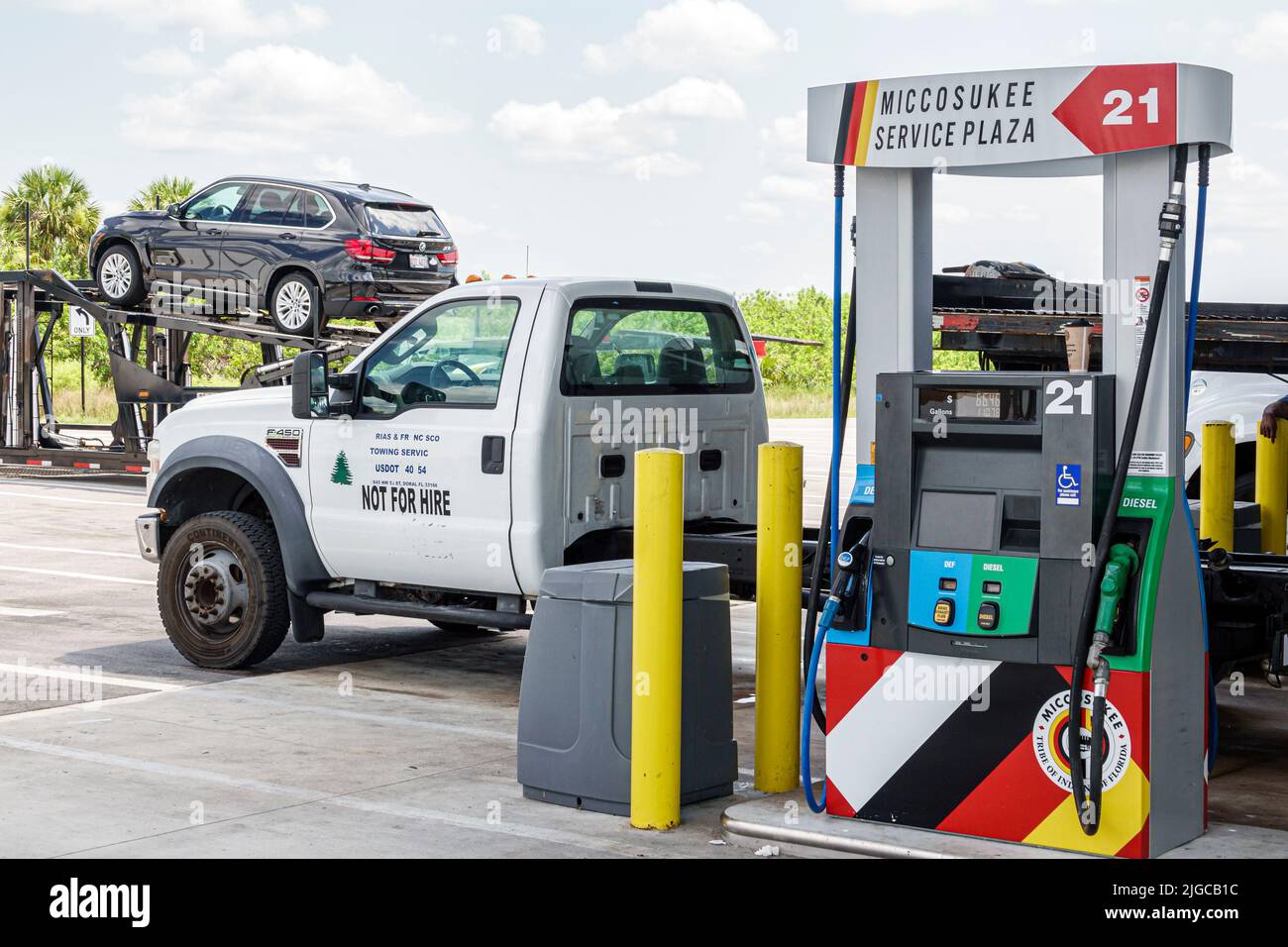
Tribes have the authority to enact their own laws and regulations governing activities on their lands. This includes the power to tax businesses, regulate land use, and issue business licenses. Some tribes have developed comprehensive regulatory frameworks for gas stations, while others rely on federal or state regulations.
State Regulations
The extent to which state regulations apply to gas stations on Indian reservations is a complex legal issue. In general, states do not have the authority to regulate activities on tribal lands unless Congress has expressly authorized them to do so. However, there are some exceptions to this rule, such as when a state law is necessary to protect public health and safety.
Environmental Considerations
Gas stations pose potential environmental risks, such as leaks from underground storage tanks and spills during fuel delivery. These risks can be particularly concerning on Indian reservations, where tribal communities often rely on groundwater for drinking water and other uses. Therefore, it is essential that gas stations on tribal lands comply with environmental regulations and implement best management practices to prevent pollution.
Underground Storage Tanks (USTs)
Underground storage tanks are a major source of potential contamination at gas stations. Leaks from USTs can release gasoline and other petroleum products into the soil and groundwater. To prevent leaks, the EPA has established regulations requiring USTs to be designed, installed, and maintained according to specific standards. These regulations also require gas station owners to monitor their USTs for leaks and to take corrective action if a leak is detected.
Spill Prevention and Control
Spills can occur during fuel delivery or when customers are filling their vehicles. To prevent spills, gas stations should have spill prevention and control plans in place. These plans should include procedures for containing spills, cleaning up spills, and reporting spills to the appropriate authorities. Gas station employees should be trained on these procedures.
Benefits and Challenges
Gas stations on Indian reservations offer numerous benefits to tribal communities, including economic development, employment opportunities, and revenue generation. However, they also face challenges such as regulatory compliance, competition from off-reservation businesses, and environmental risks. Overcoming these challenges requires strong tribal leadership, effective regulatory frameworks, and a commitment to sustainable business practices.
Benefits
- Economic Development: Gas stations can stimulate economic growth on Indian reservations by creating jobs, generating revenue, and attracting customers.
- Employment Opportunities: Gas stations provide employment opportunities for tribal members, helping to reduce unemployment and poverty.
- Revenue Generation: The revenue generated from gas sales can be used to fund essential services such as education, healthcare, and infrastructure improvements.
- Convenience: Gas stations provide a convenient source of fuel and other products for tribal members and non-tribal residents living near the reservation.
Challenges
- Regulatory Compliance: Gas stations must comply with a complex array of federal, tribal, and sometimes state regulations.
- Competition: Gas stations face competition from off-reservation businesses, which may have lower prices or a wider selection of products.
- Environmental Risks: Gas stations pose potential environmental risks, such as leaks from underground storage tanks and spills during fuel delivery.
- Access to Capital: Securing financing for gas station development can be challenging on Indian reservations due to historical inequities and jurisdictional complexities.
Frequently Asked Questions (FAQs)
Why are gas prices sometimes lower on Indian reservations?
Gas prices may be lower on Indian reservations due to the absence of state and local taxes on fuel sales. Tribes, as sovereign entities, may choose not to impose these taxes, resulting in lower prices for consumers.
Who regulates gas stations on Indian reservations?
Gas stations on Indian reservations are regulated by a combination of federal, tribal, and sometimes state authorities. Federal agencies like the EPA and OSHA have jurisdiction over environmental protection and workplace safety. Tribes have the authority to enact their own laws and regulations, and state regulations may apply in certain circumstances.
How do gas stations benefit tribal communities?
Gas stations benefit tribal communities by providing employment opportunities, generating revenue for tribal governments, and contributing to overall economic development. The revenue generated from gas sales can be used to fund essential services such as education, healthcare, and infrastructure improvements.
What environmental risks are associated with gas stations on Indian reservations?
Environmental risks associated with gas stations include leaks from underground storage tanks, spills during fuel delivery, and contamination of soil and groundwater. Proper management and adherence to environmental regulations are crucial to mitigating these risks.
How does tribal sovereignty affect gas station operations?
Tribal sovereignty grants tribes the authority to govern themselves and their lands, including the regulation of businesses such as gas stations. This allows tribes to develop their own regulatory frameworks and make decisions about economic development on their reservations.
Conclusion
Gas stations on Indian reservations play a vital role in the economic development and self-determination of tribal communities. They provide employment, generate revenue, and offer essential services to both tribal members and the surrounding population. While these businesses face unique challenges related to regulatory compliance, competition, and environmental protection, their success is crucial for the long-term prosperity of tribal nations. By understanding the complex interplay of tribal sovereignty, economic development, and environmental stewardship, we can support the sustainable growth of gas stations and other businesses on Indian reservations, fostering thriving communities for generations to come.
In summary, gas stations on tribal lands are more than just places to fill up your tank. They are symbols of tribal sovereignty, economic engines, and important providers of essential services. As such, they deserve our attention and support.
Disclaimer: This article is for informational purposes only and does not constitute legal or financial advice. Consult with qualified professionals for specific guidance on gas station operations on Indian reservations.


