
Historically, Indigenous peoples maintained sophisticated and sustainable food systems deeply intertwined with their cultures, spiritual beliefs, and governance structures. These systems provided diverse, nutritious diets and fostered a deep connection to the land and its resources. Tribes managed vast agricultural fields, practiced intricate hunting and fishing techniques, and utilized extensive knowledge of wild plant gathering.
The arrival of European colonizers dramatically disrupted these thriving systems. Through forced relocation, land confiscation, and the deliberate destruction of traditional food sources like bison, Indigenous communities were systematically dispossessed of their ancestral lands and traditional foodways. This deliberate tactic aimed to undermine tribal self-sufficiency and force assimilation.
In the modern era, the legacy of these historical traumas persists. Many reservations are located in ‘food deserts,’ areas with limited access to affordable, nutritious food. Instead, residents often rely on convenience stores offering highly processed, unhealthy options. The federal commodity food program, while intended to alleviate hunger, inadvertently contributed to a dependence on non-traditional foods and the erosion of traditional diets.
This shift has had devastating consequences for Indigenous health. Rates of diet-related diseases such as Type 2 diabetes, heart disease, and obesity are disproportionately high within Native communities. These health disparities are direct results of a disrupted relationship with traditional foods and an imposed reliance on unhealthy, external food systems.
The Urgent Need for Food Sovereignty on Reservations
Reclaiming food sovereignty is a multifaceted endeavor that addresses several critical areas for Indigenous communities. It’s a pathway to improved public health, economic development, cultural preservation, and environmental stewardship.


Health and Wellness: By reintroducing traditional foods like corn, beans, squash, wild rice, salmon, and bison, communities can combat diet-related illnesses. These foods are inherently more nutritious and culturally appropriate, contributing to physical, mental, and spiritual well-being.
Economic Development: Food sovereignty initiatives create local jobs, stimulate tribal economies, and reduce reliance on external, often exploitative, food supply chains. This can range from tribal-owned farms and ranches to processing facilities and farmers’ markets.
Cultural Revitalization: The act of growing, harvesting, preparing, and sharing traditional foods is a powerful way to reconnect with ancestral knowledge, language, ceremonies, and intergenerational teachings. It strengthens community bonds and reinforces cultural identity.
Environmental Stewardship: Indigenous food systems are inherently sustainable, emphasizing ecological balance, biodiversity, and respectful land management practices. These initiatives often incorporate traditional ecological knowledge (TEK) to heal and restore the land.
Core Pillars of Indigenous Food Sovereignty
- Local Control: Empowering tribal nations and communities to control their own food policies, production, and distribution.
- Traditional Foods and Knowledge: Prioritizing the cultivation, harvesting, and consumption of ancestral foods and revitalizing the knowledge associated with them.
- Sustainable Practices: Employing ecologically sound methods that protect natural resources, promote biodiversity, and ensure long-term food security.
- Community Well-being: Ensuring equitable access to healthy food for all community members, addressing food insecurity, and fostering collective health.
- Self-Determination: Reaffirming tribal sovereignty and the right to govern their own food systems, free from external imposition.
Diverse Food Sovereignty Initiatives in Action
Across North America, Indigenous communities are implementing innovative and inspiring food sovereignty projects tailored to their unique environments and cultural traditions.
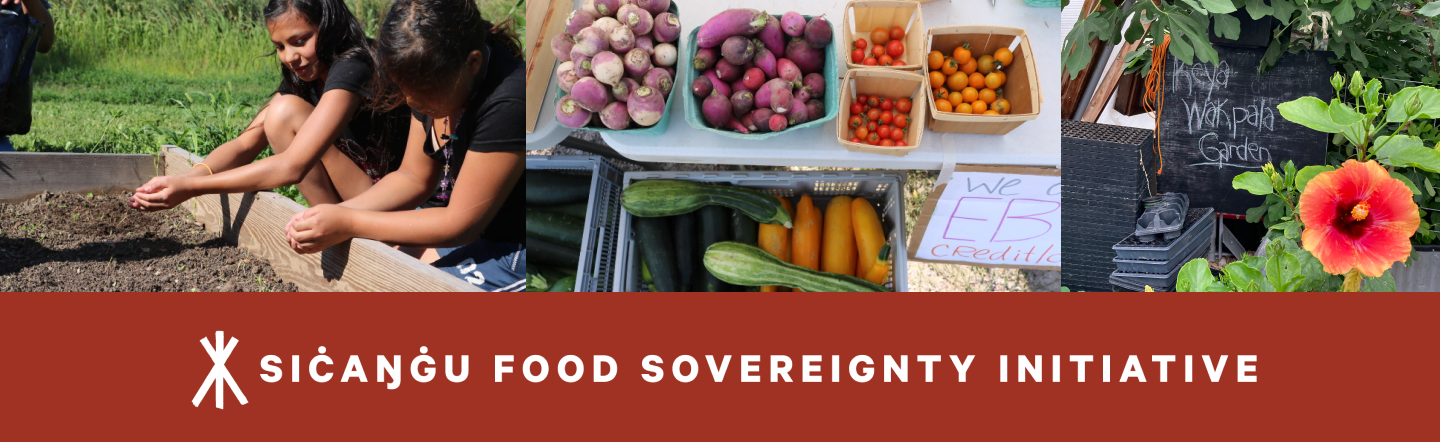
Community Gardens and Farms: Many tribes are establishing community gardens and larger-scale farms to grow traditional crops and fresh produce. These initiatives often serve as educational hubs, teaching younger generations about agriculture and traditional growing methods.

Revitalizing Traditional Hunting, Fishing, and Gathering: Efforts are underway to restore access to ancestral hunting grounds, fishing territories, and foraging sites. This includes bison reintroduction programs, salmon habitat restoration, and teaching traditional harvesting techniques for wild plants and medicines.
Farmers’ Markets, Food Hubs, and Distribution Networks: Tribes are creating their own direct-to-consumer markets and food hubs to distribute locally grown and harvested foods. This reduces transportation costs, ensures fresher produce, and keeps economic benefits within the community.
Youth Engagement and Educational Programs: Recognizing the importance of intergenerational knowledge transfer, many initiatives focus on educating youth through hands-on farming, cooking classes, and storytelling that connects food to cultural heritage and language.
Seed Saving and Indigenous Varietal Preservation: Protecting and revitalizing heirloom seeds is a crucial aspect of food sovereignty. Tribes are establishing seed banks to preserve culturally significant plant varieties and ensure their availability for future generations.
Food Processing and Value-Added Products: Some communities are developing facilities to process and create value-added products from their harvests, such as traditional flours, jams, dried meats, or herbal teas. This extends shelf life and creates additional economic opportunities.
Policy Advocacy and Tribal Ordinances: Tribes are asserting their inherent sovereignty by developing their own food codes, land use policies, and agricultural regulations that reflect their values and priorities, often challenging federal or state regulations that impede their efforts.
Navigating the Challenges on the Path to Sovereignty
Despite the incredible progress, food sovereignty initiatives on reservations face significant hurdles that require ongoing support and creative solutions.
Funding and Resource Scarcity: Securing consistent funding for land acquisition, equipment, infrastructure, and staffing remains a major challenge for many tribal initiatives. Grant cycles can be short-term, making long-term planning difficult.
Land Access and Water Rights: Historic land loss, checkerboard land ownership patterns, and complex water rights issues can hinder efforts to establish farms or access traditional gathering sites. Climate change further exacerbates water scarcity in many regions.
Infrastructure Deficiencies: Many reservations lack adequate infrastructure for food processing, storage (e.g., cold storage), and transportation, making it difficult to scale up production and distribute goods effectively.
Technical Expertise and Training Gaps: While traditional knowledge is invaluable, modern agricultural practices, business management, and food safety regulations often require specialized training and technical assistance that may not be readily available.
Policy and Regulatory Hurdles: Navigating a complex web of federal, state, and even tribal regulations can be daunting. Policies related to land use, water, food safety, and even hunting/fishing rights can sometimes inadvertently impede food sovereignty efforts.
Climate Change Impacts: Shifting weather patterns, droughts, floods, and changes in growing seasons directly impact agricultural yields and the availability of wild traditional foods, posing new challenges for food system resilience.
The Profound Benefits of Reclaiming Food Systems
The sustained efforts towards food sovereignty yield transformative benefits that extend far beyond simply providing sustenance.
Improved Health Outcomes: Access to fresh, culturally relevant foods directly contributes to reducing rates of chronic diseases and improving overall community health and well-being.
Enhanced Food Security and Resilience: Localized food systems reduce vulnerability to external supply chain disruptions and economic fluctuations, ensuring a stable food supply for communities.
Strengthened Cultural Identity and Community Bonds: Engaging in traditional food practices revitalizes language, ceremonies, and intergenerational knowledge, strengthening community cohesion and cultural pride.
Sustainable Economic Growth and Self-Sufficiency: Creating tribal-owned food businesses generates revenue, creates jobs, and fosters economic independence, allowing communities to retain wealth locally.
Renewed Connection to Land and Ancestral Practices: Food sovereignty fosters a deeper spiritual and practical connection to the land, promoting environmental stewardship and respect for the natural world, guided by traditional ecological knowledge.
Supporting Indigenous Food Sovereignty Efforts
- Donate to Tribal Initiatives: Financial contributions directly support land acquisition, infrastructure development, educational programs, and operational costs.
- Advocate for Supportive Policies: Encourage policymakers to support tribal self-determination in food systems, including funding for USDA programs that specifically benefit Indigenous agriculture.
- Educate Yourself and Others: Learn about the history and ongoing challenges faced by Indigenous communities regarding food access and sovereignty. Share this knowledge widely.
- Seek Out and Purchase Indigenous-Produced Foods: Whenever possible, support Indigenous farmers, ranchers, and food entrepreneurs. This directly contributes to their economic stability.
- Volunteer: If geographically feasible, offer your time and skills to local tribal farms or community gardens.
In conclusion, food sovereignty initiatives on reservations are not just about food; they are about justice, healing, and self-determination. They represent a powerful movement of Indigenous communities reclaiming their rightful place as stewards of their lands, cultures, and futures. By revitalizing traditional food systems, these initiatives are addressing historical injustices, improving health, fostering economic independence, and strengthening cultural identity. The journey towards complete food sovereignty is ongoing, but the resilience, innovation, and unwavering spirit of Indigenous peoples continue to pave the way for a healthier, more equitable future for all.


