

Food security, defined as consistent access to enough safe, nutritious food for an active, healthy life, remains a fundamental human right. Yet, for many tribal communities residing on remote Indian Reservations across the United States, this basic right is often a daily struggle, presenting a complex web of historical, economic, and geographic challenges.
The issue of food insecurity on these lands is not merely about hunger; it’s a systemic problem that deeply affects health outcomes, economic stability, cultural preservation, and overall well-being. Understanding its multifaceted nature is the first step toward effective solutions.
Understanding the Scope of Food Insecurity on Reservations
Many Native American communities face significantly higher rates of food insecurity compared to the national average. This disparity is particularly pronounced in geographically isolated reservations, where residents often live in what are commonly referred to as ‘food deserts’.
Food deserts are areas characterized by a lack of access to affordable, healthy food options, such as fresh fruits and vegetables, often due to the absence of grocery stores within a reasonable distance. For residents without reliable transportation, accessing nutritious food becomes an insurmountable barrier.
Historical Context: A Legacy of Disruption


The roots of food insecurity on reservations are deeply intertwined with historical injustices, including forced relocation, land dispossession, and the systematic dismantling of traditional Indigenous food systems. These policies severed tribal nations from their ancestral lands and traditional food sources, which once provided a sustainable and culturally appropriate diet.
The shift from traditional hunting, gathering, and farming practices to reliance on government rations and commodity foods introduced diets high in processed ingredients, contributing to health crises seen today.
Geographical Isolation and Infrastructure Deficiencies
Remote reservations are, by definition, far from urban centers and major transportation routes. This isolation drives up the cost of transporting food, making even basic groceries more expensive than in off-reservation communities. Limited infrastructure, including poor roads and lack of reliable public transport, exacerbates this problem.
The sheer distance to the nearest full-service grocery store can be upwards of 50 or even 100 miles for some residents. This necessitates long, costly trips, often requiring shared rides or multiple bus transfers, which are not always feasible.
Economic Challenges and Poverty Rates
Poverty rates on many reservations are alarmingly high, often double or triple the national average. Limited economic opportunities, high unemployment, and lower median incomes mean that even when food is available, it may be unaffordable for many families.
Access to well-paying jobs and opportunities for economic development are crucial for improving purchasing power and reducing reliance on emergency food assistance. Without a stable income, healthy food choices often become a luxury.
Health Disparities Linked to Diet
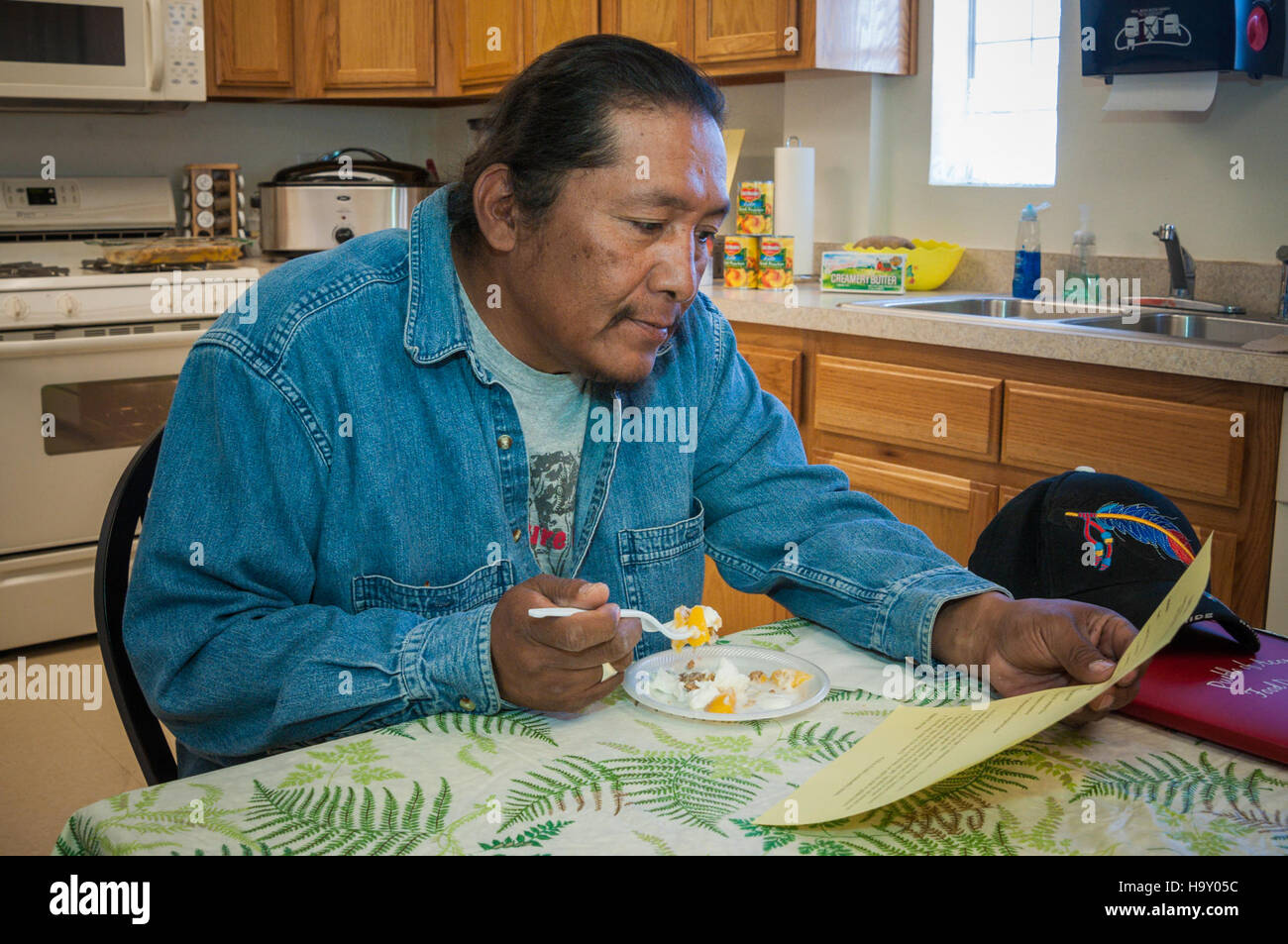

The lack of access to nutritious food contributes significantly to chronic health conditions prevalent in Native American communities. High rates of type 2 diabetes, heart disease, obesity, and certain cancers are directly linked to diets lacking fresh produce and lean proteins.
Children growing up in food-insecure households are also at greater risk for developmental delays, academic struggles, and mental health issues, perpetuating a cycle of disadvantage.
Policy Gaps and Program Limitations
While programs like the Supplemental Nutrition Assistance Program (SNAP) and the Food Distribution Program on Indian Reservations (FDPIR) provide vital assistance, they often face limitations in reaching remote areas effectively. Eligibility requirements, administrative hurdles, and the sheer logistics of distribution can hinder their impact.
Furthermore, FDPIR, while improved, has historically been criticized for offering a limited range of foods, often still high in processed items, which may not align with traditional dietary preferences or modern nutritional guidelines.
The Rise of Food Sovereignty Movements
In response to these challenges, a powerful movement towards Indigenous food sovereignty has gained momentum. Food sovereignty emphasizes the right of peoples to healthy and culturally appropriate food produced through ecologically sound and sustainable methods, and their right to define their own food and agriculture systems.
This movement is about reclaiming traditional foodways, rebuilding local food systems, and asserting tribal control over food production, distribution, and consumption. It’s a holistic approach that connects food to culture, health, and economic independence.
Innovative Solutions and Community-Led Initiatives
Many tribal nations and organizations are implementing groundbreaking solutions. Community gardens and tribal farms are re-emerging, providing fresh produce and opportunities for skill-building and cultural reconnection. These initiatives often focus on growing traditional crops and using sustainable farming methods.
Farmers’ markets that accept SNAP benefits, mobile food pantries, and even tribal-owned grocery stores are slowly bridging the gap in food access. These efforts are often supported by partnerships with non-profits and government agencies.
Revitalizing Traditional Foodways
Efforts to revitalize traditional hunting, fishing, and gathering practices are central to food sovereignty. This includes teaching younger generations about foraging for native plants, sustainable hunting practices, and traditional food preparation methods.
Bringing back traditional foods like bison, wild rice, salmon, and specific varieties of corn, beans, and squash not only improves nutrition but also strengthens cultural identity and intergenerational knowledge transfer.
Youth Engagement and Education
Engaging tribal youth in agriculture, nutrition education, and traditional foodways is critical for long-term change. Programs that teach gardening, cooking healthy meals, and understanding food’s cultural significance are fostering a new generation of food leaders.
These educational initiatives empower young people to make informed dietary choices and become advocates for healthier communities, ensuring the sustainability of food sovereignty efforts.
Policy Advocacy and Infrastructure Investment
Advocating for policy changes at the federal and state levels is crucial to address systemic issues. This includes pushing for increased funding for tribal food programs, better infrastructure development on reservations, and policies that support local and regional food systems.
Investment in cold storage, food processing facilities, and improved transportation networks on reservations can significantly enhance food distribution and reduce waste, making local food systems more viable.
How Can We Support Food Security on Reservations?
Supporting food security on remote Indian Reservations can take many forms:
- Educate yourself: Learn about the specific challenges and successes of tribal communities.
- Support Indigenous-led initiatives: Donate to or volunteer with tribal organizations and non-profits working on food sovereignty.
- Advocate for policy change: Contact your representatives to support legislation that benefits tribal nations.
- Buy from Indigenous businesses: Support Native American farmers and entrepreneurs when possible.
Conclusion: Building Resilient Food Systems for a Brighter Future
Addressing food security on remote Indian Reservations requires a holistic, culturally sensitive, and sustained effort. It’s about more than just providing food; it’s about empowering tribal nations to rebuild their food systems, reclaim their cultural heritage, and foster long-term health and economic resilience.
By understanding the historical context, acknowledging the present challenges, and supporting the innovative, community-led solutions emerging from within these communities, we can collectively work towards a future where every tribal member has reliable access to healthy, culturally appropriate food.
The journey towards complete food security and sovereignty is ongoing, but with continued dedication, collaboration, and respect for Indigenous self-determination, the path forward is clear and filled with hope.


