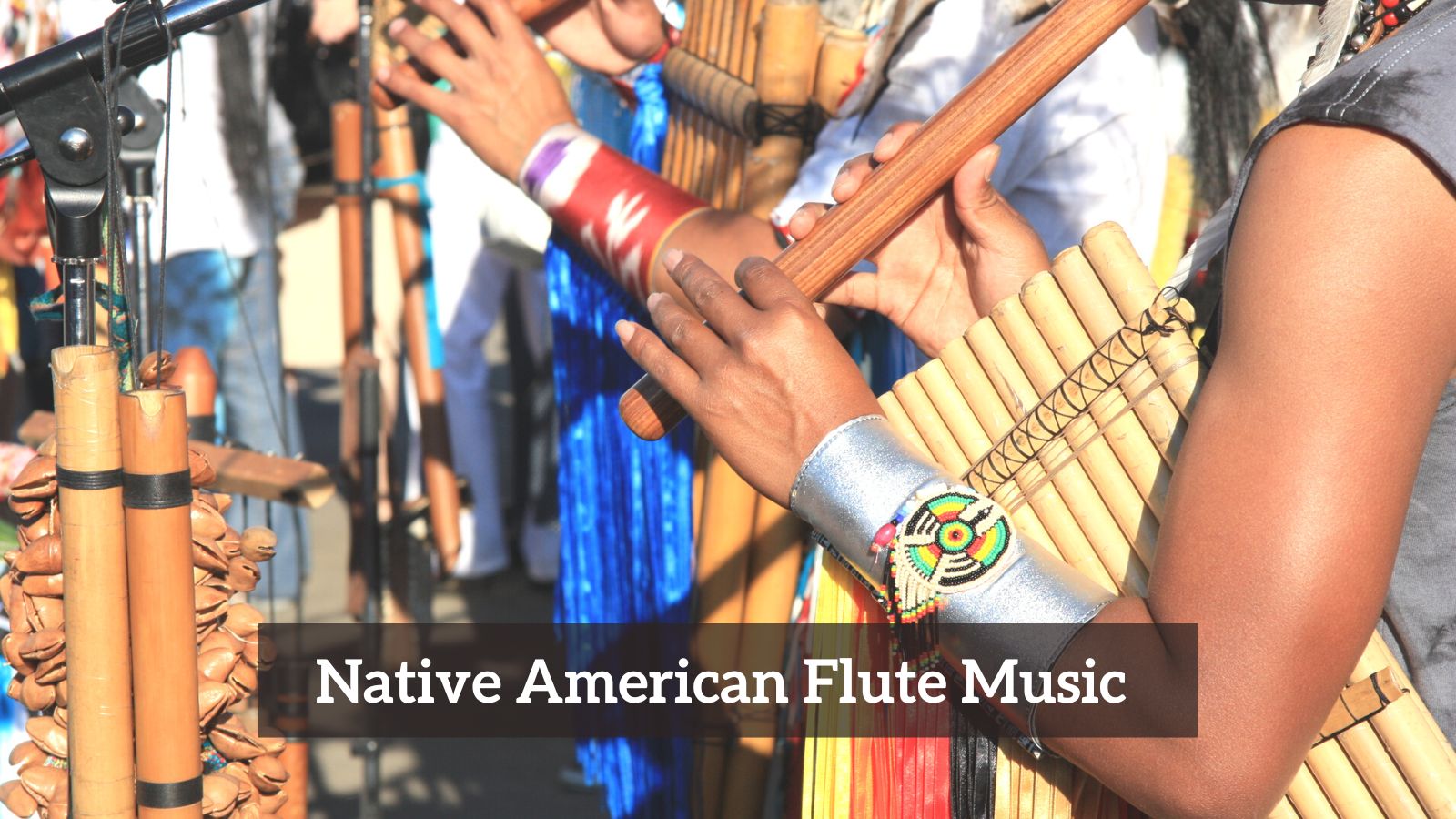
The hauntingly beautiful melodies of the Native American flute carry stories, history, and profound spiritual meaning across generations. Often referred to in a broader sense as ‘flute music from Indian Reservations,’ this art form is a vibrant, living tradition rooted deeply in the cultural fabric of Indigenous peoples throughout North America. It is far more than just music; it is a voice, a prayer, a celebration, and a connection to ancient ways.
This comprehensive article will take you on a journey to explore the origins, significance, instruments, and contemporary expressions of this captivating musical tradition. We aim to honor the depth and diversity of Native American flute music, acknowledging its profound impact both within and beyond Indigenous communities.
A Journey Through Time: The Ancient Roots of Indigenous Flute Music
The history of the Native American flute stretches back centuries, long before European contact. Archaeological evidence, including flute fragments made from bone or cane, suggests that wind instruments played a significant role in various Indigenous cultures across the continent for thousands of years. These early instruments were integral to daily life, ceremonies, and personal expression.
Different tribes developed their unique styles and instruments, shaped by available materials and cultural practices. While the term ‘Native American flute’ often brings to mind a specific type of instrument today, it’s important to remember the vast array of flutes that existed, from simple whistles to complex ceremonial instruments, each with its own story and purpose.
The Flute’s Voice: Cultural Significance and Spiritual Resonance

For many Indigenous communities, the flute is not merely a musical instrument; it is imbued with spiritual power and cultural significance. Its melodies are often associated with prayer, meditation, healing, and storytelling. The sound is believed to connect the player and listener to the natural world, ancestors, and the Great Spirit.
Historically, the flute played a crucial role in various aspects of tribal life. It was used in healing rituals, to call upon spirits, during social gatherings, and perhaps most famously, for courtship. A young man might play a specific melody to convey his feelings to a prospective partner, a tradition that speaks to the instrument’s intimate and personal nature.
The deeply personal connection to the instrument often meant that flutes were not mass-produced but carefully crafted by individuals, sometimes for their own use, sometimes passed down through families. Each flute, therefore, carries a unique spirit and story.
Crafting the Sound: Traditional Native American Flutes
Traditional Native American flutes are typically made from wood, though bone, clay, and cane were also used. Cedar, especially Western Red Cedar, is a popular choice for its resonant qualities and beautiful grain. Other woods like redwood, walnut, and cherry are also utilized by contemporary flute makers.
The distinctive feature of many Native American flutes is their ‘fipple’ or ‘duct’ design, which creates a breath channel. Unlike a transverse flute (like a concert flute), where the player blows across an embouchure hole, the Native American flute has a block or ‘fetish’ that directs the air, making it relatively easier to produce a sound.
Most flutes are tuned to a pentatonic (five-note) minor scale, which gives them their characteristic haunting and melancholic sound. However, variations exist, and modern flutes can be found in various keys and tunings. The number of finger holes typically ranges from five to six, allowing for a range of expressive possibilities.
The Distinctive Sound: Characteristics of Native American Flute Music
The sound of the Native American flute is often described as soulful, meditative, and evocative. Its simple, pure tones can transport listeners to vast landscapes, ancient forests, or quiet reflective spaces. The pentatonic scale naturally lends itself to improvisation, allowing players to express deep emotion and personal narratives through their music.

Unlike many Western musical traditions that emphasize complex harmonies and structured compositions, much of traditional Native American flute music focuses on melody, rhythm, and the emotional resonance of individual notes. It’s often about the feeling conveyed rather than strict adherence to a written score.
Beyond the Reservation: The Flute’s Enduring Legacy
For many years, following colonization and assimilation policies, the practice of playing and crafting traditional flutes diminished in some communities. However, the resilient spirit of Indigenous cultures ensured that the music was never truly lost. Through oral traditions, family teachings, and the dedication of culture bearers, the knowledge was preserved.
In the late 20th century, a significant revival of Native American flute making and playing began. This resurgence was fueled by a renewed interest in cultural heritage, the efforts of dedicated artists, and a growing appreciation for Indigenous arts worldwide. This period saw the instrument gain broader recognition and popularity.
Notable Voices: Iconic Native American Flute Musicians
Several artists have been instrumental in bringing Native American flute music to a wider audience, while deeply respecting its cultural roots. R. Carlos Nakai is arguably the most recognized name, a pioneer who fused traditional sounds with contemporary arrangements, earning multiple Grammy nominations and widespread acclaim.
Other celebrated musicians include Mary Youngblood, known for her powerful and expressive playing; Kevin Locke (Tokaheya Inajin), a Hunkpapa Lakota hoop dancer and flutist who shares traditional stories and teachings; and Joseph FireCrow (Northern Cheyenne), whose music captured the essence of his ancestral lands. These artists, among many others, continue to inspire and educate.
Modern Interpretations: Contemporary Native American Flute Music
Today, Native American flute music continues to evolve. While many artists honor traditional styles, others explore contemporary fusions, blending the flute’s sound with genres like jazz, new age, ambient, and world music. This innovation allows the music to reach new audiences while demonstrating its versatility and timeless appeal.
New generations of Indigenous artists are emerging, bringing fresh perspectives and sounds to the tradition. They utilize modern recording techniques, collaborate with musicians from diverse backgrounds, and leverage digital platforms to share their music globally, ensuring its continued relevance and growth.
The Revival and Preservation: Keeping the Tradition Alive
Efforts to preserve and promote Native American flute music are robust. Cultural centers, tribal colleges, and community organizations offer workshops and educational programs to teach flute making and playing to younger generations. Festivals and gatherings dedicated to Indigenous arts provide platforms for artists to perform and share their knowledge.
The role of contemporary flute makers is also crucial. They meticulously craft instruments, often using traditional methods combined with modern precision, ensuring that authentic and high-quality flutes are available for players. Their dedication helps maintain the integrity of the instrument and its sound.
Understanding the Terminology: ‘Indian Reservations’ and Beyond
While the prompt uses the term ‘Indian Reservations,’ it’s important to note that many Indigenous peoples prefer terms like ‘Tribal Nations,’ ‘Indigenous communities,’ or ‘Native American communities.’ These terms better reflect their sovereignty and cultural distinctiveness. The music, while deeply rooted in specific tribal traditions, transcends geographical boundaries and is a shared heritage across many Indigenous cultures.
The beauty of Native American flute music lies in its ability to speak to universal human experiences—love, loss, joy, spirituality, and connection to the earth—making it accessible and moving for listeners of all backgrounds.
People Also Ask: Common Questions About Native American Flute Music
What is the spiritual significance of the Native American flute? The flute is often seen as a sacred instrument, used in prayers, ceremonies, and personal meditation to connect with nature, ancestors, and the spiritual realm. Its melodies are believed to carry healing and transformative power.
What kind of wood is typically used for Native American flutes? Cedar (especially Western Red Cedar) is very common due to its excellent resonance and workability. Other woods include redwood, walnut, cherry, and sometimes bamboo or cane for specific styles.
Are Native American flutes easy to play for beginners? Yes, compared to many other wind instruments, Native American flutes are relatively easy to learn to play. Their fipple design simplifies sound production, and the pentatonic scale makes it easy to create melodious sounds without extensive musical training.
Where can I find authentic Native American flute music and instruments? Look for reputable Indigenous artists, cultural centers, and specialized online retailers. Many artists sell their music and handcrafted flutes directly through their websites or at cultural festivals. Supporting Indigenous artists directly helps sustain the tradition.
How does Native American flute music differ from other traditional flute music? Its primary distinctions include the fipple (duct) design, the prevalent use of the pentatonic minor scale, its often improvisational and emotionally driven nature, and its deep cultural and spiritual context within Indigenous traditions.
Conclusion: A Living Tradition, A Universal Language
Flute music from Indigenous American traditions is a profound expression of cultural identity, spiritual wisdom, and artistic creativity. From its ancient origins to its vibrant contemporary forms, it continues to resonate with a soulful power that transcends time and cultural barriers. It reminds us of the importance of listening, connecting with our heritage, and appreciating the diverse voices that enrich our world.
By understanding and respecting the history and significance of the Native American flute, we not only celebrate a beautiful art form but also honor the enduring legacy and resilience of Indigenous peoples. Let its melodies continue to inspire, heal, and connect us all.


