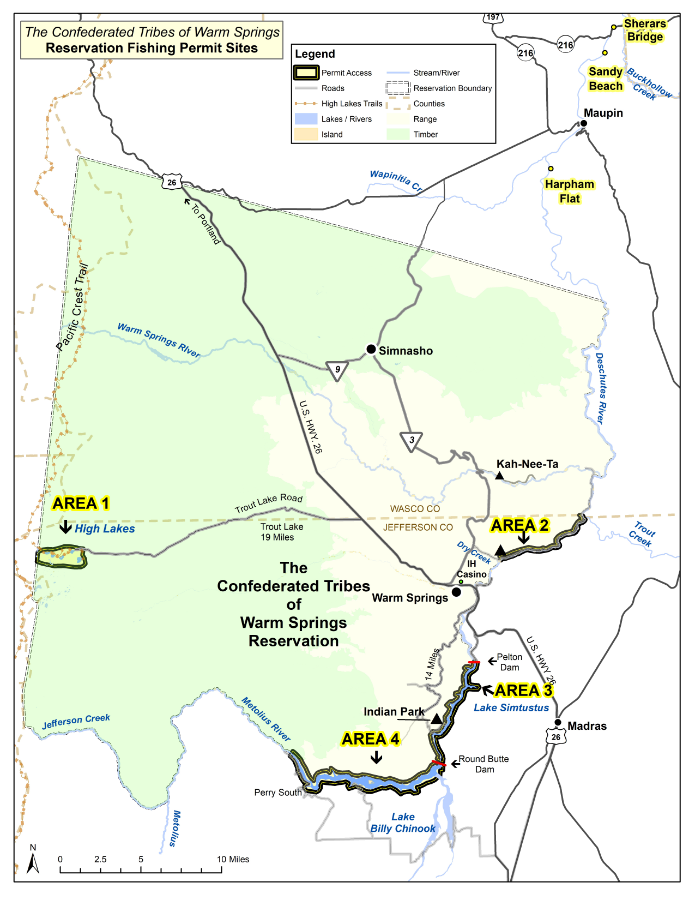
Embarking on a fishing adventure often leads anglers to seek out new and challenging waters. Among the most unique and rewarding destinations are the diverse and often pristine lakes, rivers, and streams found within Indian Reservations across the United States. These lands offer not only incredible angling opportunities but also a chance to experience the rich cultural heritage and dedicated conservation efforts of sovereign tribal nations.
However, fishing on these lands is distinct from fishing in state or federal waters. It requires a specific understanding of tribal sovereignty, respect for indigenous cultures, and, crucially, the acquisition of a proper tribal fishing permit. This comprehensive guide will navigate you through everything you need to know to plan a respectful and successful fishing trip on an Indian Reservation.
Understanding Tribal Sovereignty and Jurisdiction
Indian Reservations are sovereign territories, meaning they operate under their own laws and governance, separate from state and federal regulations in many respects. This sovereignty extends to natural resources, including water bodies and the fish within them. Therefore, a state fishing license, while often necessary to possess, is generally not sufficient on its own to fish on tribal lands.
Each tribal nation has the inherent right to manage its own resources, including setting fishing seasons, catch limits, gear restrictions, and permit requirements. This is a fundamental aspect of tribal self-determination and resource management, often rooted in centuries of traditional ecological knowledge.
Why Choose Tribal Waters for Your Next Fishing Trip?
- Pristine Environments: Many reservations boast incredibly well-preserved natural habitats, often due to generations of careful stewardship and sustainable practices.
- Abundant Fish Populations: Effective tribal management often leads to healthy, thriving fish populations, offering excellent catch rates and opportunities for trophy-sized fish.
- Unique Species & Experiences: You might encounter species or fishing conditions not readily available in public waters, alongside the chance to learn about local indigenous fishing traditions.
- Reduced Crowds: While popular spots exist, many tribal fisheries offer a more secluded and tranquil experience compared to heavily fished public access points.
- Support for Tribal Communities: Permit fees directly contribute to tribal conservation efforts, resource management, and economic development, fostering a direct benefit to the communities you visit.
The Indispensable Tribal Fishing Permit
A tribal fishing permit is your official authorization to fish on a specific reservation’s waters. It signifies your agreement to abide by their rules and regulations and acknowledges the tribe’s jurisdiction over their lands and resources. Obtaining this permit is not just a legal requirement; it’s a gesture of respect for the tribal nation.
How to Obtain Your Tribal Fishing Permit
- Identify the Specific Reservation: Determine which reservation you plan to visit. Websites like Native American Tourism of North America (NATONA) or individual tribal government sites are good starting points.
- Research Tribal Regulations: Once you’ve identified the tribe, visit their official website or contact their natural resources, fish and wildlife, or recreation department. Look for information on fishing regulations, permit requirements, and fees.
- Permit Purchase Options: Many tribes offer permits online for convenience. Others may require you to purchase them in person at tribal offices, local bait shops, or designated vendors near the reservation.
- Required Information: Be prepared to provide personal identification (driver’s license), and often, proof of a valid state fishing license from the state where the reservation is located.
- Understand the Costs: Permit fees vary widely, from a few dollars for a daily permit to annual passes costing more. These fees are crucial for funding tribal resource management.
- Read the Fine Print: Always thoroughly read and understand all rules and regulations associated with your permit. Ignorance of the rules is not an excuse for violations.
General Regulations and Ethical Angling on Tribal Lands
Preparing for Your Tribal Fishing Expedition
- Research the Fishery: Understand the target species, local conditions, water levels, and best fishing techniques for the specific reservation. Online forums, local bait shops, or tribal fish and wildlife departments can offer valuable insights.
- Essential Gear: Pack appropriate fishing tackle, waders, rain gear, sunscreen, insect repellent, and a first-aid kit. Consider bringing a cooler for any fish you are legally allowed to keep.
- Maps and Navigation: Cell service can be spotty. Carry physical maps, GPS devices, or downloaded offline maps. Know your route and emergency exits.
- Emergency Contacts: Have emergency numbers for tribal police, game wardens, or local authorities readily available.
- Hydration and Food: Always carry ample water and snacks, especially if venturing into remote areas.
Common Fish Species Found on Tribal Waters

- Trout: Rainbow, Brown, Brook, Cutthroat, and various native trout species.
- Bass: Largemouth and Smallmouth Bass are popular targets.
- Salmon & Steelhead: In the Pacific Northwest, many tribal nations manage vital salmon and steelhead runs.
- Walleye & Pike: Common in northern tribal lakes and rivers.
- Panfish: Crappie, Bluegill, and Perch provide excellent light tackle opportunities.
The Role of Tribal Nations in Conservation
- Habitat restoration and protection.
- Fish stocking and population monitoring.
- Water quality improvement initiatives.
- Enforcement of fishing regulations to prevent overfishing.
- Research into native species and ecosystems.
By purchasing a permit, you are not just gaining access; you are contributing to the ongoing health and vitality of these precious natural resources.
Frequently Asked Questions (FAQs) About Fishing on Reservations
Do I need a state fishing license AND a tribal permit?
In most cases, yes. The state license covers you for non-tribal waters within that state, while the tribal permit grants you access to the reservation’s specific waters. Always check the specific tribal regulations, as a few exceptions might exist, but dual licensing is the norm.
Can non-tribal members fish on reservations?
Absolutely! Many tribal nations welcome non-tribal anglers, provided they obtain the necessary permits and adhere to all tribal regulations. It’s a fantastic way to experience unique fisheries and support tribal economies.
What happens if I fish without a tribal permit?
Fishing without a permit on tribal lands is considered trespassing and poaching. Penalties can be severe, ranging from substantial fines, confiscation of gear, and potential vehicle impoundment, to even arrest and criminal charges. Always ensure you have the correct, valid permit before casting a line.
Are there fishing guides available on reservations?
Yes, many reservations have licensed tribal guides or work with local outfitters who are intimately familiar with the waters and tribal regulations. Hiring a guide can significantly enhance your experience, increase your chances of success, and provide valuable insights into the local culture and environment.
Are all Indian Reservations open to public fishing with a permit?
No. Each tribal nation makes its own decisions regarding public access. Some reservations may have waters reserved exclusively for tribal members, or certain areas might be temporarily closed for cultural events or resource management. Always verify the specific rules for the reservation you intend to visit.
Are there special rules for cultural sites or sacred areas?
Yes. Many reservations contain sites of immense cultural or spiritual significance. These areas may have restricted access or specific behavioral guidelines. Always be respectful and avoid such areas unless explicitly permitted and accompanied by a tribal member or guide.
Ethical Considerations and Respectful Engagement
- Honoring Traditions: Be open to learning about local customs and history.
- Supporting Local Economies: Beyond permit fees, consider purchasing supplies, food, or crafts from tribal businesses.
- Leaving No Trace: Ensure your presence has no negative impact on the environment or cultural sites.
- Patience and Understanding: Tribal administrative processes may differ from what you’re accustomed to. Approach interactions with patience and an open mind.
Conclusion: A Rewarding Angling Experience Awaits
Fishing on Indian Reservations with a permit offers a truly unparalleled experience for the avid angler. It’s an opportunity to explore some of North America’s most beautiful and productive waters, often managed with a profound commitment to conservation and sustainability. By understanding and respecting tribal sovereignty, diligently obtaining the necessary permits, and adhering to local regulations, you not only ensure a legal and safe trip but also contribute positively to the preservation of these invaluable resources and the communities that steward them.
So, do your research, secure your permit, and prepare for an unforgettable fishing journey where rich cultural heritage meets incredible angling opportunities. The waters are waiting.


