

The issue of federal jurisdiction over crimes on Native American reservations is a complex and often misunderstood area of law. It involves a tangled web of federal statutes, treaties, and Supreme Court decisions that have evolved over centuries. This guide aims to provide a comprehensive overview of the key principles governing criminal jurisdiction in Indian Country, addressing common questions and clarifying the roles of federal, state, and tribal authorities.
What is Indian Country?
The term ‘Indian Country’ is legally defined and encompasses not only formal reservations but also dependent Indian communities and Indian allotments, the Indian titles to which have not been extinguished. This broad definition means that jurisdictional issues can arise in various geographical areas with significant Native American populations.
The General Rule: Federal Jurisdiction
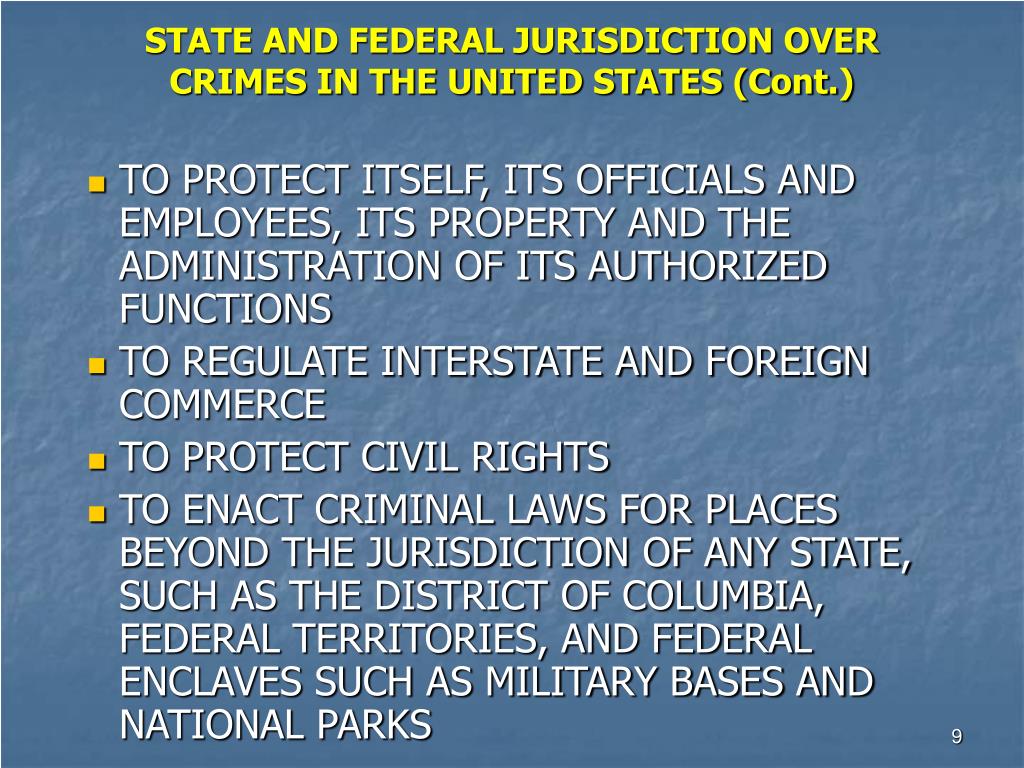
Generally, the federal government has primary criminal jurisdiction over certain offenses committed in Indian Country. This stems from the federal government’s unique trust relationship with Native American tribes, which has been established through treaties, statutes, and court decisions. The Major Crimes Act is a cornerstone of this federal authority.
The Major Crimes Act

- Murder
- Manslaughter
- Kidnapping
- Assault with intent to commit serious bodily injury
- Incest
- Assault against an individual less than 16 years of age
- Felony child abuse and neglect
- Arson
- Burglary
- Robbery
- Larceny
- Embezzlement
- Felony domestic violence
- Sexual abuse
- Carjacking
- Felony DUI
- Terrorism offenses
If a Native American commits one of these enumerated crimes within Indian Country, they will be prosecuted in federal court, regardless of whether the victim is Native American or non-Native American.
The General Crimes Act (Indian Country Crimes Act)
18 U.S.C. § 1152, also known as the Indian Country Crimes Act, extends federal jurisdiction to crimes committed in Indian Country that involve a Native American offender and a non-Native American victim. This statute fills a gap by addressing crimes not covered by the Major Crimes Act. However, there are exceptions.
Exceptions to Federal Jurisdiction
There are important exceptions to the general rule of federal jurisdiction. These exceptions often involve the interplay between tribal sovereignty and federal authority.
Indian on Indian Crimes
When both the perpetrator and the victim of a crime are Native American, and the crime is not one of the enumerated offenses under the Major Crimes Act, tribal courts generally have exclusive jurisdiction. This principle respects tribal sovereignty and allows tribes to handle internal matters within their own justice systems.
State Jurisdiction: Public Law 280


- California
- Minnesota
- Nebraska
- Oregon
- Wisconsin
- Alaska (later amended)
PL 280 allows these states to exercise the same criminal jurisdiction within Indian Country as they have elsewhere in the state. Other states have been added through subsequent legislation, but the process requires tribal consent.
The Impact of PL 280
PL 280 has been controversial, as it diminishes tribal sovereignty and can lead to inconsistent application of justice across different reservations. Some tribes have found it beneficial, while others view it as an infringement on their self-governance.
Tribal Court Jurisdiction
Tribal courts play a vital role in the administration of justice within Indian Country. They have jurisdiction over a range of offenses, particularly those involving Native American defendants and victims, and those not covered by the Major Crimes Act or PL 280. The Supreme Court has affirmed the inherent sovereignty of tribal courts to exercise criminal jurisdiction over their members.
The Indian Civil Rights Act (ICRA)
While tribal courts have jurisdiction, they are subject to certain limitations under the Indian Civil Rights Act (ICRA). ICRA generally extends many of the same constitutional rights to defendants in tribal court that are afforded to defendants in state and federal courts, such as the right to counsel, the right to a jury trial (in certain cases), and protection against double jeopardy.
Cross-Deputization Agreements
To improve law enforcement coordination and address jurisdictional gaps, many tribes have entered into cross-deputization agreements with federal, state, and local law enforcement agencies. These agreements allow officers from different jurisdictions to enforce laws and make arrests within Indian Country, regardless of jurisdictional boundaries.
Challenges and Complexities
- Lack of Clarity: The overlapping and sometimes conflicting jurisdictional rules can create confusion for law enforcement officers, prosecutors, and the public.
- Resource Limitations: Tribal courts and law enforcement agencies often lack the resources necessary to effectively address crime within their communities.
- Coordination Issues: Effective law enforcement requires close coordination between federal, state, tribal, and local authorities, which can be difficult to achieve.
- Sovereignty Disputes: Jurisdictional issues often raise sensitive questions about tribal sovereignty and the balance of power between tribal, federal, and state governments.
Common Questions (People Also Ask)
Who has jurisdiction over crimes committed by non-Indians against Indians in Indian Country?
Generally, the federal government has jurisdiction over major crimes committed by non-Indians against Indians in Indian Country. The Indian Country Crimes Act (18 U.S.C. § 1152) addresses this scenario. However, the specific circumstances of the crime and the location within Indian Country can affect the jurisdictional determination.
What happens if a non-Indian commits a crime against another non-Indian in Indian Country?
In cases where both the perpetrator and the victim are non-Native American, state courts typically have jurisdiction, unless the crime involves a substantial federal interest. This is a complex area, and the specific facts of the case will determine the appropriate jurisdiction.
Can tribes prosecute non-Indians?
The Supreme Court has significantly limited tribal court jurisdiction over non-Indians. In Oliphant v. Suquamish Indian Tribe (1978), the Court held that tribes do not have inherent criminal jurisdiction over non-Indians unless Congress has explicitly authorized it. There are limited exceptions, such as when a non-Indian consents to tribal court jurisdiction.
What is the role of the Bureau of Indian Affairs (BIA) in law enforcement on reservations?
The Bureau of Indian Affairs (BIA) has a law enforcement division that provides policing services on many reservations, particularly those without their own tribal police forces. BIA officers have federal law enforcement authority and can investigate and prosecute crimes under federal law.
How does the Violence Against Women Act (VAWA) affect tribal jurisdiction?
The Violence Against Women Act (VAWA) has been amended to expand tribal jurisdiction over certain crimes of domestic violence committed by non-Native Americans against Native American spouses or intimate partners within Indian Country. This expansion is subject to certain conditions and limitations, but it represents a significant step towards empowering tribes to address domestic violence within their communities.
Recent Developments and Future Trends
Looking Ahead
- Further clarification of tribal court jurisdiction over non-Indians.
- Increased emphasis on cross-deputization agreements and collaborative law enforcement efforts.
- Continued efforts to address resource limitations and improve the capacity of tribal justice systems.
- Legislative reforms aimed at clarifying jurisdictional ambiguities and promoting public safety in Indian Country.
Conclusion
Federal jurisdiction over crimes on reservations is a complicated subject rooted in historical treaties, federal statutes, and court rulings. Understanding the interplay between federal, state, and tribal authority is crucial for anyone working within or interacting with Native American communities. While federal law generally asserts jurisdiction over major crimes and those involving Native American offenders and non-Native American victims, exceptions like Public Law 280 and the inherent sovereignty of tribal courts add layers of complexity. Ongoing legal developments and collaborative efforts aim to improve clarity, resource allocation, and ultimately, public safety in Indian Country.
This guide provides a foundational understanding of the key principles. For specific legal advice, consult with an attorney specializing in federal Indian law.
Navigating the nuances of criminal jurisdiction in Indian Country requires a nuanced understanding of federal law, tribal sovereignty, and the unique relationship between the United States government and Native American tribes. By grasping these fundamental concepts, individuals can better appreciate the challenges and complexities of law enforcement and justice administration in this important area.


