
Conducting research within Indigenous communities, particularly on Indian Reservations, requires a profound understanding of ethical principles that extend far beyond standard academic protocols. It demands respect for tribal sovereignty, a deep appreciation for cultural nuances, and a commitment to genuine partnership. This guide aims to illuminate the path toward truly ethical and impactful research that benefits both researchers and Native American nations.
For centuries, Indigenous communities have been subjects of research that often lacked consent, exploited their knowledge, and failed to provide any tangible benefits in return. This legacy of mistrust, often termed ‘helicopter research’ or ‘extractive research,’ has left deep scars and continues to influence perceptions of external researchers.
Understanding this historical context is not merely an academic exercise; it’s a fundamental prerequisite for any researcher hoping to engage ethically. It underscores why tribal communities often approach research proposals with caution and why building trust is paramount.
The Foundation: Tribal Sovereignty and Self-Determination
At the heart of ethical research on Indian Reservations lies the principle of tribal sovereignty. Native American tribes are distinct, independent nations with inherent rights to govern themselves and their territories, including the right to control research conducted within their lands and on their people.
This means that tribes have the authority to establish their own research review processes, often through Tribal Research Review Boards (TRRB) or tribal Institutional Review Boards (IRBs), which operate alongside or in place of federal IRBs. Respecting this sovereignty is non-negotiable.

Self-determination, another cornerstone, implies that research should align with the community’s priorities and goals, not solely those of the external researcher. It shifts the power dynamic from researcher-driven to community-driven or, at minimum, collaboratively driven.
The Cornerstone: Free, Prior, and Informed Consent (FPIC)
While individual informed consent is standard in research, working with Indigenous communities necessitates an additional layer: Free, Prior, and Informed Consent (FPIC) from the tribal nation itself. This collective consent is distinct from individual consent.
Free means consent is given voluntarily, without coercion, manipulation, or undue influence. It acknowledges the historical power imbalances and ensures that communities are not pressured into agreements.
Prior signifies that consent must be sought sufficiently in advance of any research activities. This allows tribal governments and communities ample time to understand the proposal, deliberate, and make an informed decision according to their own cultural protocols and decision-making processes.
Informed implies that the community receives comprehensive information about the research in a culturally appropriate and accessible manner. This includes the purpose, methods, potential risks and benefits, data handling, and expected outcomes, as well as who will own the data.
Building Relationships and Trust: The Long-Term Commitment
Ethical research is not a transactional process; it’s relational. Building genuine relationships with tribal leadership, community members, and relevant organizations is the most crucial, and often the most time-consuming, step. This cannot be rushed.
Researchers should invest time in simply being present in the community, listening, learning, and participating in community events, even before a formal research proposal is discussed. This demonstrates respect and a long-term commitment.
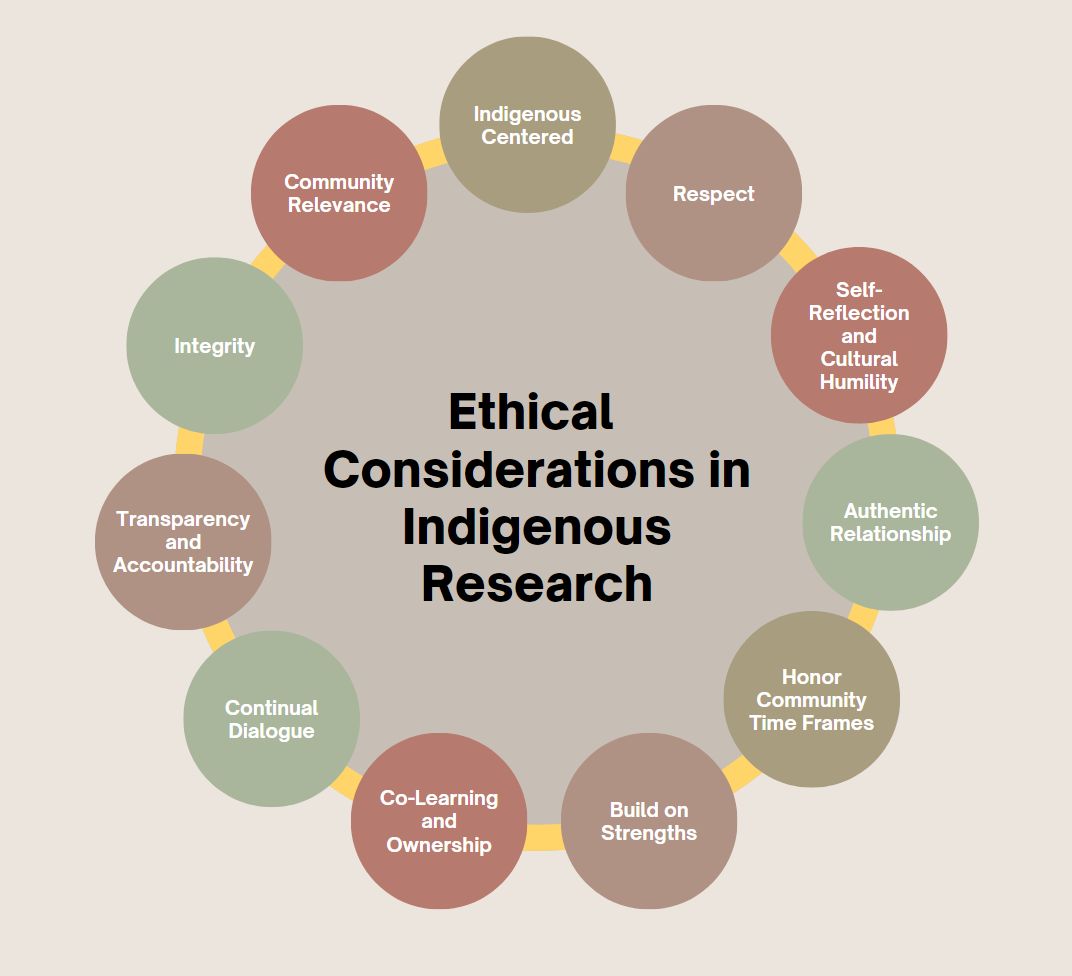

Understanding and respecting cultural protocols, traditional knowledge systems, and community values is vital. This may involve learning about tribal history, language, spiritual practices, and social structures. Ignorance in these areas can inadvertently cause offense or misinterpretations.
Navigating the Research Process: A Step-by-Step Approach
- Initial Consultation: Approaching tribal leadership (e.g., Tribal Council, health departments, cultural committees) to introduce oneself and the broad idea, seeking initial guidance.
- Formal Proposal Development: Collaborating with community members to refine the research questions and methodology, ensuring they are culturally relevant and address community priorities.
- Tribal Review and Approval: Submitting a detailed proposal to the tribal government or its designated research review body (TRRB/Tribal IRB). This process can be rigorous and may require multiple revisions.
- Federal IRB Approval: Once tribal approval is secured, seeking approval from the researcher’s institutional IRB, ensuring that tribal requirements are integrated into the federal application.
- Community Engagement Throughout: Maintaining open lines of communication, providing regular updates, and involving community members in all stages of the research, from data collection to interpretation.
Data Sovereignty and Ownership
A critical aspect of ethical research is addressing data sovereignty. This refers to the right of Indigenous nations to govern the collection, ownership, and application of their own data. It challenges the traditional model where external researchers own the data they collect.
Research agreements must clearly articulate who owns the data, how it will be stored, accessed, and used, and for how long. Often, tribes will assert ownership of the data collected within their communities, or at least co-ownership.
Discussions around data sharing, de-identification, and future use must occur upfront and be explicitly outlined in formal agreements. This protects sensitive information and ensures that data is not used in ways that could harm the community.
Ensuring Reciprocity and Benefit Sharing
Ethical research is not a one-way street. It must offer tangible and intangible benefits to the participating community. This principle of reciprocity is essential for building and maintaining trust.
Benefits can take many forms: direct financial compensation, capacity building (e.g., training community members in research methods, data analysis), contributing to community-identified needs, or informing tribal policy and programs.
Researchers should commit to sharing findings with the community in accessible and culturally appropriate formats (e.g., community presentations, plain language reports) before publication in academic journals. The community should have the opportunity to review and provide input on findings.
Addressing Challenges and Pitfalls
Researchers may encounter challenges such as differing timelines, complex tribal governance structures, or unexpected cultural sensitivities. Patience, flexibility, and humility are crucial attributes for navigating these situations.
Avoid making assumptions about any single ‘Native American culture.’ Each of the hundreds of federally recognized tribes possesses unique histories, languages, customs, and governance structures. Generalizations are disrespectful and inaccurate.
Be prepared for research proposals to be rejected or significantly altered. This is part of respecting tribal sovereignty and should be viewed as an opportunity to learn and refine approaches, not as a personal setback.
Conclusion: A Path Forward for Respectful Collaboration
Ethical research on Indian Reservations is a complex but immensely rewarding endeavor. It requires a paradigm shift from traditional research models to approaches rooted in respect, reciprocity, and genuine partnership.
By honoring tribal sovereignty, upholding the principles of Free, Prior, and Informed Consent, building long-term relationships, and committing to data sovereignty and benefit sharing, researchers can contribute to meaningful knowledge generation that truly serves Indigenous communities.
Ultimately, ethical engagement fosters not just better research, but also stronger, more equitable relationships that can help heal historical wounds and empower Native American nations to pursue their own visions of well-being and self-determination.


