Eskimo traditional music, deeply intertwined with the cultural fabric of Inuit and Yupik peoples, reflects the harsh yet beautiful Arctic environment. Music served not only as entertainment but also as a vital means of storytelling, spiritual connection, and community building. This article explores the fascinating world of Eskimo traditional music instruments, examining their construction, cultural significance, and role in preserving ancient traditions.
The term ‘Eskimo’ encompasses various Indigenous groups inhabiting the Arctic and subarctic regions of Greenland, Canada, Alaska, and eastern Siberia. While the term is sometimes considered outdated or even offensive (Inuit is preferred in many regions), it’s still used in some contexts and is helpful for describing the broad cultural area we’re exploring. Understanding the nuances of these cultures is crucial when appreciating their unique musical expressions.
Traditional Eskimo music is characterized by its simplicity and focus on rhythm and vocals. Instruments were often made from readily available natural materials such as animal hides, bones, wood, and stones. This resourcefulness highlights the ingenuity and deep connection to the land that defined these cultures.
Let’s explore some of the key instruments that have shaped the soundscape of the Arctic.
The Frame Drum (Qilaat/Tupilak)
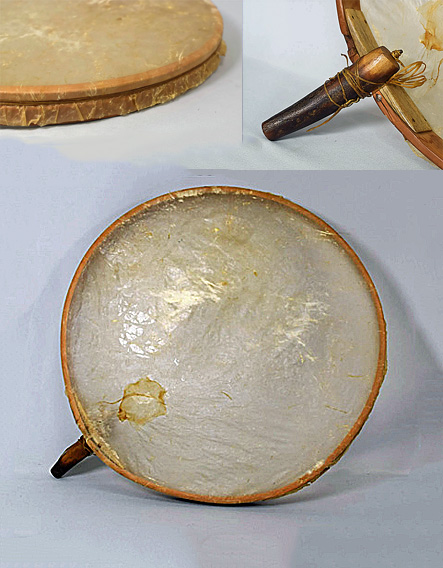
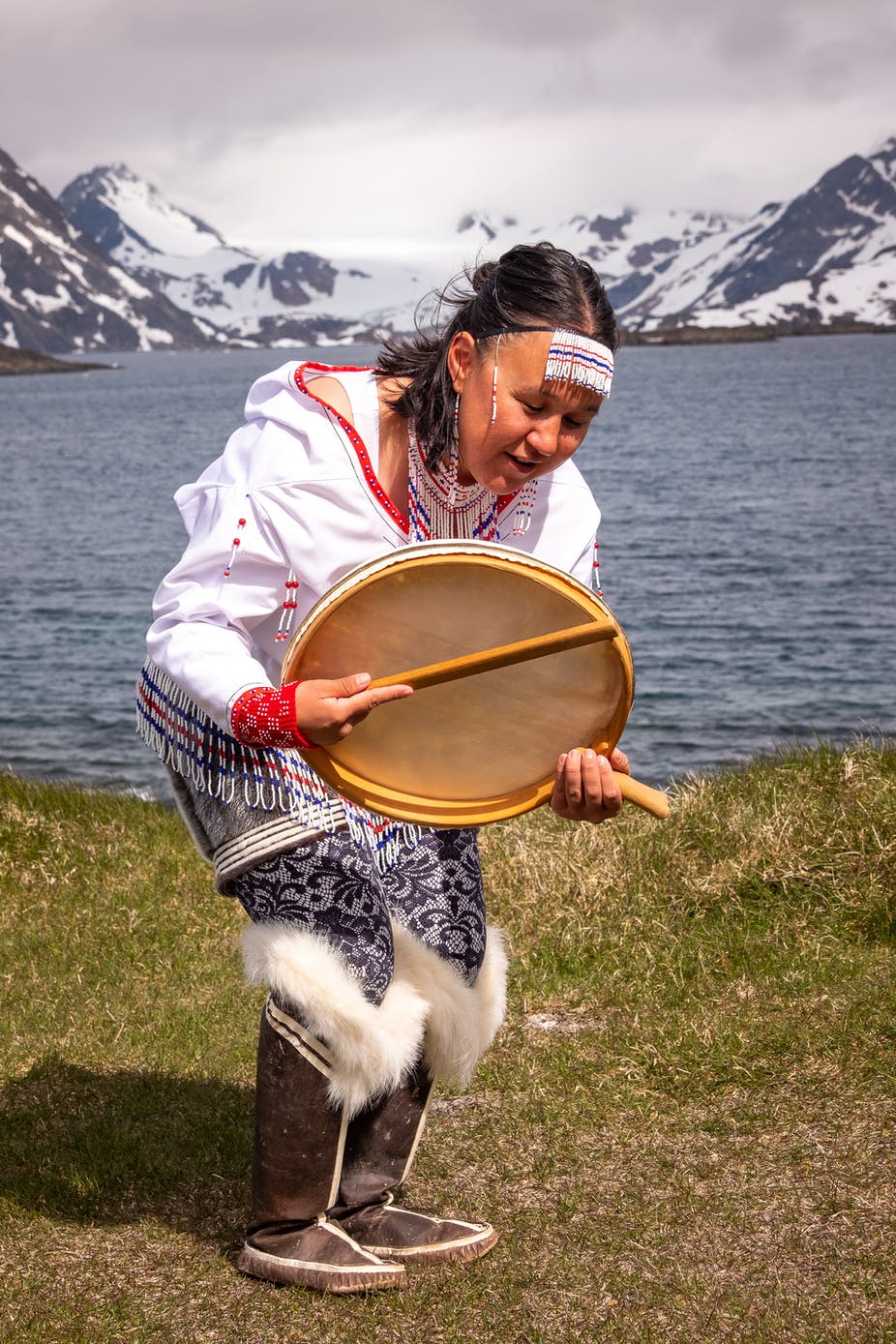
The frame drum, known as the qilaat among the Inuit and tupilak in some Yupik communities, is arguably the most iconic Eskimo musical instrument. It’s constructed from a wooden frame, traditionally made from driftwood or bent willow, covered with a stretched membrane of animal hide – often caribou, walrus, or seal. The drum is typically large, ranging from one to two feet in diameter. What distinguishes the Eskimo frame drum is that it is struck on the rim, rather than the center of the membrane. This creates a resonant, percussive sound that carries across the vast Arctic landscape.
Construction and Materials
The frame drum’s construction reflects the resourcefulness of Eskimo cultures. The wooden frame is carefully crafted and shaped, then the animal hide is meticulously stretched and secured. The handle is often carved directly into the frame, allowing the drummer to hold the instrument comfortably while playing. Variations in materials and construction techniques exist across different regions, reflecting local resources and traditions.
Cultural Significance
The frame drum holds immense cultural significance. It’s used in a variety of ceremonies, including dances, storytelling, and spiritual rituals. The drum’s rhythm is believed to connect the community with the spirit world, facilitating communication with ancestors and the natural forces that govern their lives. The rhythmic beat often accompanies throat singing and dancing, creating a powerful and immersive experience.
How is the frame drum played in Eskimo cultures?
The frame drum is typically played by a single drummer who holds the instrument with one hand and strikes the rim with a beater (agigteq) made of bone, wood, or antler. The drummer often sings or chants while playing, adding another layer of depth to the performance. The drum’s rhythmic patterns can vary widely, reflecting the specific purpose of the ceremony or performance.
Flutes and Wind Instruments
While less common than drums, flutes and other wind instruments also played a role in Eskimo traditional music. These instruments were often used for personal enjoyment, storytelling, and courtship rituals. They were typically smaller and more portable than drums, making them ideal for travel and individual expression.
Types of Flutes

Several types of flutes were used in Eskimo cultures, including:
- Nose Flutes: Played by blowing air through the nostrils, nose flutes produce a unique and haunting sound.
- End-Blown Flutes: Similar to modern flutes, these instruments are played by blowing air across a hole at the end.
- Whistles: Simple whistles made from bone or wood were used for signaling or creating musical effects.
Materials and Construction
Eskimo flutes were typically made from bone (bird or mammal), wood, or antler. The size and shape of the flute would vary depending on the available materials and the desired sound. Some flutes were elaborately decorated with carvings or beads, reflecting the artistic skills of the maker.
Cultural Significance
Flutes were often associated with personal expression and storytelling. They were used to create melodies that evoked emotions, told stories, or imitated the sounds of nature. In some cultures, flutes were also used in courtship rituals, with young men serenading their potential partners with their music.
Vocal Music and Throat Singing (Katajjaq)
Vocal music forms the bedrock of Eskimo musical tradition. Songs and chants were used to transmit knowledge, celebrate events, and connect with the spiritual world. Throat singing, also known as katajjaq among the Inuit, is a unique and mesmerizing vocal technique that involves two or more singers producing complex and rhythmic sounds in their throats.
Characteristics of Eskimo Vocal Music
Eskimo vocal music is characterized by its use of repetition, improvisation, and complex rhythmic patterns. Songs often tell stories about hunting, fishing, and the challenges of life in the Arctic. The lyrics are often simple and direct, focusing on the essential elements of the narrative.
The Art of Throat Singing
Throat singing is a highly specialized vocal technique that requires years of practice and training. Two or more singers stand face-to-face and produce a series of guttural sounds, creating complex rhythms and harmonies. The singers often imitate the sounds of animals, nature, or everyday life. Throat singing is not just a musical performance; it’s a form of cultural expression and a way to connect with the ancestors.
Other Traditional Instruments
While the frame drum, flutes, and vocal music are the most prominent forms of Eskimo traditional music, other instruments also played a role in certain regions and communities.
Jaw Harps (Mouth Harps)
The jaw harp, also known as a mouth harp, is a small instrument that is held in the mouth and plucked with the finger. The player uses their mouth as a resonator to amplify the sound. Jaw harps were often made from metal or bone and were used for personal enjoyment or to accompany storytelling.
Rattles
Rattles made from animal hides, bones, or shells were used in ceremonies and dances. They were often filled with pebbles or seeds to create a percussive sound. Rattles were believed to have spiritual power and were used to ward off evil spirits or to attract good fortune.
The Role of Music in Eskimo Culture
Music permeates every aspect of Eskimo life, serving as a vital means of communication, education, and spiritual connection. It reinforces community bonds, preserves cultural heritage, and provides a creative outlet for individual expression.
Storytelling and Oral Tradition
Music is an integral part of the Eskimo oral tradition. Songs and chants are used to transmit stories, legends, and historical accounts from one generation to the next. These musical narratives provide valuable insights into the values, beliefs, and experiences of Eskimo cultures.
Spiritual Significance
Music plays a crucial role in Eskimo spiritual practices. Drums, flutes, and vocal music are used in ceremonies to connect with the spirit world, honor ancestors, and seek guidance from the natural forces that govern their lives. The rhythmic sounds and melodies are believed to have healing properties and can help to restore balance and harmony within the individual and the community.
Preserving Traditional Music in the Modern Era
Challenges and Opportunities
Despite these efforts, there are still challenges to preserving Eskimo traditional music. The loss of language, the impact of Western culture, and the lack of resources can all threaten the survival of these traditions. However, there are also opportunities to use technology and social media to reach new audiences and to connect with other Indigenous communities around the world.
Supporting Indigenous Artists
One of the most important ways to support the preservation of Eskimo traditional music is to support Indigenous artists. By attending their performances, purchasing their recordings, and promoting their work, we can help to ensure that they have the resources they need to continue creating and sharing their music with the world.
Conclusion
Eskimo traditional music instruments offer a captivating glimpse into the soul of Arctic cultures. From the resonating frame drum to the haunting melodies of flutes and the mesmerizing sounds of throat singing, these instruments reflect the deep connection between the people and their environment. By understanding and appreciating these musical traditions, we can gain a greater understanding of the rich cultural heritage of the Eskimo people and the importance of preserving these traditions for future generations. The ongoing efforts to document, preserve, and promote Eskimo traditional music are vital to ensuring that these ancient sounds continue to resonate across the Arctic landscape and beyond. Supporting Indigenous artists and cultural organizations is crucial to sustaining these traditions and celebrating the enduring spirit of the Eskimo people.
The key takeaways are:
- Eskimo traditional music utilizes instruments made from natural resources.
- The frame drum is central to many ceremonies.
- Vocal music, including throat singing, is a unique art form.
- Music serves spiritual, storytelling, and community-building roles.
- Preservation efforts are crucial for safeguarding these traditions.


