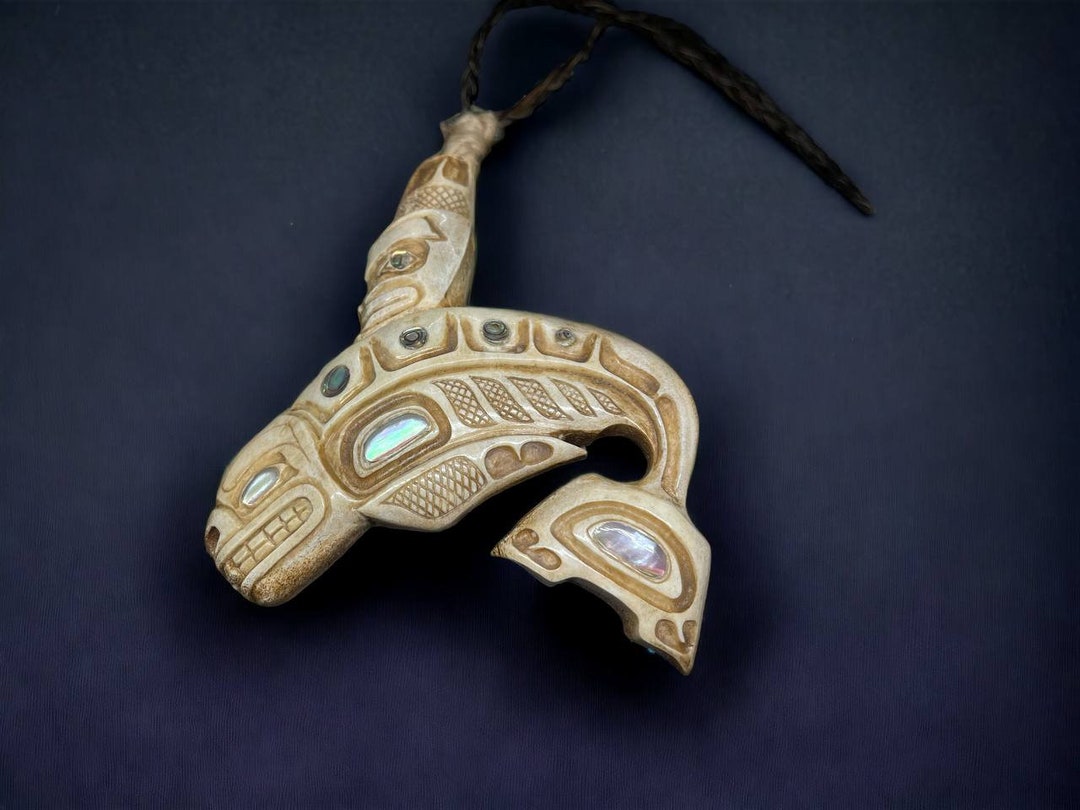

The Arctic regions of the world are home to cultures with histories as vast and enduring as the icy landscapes themselves. Among the many expressions of these vibrant cultures, traditional jewelry stands out as a powerful testament to ingenuity, spirituality, and artistic mastery. Often referred to broadly as ‘Eskimo traditional jewelry,’ these pieces offer a fascinating window into the lives, beliefs, and environments of the Indigenous peoples of the Arctic.
Before we delve deeper, it’s important to address terminology. The term ‘Eskimo’ is a broad term that encompasses various Indigenous groups of the Arctic, primarily the Inuit and Yup’ik peoples. While ‘Eskimo’ is still used by some, many prefer the specific names of their groups, such as Inuit (primarily in Canada and Greenland, and parts of Alaska) and Yup’ik (primarily in Alaska and Siberia). For the purpose of this article, we will use ‘Eskimo traditional jewelry’ as a general descriptor, while acknowledging the diversity and distinct identities within these rich cultures.
Eskimo traditional jewelry is far more than mere decoration; it is a repository of stories, a marker of identity, and a connection to the spiritual and natural worlds. Each piece, whether a simple pendant or an elaborate necklace, carries generations of wisdom, artistic skill, and deep cultural meaning. Understanding these adornments requires appreciating the unique Arctic environment and the profound relationship these peoples have with their homeland.
Ancient Roots: A Legacy Forged in Ice and Ingenuity
The origins of Arctic jewelry stretch back thousands of years, evolving alongside the cultures that created it. Early archaeological finds reveal that even in harsh conditions, people sought to adorn themselves and imbue objects with meaning. These ancient pieces, often simple yet elegant, demonstrate an early understanding of material properties and a desire for personal expression.
The availability of materials was dictated by the Arctic environment. Unlike cultures with access to precious metals or abundant gemstones, Arctic artisans mastered the art of transforming natural resources into objects of beauty and utility. This resourcefulness is a hallmark of Eskimo traditional jewelry.


Materials of the Arctic: Nature’s Palette
The choice of materials in traditional Eskimo jewelry is a direct reflection of the Arctic ecosystem. Artisans meticulously selected and worked with materials readily available from their surroundings, demonstrating both practicality and a deep reverence for nature.
Perhaps the most iconic material is ivory, sourced primarily from walrus tusks and occasionally from ancient mammoth tusks unearthed from the permafrost. Ivory’s smooth texture and creamy color made it ideal for intricate carvings, often depicting animals, human figures, or spiritual symbols.
Bone, particularly from caribou, whale, and other marine mammals, was another fundamental material. While often less dense than ivory, bone was versatile and could be carved, polished, and shaped into various forms. Its availability made it a common choice for everyday adornments and tools.
Various types of stone, such as soapstone (steatite), slate, and argillite, were also utilized. Soapstone, being relatively soft, was carved into pendants and beads, often displaying a beautiful range of greens, greys, and blacks. These stones were valued for their durability and aesthetic qualities.
Organic materials like wood, often driftwood or local timber, found their way into jewelry, sometimes combined with other elements. Animal teeth and claws from polar bears, wolves, and seals were incorporated, not just for their decorative appeal but often for their symbolic power, believed to transfer the animal’s strength or spirit to the wearer.
Other natural components included sinew (for stringing beads), leather and fur (for straps and embellishments), and occasionally shells found along coastal areas. Each material was chosen not only for its aesthetic properties but also for its inherent connection to the land and sea.
With the arrival of European traders, new materials like glass beads and sometimes metals (copper, silver) were introduced. These trade goods were quickly integrated into existing jewelry traditions, adding new colors and textures while maintaining traditional forms and meanings.
Craftsmanship and Techniques: Artistry Handed Down Through Generations
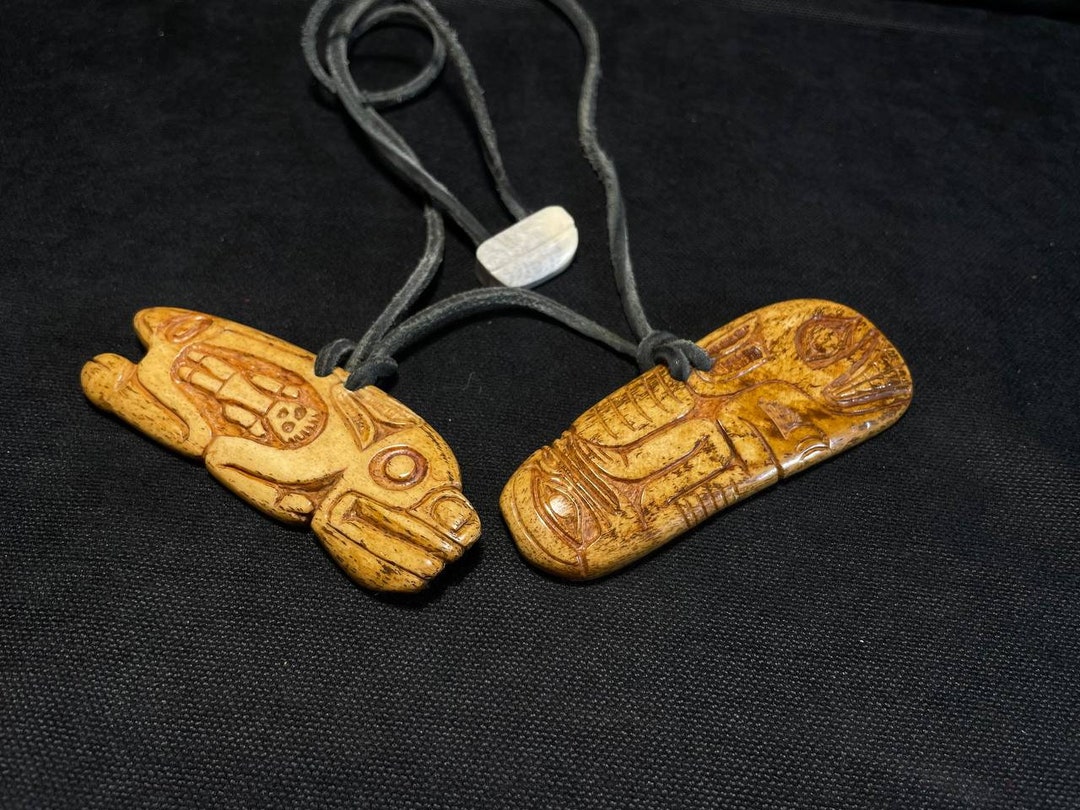
The creation of Eskimo traditional jewelry involves a range of sophisticated techniques passed down through generations. These methods highlight the artisans’ deep understanding of their materials and their remarkable patience.
Carving is central to much Arctic jewelry. Using simple tools, carvers would meticulously shape ivory, bone, and stone into detailed figures, abstract designs, or functional components. The precision and artistry in these carvings are truly remarkable.
Scrimshaw, a technique involving etching designs onto polished ivory or bone and then filling the lines with pigment (often soot or charcoal), was also employed. This method allowed for fine detail and narrative scenes to be depicted on the surface of the material.
Beadwork, particularly after the introduction of glass beads, became a prominent technique. Beads were strung into intricate patterns for necklaces, bracelets, and to adorn clothing. Traditional beads made from carved bone or ivory were also common.
Other techniques included polishing to bring out the natural sheen of materials, drilling for stringing, and careful assembly of multiple components using sinew or leather thongs.
Symbolism and Meaning: A Language of Adornment
Every element of Eskimo traditional jewelry, from the choice of material to the carved motif, is imbued with profound symbolism. These pieces serve as a visual language, communicating identity, beliefs, and a connection to the spiritual world.
Animal motifs are particularly prevalent. Carvings of bears, seals, whales, birds, and fish often represent qualities like strength, agility, wisdom, or a successful hunt. They can also signify a spiritual connection to an animal spirit helper or a familial totem.
Human figures, often stylized, can represent ancestors, shamans, or community members, embodying aspects of human experience, protection, or spiritual guidance. Some figures might depict transformations between human and animal forms, reflecting shamanic traditions.
Geometric patterns and abstract designs often hold cosmological significance, representing natural phenomena like the aurora borealis, constellations, or the movement of ice and water. These patterns can also be protective symbols, warding off negative influences.
Jewelry could also denote status or achievement within the community, signifying a skilled hunter, a respected elder, or a person of spiritual power. Certain adornments were worn during ceremonies or rituals, further emphasizing their sacred function.
Types of Traditional Adornments
The forms of traditional Eskimo jewelry are diverse, reflecting both practical needs and aesthetic desires.
Necklaces and Pendants: These are perhaps the most common forms, often featuring carved animal figures, human faces, or abstract designs. Pendants could be worn individually or as part of a larger beaded necklace. They were often believed to offer protection or bring good fortune.
Earrings: While less common in some groups traditionally, earrings of carved ivory or bone were worn, sometimes elaborately designed with dangling elements.
Bracelets and Armbands: Carved ivory cuffs or strung bead bracelets were worn, often featuring intricate patterns or symbolic figures.
Labrets: Historically significant for some Alaskan Inuit and Yup’ik groups, labrets (lip plugs) inserted through piercings in the lip or cheeks were powerful markers of identity, status, and rite of passage. Their designs varied greatly, from simple studs to elaborate carved pieces.
Beyond personal adornment, jewelry elements were often integrated into clothing, tools, and ceremonial objects, blurring the lines between art, utility, and spiritual significance.
Eskimo Jewelry in the Modern Era: Preservation and Innovation
Today, Eskimo traditional jewelry continues to thrive, evolving through the hands of contemporary artists while honoring ancestral traditions. Many Indigenous artists are dedicated to preserving the skills and knowledge of their forebears, ensuring the continuity of this important cultural heritage.
Modern pieces often blend traditional materials and techniques with contemporary designs, appealing to a wider audience while retaining their cultural authenticity. This fusion allows for innovation and keeps the art form vibrant and relevant.
Organizations and cultural institutions play a vital role in preserving and promoting Eskimo traditional jewelry through exhibitions, workshops, and educational programs. These efforts help to ensure that the stories and skills embodied in these adornments are not lost.
Conclusion: An Enduring Legacy of Beauty and Spirit
Eskimo traditional jewelry represents a profound and enduring artistic tradition, deeply interwoven with the cultural fabric of the Arctic’s Indigenous peoples. From the carefully chosen materials of bone and ivory to the intricate carvings and symbolic motifs, each piece tells a story of survival, spirituality, and an unbreakable connection to the land.
These adornments are not merely beautiful objects; they are living testaments to the ingenuity, resilience, and rich cultural heritage of the Inuit and Yup’ik peoples. As we admire their intricate beauty, we gain a deeper appreciation for the profound artistry and spiritual depth that continues to define the adornments of the Arctic.
The legacy of Eskimo traditional jewelry continues to inspire, reminding us of the universal human desire for expression, connection, and the timeless power of art to convey identity and meaning across generations.


.jpeg?w=200&resize=200,135&ssl=1 "Jobs Available On Indian Reservations")
