The Arctic, a landscape of breathtaking beauty and formidable challenges, has been home to Indigenous peoples for millennia. Among them, the Eskimo cultural groups, primarily the Inuit and Yup’ik, developed an extraordinary suite of traditional hunting tools. These instruments were not merely implements; they were extensions of human will, ingenuity, and a profound understanding of their environment, critical for survival in one of the planet’s most extreme climates.
Survival in the Arctic demanded unparalleled resourcefulness. Every tool had to be efficient, durable, and often multi-functional, crafted from the limited materials available: bone, antler, ivory, stone, wood (often driftwood), sinew, and animal hide. The design principles were simple yet sophisticated, honed over generations through observation, experimentation, and an intimate connection with the land and sea.
These traditional tools represent a rich heritage of indigenous technology. They allowed hunters to procure essential food, clothing, and shelter, sustaining entire communities. Understanding them offers a window into a way of life deeply intertwined with nature, emphasizing sustainability and respect for the hunted animals.
Harpoons: Masters of Marine Mammal Hunting
Perhaps the most iconic of Eskimo hunting tools is the harpoon. Essential for hunting marine mammals like seals, walruses, and whales, harpoons were complex instruments designed for precision, strength, and retrieval. Their design varied widely depending on the target animal and the specific cultural group.
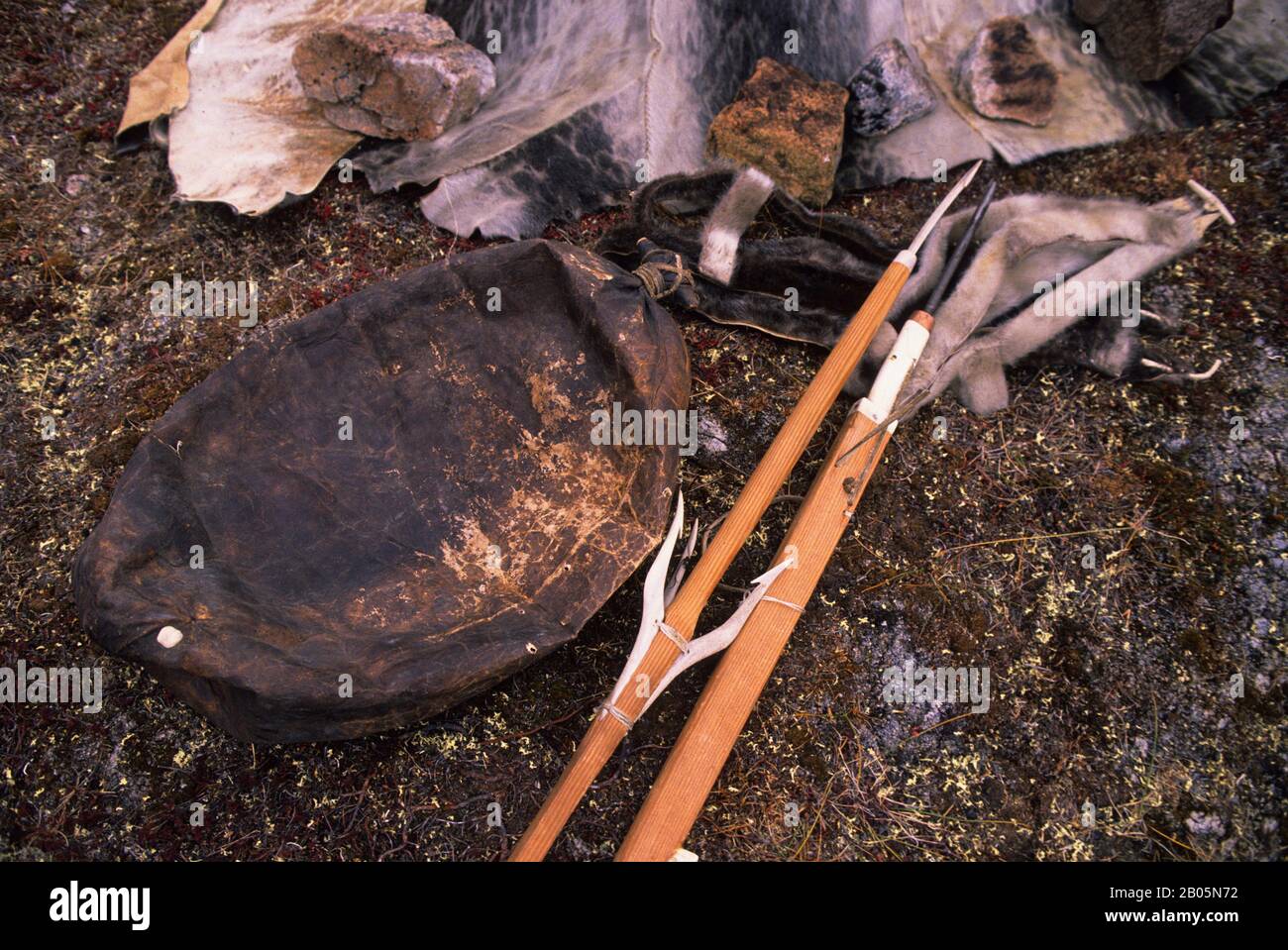
The most common type was the toggle harpoon. This ingenious device featured a detachable head, often made of bone or ivory, which would pivot or ‘toggle’ sideways once embedded in the animal’s flesh. This action prevented the head from pulling out, ensuring a secure hold.
The toggle head was attached to a long line, typically made of braided sinew or rawhide, which was then connected to a float (often an inflated seal bladder). The float served to tire the animal and mark its position, allowing hunters to track and eventually retrieve their prey.
Harpoon shafts were usually made from sturdy wood, sometimes reinforced with bone or antler. The craftsmanship involved in balancing the shaft, carving the toggling head, and braiding the line was exceptional, reflecting a deep understanding of physics and material science.
Bows and Arrows: Precision on Land
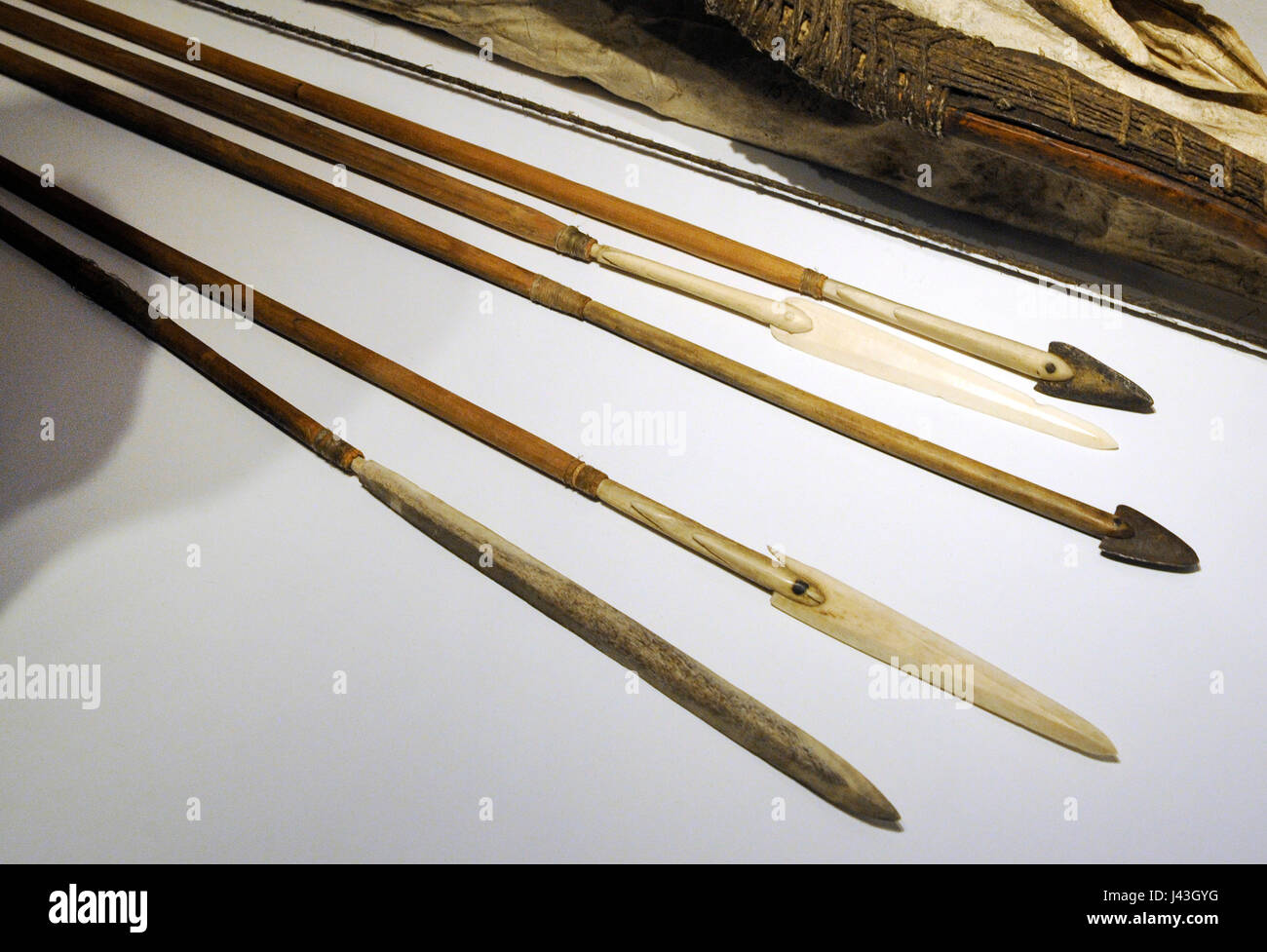
While harpoons dominated marine hunting, bows and arrows were indispensable for terrestrial game. Caribou, muskox, and various birds were primary targets for hunters equipped with these projectile weapons. Arctic bows were often composite, made from layers of wood, antler, and sinew, providing superior power and resilience in cold temperatures.
Arrows were crafted with shafts of wood or cane, tipped with points of chert, flint, bone, or, in later periods, metal. Different arrowheads were designed for specific purposes; barbed points for larger game, and blunt points for birds or small fur-bearing animals to avoid damaging pelts.
The use of sinew for bowstrings and for strengthening composite bows was critical. Sinew, dried and twisted animal tendons, provided incredible strength and elasticity, vital for a weapon that needed to perform reliably in freezing conditions.
Spears and Lances: Versatility and Power
Spears were versatile tools used for both hunting and fishing. The kakivak, a three-pronged fishing spear, was particularly effective for spearing fish through holes in the ice or in shallow waters. Its design allowed for a wider strike area and better grip on slippery prey.
Lances, longer and heavier spears, were employed for dispatching large game once harpooned or cornered. They featured strong, sharp points, often made of slate or bone, designed for deep penetration. These weapons required considerable strength and skill to wield effectively.
Bird spears, often equipped with multiple blunt prongs, were thrown with precision to stun birds in flight or on the water, minimizing damage to their feathers and making them easier to retrieve.
Knives: The Essential All-Purpose Tool
No discussion of Eskimo tools is complete without mentioning knives. The ulu, a crescent-shaped knife, is perhaps the most famous. Traditionally used by women for skinning, butchering, and preparing food, its design allows for efficient rocking cuts and even pressure distribution.
The ulu’s blade was initially made from ground slate or chert, later replaced by metal after European contact. Its ergonomic handle, often made of wood, bone, or ivory, fits comfortably in the hand, making it a highly effective and versatile tool.
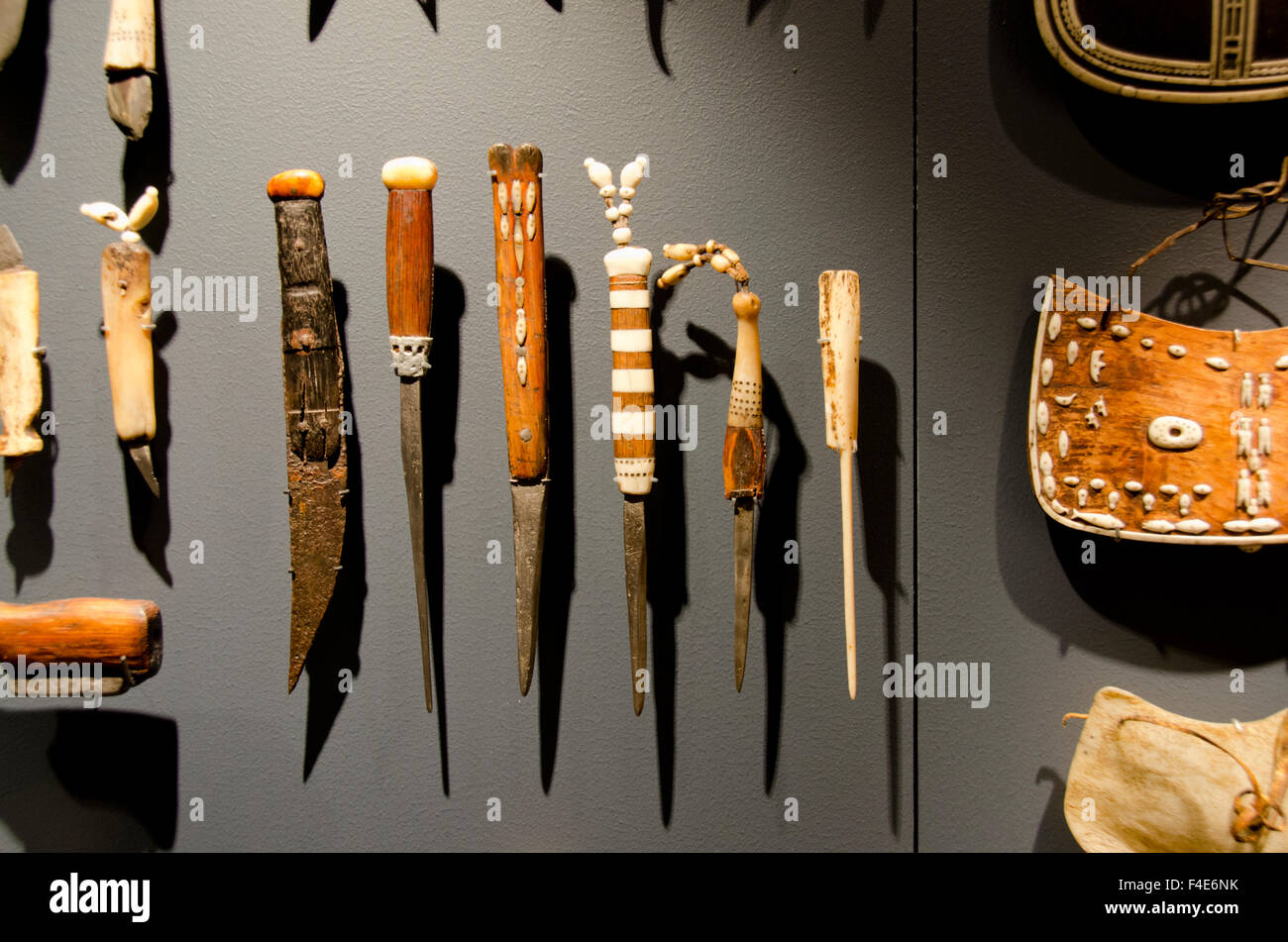
Hunters also carried specialized hunting knives with straighter blades, used for more precise butchering, carving, and crafting other tools. These knives were crucial for processing game quickly in the field, preventing spoilage in the harsh climate.
Traps and Snares: Ingenious Passive Hunting
For smaller game and furbearers like arctic foxes, hares, and ground squirrels, traps and snares were employed. These passive hunting methods allowed hunters to maximize their efforts while focusing on larger game. Deadfall traps, constructed from rocks or logs, were designed to crush an animal when triggered.
Snares, made from sinew or baleen, were set along animal trails. The knowledge of animal behavior and local topography was paramount for effective trap placement, ensuring a sustainable harvest of resources.
Transportation as an Extension of the Hunt
While not strictly ‘hunting tools,’ the methods of transportation were integral to the hunt’s success. The kayak, a lightweight, skin-covered boat, allowed hunters to silently stalk marine mammals, providing stealth and speed on the water. Its narrow, stable design was perfectly suited for solo hunting expeditions.
The umiak, a larger, open skin boat, was used for group hunting, particularly for whaling, and for transporting families and supplies. These vessels were marvels of engineering, showcasing sophisticated knowledge of hydrodynamics and material assembly.
On land and ice, the qamutiik (sled) was indispensable. Pulled by dogs, these sleds enabled hunters to cover vast distances and transport heavy game back to camp. The flexible construction of the qamutiik, often using lashed wood or bone, allowed it to absorb shocks and navigate uneven terrain without breaking.
Fishing Tools: Sustenance from Water
Beyond the kakivak, various other tools were used for fishing. Fish hooks, meticulously carved from bone, antler, or ivory, were designed to catch specific species. Sometimes, lures shaped like small fish were attached to attract prey.
Nets, woven from strong sinew or strips of baleen, were deployed in rivers, lakes, and coastal areas. Ice chisels, often made from antler or hardened wood, were essential for cutting fishing holes through thick ice, allowing access to vital winter food sources.
The Ethos of Arctic Hunting: Sustainability and Respect
The development and use of these tools were underpinned by a profound respect for nature and a deep understanding of ecological balance. Hunters took only what was needed, and every part of the animal was utilized, minimizing waste. This sustainable approach ensured the long-term viability of their food sources.
The success of traditional Eskimo hunting was not just about the tools themselves, but also about the knowledge, skill, and spiritual connection hunters had with their environment. Passing on this knowledge was crucial for the survival of future generations.
Modern Adaptations and Enduring Legacy
Today, while modern firearms, snowmobiles, and motorboats are often used, the principles and some forms of traditional tools persist. The knowledge of how to make and use traditional implements is still valued and taught, connecting younger generations to their rich cultural heritage.
The ingenuity embedded in Eskimo traditional hunting tools serves as a powerful testament to human adaptability and the ability to thrive in the most demanding environments. These tools are more than artifacts; they are symbols of resilience, masterful craftsmanship, and a sustainable way of life.
In conclusion, the traditional hunting tools of the Eskimo peoples – from the sophisticated toggle harpoon to the versatile ulu and the agile kayak – represent an extraordinary chapter in human innovation. Each tool was a meticulously crafted solution to the challenges of Arctic life, enabling survival, fostering community, and embodying a deep, respectful relationship with the natural world. Their legacy continues to inspire awe and admiration for the enduring spirit of Arctic ingenuity.


