

The Arctic is one of the most unforgiving environments on Earth, a land of extreme cold, biting winds, and vast, desolate landscapes. For thousands of years, Indigenous peoples, often broadly referred to as Eskimo (including Inuit, Yup’ik, and others across the circumpolar north), have not only survived but thrived in this challenging climate. Their secret? An unparalleled understanding of their environment and the ingenious development of specialized traditional hunting attire that represents a pinnacle of natural engineering.
Far from being mere garments, traditional Arctic clothing was a sophisticated survival system. Every stitch, every material choice, and every design element was meticulously crafted to offer maximum protection against hypothermia, frostbite, and the relentless elements. This attire was not just about warmth; it was about mobility, stealth, and durability, essential for successful hunting and daily life.
The history of this specialized clothing spans millennia, evolving through generations of trial and error. Early archaeological evidence, such as preserved clothing fragments and tools, indicates a long-standing tradition of sophisticated tailoring and material processing. The knowledge passed down orally and through direct teaching was crucial for survival and community well-being.
At the heart of traditional Eskimo attire was a deep respect for and intimate knowledge of the available natural resources. The primary materials were derived from animals integral to their diet and survival: caribou, seals, polar bears, and various birds. Each animal offered unique properties that were expertly utilized.
Caribou hide, with its hollow hairs, provided exceptional insulation, trapping air effectively to create a warm, lightweight barrier against the cold. It was often used for inner layers and trousers, offering supreme warmth without excessive bulk. The hide’s natural properties made it an ideal choice for the extreme temperatures encountered during long hunting expeditions.
Seal skin, on the other hand, was prized for its durability and inherent water resistance. Once properly prepared and sewn, it became an excellent outer layer, particularly for garments exposed to wet conditions, such as those used for sea hunting or near water. The dense fur and natural oils in seal skin helped repel moisture and wind.

Other furs, like those from Arctic fox, wolf, or wolverine, were often used for trim, especially around hoods. Wolverine fur, in particular, was highly valued because its short, dense hairs resist frost buildup from breath, keeping the wearer’s face clear and protected.
Even bird skins, such as those from eider ducks or loons, found their place in this remarkable wardrobe. With their downy feathers, bird skins provided incredibly lightweight yet effective insulation, often used for inner layers or specialized garments where flexibility was key.
Perhaps one of the most surprising and ingenious materials was the use of animal intestines, particularly from seals or whales. These were carefully cleaned, stretched, and sewn together to create incredibly lightweight, windproof, and largely waterproof parkas, often referred to as ‘gut parkas.’ These translucent garments were especially useful for sea hunting, protecting against sea spray while allowing some light to pass through.
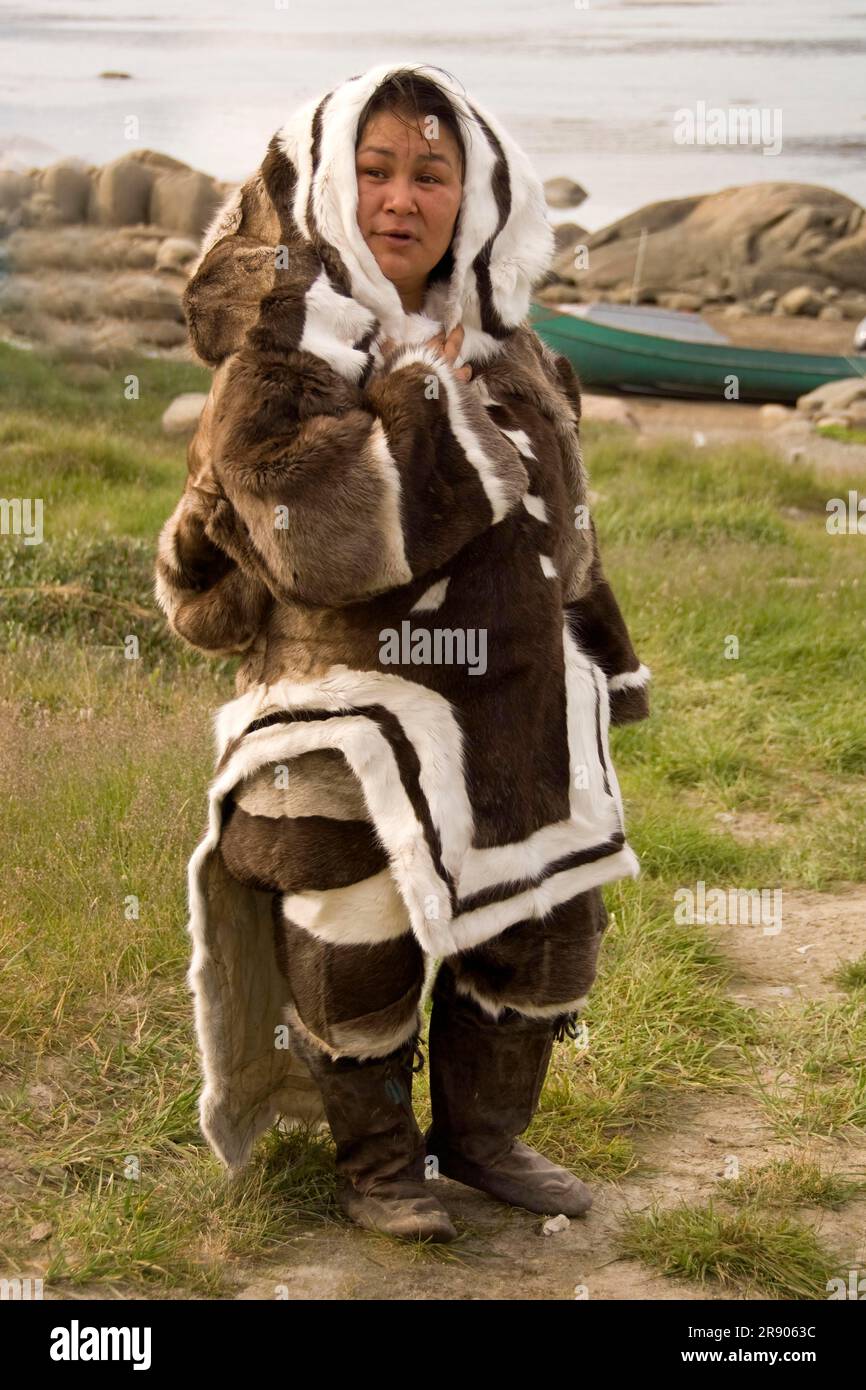
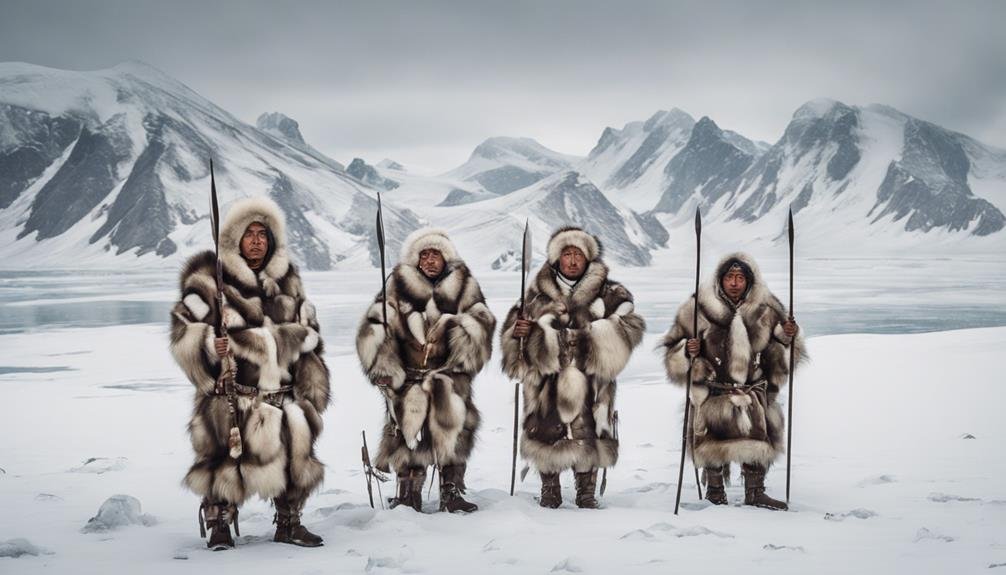
The iconic outer garment of the Arctic is undeniably the anorak or parka. This hooded coat was typically constructed as a double-layered system. An inner parka, worn with the fur facing inwards, trapped body heat, while an outer parka, worn with the fur facing outwards, provided protection from wind and snow.
The design of the parka’s hood was critical. It was often large, lined with fur, and sometimes featured a ruff of wolverine or wolf fur to create a microclimate around the face, deflecting wind and preventing frost accumulation. This hood was not merely an accessory but a vital component for facial protection in blizzards and extreme cold.
Trousers were equally important for maintaining warmth. Made primarily from caribou hide, they were often double-layered for superior insulation. Like parkas, they were carefully tailored to allow for freedom of movement, essential for navigating rugged terrain and performing hunting tasks.
Footwear, known as kamiks (or mukluks in some regions), was arguably the most critical component for Arctic survival. Cold feet can quickly lead to hypothermia. Kamiks were expertly crafted to be warm, durable, and often waterproof, providing excellent traction on ice and snow.
Traditional kamiks typically featured an outer layer of seal skin or caribou leg skin, known for its strength. The soles were often made from thicker, tougher seal skin. The inner lining could be caribou fur, providing insulation, and often a layer of dried grass or moss was inserted between the inner and outer layers for additional warmth and moisture wicking.
The waterproofing of kamiks was a laborious but essential process. Seal skin kamiks were often chewed by women to soften and condition the leather, making it more pliable and water-resistant. Animal fats and oils were also applied, and sometimes a lining of gut material was used to further enhance their waterproof qualities.

Hands were protected by thick mittens, often made from caribou fur, sometimes with seal skin palms for better grip and durability when handling tools or ropes. These mittens were designed to be easily removed and put back on, allowing for fine motor tasks when necessary but quickly restoring warmth.
Undergarments, while less visible, were also crucial. These might include lighter fur garments, bird skin vests, or even finely woven grass liners, all designed to add additional layers of insulation and help manage moisture against the skin.
The skill of sewing was paramount. Women were the primary tailors, using bone or ivory needles and sinew thread harvested from caribou tendons. The stitches were incredibly fine and precise, often employing unique flat seams that minimized bulk and prevented cold spots.
To ensure maximum warmth and water resistance, seams were often carefully sealed. For seal skin garments, this might involve double-stitching and sometimes even applying a thin layer of blubber or animal fat to further seal the needle holes, creating a remarkably tight and waterproof barrier.
The entire system relied on a sophisticated understanding of layering. Multiple thin layers of fur and skin trapped air, creating an insulating barrier. This layering also allowed for flexibility; garments could be adjusted or partially removed to prevent overheating during strenuous activity, thereby managing perspiration and avoiding dangerous dampness.
Attire was also adapted to specific hunting methods. For sea hunting from kayaks (qajaqs), lighter, more flexible, and highly waterproof gear was essential. Gut parkas and specialized seal skin garments offered protection against icy water and spray, crucial for prolonged exposure on the open water.
Land hunting, which often involved long treks and periods of waiting, demanded clothing that prioritized warmth, breathability, and camouflage. Caribou hide was ideal here, blending naturally with the snowy landscape and providing excellent insulation during periods of inactivity.
Beyond its practical function, traditional clothing held immense cultural significance. It was a tangible link to the land, the animals, and the spiritual world. The creation of clothing was a communal effort, often reflecting the identity and status of the wearer. Designs, patterns, and materials could signify family lineage, accomplishments, or spiritual beliefs.
The knowledge required to create such complex and effective clothing was passed down through generations, often from mother to daughter. This intergenerational transfer of skills ensured the continuity of cultural practices and the survival of the community.
Today, while modern synthetic materials offer alternatives, the principles of traditional Arctic clothing continue to influence contemporary cold-weather gear. High-tech parkas often mimic the double-layering system, hood design, and insulation strategies perfected by Indigenous peoples over centuries.
Moreover, traditional attire is far from obsolete. Many Indigenous communities still use and cherish their traditional garments, particularly for cultural events, subsistence hunting, and in remote areas where their proven efficacy remains unmatched. There’s a strong movement to revitalize and preserve these invaluable skills.
The approach to creating this clothing was inherently sustainable. Every part of the animal was utilized, minimizing waste and demonstrating a profound respect for the resources provided by nature. This ‘zero-waste’ philosophy is a powerful lesson for modern society.
Challenges persist, including the impacts of climate change on animal populations that provide these vital materials, and the increasing availability of mass-produced alternatives. However, the resilience and ingenuity embedded in traditional Eskimo hunting attire stand as a testament to human adaptability and a deep connection to the natural world.
In conclusion, the traditional Eskimo hunting attire is far more than just clothing; it is a profound example of human ingenuity, cultural heritage, and sustainable living in the face of extreme environmental challenges. From the selection of materials to the meticulous construction and the layering principles, every aspect reflects a mastery of Arctic survival that continues to inspire and inform us today.


