
For centuries, the Eskimo, also known as Inuit and Yupik peoples, have thrived in the Arctic regions of the world. Their survival hinges on a deep understanding of their environment and a sustainable approach to food sourcing. This article delves into the traditional methods and the cultural significance of Eskimo food practices.
The Foundation of Eskimo Diet: Respect for Nature
The Eskimo diet is primarily based on the animals and plants available in their harsh environment. Traditional food sourcing is not merely about sustenance; it’s a deeply intertwined cultural practice that emphasizes respect for nature and the delicate balance of the Arctic ecosystem. This respect is reflected in their hunting rituals, resource management, and the way they share food within their communities.
The Importance of Animal Resources
Animals form the cornerstone of the Eskimo diet. They provide not only food but also materials for clothing, shelter, and tools. Seals, whales, caribou, fish, and birds are among the most important sources of sustenance. The hunting of these animals is conducted with great skill and reverence, often involving intricate knowledge of animal behavior and migration patterns.
Traditional Hunting Techniques
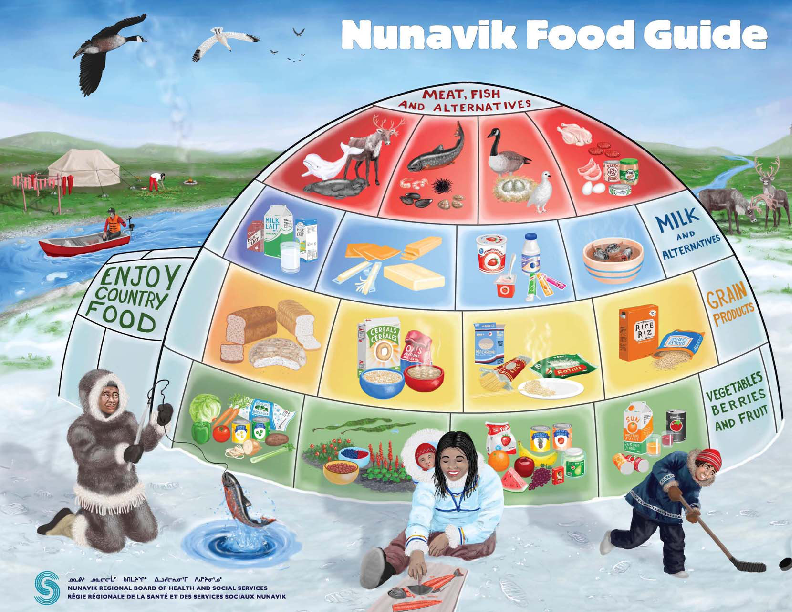
Eskimo hunters have developed sophisticated techniques for hunting in the Arctic. These methods are passed down through generations, ensuring the survival and success of the community. Hunting practices vary depending on the animal being targeted and the specific geographic location.
Seal Hunting
-
Waiting at breathing holes: Hunters patiently wait near seal breathing holes in the ice, using a harpoon to strike when a seal surfaces.
-
Netting: Nets are set under the ice to catch seals as they swim.
-
Open water hunting: Seals are hunted from kayaks or boats using harpoons and rifles.

Whale Hunting
-
Using Umiaks: Large open boats made of animal skins are used to approach whales.
-
Harpooning: Whales are harpooned and then dispatched with lances.
-
Community Effort: The entire community participates in the hunt and shares the harvest.
Caribou Hunting
-
Tracking: Hunters track caribou herds across the tundra.
-
Using Bows and Arrows or Rifles: Caribou are hunted using traditional bows and arrows or modern rifles.
-
Cooperative Hunting: Groups of hunters work together to drive caribou into strategic locations.
Fishing
-
Ice Fishing: Holes are cut in the ice, and fish are caught using lines and hooks.
-
Net Fishing: Nets are set in rivers and lakes to catch fish.
-
Spear Fishing: Fish are speared in shallow waters.
Gathering Plant Resources
-
Berries: Various types of berries, such as blueberries and cranberries, are gathered in the summer.
-
Seaweed: Seaweed is harvested from the ocean and used as a source of iodine and other nutrients.
-
Roots and Tubers: Edible roots and tubers are dug up from the ground.
Food Preservation Techniques
Drying
Meat and fish are often dried in the sun or wind to preserve them. Drying removes moisture, preventing spoilage.
Smoking
Smoking meat and fish adds flavor and helps to preserve them. The smoke acts as a natural preservative.
Fermenting
Fermenting is a traditional method of preserving food that involves allowing it to undergo controlled decomposition. This process can enhance the flavor and nutritional value of the food.
Freezing
Taking advantage of the Arctic’s frigid temperatures, foods are naturally frozen and stored for later use.
The Cultural Significance of Food
Food plays a central role in Eskimo culture and social life. Sharing food is a fundamental aspect of community bonding and cooperation. Traditional meals are often communal affairs, with families and neighbors sharing the bounty of the hunt. Food is also an integral part of ceremonies and celebrations, with specific dishes prepared for special occasions.
Sharing and Distribution
The distribution of food is carefully regulated to ensure that everyone in the community has access to sustenance. Hunters are expected to share their catch with those who are unable to hunt, such as the elderly or those with disabilities. This system of sharing promotes social cohesion and ensures the survival of the community as a whole.
Traditional Recipes and Dishes
-
Akutaq: A mixture of berries, fat, and sometimes fish or meat.
-
Dried Fish: Fish that has been dried in the sun or wind.
-
Seal Stew: A stew made with seal meat, vegetables, and broth.
-
Muktuk: Whale skin and blubber, rich in vitamins and calories.
Adapting to Modern Challenges
While traditional food sourcing remains an important part of Eskimo culture, modern challenges such as climate change, industrial development, and changing lifestyles are impacting their ability to access and utilize traditional foods. Climate change is affecting animal migration patterns and the availability of plant resources. Industrial development can disrupt hunting grounds and pollute the environment. Changing lifestyles and the availability of store-bought foods are also influencing dietary habits.
Climate Change Impacts
-
Melting Ice: Melting sea ice is making it more difficult to hunt seals and whales.
-
Changing Animal Migration Patterns: Animals are migrating to new areas in response to changing climate conditions, making it harder for hunters to find them.
-
Thawing Permafrost: Thawing permafrost is releasing greenhouse gases and damaging infrastructure.
Industrial Development
-
Disrupting Hunting Grounds: Development projects can disrupt animal habitats and migration routes.
-
Polluting the Environment: Industrial activities can pollute the air and water, contaminating traditional food sources.
The Shift Towards Store-Bought Foods
The increased availability of store-bought foods is leading to changes in dietary habits. While these foods can provide convenience, they often lack the nutritional value of traditional foods and can contribute to health problems such as obesity and diabetes. The reliance on processed foods also diminishes the cultural importance of traditional food sourcing.
Efforts to Preserve Traditional Food Practices
Promoting Traditional Knowledge
Elders and other knowledge holders are working to pass on their knowledge of hunting, fishing, and gathering techniques to younger generations. This ensures that traditional skills and knowledge are not lost.
Supporting Local Food Systems
Communities are working to strengthen local food systems by supporting local hunters and fishermen, promoting the consumption of traditional foods, and developing community gardens.
Advocating for Environmental Protection
Eskimo communities are advocating for policies that protect the Arctic environment and ensure the sustainable use of natural resources. This includes advocating for measures to reduce greenhouse gas emissions and prevent industrial pollution.
Conclusion: The Enduring Legacy of Eskimo Food Sourcing
Eskimo traditional food sourcing is a testament to the resilience, ingenuity, and deep connection to nature of the Inuit and Yupik peoples. Rooted in respect for the environment and a commitment to sustainable practices, these traditions have sustained communities for centuries. While modern challenges pose significant threats, ongoing efforts to preserve traditional knowledge, support local food systems, and advocate for environmental protection offer hope for the future. By understanding and appreciating the rich history and cultural significance of Eskimo food practices, we can gain valuable insights into sustainable living and the importance of preserving cultural heritage.
-
Respect for Nature: The Eskimo diet emphasizes a deep respect for the Arctic ecosystem.
-
Traditional Techniques: Sophisticated hunting, fishing, and gathering methods are passed down through generations.
-
Food Preservation: Techniques like drying, smoking, fermenting, and freezing ensure a stable food supply.
-
Cultural Significance: Food plays a central role in Eskimo culture, fostering community bonding and cooperation.
-
Modern Challenges: Climate change, industrial development, and changing lifestyles impact traditional food sourcing.
-
Preservation Efforts: Communities are working to preserve traditional knowledge, support local food systems, and advocate for environmental protection.
This comprehensive guide provides a deep dive into the world of Eskimo traditional food sourcing, highlighting its importance, challenges, and the ongoing efforts to preserve this vital aspect of their cultural heritage.


