
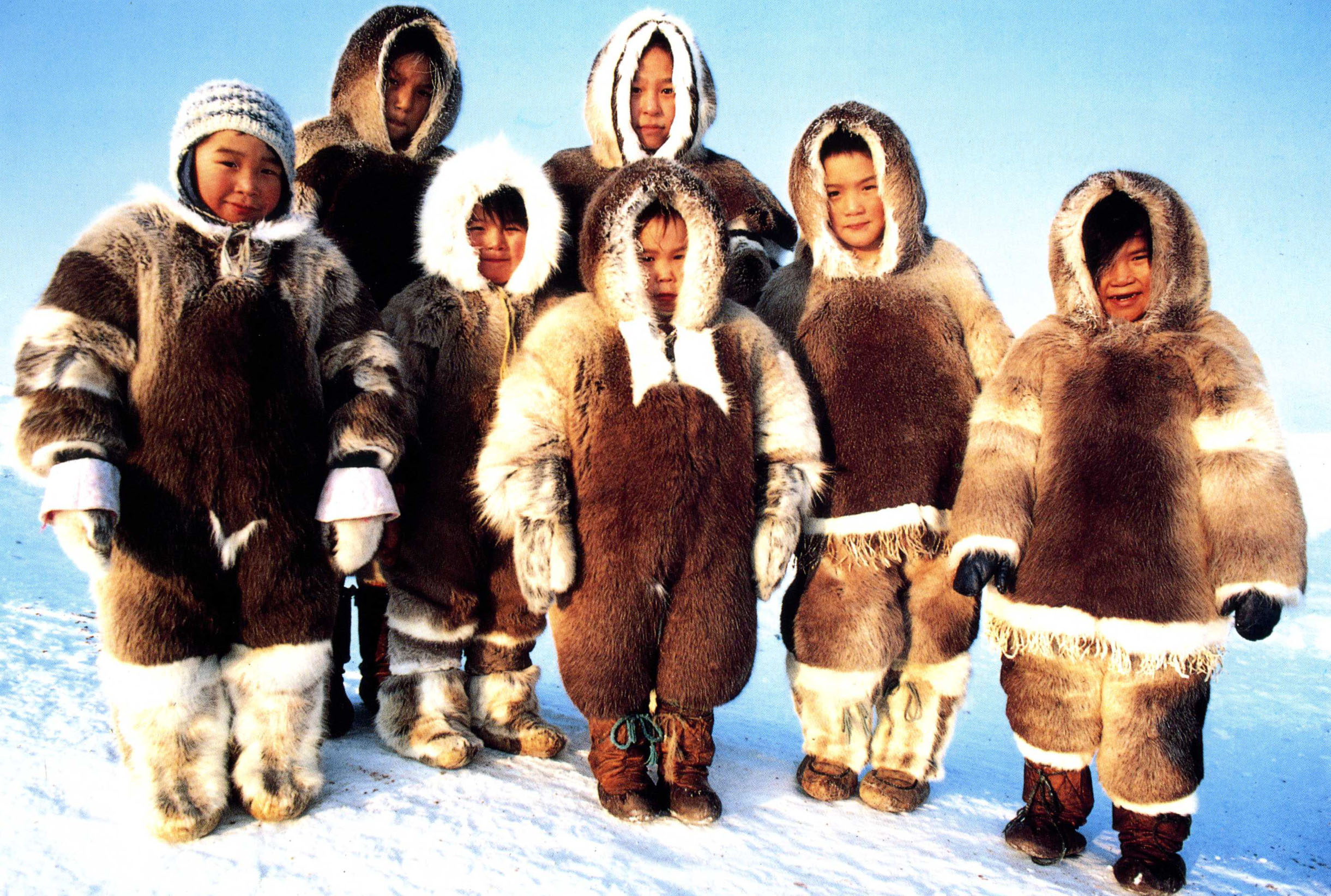
The Arctic, a region of breathtaking beauty and profound cultural heritage, is home to diverse indigenous peoples often broadly referred to as ‘Eskimo.’ While this term has historical usage, it’s important to note that many prefer to be identified by their specific names, such as Inuit, Yupik, and Iñupiat, reflecting their distinct identities and languages. These communities, with their deep connection to the land and sea, are at the forefront of global change, facing a unique array of modern challenges.
Understanding these challenges requires a nuanced perspective, acknowledging the resilience and adaptability that have defined these cultures for millennia. From the accelerating impacts of climate change to socio-economic pressures and the imperative of cultural preservation, Arctic indigenous communities are actively seeking and implementing innovative solutions to safeguard their future.
This comprehensive article delves into the critical issues confronting Arctic indigenous populations today and explores the collaborative, often community-driven strategies being employed to overcome them, fostering a path towards sustainable development and self-determination.
Environmental Challenges: The Frontline of Climate Change
Perhaps the most immediate and existential threat to Arctic indigenous communities is climate change. The Arctic is warming at a rate two to three times faster than the global average, leading to dramatic environmental shifts that directly impact traditional ways of life and community safety.
Melting Sea Ice and Permafrost: Reduced sea ice cover makes traditional hunting and travel routes perilous or impossible, affecting access to vital marine resources like seals, whales, and polar bears. Simultaneously, thawing permafrost destabilizes infrastructure, causing roads, homes, and airstrips to buckle and sink, necessitating costly repairs and relocation efforts.
Coastal Erosion and Extreme Weather: Many coastal villages are experiencing unprecedented erosion due as protective sea ice diminishes and storm surges become more frequent and powerful. This poses a direct threat to homes and community infrastructure, with some settlements already facing mandatory relocation.
Communities are responding with a mix of traditional knowledge and modern science. This includes detailed local observations of ice conditions, adapting hunting practices, and employing erosion control measures like engineered barriers. Research into climate-resilient infrastructure is also gaining traction.
Food Security and Sovereignty: Climate change directly impacts food security. Traditional diets, rich in protein and nutrients from hunting and fishing, are threatened by changes in animal migration patterns, habitat loss, and contaminated food sources. Dependence on expensive imported foods can lead to nutritional deficiencies and economic strain.
Efforts are focused on enhancing food sovereignty through initiatives like community greenhouses, sustainable aquaculture, and strengthening traditional harvesting practices. Programs that teach youth traditional hunting and fishing skills are vital for intergenerational knowledge transfer.
Socio-Economic Challenges: Navigating Modernity
The rapid introduction of modern economies and lifestyles into historically subsistence-based societies has created significant socio-economic challenges. These include disparities in employment, education, and access to essential services.
Limited Economic Opportunities: Many Arctic communities face high unemployment rates and limited opportunities for diversified economic growth beyond traditional sectors or resource extraction. This often leads to out-migration, particularly among youth seeking better prospects.
Educational Gaps: While access to education has improved, challenges persist. Curricula may not always be culturally relevant, leading to disengagement. Furthermore, post-secondary options are often far from home, creating barriers for students and families.
Inadequate Infrastructure: Remote Arctic communities often lack reliable and affordable infrastructure, including high-speed internet, clean water, sanitation systems, and consistent energy sources. These deficiencies hinder development, education, and healthcare access.
Empowering local entrepreneurship, investing in culturally relevant education, and developing robust infrastructure are key. This includes supporting small businesses, vocational training, and advocating for improved digital connectivity to bridge the ‘digital divide.’
Community-led Economic Diversification: Indigenous corporations and community development projects are fostering local ownership and control over economic activities, from tourism to sustainable resource management, ensuring benefits remain within the community.
Culturally Relevant Education: Schools are increasingly incorporating indigenous languages, histories, and traditional knowledge into their curricula, making education more engaging and relevant for students while preserving cultural identity.
Health Challenges: A Holistic Approach
Health disparities are a significant concern. While infectious diseases have been largely controlled, new challenges have emerged, particularly concerning mental health and chronic conditions.
Mental Health Crisis: The cumulative stress of rapid cultural change, historical trauma, environmental disruption, and socio-economic challenges has contributed to alarmingly high rates of suicide, depression, and substance abuse in some Arctic communities. Access to culturally appropriate mental health services is often limited.
Access to Healthcare: Remote locations mean limited access to specialized medical care, often requiring costly and disruptive travel to southern urban centers. Recruitment and retention of healthcare professionals in the Arctic remain a persistent issue.
A holistic approach is essential, blending modern medicine with traditional healing practices. This includes increasing the number of culturally competent healthcare providers, expanding telemedicine services, and developing community-based mental wellness programs.
Culturally Sensitive Mental Health Programs: Initiatives that incorporate traditional storytelling, elder mentorship, land-based healing, and peer support are proving effective in addressing mental health challenges in a way that resonates with community values.
Cultural Preservation: Sustaining Identity
The survival of unique languages, traditions, and knowledge systems is a constant endeavor in the face of external influences and the challenges of modernity.
Language Loss: Indigenous languages are vital carriers of culture, knowledge, and identity. Decades of assimilation policies have led to a decline in fluent speakers, particularly among younger generations.
Erosion of Traditional Knowledge: The intricate systems of traditional ecological knowledge, passed down through generations, are at risk as elders pass away and youth become disconnected from land-based activities.
Language revitalization programs, intergenerational mentorship, and the documentation of traditional knowledge are crucial. Technology also plays a significant role in making cultural resources accessible.
Language Immersion Programs: Schools and community centers are implementing immersion programs where children learn in their indigenous language, often from elders, ensuring the language’s continuity.
Digital Archiving and Storytelling: Projects that digitally record oral histories, traditional songs, and knowledge systems help preserve these invaluable cultural assets and make them available to future generations globally.
Self-Determination and Governance: A Path Forward
Underpinning many of these challenges and solutions is the fundamental issue of self-determination. Indigenous peoples are increasingly asserting their rights to govern their lands, resources, and communities.
Land Claims and Self-Governance Agreements: Comprehensive land claims and self-governance agreements provide indigenous governments with greater control over policy-making, resource management, and social programs, tailored to their specific needs and values.
International Advocacy: Indigenous leaders are also active on the international stage, advocating for their rights and sharing their experiences with global bodies, influencing policy and raising awareness about Arctic issues.
Technology is a double-edged sword but holds immense potential. From remote sensing for environmental monitoring to telemedicine for healthcare delivery and digital platforms for cultural preservation, innovative technologies are being harnessed to address unique Arctic challenges.
Effective solutions often arise from strong partnerships between indigenous communities, governments, academic institutions, and non-governmental organizations. These collaborations facilitate resource sharing, knowledge exchange, and the development of culturally appropriate interventions.
Conclusion: Resilience and a Vision for the Future
The indigenous peoples of the Arctic face a complex web of modern challenges, from the profound impacts of climate change to socio-economic disparities and the imperative of cultural survival. However, their story is not one of mere struggle, but of remarkable resilience, innovation, and unwavering determination.
Through self-determination, the revitalization of traditional knowledge, strategic use of technology, and robust community-led initiatives, these communities are not just adapting to change; they are actively shaping their future.
The solutions emerging from the Arctic offer valuable lessons for the entire world, demonstrating the power of cultural strength, collective action, and a deep respect for the environment in navigating an era of unprecedented global transformation.
Supporting these efforts is not just an act of solidarity; it’s an investment in a sustainable and equitable future for all.


