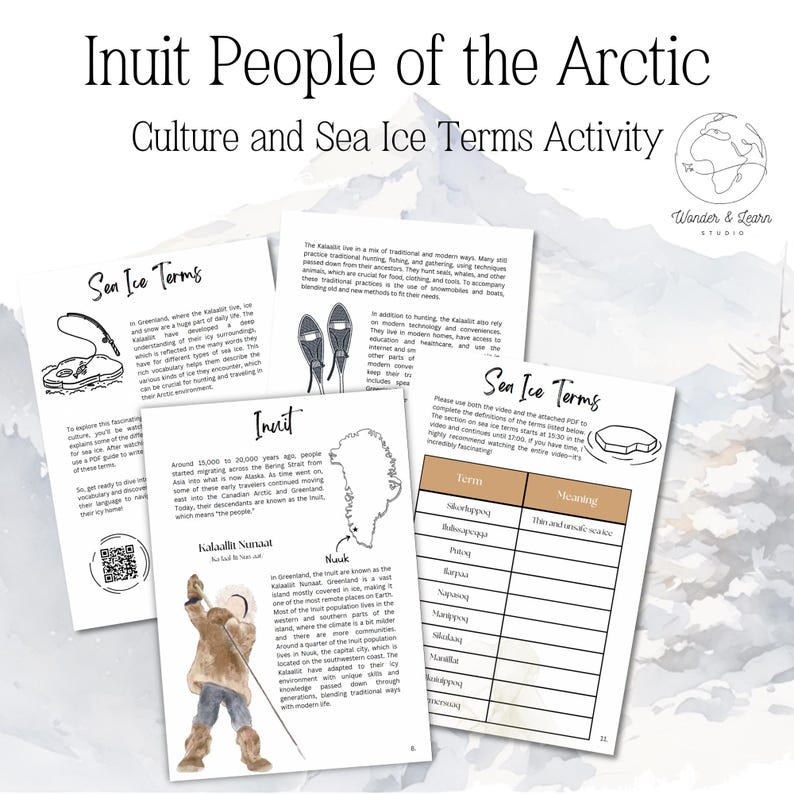
Embarking on the journey to learn an Indigenous language is a profound and enriching experience, offering a unique window into a culture’s worldview, history, and identity. While the term ‘Eskimo language’ is sometimes used, it’s important to note that the preferred and more accurate collective term for these diverse tongues is Inuit-Yupik languages.
This guide will delve into the fascinating world of these Arctic languages, providing a roadmap for aspiring learners to discover available resources. From the vast territories of the Canadian Arctic and Greenland to Alaska and Siberia, these languages represent a rich tapestry of human communication.
Learning an Inuit-Yupik language, such as Inuktitut, Yup’ik, or Kalaallisut (Greenlandic), is not just about acquiring new vocabulary; it’s about connecting with a vibrant heritage and supporting language revitalization efforts.
The motivation to learn can stem from various sources: a desire to connect with ancestral roots, an interest in Arctic cultures, academic pursuits, or professional requirements for those working in northern regions. Whatever your reason, the journey promises to be rewarding.
First, let’s clarify the terminology. The term ‘Eskimo’ is an exonym, meaning it was given by outsiders and is often considered derogatory by many Indigenous people. The preferred terms are specific language names like Inuktitut (spoken across the Canadian Arctic), Inupiaq (Northern Alaska), Yup’ik (Southwest Alaska and Siberia), and Kalaallisut (Greenland).
These languages belong to the Eskimo-Aleut language family, distinct from other Indigenous language families in North America. They are renowned for their polysynthetic nature, meaning words are often very long and can express what might take an entire sentence in English, through the addition of numerous suffixes to a root word.

This polysynthetic structure is one of the primary characteristics that makes them both fascinating and, at times, challenging for new learners. Unlike analytic languages like English, where word order and prepositions carry much of the grammatical information, Inuit-Yupik languages pack meaning into the morphology of their words.
So, is Inuktitut hard to learn? Like any language, it presents its unique challenges. The complex morphology and different phonetics can be initial hurdles. However, with dedication and the right resources, it is absolutely achievable. Many learners find the logical structure, once understood, to be quite elegant.
Let’s explore some of the dedicated resources available for those eager to begin their learning journey.
Online Language Learning Platforms and Websites
The digital age has brought forth a wealth of online resources. Many Indigenous organizations and educational institutions have developed platforms to support language learning and preservation.
- Government and University Portals: Websites from organizations like the Government of Nunavut, Inuit Tapiriit Kanatami (ITK), and various universities often host dictionaries, phrasebooks, and even full courses. Search for ‘Inuktitut learning Nunavut’ or ‘Yup’ik language Alaska’.
- Online Dictionaries: Dedicated online dictionaries are invaluable. The Inuktitut Living Dictionary is a prominent example, offering translations and sometimes audio pronunciations, crucial for mastering the unique sounds.
- Phrasebooks: Digital phrasebooks can help learners grasp common greetings, useful expressions, and basic conversational elements quickly. Many are available as PDFs or interactive web pages.
- Language Apps: While not as numerous as for major world languages, some apps are emerging. Look for apps developed by local communities or language institutes. Searching for ‘Inuktitut language app’ or ‘Yup’ik learning app’ might yield results.
Multimedia Resources: Audio and Visual Learning
Immersing oneself in the sounds and sights of the language is vital. Audio and visual resources can significantly aid pronunciation and comprehension.
- YouTube Channels: Many Indigenous content creators, educators, and cultural organizations host YouTube channels featuring language lessons, traditional stories, songs, and daily vlogs in their native tongues. These offer authentic exposure.
- Podcasts: As the popularity of podcasts grows, so too do offerings in Indigenous languages. Search for podcasts related to Inuit culture, news, or storytelling in Inuktitut or Kalaallisut.
- Music: Listening to music in the target language is an enjoyable way to familiarize yourself with sounds, rhythm, and common vocabulary. Many talented Inuit and Yup’ik musicians share their work online.
- Television and Radio: In regions like Nunavut and Greenland, there are dedicated broadcasters (e.g., CBC North, KNR) that air programs in local languages. Accessing these online streams can provide rich immersion.
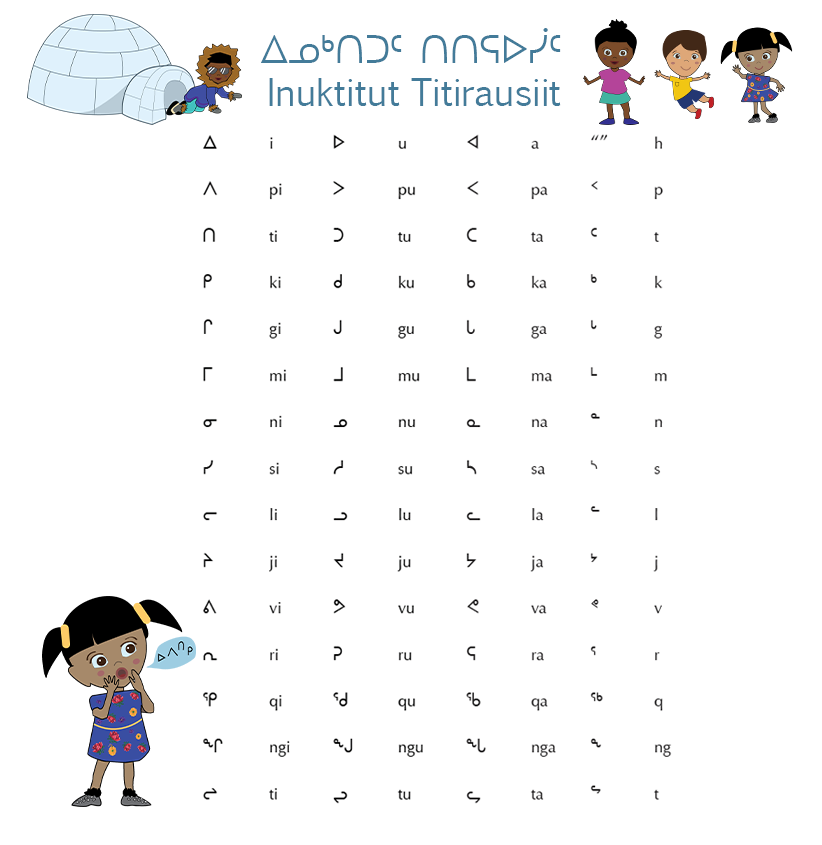
Traditional Textbooks and Educational Materials
For those who prefer a more structured approach, traditional textbooks and workbooks remain essential tools.
- University Textbooks: Many universities with Indigenous studies programs offer textbooks specifically designed for learning Inuktitut, Yup’ik, or Kalaallisut. These often come with accompanying audio CDs or online resources.
- Community-Developed Materials: Local school boards and cultural centers frequently develop their own teaching materials, which might include primers, storybooks, and grammar guides. These are often tailored to regional dialects.
- Storybooks and Children’s Literature: Reading children’s books is an excellent way to build foundational vocabulary and grammar in a simplified context. Many are bilingual, aiding comprehension.
Community Engagement and Cultural Immersion
Language is deeply intertwined with culture. Engaging with the community is arguably the most effective and rewarding way to learn.
- Language Circles and Classes: Many urban centers with significant Inuit or Yup’ik populations offer language circles or classes, often hosted by cultural centers or community associations. These provide structured learning and speaking practice.
- Cultural Events: Attending cultural festivals, art exhibits, and community gatherings offers opportunities to hear the language in natural contexts and connect with speakers.
- Find a Language Partner: Connecting with a native speaker, either in person or online, for regular conversation practice is invaluable. Websites dedicated to language exchange can be a good starting point.
Specific Resources for Inuktitut, Yup’ik, and Kalaallisut
While general resources exist, some are specific to particular languages. For Inuktitut, the Pirurvik Centre and the Nunavut Arctic College offer extensive programs and resources. For Yup’ik, the Alaska Native Language Center at the University of Alaska Fairbanks is a treasure trove of materials, including dictionaries, grammars, and curriculum guides.
Kalaallisut (Greenlandic) resources can often be found through institutions in Denmark and Greenland, such as Ilisimatusarfik (University of Greenland) and Oqaasileriffik (Greenland Language Secretariat).
Tips for Successful Language Learning
- Start with Pronunciation: Pay close attention to the unique sounds. Many Inuit-Yupik languages have sounds not found in English, and mastering them early will prevent bad habits.
- Focus on Core Vocabulary and Phrases: Begin with high-frequency words and common expressions. This builds confidence and allows for early communication.
- Embrace the Polysynthetic Nature: Understand that words are built differently. Don’t be intimidated by long words; try to break them down into their root and suffixes.
- Be Patient and Persistent: Language learning is a marathon, not a sprint. Celebrate small victories and don’t get discouraged by plateaus.
- Immerse Yourself: Surround yourself with the language as much as possible, through media, music, and if possible, interaction with speakers.
- Learn About the Culture: Understanding the cultural context will deepen your appreciation for the language and help you grasp nuances.
The journey of learning an Inuit-Yupik language is more than just an academic pursuit; it’s a step towards understanding and preserving a vital part of humanity’s linguistic diversity. These languages carry centuries of knowledge, storytelling, and unique ways of perceiving the world.
Whether you’re exploring Native Alaskan languages like Yup’ik or the broader Arctic languages of Inuktitut and Kalaallisut, the resources are growing, and the communities are welcoming. Your effort contributes directly to language preservation.
In conclusion, while the initial search might be for ‘Eskimo language learning resources’, remember to focus on the specific Inuit-Yupik languages you wish to learn. A wealth of materials, both online and in communities, awaits your discovery. Embrace the challenge, connect with the culture, and enjoy the profound experience of unlocking these ancient and vibrant voices.
With dedication, curiosity, and respect for the cultures they represent, anyone can begin to learn and appreciate the beauty and complexity of these remarkable languages. The journey is truly an adventure into the heart of the Arctic.


