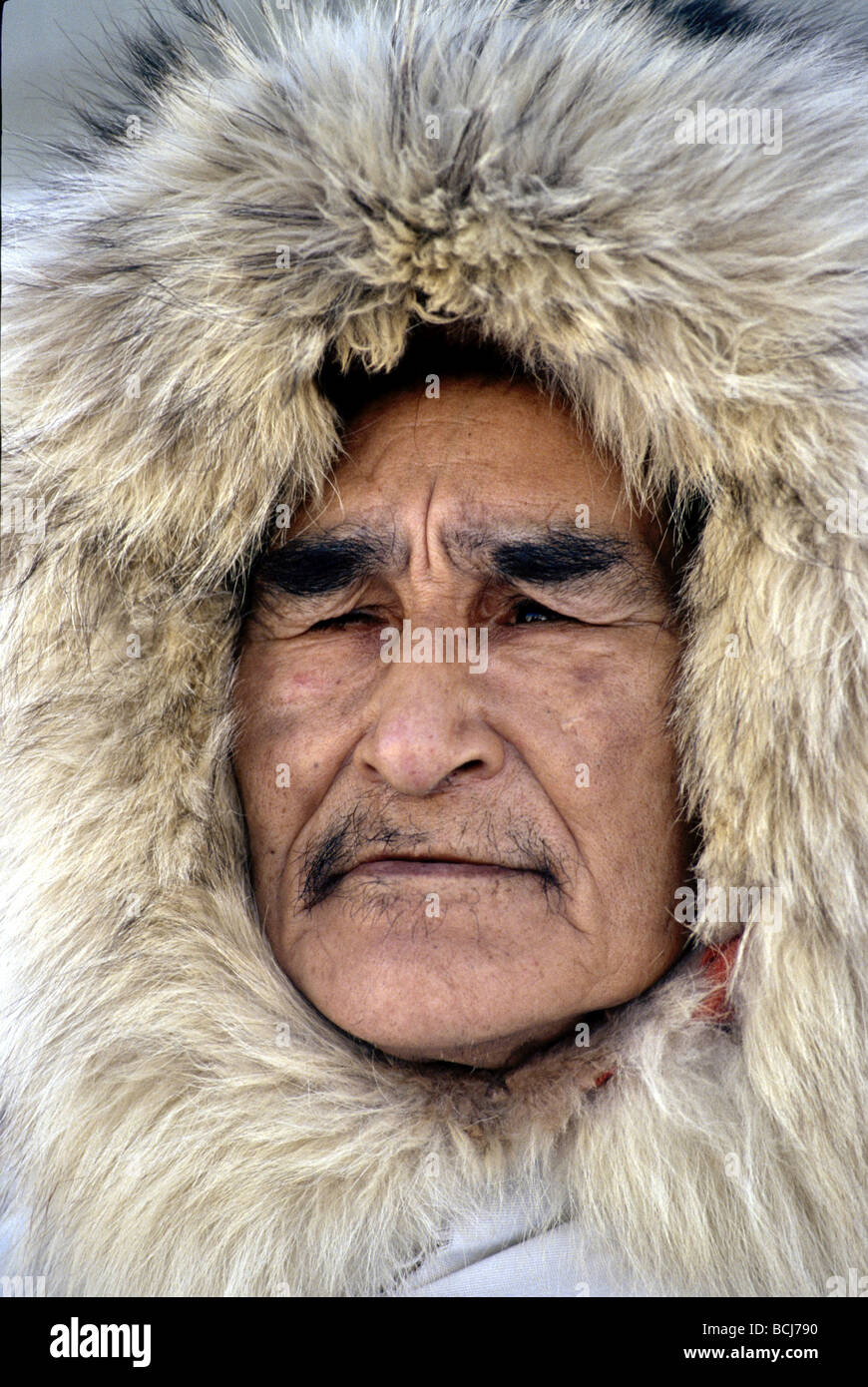
The Eskimo fur ruff parka stands as an iconic symbol of resilience, ingenious design, and deep cultural heritage. More than just a piece of clothing, it represents centuries of accumulated knowledge about surviving and thriving in the planet’s most unforgiving environments. This comprehensive guide delves into the fascinating world of these extraordinary garments, exploring their history, design, functionality, and enduring appeal.
At its core, the parka is a coat designed for extreme cold, traditionally crafted by indigenous peoples of the Arctic, including the Inuit, Yup’ik, and Aleut. The term ‘parka’ itself is believed to originate from the Nenets language, referring to an animal-skin coat, and was later adopted into various languages.
Central to the parka’s legendary effectiveness is its distinctive fur ruff. This isn’t merely a decorative element; it’s a critical component engineered for survival, providing unparalleled protection against the brutal Arctic winds and sub-zero temperatures.
The history of the parka is deeply intertwined with the lives of Arctic communities. For thousands of years, indigenous peoples perfected clothing designs to withstand conditions that would be lethal to the unprepared. The parka evolved through generations of trial and error, reflecting an intimate understanding of materials and environmental challenges.
Early parkas were typically made from caribou hide, sealskin, or bird skins, chosen for their excellent insulating properties. These materials were meticulously prepared, often with the fur or feathers facing inwards for warmth, and sometimes a second layer with fur outwards for additional protection.
The design was inherently practical: a hooded, pull-over garment, often worn in layers. The outer layer, or ‘qulittaq,’ would shed snow and wind, while an inner layer, or ‘atuq,’ provided insulation. This layering system allowed for adaptability to varying levels of activity and temperature.
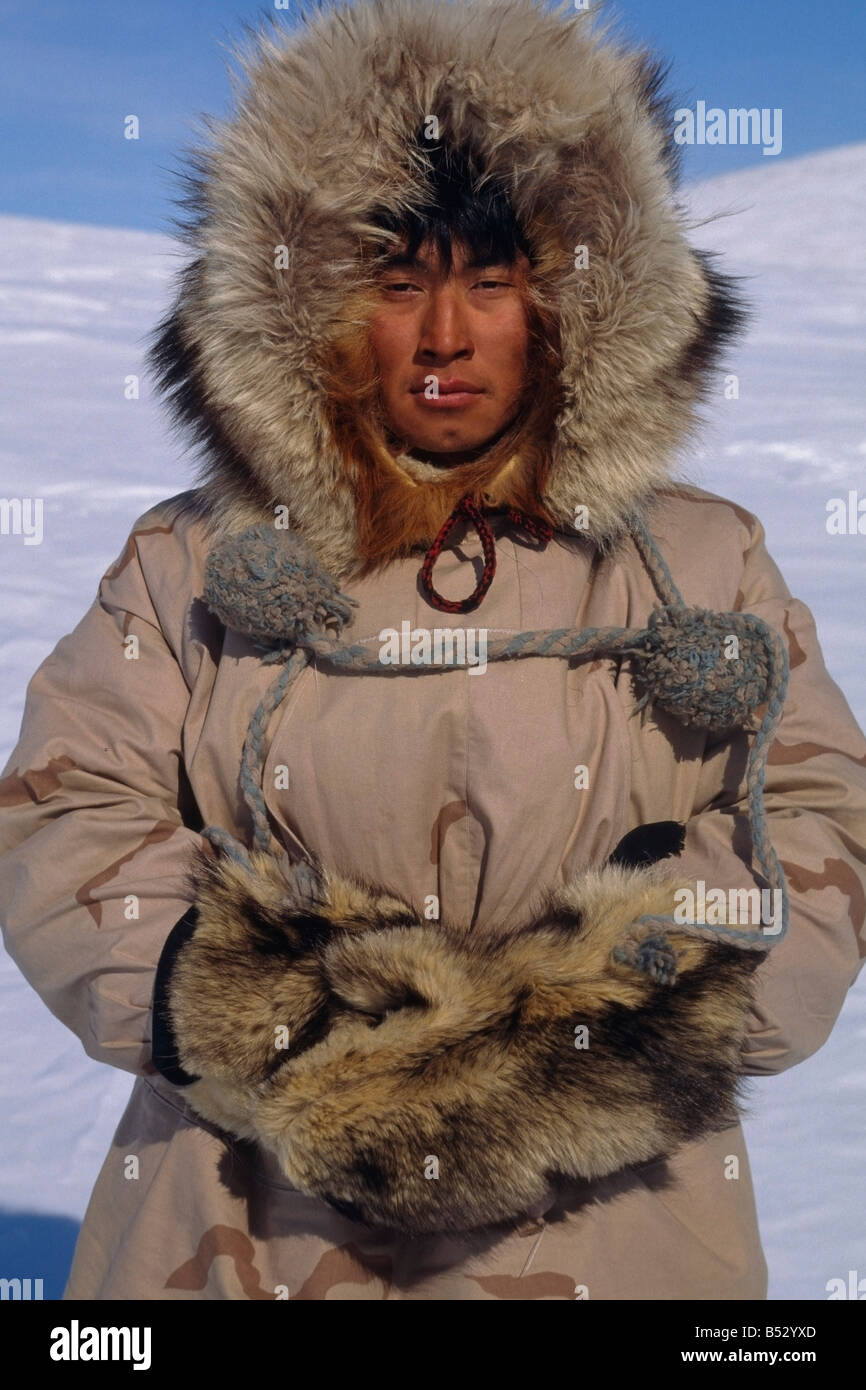
Let’s focus on the star feature: the fur ruff. Placed around the opening of the hood, the ruff creates a microclimate around the wearer’s face. When pulled close, it effectively blocks harsh winds, preventing frostbite to the sensitive skin of the face, nose, and cheeks.
The unique structure of animal fur, with its dense fibers, traps warm air close to the skin. Furthermore, the individual hairs of the fur, when exposed to wind, create a turbulent layer of air. This turbulent air acts as a barrier, preventing direct wind chill from reaching the face.
Another crucial benefit of the fur ruff is its ability to wick away moisture. As the wearer breathes, moisture is released. Without a ruff, this moisture could freeze on the skin, leading to frostbite. The fur helps to direct this moisture away from the face, keeping it drier and warmer.
Visibility is also enhanced by a properly designed ruff. The long hairs of the fur create an ‘tunnel’ effect, reducing glare from snow and ice, and allowing for clearer vision in bright, reflective Arctic landscapes.
What kind of fur is used on parkas? Traditionally, indigenous hunters would utilize the fur of animals readily available in their environment. Common choices included Arctic fox, coyote, wolf, and wolverine.
Each type of fur offers distinct advantages. Arctic fox fur is known for its exceptional density and softness, providing superb insulation. It’s often used for its luxurious feel and aesthetic appeal.
Coyote fur is a popular choice for its durability and resistance to matting, even in wet conditions. Its coarse guard hairs and dense underfur make it highly effective at shedding snow and ice.
Wolf fur, while less common today, was traditionally valued for its incredible warmth and robustness. It’s extremely resilient and provides excellent protection against the elements.
Perhaps the most prized fur for ruffs, especially in extreme conditions, is that of the wolverine. Wolverine fur is unique because it resists frost and icing better than almost any other fur. This means it won’t stiffen or become brittle with frozen breath, a critical factor for survival in the coldest climates.

Are fur ruffs necessary? For true Arctic survival and protection against extreme cold and wind, a fur ruff is not just beneficial, it is often considered essential. While modern synthetic alternatives exist, they often struggle to replicate the combined insulating, wind-blocking, and moisture-wicking properties of natural fur in critical applications.
The construction of a traditional parka ruff is an art form. It requires skill to select the right fur, cut it correctly, and attach it in a way that maximizes its protective qualities while maintaining the hood’s shape and functionality.
Modern parkas, while often incorporating advanced synthetic materials for insulation like down or synthetic fibers, continue to feature fur ruffs. This fusion of traditional wisdom with contemporary technology creates garments that are both highly functional and stylish.
Many high-end winter outerwear brands draw inspiration from traditional Inuit designs, recognizing the superior engineering of the original parka. They often use ethically sourced fur or high-quality faux fur to replicate the protective benefits.
When choosing an Eskimo fur ruff parka or a modern equivalent, consider several factors:
- Insulation type: Down fill power (e.g., 600-800 FP) or synthetic insulation.
- Outer shell material: Water-resistant and windproof fabrics are crucial.
- Ruff quality: Look for dense, long-haired fur, ideally from species known for frost resistance.
- Fit: A proper fit allows for layering without restricting movement.
- Ethical sourcing: If choosing natural fur, research the brand’s commitment to responsible and ethical sourcing practices.
Caring for your fur ruff parka is essential to maintain its longevity and performance. Avoid compressing the fur, and allow it to air dry if it gets wet. For cleaning, professional fur cleaning is often recommended to preserve the integrity of the fur and the garment.
The cultural significance of the parka extends beyond its practical utility. It embodies the ingenuity and deep connection to nature of indigenous Arctic peoples. It is a testament to their ability to adapt and thrive in incredibly challenging environments, using resources respectfully and sustainably.
Today, the Eskimo fur ruff parka continues to be worn by indigenous communities, not just for tradition but for its proven effectiveness. It has also permeated global fashion, becoming a coveted item for anyone facing cold winters, from city dwellers to Arctic explorers.
The design principles embedded in these parkas – efficient insulation, wind protection, and strategic use of materials – are lessons in survival that remain relevant. They inform the design of all high-performance cold weather gear.
Whether you’re embarking on an Arctic expedition, seeking reliable outerwear for extreme cold weather, or simply appreciating a piece of clothing with a rich history, understanding the Eskimo fur ruff parka offers valuable insights into human adaptation and craftsmanship.
In conclusion, the Eskimo fur ruff parka is far more than a winter coat. It is a meticulously designed piece of thermal insulation engineering, born from centuries of indigenous knowledge and perfected for extreme conditions. Its defining feature, the fur ruff, is a critical survival tool, offering unparalleled protection against wind and frostbite.
From its historical roots in caribou and sealskin to its modern iterations combining down fill with durable outerwear fabrics, the parka with its iconic fur ruff remains a benchmark for cold-weather protection. Its legacy continues to inspire both designers and adventurers alike, proving that traditional wisdom, when combined with innovative spirit, creates truly enduring solutions.


